

What makes a good leader in today’s rapidly evolving workplace?
What does it take to be a leader in today’s challenging and fast-changing architectural workplace? This was the topic of an AJ roundtable discussion in partnership with global architecture and design recruiter Bespoke Careers.
This article was originally published by the Architects’ Journal.
Photography by Theo Wood
Panel members
Yẹmí Aládérun Head of Development, Ealing Counci
Beni (Albena) Atanassova-Price Director, Scott Brownrigg
Lucy Cahill Director, Bespoke Careers
Ben Clark Co-owner, 2C Architects
Samantha Cooke Director, KPF
Hattie Hartman (chair) Sustainability editor, The Architects’ Journal
Dominic Hook Architect Director, BDP
Stewart Kidson Consultant, Strategic Appointments, Bespoke Careers
Katia (Caterina) Polidoro Principal Director, tp bennett
What leadership models and practice strategies can best nurture diversity and meet the expectations of younger generations? Is soft rather than hard power the answer?
These were among the issues up for debate at a recent Architects’ Journal roundtable, supported by Bespoke Careers and held at Flokk in London. It was certainly a pertinent topic, given the recent report by the Fawcett Society on gender equity in the architecture sector, which found shocking examples of ‘toxic workplace culture’, with 35 per cent of respondents experiencing sexual harassment and half experiencing bullying.
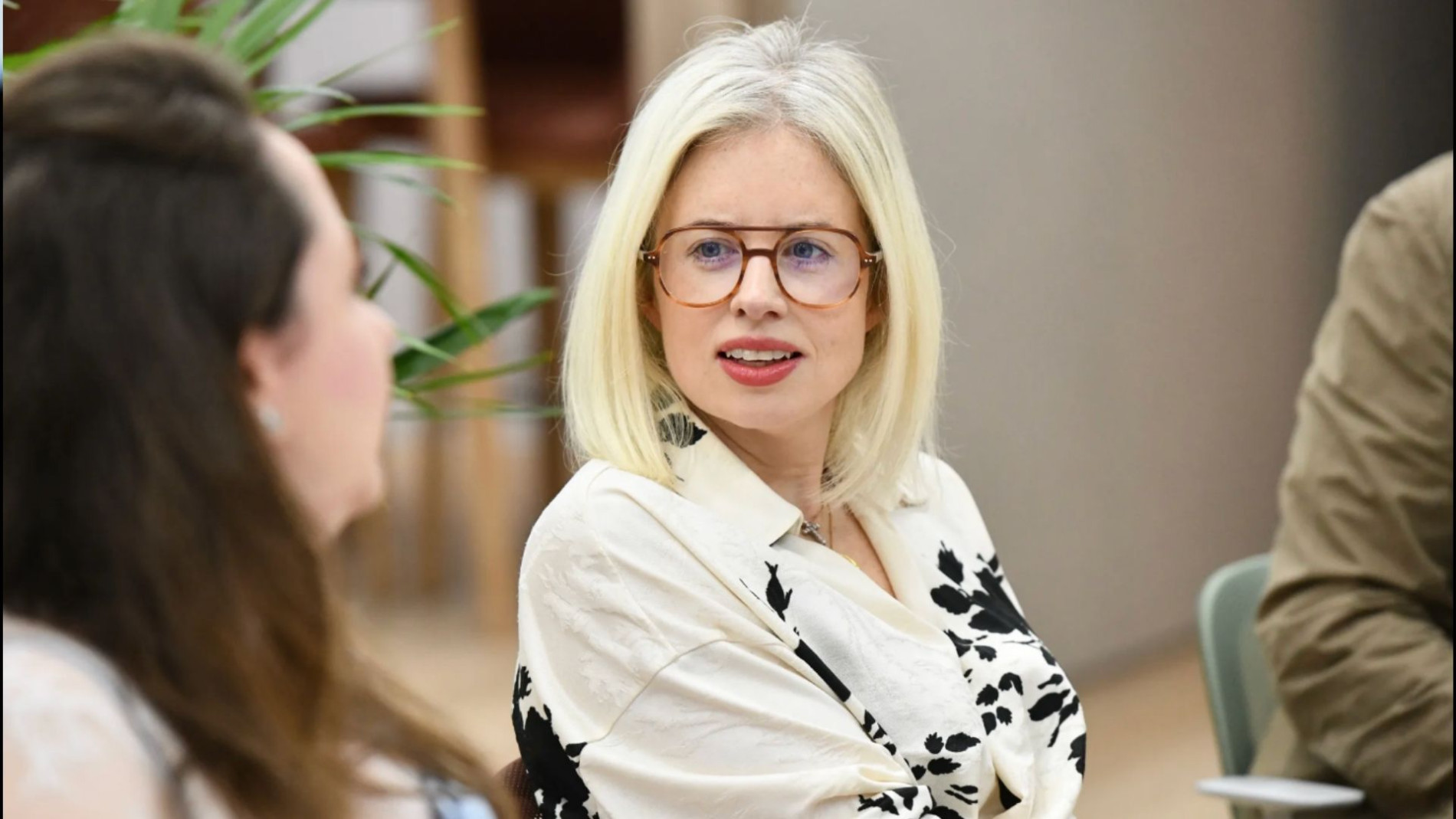
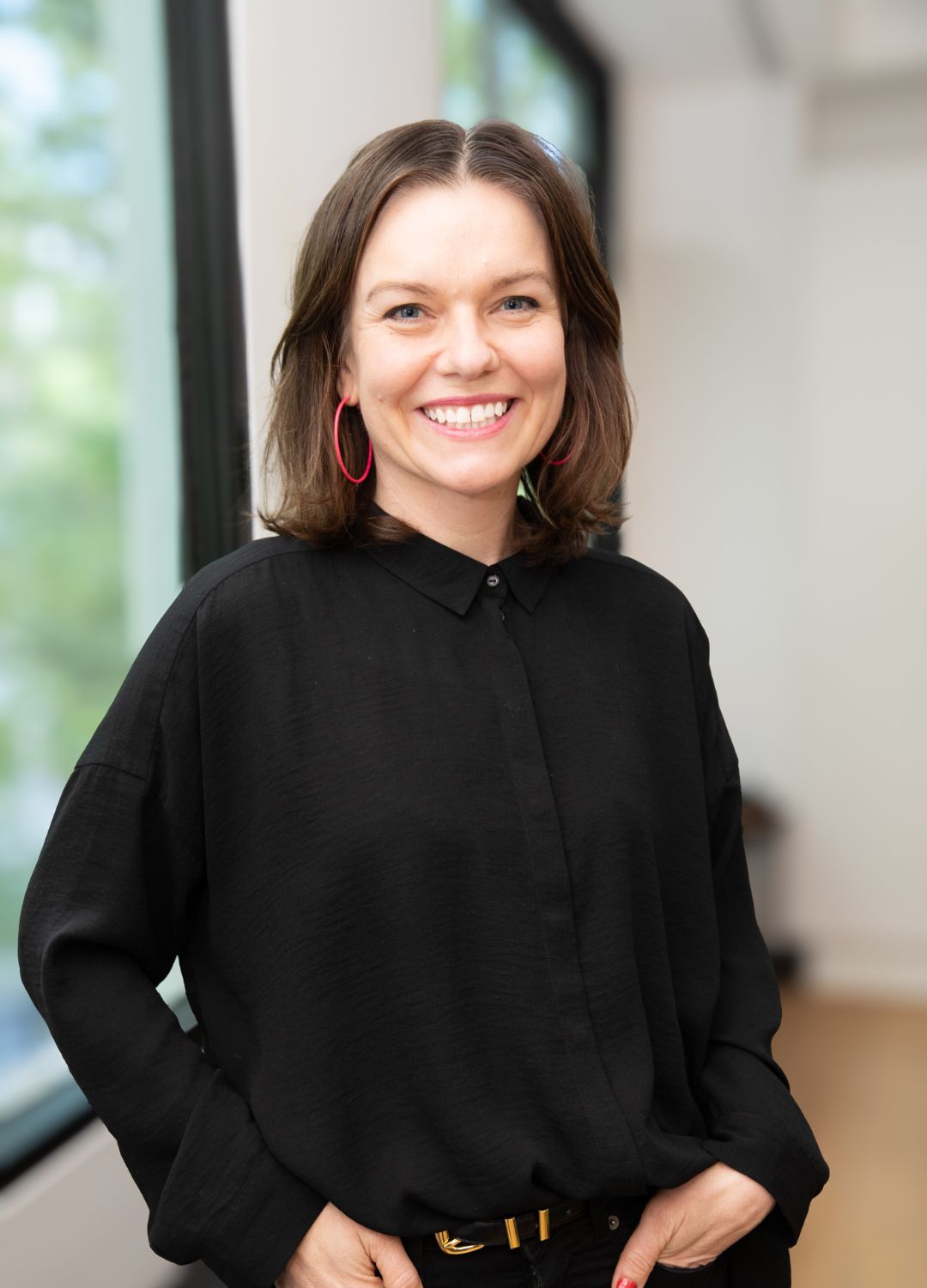
Lucy Cahill
According to Bespoke Careers’ Lucy Cahill, companies in the recruitment marketplace are looking to embrace change and want to find out how to go about it.
‘We’re finding ourselves in a lot of conversations where people are saying they want to add different and diverse voices to their board or senior leadership team and they’re asking how they should go about that,’ she said.
The roundtable panel shared both the challenges of changing traditional practice structures and the positive strategies they are using to nurture from within.
The panel reflected on how good architects don’t necessarily make good managers, nor get the right training.
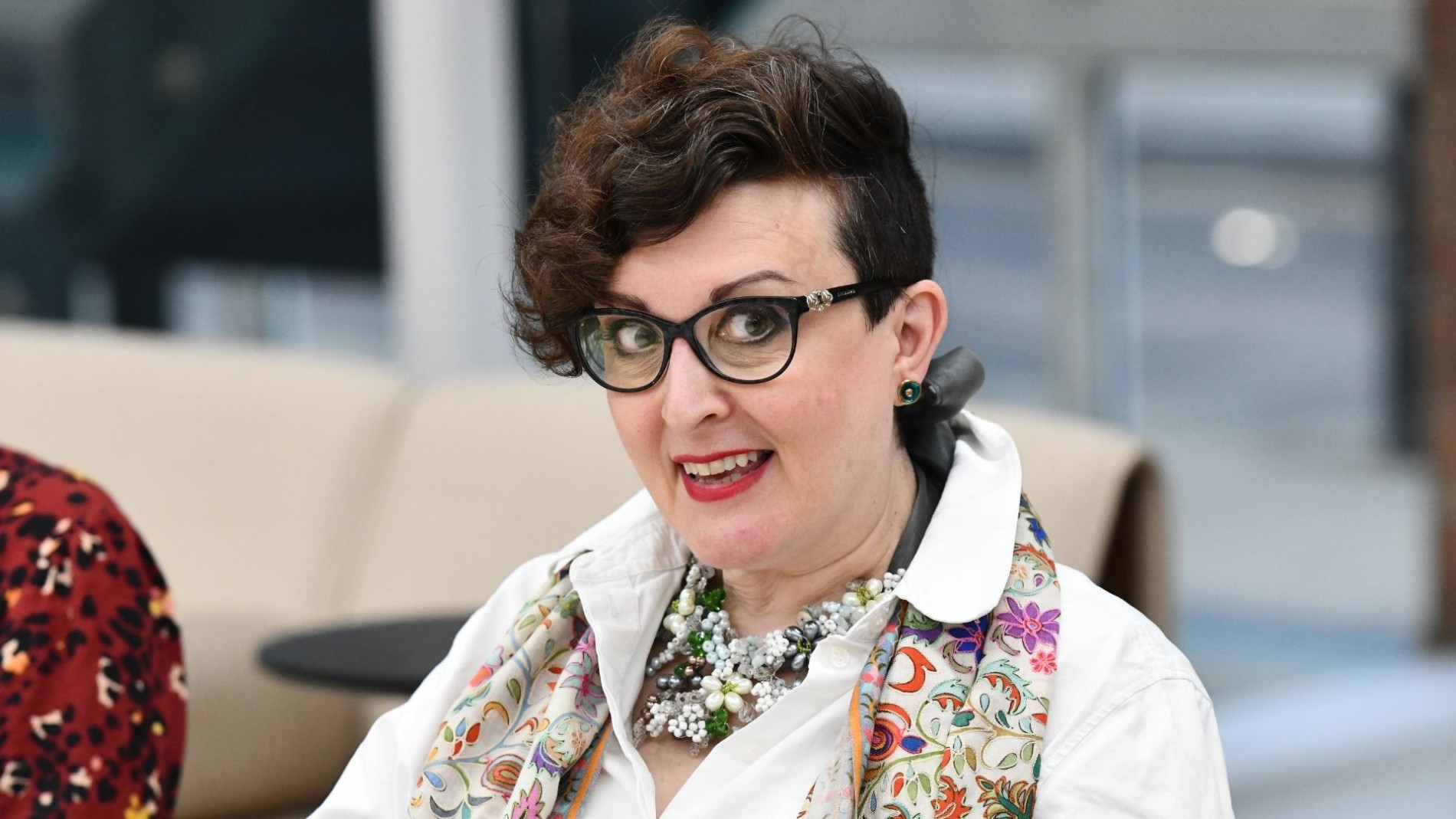
Katia Polidoro
Katia Polidoro of tp bennett talked about the need to be empowered with the tools, for example for scenarios such as talking to their team: ‘How do you engage with a conversation? How do you work with your strengths to change the dial when in a conversation? How do you resolve a problem?’
Yẹmí Aládérun, recently appointed head of development at Ealing Council, felt that good leadership was ‘less about authority and more about awareness’. She felt the idea of the architect as a lone visionary with a following no longer reflected how projects are designed and collectively delivered. Now, it’s more about how to ‘figure it out together’, she said.
There’s also a marked difference, she thought, between being a manager and being a leader. ‘Ultimately, to be a leader, the foundational quality is to have clarity. I also think that you can lead from wherever you are.’

Yẹmí Aládérun
She talked about the importance of ‘soft’ power, in contrast to a ‘hard’ power that is derived from a position of authority. This can often be found outside the confines of the office routines. She was a co-founder, for example, of Paradigm Network, for black and Asian architects, and is a core member of Part W action group, which campaigns to highlight the contribution of women to the built environment.
In addition, social media has given different people a platform to voice their opinions.
‘You can do it from your phone, without anyone giving you the authority to do so or spending tens of thousands of pounds to get your voice heard,’ she said.
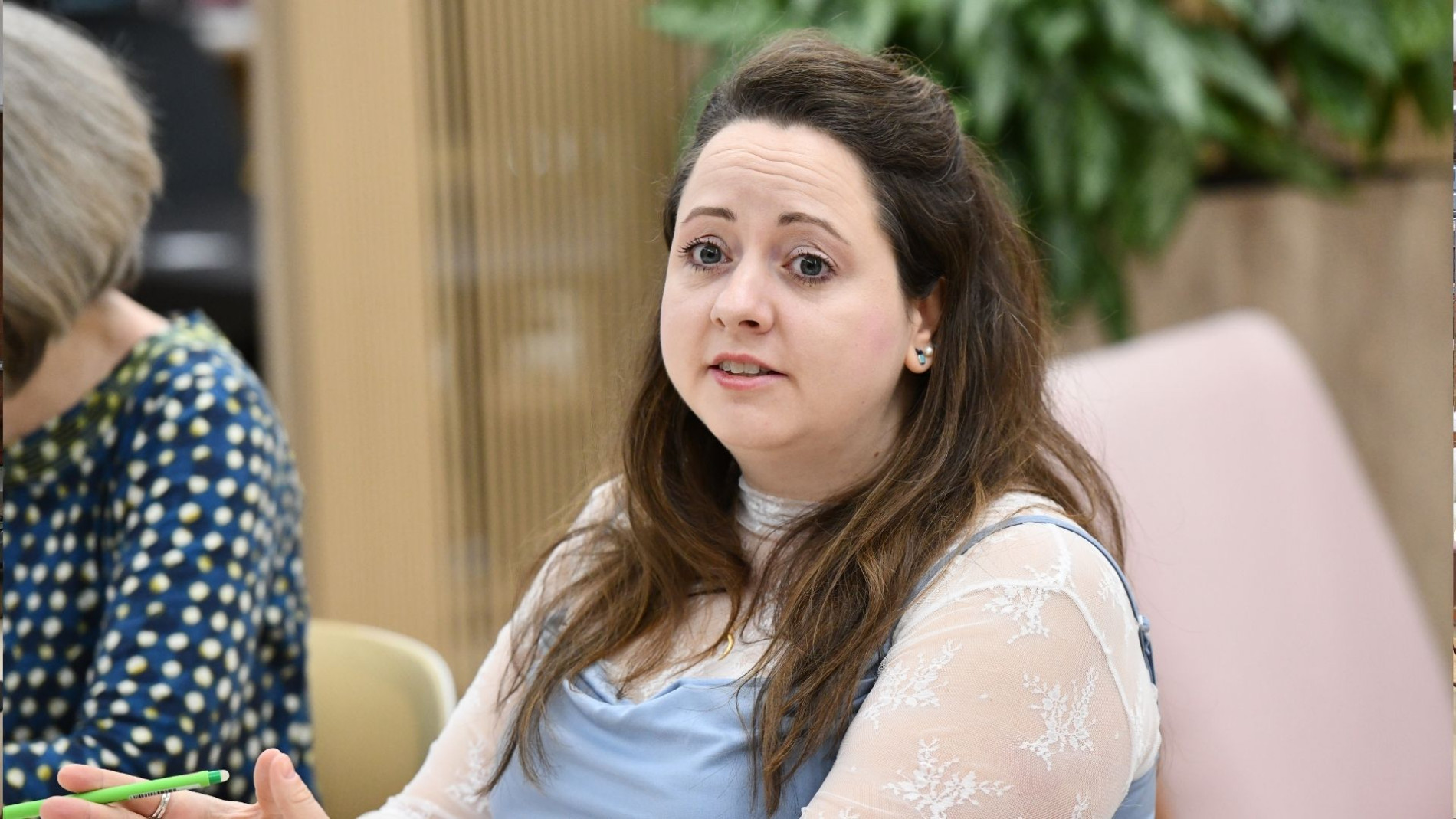
Beni Atanassova-Price
Beni Atanassova-Price, who was recently appointed director of Scott Brownrigg, described the power of mentoring, whether within the practice or externally. ‘To me, it’s a lot about a two-way communication,’ she said. Mentoring can be a way of ‘paying it forward’, she thought, by helping or inspiring others, who can in turn help more people themselves, with each incremental change contributing to a bigger cultural change.
‘With large organisations it [change] does take time and it’s difficult to do, but I think there are things we can all do, probably within the levels we’re sitting at, that will probably make a much bigger impact in the industry as a whole,’ she said.
KPF director Samantha Cooke said the 50-year-old practice was making concerted efforts to bring more women into leadership roles. She talked about the need to have accurate data when driving change. ‘From the start I’ve always been data-focused,’ she said, adding that being able to be explicit about numbers helped to challenge misperceptions.
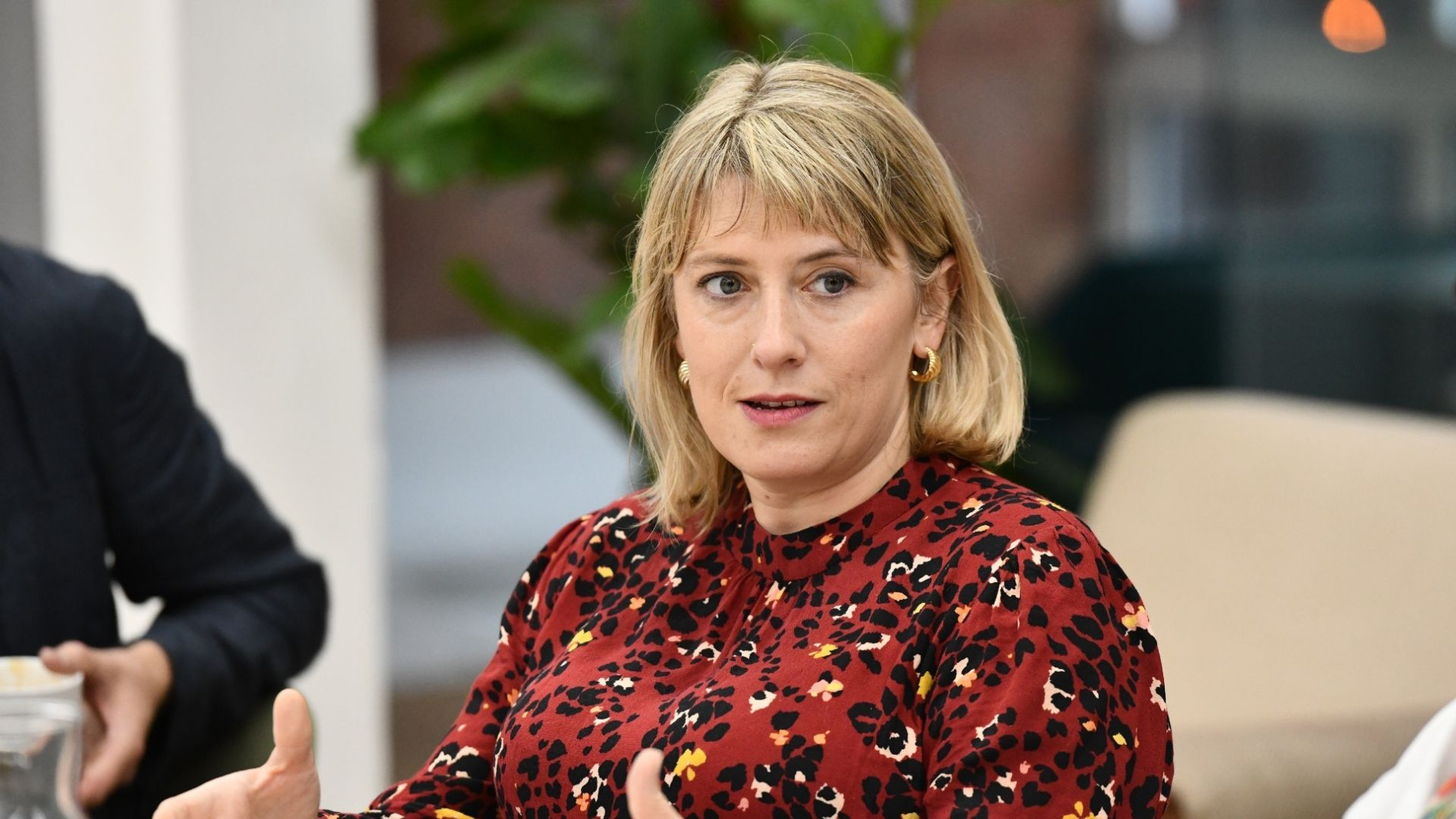
Samantha Cooke
The practice has set up a group focused on gender balance that’s open to everyone.
‘It’s not just for women to talk about our issues and have it go nowhere,’ she said. She added that the Fawcett Society report had shown that issues surrounding gender inequality are still prevalent in the wider profession.
While cultural change at long-established practices can be particularly difficult, it clearly does happen. Polidoro is one of six women on the 15-strong board of 104-year-old practice tp bennett. Until quite recently, there was only one. At tp bennett, she said, there is also a further ‘pipeline’ of women recently promoted to the next level down, ‘not because we wanted to make the quota, but because people grew into the role’. This radical shift was, she said, the result of both timing and strategic change instigated by the board.
‘As many of the older generation of principals retired, it was a pivotal moment when tp bennett decided to invest in training and coaching [for all],’ she said. This ‘considerable commitment’, she said, ‘has organised us in a different mindset’ and given people the tools to progress in the practice.
‘It’s about building leadership in a modern sense. We talk about a bottom-up, top-down approach. It needs a strategic decision to make these changes.’
Aside from the coaching and capturing data to understand where the gaps are, Polidoro points to the practice’s strong equity, diversity, and inclusion (EDI) strategy, mentoring schemes (including reverse mentoring), and tp bennett-plus (TPB+) support groups, which have been instrumental in the introduction of supportive new policies on menopause and parental leave.
‘It’s all about support. You lose people if you don’t support throughout this stage of their career,’ she said.
Atanassova-Price talked about the impact of Scott Brownrigg’s distributed leadership ‘rank and roles’ system. In this, additional time and pay is given for those wishing to take on key roles outside traditional levels of progression, such as championing project management, for example. ‘That meant we have seen a lot of younger people taking on these roles,’ she said.
Without the constraints of an established hierarchy, Ben Clark of new practice 2C Architects, is keen to challenge traditional practice models by ‘being able to shape the leadership of the company from the bottom up’ to ensure that no-one feels disenfranchised.
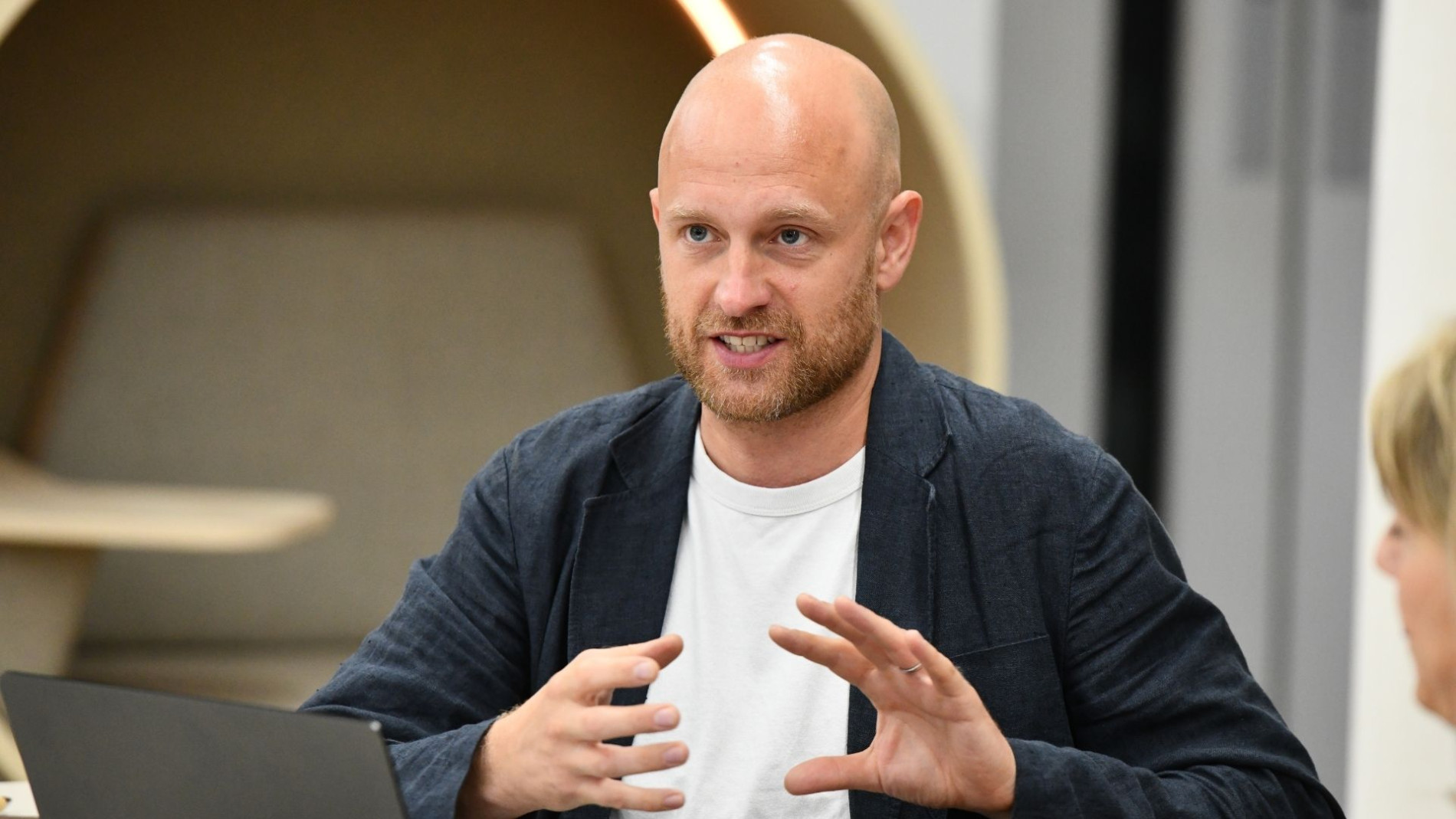
Ben Clark
‘How do we attract really good people? Part of that is making decisions about how we structure the practice and reward the people coming in,’ he said. This means hearing the views of all. ‘Not to encourage younger staff to offer their opinion and thoughts is really wasteful for us as leaders or senior members. You want to hear all voices.’
Yẹmí Aládérun has varied experience as an architect across private, public and third sector organisations. She described how she was dumbfounded by the ethnic diversity and age range of people when she moved to a housing association.
‘There’s a lot that we can learn from how the public sector and third sector do things to level out the playing field and give people equal opportunities,’ she said, pointing to policies such as blind recruitment and promoting from within by advertising internally first.
Aládérun also brought up the issue of ‘invisible’ social/economic diversity, in addition to race and gender. tp bennett’s Polidoro said she was personally in favour of positive discrimination in cases such as recruiting Level 6 apprentices.
‘You need to give priority to the ones who wouldn’t be able to study otherwise … you need to make an impactful decision. If you don’t, little by little, start at the bottom, you’ll never get to that quota,’ she said.
So what other issues affect efforts to bring about a more diverse representation in the profession?
BDP’s Dominic Hook called out what he called a ‘bullishness and, frankly, slightly alpha attitude’.
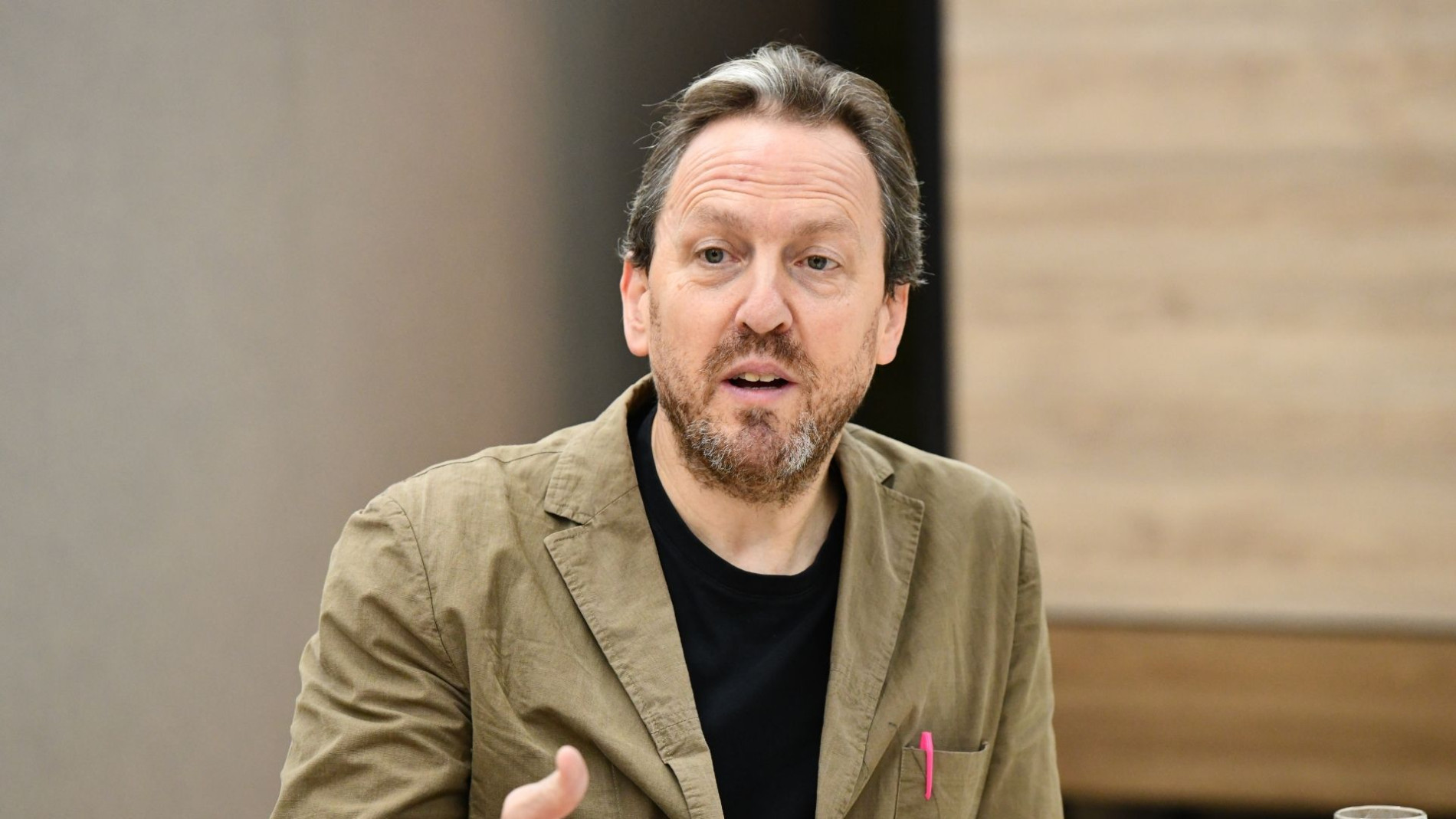
Dominic Hook
‘You can certainly bet your bottom dollar that’s got nothing to do with talent or ability, or the desire or ambition,’ he said.
Menopause policies and, in particular, supportive parental policies, such as shared parental leave, came up again and again. ‘By having these,’ said Clark, ‘you probably stop some of your brightest female employees from leaving the practice and therefore your pool to promote from within is much larger.’
Polidoro felt that management needed to lead by example, for example by leaving early to pick up children from school.
‘There is a heavy lifting the management needs to do, and again it’s cultural. You need to set the tone. If you don’t perform that shift, things will never change.’
The discussion also touched on the role of Employee Ownership Trusts, B-Corps, renumeration transparency and much more. Perhaps, participants felt, there was scope for more collaboration on best practice, as has been demonstrated by the sharing of sustainability methodologies.
Making a strategic hire to bring in knowledge of a specific new sector, or to bring about a particular change, is a good opportunity to ‘agitate’ and move things onward towards more diverse representation, according to Stewart Kidson of Bespoke.
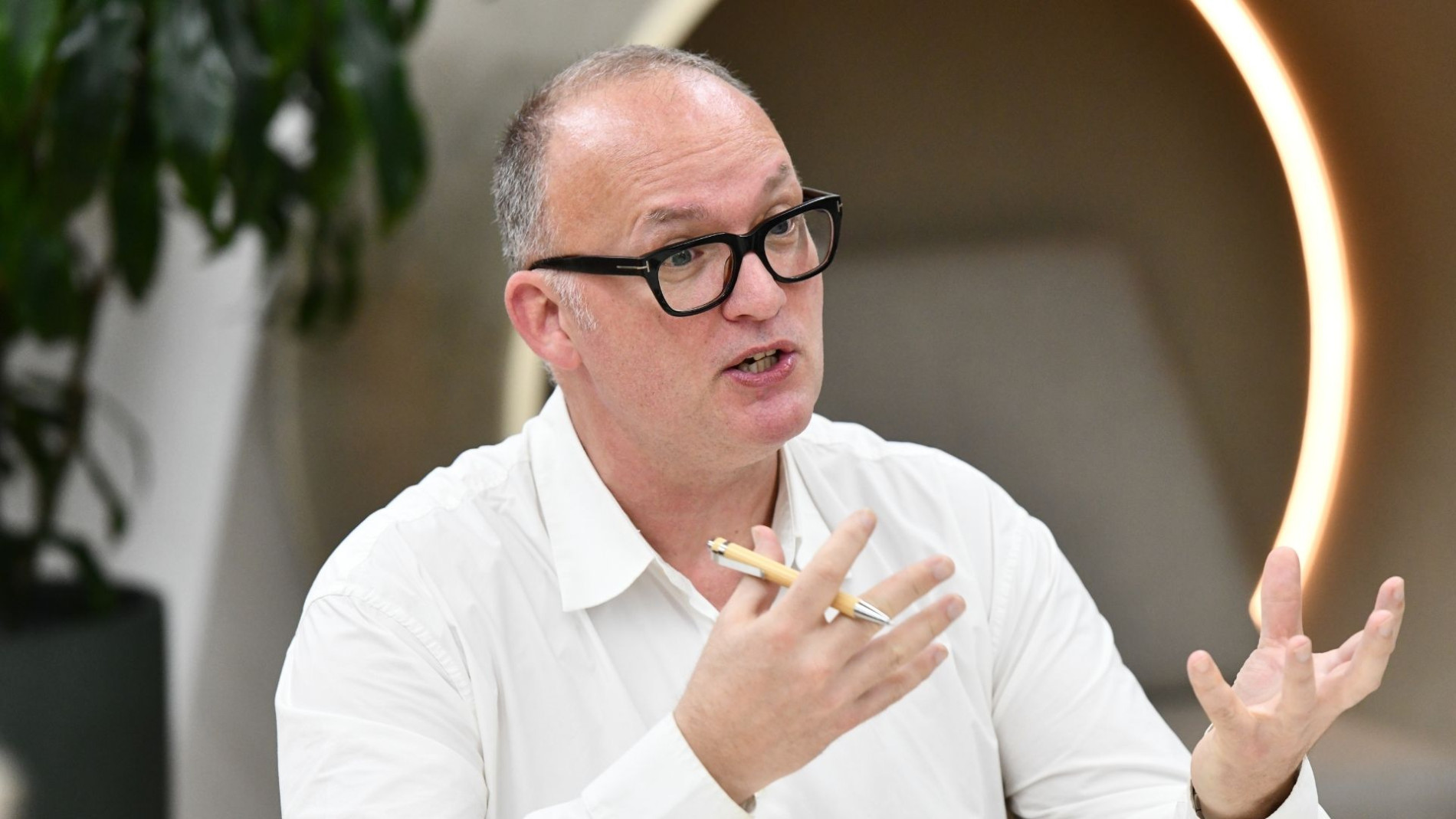
Stewart Kidson
‘As practices evolve and change with succession, you need to bring in the latest thinking into your organisations. It’s very important to agitate through that process, because [otherwise] you end up with people who look the same,’ he said.
There was no doubting the value of a more diverse practice.
‘Being a more diverse organisation definitely brings with it a more successful business model and everyone benefits from it,’ said Polidoro.
To get there is clearly still a work in progress for the profession. This may, said Aládérun, require ‘unlearning’ the structures that are currently in place, rather than inviting more people into them. On a positive note, she felt architects were well-positioned to do just this.
‘We’re trained to think in systems and to balance imagination with constraint. If we apply that mindset, we can continue to develop the kind of compelling models that we’ve heard about today – models of leadership that are creative, inclusive but also deeply human.’
Search for architecture and design jobs here
Latest architecture and design jobs around the world

Looking to hire top talent
 or advance your career? Let's talk.

We connect exceptional firms with talented professionals.
Let’s discuss how we can help you achieve your goals. Get in touch with the team today.
Related Posts

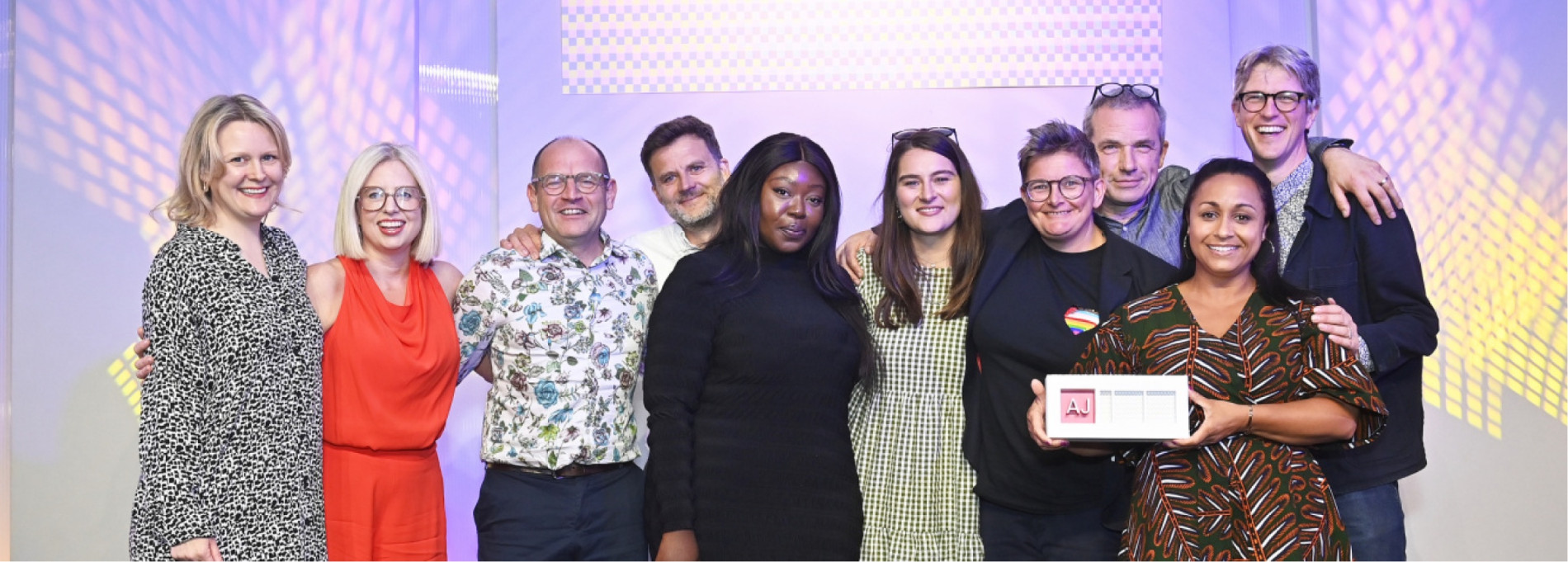
Bespoke Careers sponsors the AJ100 Employer of the Year Award, which recognises UK architectural firms with market-leading workplace cultures.
Lucy Cahill, Bespoke Careers London director and AJ100 awards judge, discusses what it takes for a firm to be recognised as Employer of the Year and the ingredients of HTA Design’s success.