Bespoke Careers - 2026 AU/NZ Architecture & Design Market Report
Bespoke Careers
Architecture & Design Survey · Australia & NZ
2026 AU/NZ
Architecture & Design
Market Report
Respondents
0
Locations
0
Data Points
0
Published
April 2026
Scroll to explore
01

We've seen a significant spike in hiring and applications across Australia & NZ within the last twelve months. This has been the strongest start to a year we've seen since the pandemic.


Lindsay Urquhart
Lindsay Urquhart
CEO & Founder, Bespoke Careers
Signature
AU/NZ at a Glance
0%
more vacancies
Bespoke Careers · 2025 vs 2024
0%
more job applications
Bespoke Careers · 2025 vs 2024
0%
avg salary increase
up from 4.99% in 2025
0%
more contractors
6.4% > 8.0% of AU/NZ workforce
02
Contents

What's Inside.

Four chapters covering salary, retention, hiring, and the contract market across Australia & New Zealand.


01
Salary & Pay
1. Salary & Pay
Median salaries, satisfaction levels, perceived gaps, and gender pay equity across AU & NZ.
02
Talent & Retention
2. Talent & Retention
What candidates want, how they feel, and what actually keeps them.
03
Hiring & Workforce
3. Hiring & Workforce
Talent shortages, office mandates, and what each generation wants from work.
04
Contract Market
4. Contract Market
The fastest-growing segment of the workforce and the roles driving it.
01
Salary
& Pay
Median salaries, satisfaction levels, perceived gaps, and gender pay equity across AU & NZ.
Salary & Pay Talent & Retention Hiring & Workforce Contract Market
Median Salary

Brisbane overtakes Melbourne as second-highest paying city

Brisbane leapfrogs Melbourne to claim #2 in AU/NZ salaries.

Brisbane is riding a strong project pipeline, but the local talent pool has not kept pace with demand. Employers are increasingly looking to Sydney, Melbourne and beyond to fill the gap, and salaries are rising to make the move worth it.

AU/NZ Median
$105k
Avg Increase
+5.41%
Received Pay Rise
63%
Median Salary by City - 2026 (AUD)
Sydney
$110k
↑ 5.81%
Brisbane
$108k
↑ 6.96%
Melbourne
$105k
↑ 4.72%
Perth
$103k
↑ 3.3%
Adelaide
$103k
↑ 4.69%
New Zealand*
$95k
↑ 3.28%
* Converted to AUD from NZD
03
Salary Satisfaction - 2025 → 2026
Salary Satisfaction

AU/NZ is the only region where salary satisfaction rose

Brisbane leads at 56%. NZ trails at 45%.

AU/NZ leads the US and UK on salary satisfaction — the only region to report higher satisfaction than last year. Brisbane’s score notably grew 5 points, becoming the highest ranking city across the region.

AU/NZ
52%
↑ +1pp
United States
51%
— flat
United Kingdom
44%
↓ −5pp
Hiring implication
NZ at 45% is the most vulnerable pool for salary-led offers. Brisbane at 56% shows the highest contentment, while Melbourne at 50% leaves staff open to competing offers.
Brisbane
56%
↑ +5pp
Perth
53%
no 2025 data
Sydney
52%
— flat
Melbourne
50%
↑ +1pp
Adelaide
53%
no 2025 data
New Zealand
45%
no 2025 data
04
Perceived Pay Gap

86% of professionals believe they are underpaid

Most workers believe they're worth more than they're paid.

When asked what they believe is a fair salary for their skills and experience, 86% of AU/NZ respondents named a figure higher than their current pay, with a median gap of $12,500.

Median Gap
$12.5k
actual vs perceived fair pay
Increase Needed
+11.4%
to close the median gap
Hiring implication
With 86% of the talent pool feeling undervalued, salary-led moves remain highly viable. Even modest above-market offers carry disproportionate pull.
How AU/NZ Workers Rate Their Pay
86%
feel underpaid
Underpaid (86%)
Fair (10%)
Overpaid (5%)
Salary Increase Needed to Feel Fairly Paid
Sydney
+13.6%
82.1% feel underpaid
Melbourne
+14.3%
87.5% feel underpaid
Brisbane
+9.1%
78.2% feel underpaid
05
Gender Pay Gap

The gender pay gap halved in a single year

AU/NZ gap halved: 18.7% in 2025 down to 8.7%.

Men earn $115k vs women's $105k. Brisbane lags heavily at 18.1% — the widest gap by city. Melbourne leads at 4.5%, falling within WGEA's target range of ±5%, where pay does not significantly favour either gender.

AU/NZ Male
$115k
AU/NZ Female
$105k
AU/NZ Gap
8.7%
↓ from 18.7%
Median Salary by Gender & City
Brisbane
18.1%
M $119k · F $97.5k
Sydney
12.5%
M $120k · F $105k
Melbourne
4.5%
M $110k · F $105k
06
02
Talent
& Retention
What candidates want, how they feel, and what actually keeps them.
Salary & Pay Talent & Retention Hiring & Workforce Contract Market
Decision Factors

Salary overtakes flexibility as the top factor motivating jobseekers

Salary jumped to #1. Flexibility slipped to second.

Top factors candidates weigh when considering opportunities. Salary overtook flexibility as the #1 priority, a major shift from 2025.

Top desired perks
WFH flexibility, bonuses, gym membership, 9-day fortnight and mental health days are the most requested benefits from employees.
# Factor 2026 '25 Rank
1Salary64.6%was #4 ↑
2Flexibility & work-life balance53.7%was #1 ↓
3Team culture39.9%no change
4Project pipeline & quality31.2%new
5Career progression29.3%no change
6Location / commute28.5%was #8 ↑
7Values alignment27.4%no change
8Job security14.5%was #9 ↑
9Training & development7.0%no change
10Holiday / PTO3.1%no change

% who selected (multi-select) · AU/NZ employed respondents

07
Wellbeing Index

Employee wellbeing falls as industry confidence wavers

Eight factors scored on a 0–100 scale.
55%
AU / NZ
−1.5pp
vs 2025 (56.2%)
Global Comparison
US
56.9% ▲1.2pp
AU
54.7% ▼1.5pp
UK
48.9% ▼5.7pp
Wellbeing Index Breakdown
Feeling Valued63.5% ▼4.1pp
Industry Confidence58.6% ▼5.9pp
Job Satisfaction58.3% ▼0.3pp
Workload54.6% ▼1.9pp
Mental Health52.5% ▼1.3pp
Salary Satisfaction51.7% ▲1.1pp
Work-Life Balance49.5% ▼1.5pp
Career Progression48.9% ▲1.8pp
Australia sits mid-table globally — ahead of the UK but trailing the US. The decline is modest but broad-based: career path confidence and feeling valued saw the steepest falls while salary satisfaction and career progression were the only bright spots, both ticking up as the market tightens.
Adelaide
65.4%
no 2025 data
Brisbane
59.4%
↑ +3.5pp
Perth
58.4%
no 2025 data
Sydney
54.7%
↓ −1.8pp
Melbourne
52.5%
↓ −3.6pp
New Zealand
49.1%
no 2025 data
08
Flight Risk

Six in ten Melbourne professionals are considering moving jobs

Melbourne workers are 34% more likely to leave in the next 18 months than Brisbane.

Melbourne is the easiest city to recruit in, 60% are open to a move. Brisbane tells the opposite story: low flight risk (45%) makes it a retention stronghold, but talent attraction is tougher.

AU/NZ
55.0%
↓ -2.8pp
United States
61.1%
↑ +3.0pp
United Kingdom
69.4%
↑ +8.3pp
Brisbane Paradox
Brisbane has the lowest employee flight risk (45%) but highest talent shortage belief (71%). Great for keeping your team, brutal for building it.
Flight Risk (FR 6+) - All Cities
Melbourne
60.1%
↑ +2.0pp
New Zealand
58.3%
no 2025 data
Adelaide
58.3%
no 2025 data
Perth
54.5%
no 2025 data
Sydney
53.9%
↓ −0.8pp
Brisbane
44.7%
↓ −22.8pp
09
Loyalty Drivers

A clear progression pathway is the number one loyalty driver

Career progression is the single highest predictor of candidate tenure.

Salary is the #1 reason people move jobs — but once they're in, it's not the strongest lever for keeping them. Career progression, mental health support, and feeling valued are all more predictive of whether someone stays.

1
#1 Driver
Career Progression
2.9× more likely to stay
% likely to leave within 18 months
No path
84%
Clear path
29%
55pp reduction — the single biggest lever in the data
#2 Driver
Mental Health Support
2.1×
% likely to leave within 18 months
No support
78%
Supported
36%
42pp reduction
#3 Driver
Feeling Valued
1.9×
% likely to leave within 18 months
Not valued
81%
Valued
42%
39pp reduction — costs nothing but a conversation
10
03
Hiring
& Workforce
Talent shortages, office mandates, and what each generation wants from work.
Salary & Pay Talent & Retention Hiring & Workforce Contract Market
Top Hiring Challenges - 2026 (Hiring Managers)
Talent Shortage

Two in three employers say they cannot find the talent they need

Competition for talent is heating up.

Salary expectations and skills shortages dominate challenges. Brisbane hiring managers feel the squeeze most acutely at 71%, while Melbourne is more relaxed at 62%.

Employers Report Talent Shortage
67%
↑ +10pp from 2025
Finding It Difficult to Hire
56%
scored 4+ out of 5
↑ from 43% in 2025
Global Comparison — % reporting talent shortage
AU/NZ
67%
US
65%
UK
56%
Brisbane
71%
report shortage
Sydney
67%
report shortage
Melbourne
62%
report shortage
11
Office Days Required - 2025 vs 2026
Hybrid & Office Mandates

Staff want 2 days at home. Employers say 1.

AU/NZ permanent full-time staff now average 4.01 days in the office p/w.

Staff want 2 days from home — a 0.73-day gap employers can use as a hiring lever. Offering even one extra WFH day is a decisive differentiator.

Avg Days p/w
4.01d
Hybrid (1–4d)
51.6%
Pref. Gap
0.73d
Required office days — AU/NZ respondents
Fully remote
7.0%
1 day
2.5%
2 days
5.5%
3 days
18.6%
4 days
24.6%
5 days
41.7%
Hybrid (1–4d): 51.2% Fully in office: 41.7% Fully remote: 7.0%
Adelaide
4.33d
no 2025 data
Perth
4.31d
no 2025 data
New Zealand
4.11d
no 2025 data
Brisbane
4.10d
↑ +0.75d
Melbourne
4.09d
↑ +0.28d
Sydney
3.90d
↑ +0.01d
12
Generational Priorities

Different generations require a different approach

One retention strategy won't work. Career progression matters 5× more to Gen Z than Boomers. Tailor by cohort.

Gen Z · 18–24
$60k
median salary · 82% flight risk
Wants mentoring, a clear career path, and skill development opportunities.
Salary59%
Career35%
Flexibility38%
Training21%
Pref. office days3.5d
Millennials · 25–34
$82k
median salary · 72% flight risk
Wants flexibility, upward progression, and fair compensation for their experience.
Salary60%
Flexibility51%
Career36%
Culture34%
Pref. office days3.0d
Gen X · 35–54
$102k
median salary · 59% flight risk
Wants stability, interesting project work, and respect for their experience.
Salary60%
Flexibility51%
Culture32%
Project Quality27%
Pref. office days2.9d
Boomers · 55+
$124k
median salary · 55% flight risk
Wants legacy, purpose, and ease of commute. Least likely to chase salary alone.
Salary51%
Flexibility42%
Culture36%
Location34%
Pref. office days3.1d
13
04
Contract
Market
The fastest-growing segment of the workforce and the roles driving it.
Salary & Pay Talent & Retention Hiring & Workforce Contract Market
Contract Market

Contract hiring surges as the fastest-growing segment of the workforce

The contract workforce is accelerating.

The contract workforce grew 25% YoY, from 6.4% to 8.0% of all employed respondents.

2025
6.4%
2026
8.0%
% of AU/NZ workforce on contract
Contract Vacancies
321
AU/NZ · last 12 months
YoY Growth
+25%
contractor share
1
High Demand
Interior Designer
Mid-to-senior FF&E specialists
2
High Demand
Revit Architect
Most in-demand software skill
3
Growing
Arch Technician
Documentation specialist
4
Growing
Graduate Architect
Entry level · contract-to-perm pipeline
5
Emerging
Receptionist / Admin
Practice support · office management
6
Emerging
Wayfinding Designer
Signage & environmental graphics

Source: Bespoke Careers — 321 contract vacancies, AU/NZ, last 12 months

14
Thank You

Have a question?
Get in touch.

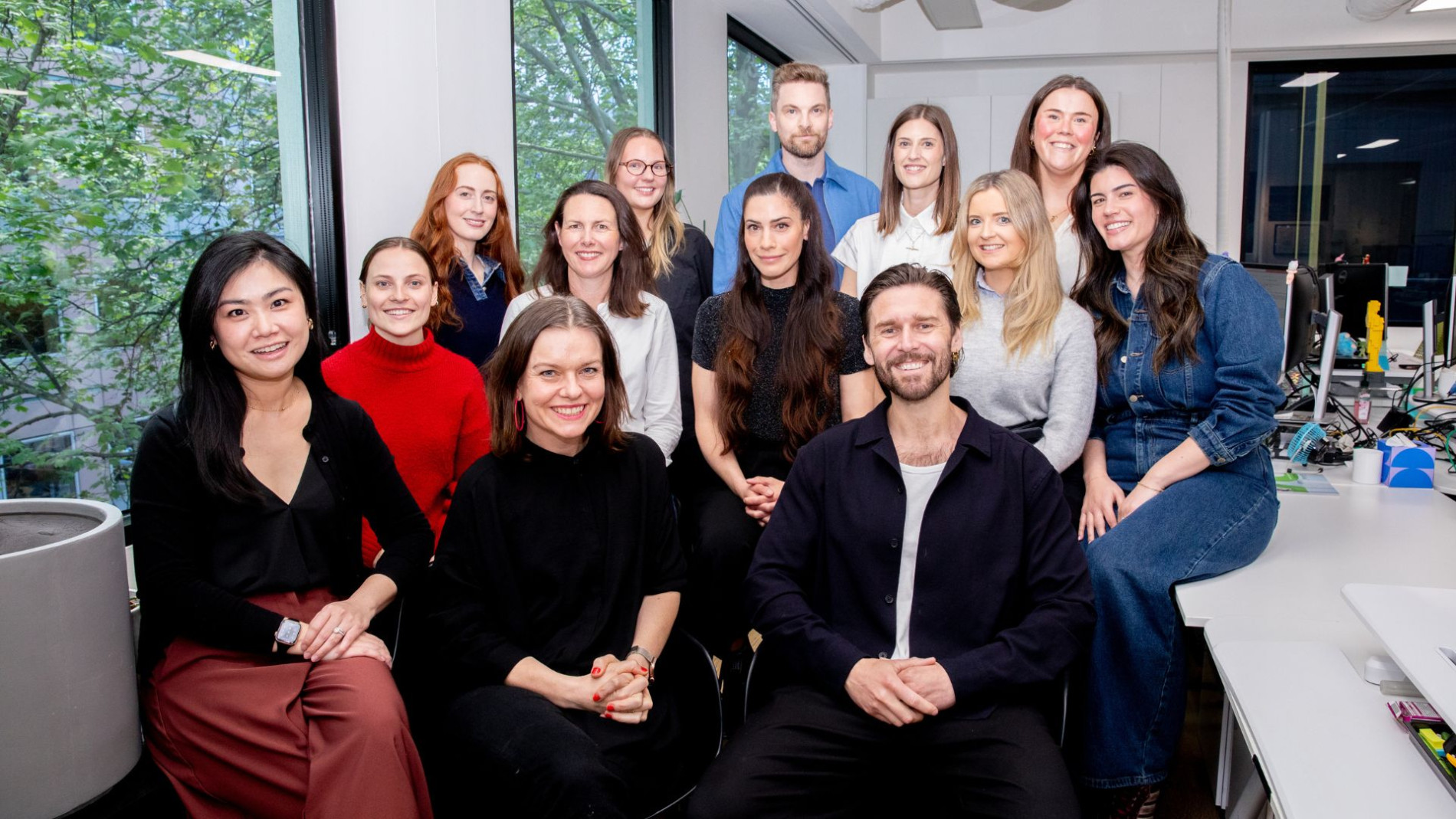
Our team leaders across Australia & New Zealand are here to help. Reach out to discuss your hiring needs, salary benchmarking, or anything in this report.


Krista Shearer
Krista Shearer
Sydney
Get in Touch
Georgie Brice
Georgie Brice
Melbourne
Get in Touch
Luke Russo
Luke Russo
Brisbane
Get in Touch
Charlotte Poulain
Charlotte Poulain
Adelaide · Perth · NZ
Get in Touch
bespokecareers.com  ·  Architecture & Design Survey 2026  ·  Australia & New Zealand
15