




Good Design Should Feel a Bit Scary – Alyssa Anselmo
A designer shaped by sensitivity, travel and an instinct for beauty reflects on early influences, independent practice, social media and staying human.
When Alyssa Anselmo quit her New York design job to build a daycare in Canada with next to no experience, everyone said she was crazy.
Since then, she’s delivered multiple award-winning projects, amassed a social media empire of 1M+ followers and built a studio that lets her choose work entirely on her own terms. Safe to say she made the right decision.
Alyssa breaks down the decisions, the risks, and what she’s learned about taste, money and attention.
Her message is this: You don’t need permission. You don’t need a decade of experience. You need conviction, a willingness to be uncomfortable, and the courage to back your ideas even when nobody else does.
Why architecture?
I was a very sensitive kid, always. I absorbed everything around me all the time and it always affected me from a very young age. I had this abnormal appreciation for visuals and aesthetics without really understanding that at that age.
A lot of the shows and cartoons that I would watch felt more mature for my age. When I look back now I think, why was I obsessed with that cartoon or that movie when I didn’t know any other kids watching it, but it really affected me in a certain way. There was something about that world where I wanted life to look like that physically and visually.
As a kid I didn’t understand that. I would tell people this is my favorite movie and they would say, ‘are you an eighty year old?’ When it was over I would go to the door, put my head down and start crying. It was because that was the world I wanted to live in. I was sad that it wasn’t my reality.


I grew up in Canada and we didn’t have much obvious beauty around us. It’s very industrial, an oil based city with people who are hunters and fishers. It is very raw in that sense. I really struggled with that as a kid because I was always looking for beauty. I wanted to live in Europe and do all these things, and living there while constantly looking for beauty made me appreciate the simplicity of everyday beauty in small things.
I think that shaped my understanding that maybe I should go into design, maybe I should actually be creating and making these worlds that I am so fascinated by in some way. I was never good at school in any capacity. I tried my best but the only thing I was okay at was art and music class. I had a cousin who, after high school when I was saying I have no idea what I want to do and I feel so lost, suggested interior design. That is how it started to unravel in my head.
What early education in Florence was like…
Moving to Florence for school was such an intense change. I went straight into this design course in a completely new place. Our classes were tiny. In some of our studio courses there were six people. It was very one on one and we would build a project from zero to one hundred.
Being in Florence at the same time as doing that kind of education was crazy. Walking out of class and being in this Renaissance city, surrounded by that architecture and history, changed a lot in me. It was such an experience that I still think, if I had studied in my city back home, my path and my feeling for things would be quite different.
How different places shaped my view of design…
Living and working in Canada, the US, Italy and Stockholm made me see how people treat design in different ways. In places like Europe, when it comes to craftsmanship and the history that comes with materials, you really feel that it is integrated into the building.
From what I could see working and traveling in these different places, a big difference between North America and Europe is that in North America we are more accustomed to following trends and what we are told is beautiful, rather than working with what we already have and understanding the detail and what makes it beautiful.
In some of the projects I saw, the work was so minimally done but so well executed. That is why I think it makes sense that Scandinavia and Japan have similar approaches to design. It is very minimal, but everything is considered, and there is always such a strong feeling behind it.
How practice changes between places…
When I talk about the way Italian architects would work, compared to what I saw in Canada or the US, there are differences. In some places you feel a slower, more careful process. In others it is a lot about efficiency, budgets and getting things done as fast as possible.
I started to notice that a lot when I compared my friends’ experiences. Some people started in really small studios with five or ten people. They had full hands on experience. They could actually see their ideas through, be on site and be part of every step.
I was so jealous, because that was what I really wanted to do. I wanted to make a difference on projects and actually be able to see them live, not just be in the background doing technical things. Thinking about going back now to a commercial firm and designing for commercial work would be very hard. It ultimately felt like the creativity part was stripped away and I was asking myself why I was in something creative if I was not actually creating.
Why I started my studio so young…
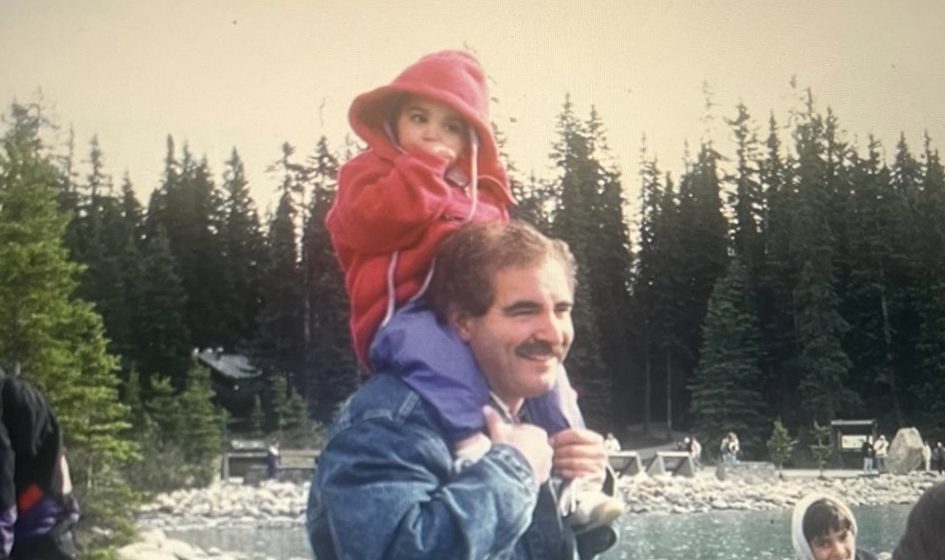
My parents’ life had a huge impact on how I thought about work. My dad became very sick when I was a kid and he was a paraplegic. My mom basically dedicated her life to taking care of him. Seeing all the money that went into that and seeing how little freedom she had made me think a lot about what kind of life I wanted.
I thought about how different it would have been if my mom had a job that allowed her more flexibility and more financial ease. It made me feel this urgency. I felt like I had to build something early so that in the future I could hopefully have a more comfortable life and not end up in a position where I had no choices.
At the same time I was in these studios where my visions were not getting created in any way. I barely had any input. I was really trying to show myself at work, but there were so many other people and so many stakeholders involved that no matter what I did, my full visions never made it through. That feeling, together with what I had lived through with my family, really pushed me toward creating something of my own.
How the Bambini childcare projects began…
My mom’s work is the reason the Bambini projects exist. She started an out of school care program with six children and built it up to about sixty in that center. She owned that center for around twenty years.
Her entire goal was how she could make lasting effects on children, because we are most affected between the ages of zero and six. She wanted those early learning experiences to be special. She followed the Reggio Emilia approach, which is based on the children’s interests rather than preset daytime classroom plans.
So instead of having circle time where everyone sits and reads a book together at a certain hour, they might take the kids on a walk and then come back and do activities based on what the kids noticed. They would build the day around the children’s curiosity rather than around a rigid schedule. That was the environment I grew up watching.
After I finished school I moved to New York. I was kind of miserable at my job and I didn’t like that I had already moved back to North America. I missed Florence and that life. One night my mom called me and said she wanted to do another center, she was going to rent a space, but she needed a designer. She said, since you went to school, maybe you could be my designer this time.
Everyone around me was like, you are going to leave your job in New York to build a daycare for your mom. But it felt right. I knew her, I knew her centers, I had worked there my whole life on summers and field trips, and I understood what she was trying to do with early learning. I thought, I do not know fully how to do this, but I will figure it out.
Designing the Bambini centers…
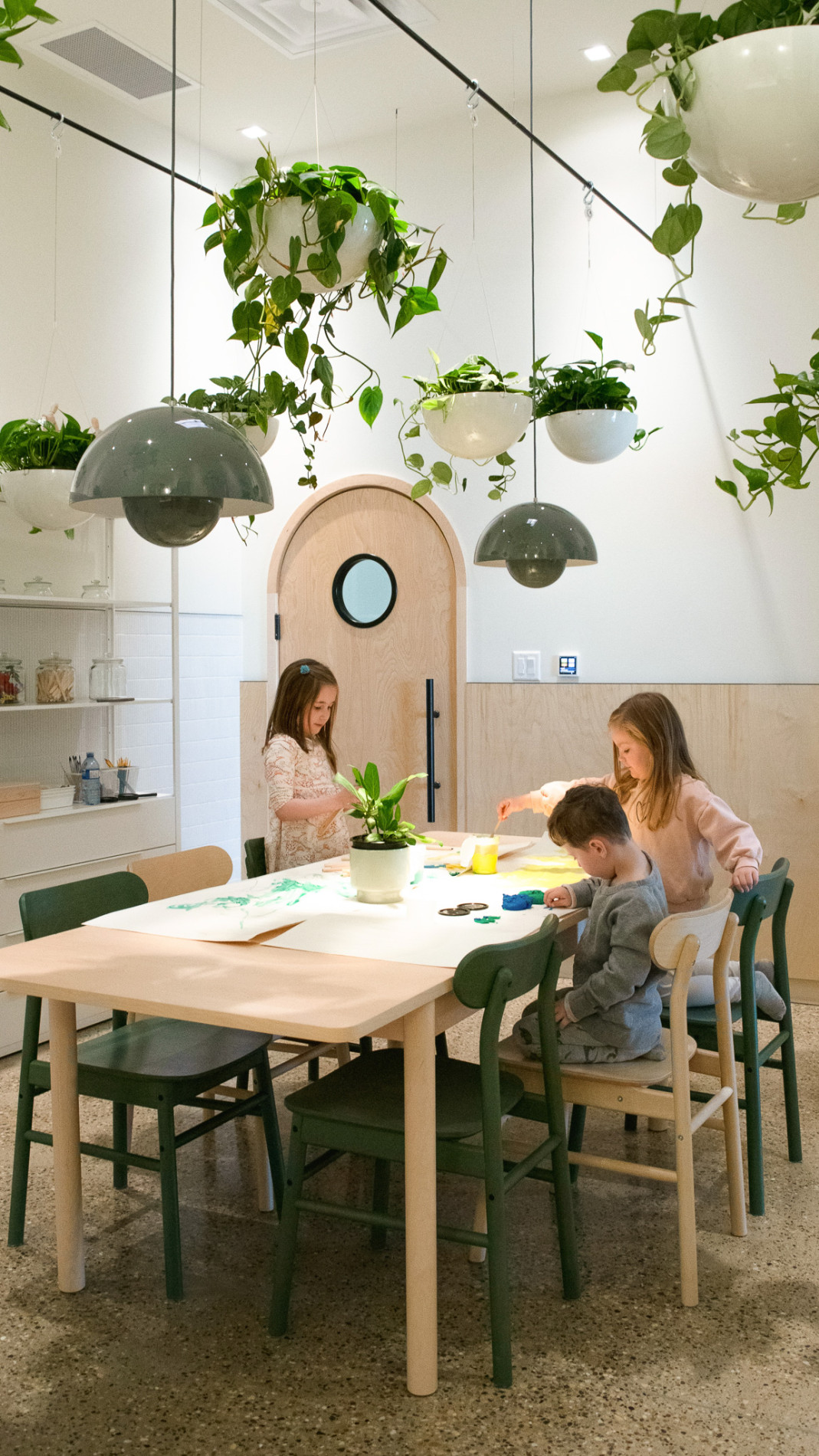
Taking that project as my first building was a gift. I had seen my mom my whole life in her daycare centers, talking about programming and the importance of early learning and the importance of this Reggio approach. She told me she did not think anyone would understand her vision more than me, and I agreed.
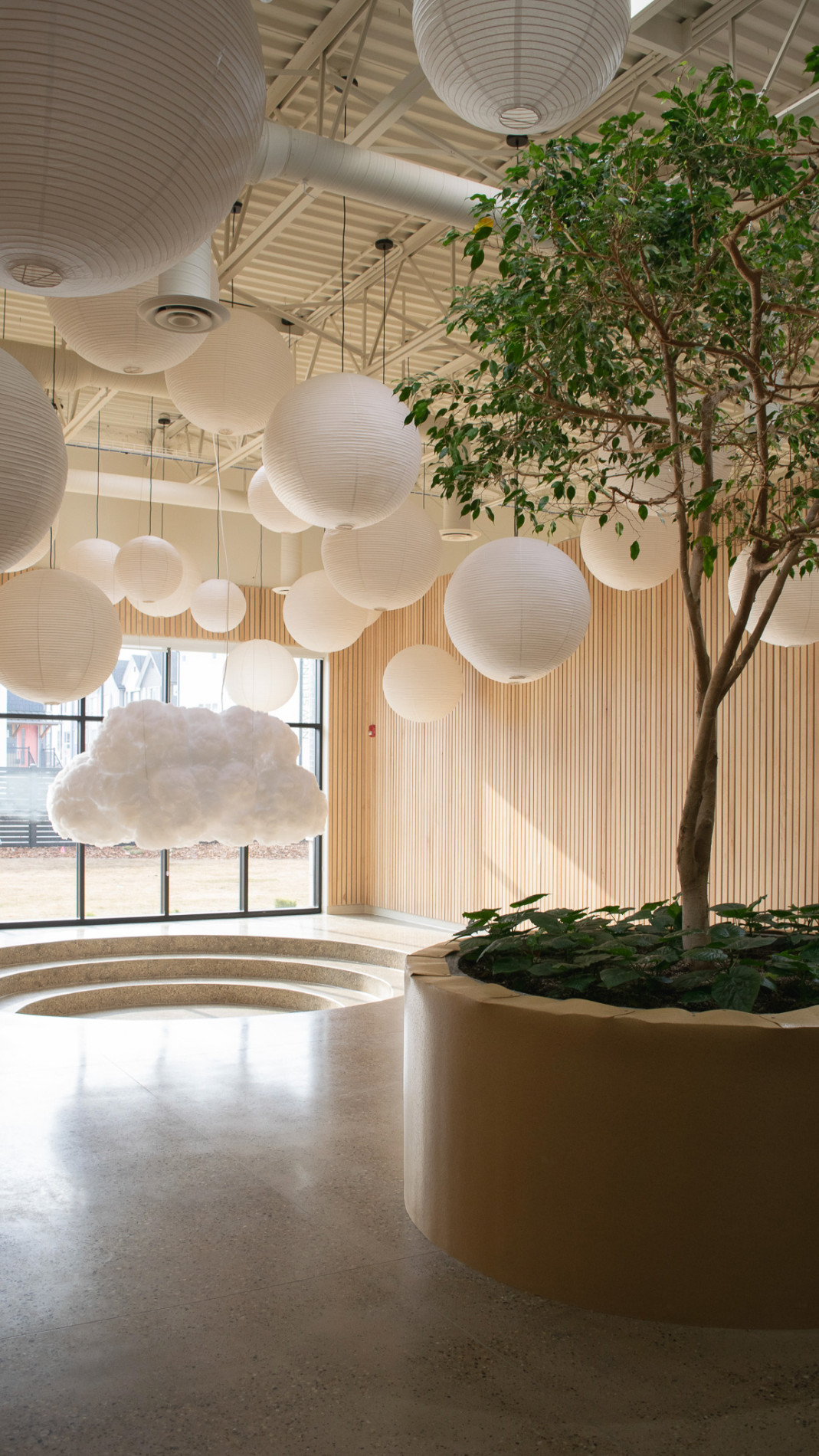
Her vision combined with my dreaminess and romanticisation of architecture at the time was what initiated the concepts. The first thing was asking how we could allow a lot of natural light. I grew up in schools with very harsh fluorescent lighting where I would leave with a headache. I thought, no, we need to change that. This does not make sense. We have to get to the rawness of childhood and that curiosity, and then build from there. We can figure out logistics after.
These were new builds, so we had the chance to talk with the developers at the beginning. They would say, this is what we are building, and ask if there was something we would do to make it more Bambini. I would say, let’s expand these windows and make them floor to ceiling instead of little boxes. Maybe we can add some skylights. Before you pour the concrete, let’s design some structures into it, like the conversation pit or other elements, so we can integrate them into the building rather than adding them later.
A big part of my mom’s business and her way of connecting children with these raw, analog things in childhood was wooden toys instead of bright plastic toys. So I thought we needed a lot of natural wood around, and maybe not paint all the walls super bright colors. The space itself could be calm and tactile, and the children could bring the color and energy. All of that was directly connected to her philosophy and my own feelings about space.
What I hope to do in the future…
With Bambini I ended up doing everything from scratch and really immersing myself in the design process, which is rare. I enjoy that process so much. There is another center that has been postponed a bit and should be opening soon, which is exciting.
I do not know if I will just design daycares. I like the idea of continuing to do projects where I can be that involved, whether that is more centers or residential work. What matters is that I can be present from the beginning and shape something that feels honest.
How my social media presence started…
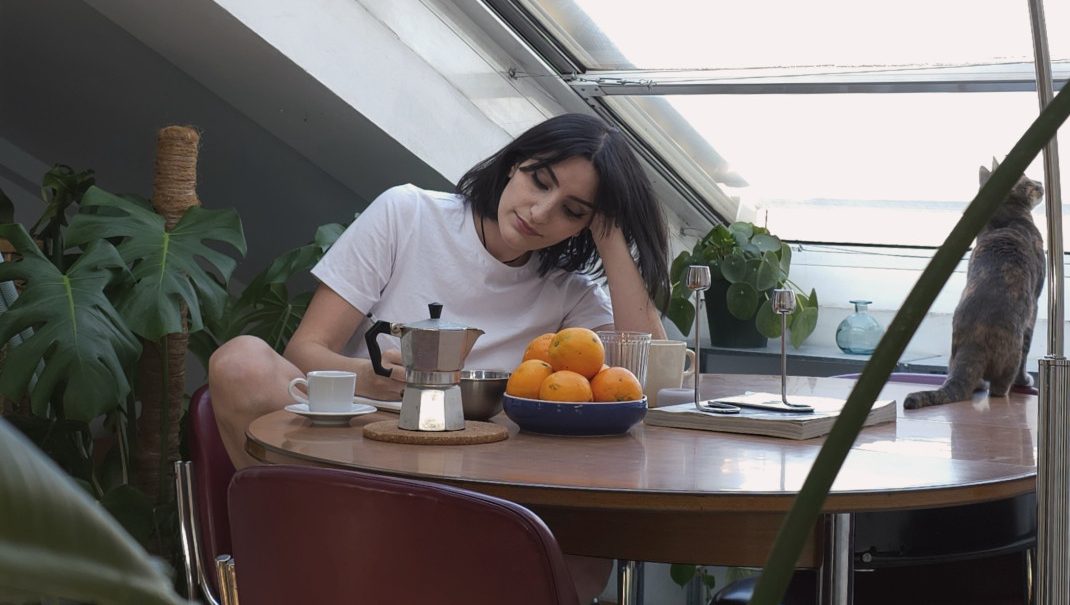
It all started really simply. When I finished that first Bambini project, I took a video of one of the classrooms and posted it on TikTok. I said, I just designed this childcare center, I am going to give you a little tour of this classroom. People on TikTok really liked it. They thought it was cute and asked where I got the toys and all those details.
Up until then I was used to seeing designers post these final images of a space after it had been in progress for years. I was not seeing the process or hearing people talk about why they made decisions. Sharing a casual video of a space that had just been finished felt different.
From there I started showing more. I would show my apartment, or how I styled something, or explain why I put certain pieces together. It grew slowly, but it opened a lot of doors and showed me that people were interested in seeing design from the inside, not just the perfect final shot.
Sharing design with the general public…
I think a lot about how to speak to people who are not designers. My content is more about being the expert and offering a helping hand, inspiration or education so people can do things themselves.
A big part of that is showing that good design is not about money. When I finished school and moved to Europe I had no money. I would buy second hand furniture on Facebook Marketplace. The table I am on right now was about two hundred euros. I had to keep messaging them asking them to hold it for me because I did not have the money yet.
I wanted to show people that I am telling you, good design is not about money. It is about connecting with yourself and understanding what makes you feel this passion in your everyday space. We should want to feel connected and inspired by the things around us.
Sometimes I get messages from people saying they bought a shelf from Ikea that I talked about and it looks so good in their space, and it was only twenty dollars. That makes me so happy because then I feel like they are getting it. It really is not just about money.
What taste means to me…
When someone shows me a piece of furniture or decor, I will often ask, why are you choosing that. Is it because you have seen it around a lot. I try to dig into that subconscious part that asks what your reasoning is and if you feel connected to it in some way.
When I am shopping for furniture, especially for my home, it can be as simple as a love at first sight feeling. When I am at a vintage market and I see a piece that calls to me, I know immediately. It is not logical. It is just something I feel.
I do not know if people are born with taste or if it develops, but I definitely do not think we are taught it outright, not in school. Design education teaches you tools and references, but that inner sense of what feels right comes from paying attention and being honest with yourself.
Pushing clients beyond safe choices…
There was a friend of mine who was doing her kitchen. She wanted everything white because she thought it was safe and more neutral for resale. I told her, you might regret it in a couple of years. Maybe you will not, maybe it will stay a clean slate that you never get sick of, but knowing her taste I felt like something else would be better.
I showed her this blue backsplash tile and said, I think this would look really good in your house and with your taste. Immediately she said no, that is insane, no one has a blue kitchen, I will never be able to sell my house. It took some time, I was not forcing it, but I kept nudging it.
She ended up going with it, and now everyone who comes to the house says it is so beautiful. She tells me she loves it and it makes her happy every time she wakes up and makes her coffee. That is the part I love, because it shows how sometimes people just need someone to encourage them to trust what they really like.
What other designers can take from social media…
At the beginning I had rules for myself. I said I would never talk on camera, I could not listen to my own voice, I did not want to see myself. I could not even watch my own videos because it felt so cringe. Over time I realized that if I wanted to expand, I would have to start doing those things.
You have to put yourself in the other person’s perspective and ask why they would want to watch you. What can they learn from you. What can they take away that actually helps them. I think that is hard for a lot of creatives and designers because we are working on things we want to show the world in the end, but we do not always know how to share while we are still in the process.
Many deep creatives I know feel kind of isolated from the world. That was my experience. I did not know how to create and share at the same time. Then I realized that if I really want to work at this forever and expand my career, I have to learn to do both somehow. Part of that is dissolving the ego that is worried about being judged and focusing instead on being useful.
Learning how to edit videos, understanding what people want, how the algorithm works and what it favors while still staying true to yourself is a lot. It can be a whole other job. For me it has been worth it, but I think it is important not to get lost in making content just for the algorithm.
How I feel about AI in design…
With AI I feel two things. On one side it is impressive and helpful for certain tasks. On the other side I am afraid of losing the process that makes design what it is.
People always ask me why I still use AutoCAD. They tell me AutoCAD is so old, that I could do everything in Revit and other programs, from 2D to 3D and renders, all in one place. I know all of that, but AutoCAD gives me a process. Maybe fifty years ago people would be dying to have AutoCAD because they were drawing everything by hand, but for me it is still a way to slow down.
When I work in AutoCAD I am in this dark hole and I have to make everything from scratch. There is something meditative about that. I think that will be missing if AI fully takes over design.
If I could urge other designers to do anything right now, it would be to not fully give in to a program that can make everything for you in twenty four hours. I think about how in high school I had to write essays myself, and if I had ChatGPT then it would have been easier, but I needed to suffer a bit and learn how to think and write. It is the same with design. The struggle and slowness of the process teach you something you cannot get any other way.
Whether my career looks like I imagined…
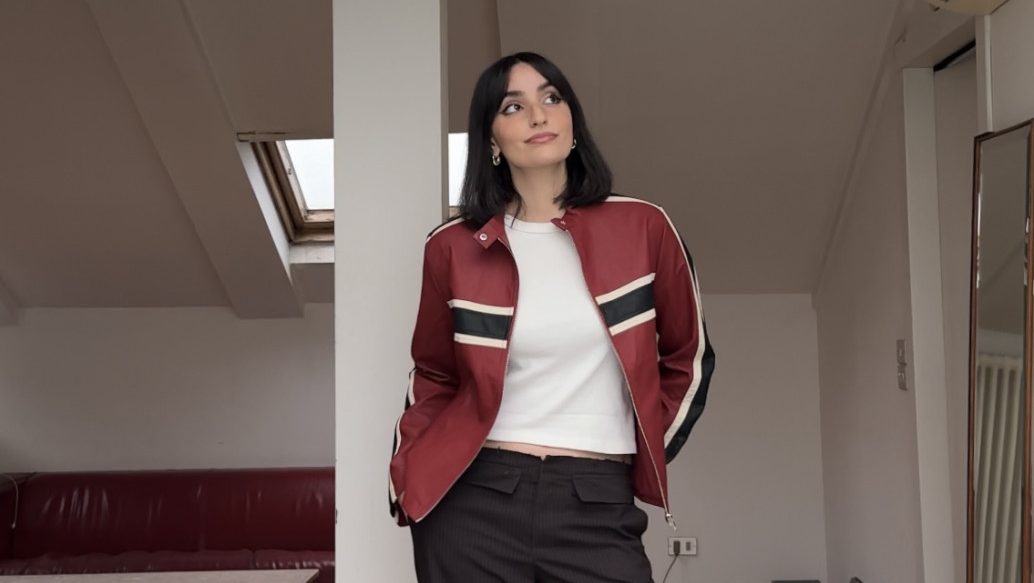
I am very shocked at where I am, in multiple ways. I did not know anything would happen, good or bad. I do not know if there was ever a full plan. As a kid I just wanted to play music. I thought maybe I would be in a jazz band my whole life, not make any money and never have a pension.
Now I am always asking how I can do this in the most me way, so I stay passionate and still feel that drive from what I am doing because I love it so much. I know for sure that I cannot do anything half assed. If I do not care deeply about something, I just will not do it.
I can only work off passion and motivation. I have had so many jobs and I know what it feels like to be disconnected from what you are doing. Aside from getting the dopamine of having constant things happening every day, I think what keeps me going is that this feels like some kind of purpose.
I think it is very important to have purpose. One thing this work has given me is purpose. I am sure my next level of purpose will be when I have children. I like to surround myself with purpose, so maybe that is what all of this was meant to be in the first place.
Search for architecture and design jobs here
Latest architecture and design jobs around the world

Looking to hire top talent
 or advance your career? Let's talk.

We connect exceptional firms with talented professionals.
Let’s discuss how we can help you achieve your goals. Get in touch with the team today.
Related Posts

Kossy Nnachetta on retrofit and reuse, client advocacy, and the next generation setting the pace.
Here is what our industry experts have been seeing in Adelaide
Anticipating future hiring needs can be challenging for an architecture firm or design studio. Employers can always benefit from recruitment planning, even before new vacancies materialise.
Whether you have a large project on the horizon or not, the need to recruit employees will fluctuate at times. Having good practices and strategies in place can help you be more agile when new staffing requirements arise.