




The 5 Step Interview Process for Hiring TOP Architects and Designers
We break down the full employer interview process for architecture and design studios, built around five key steps.
Architecture and design is a small sector with a long memory. In a discipline where a career can span forty years, a poorly handled hour in a meeting room can haunt a practice for a decade. A candidate who feels “low-balled” or “ghosted” as a graduate may become the senior associate you desperately need seven years later, only to refuse the interview because of a sour taste left years prior.
Hiring is a high-stakes representation of your brand. A great process is a well-oiled machine that respects the candidate’s time and experWe break down the full employer interview process for architecture and design studios, built around five key steps. tise.
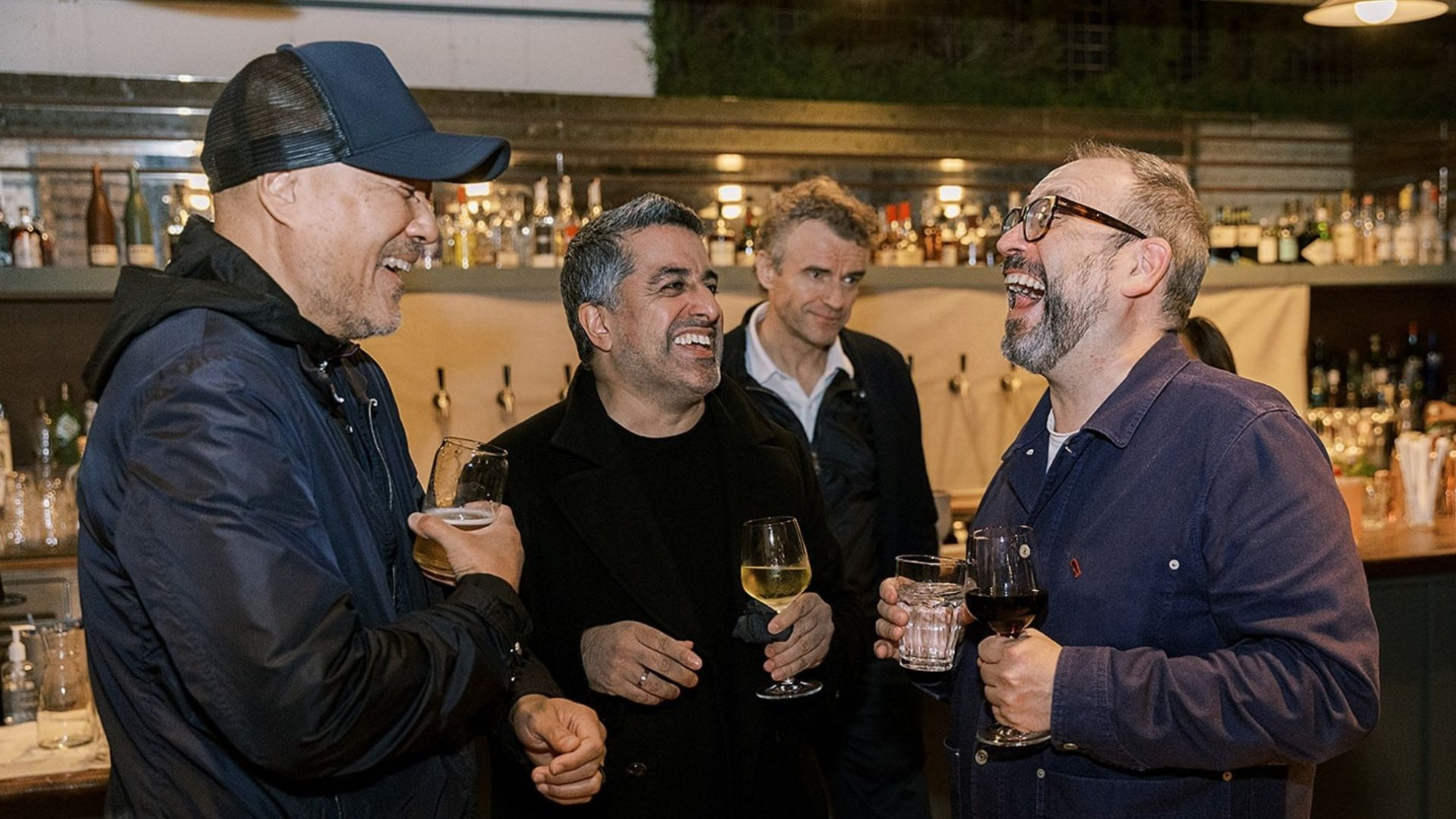
Bespokers Ryan Barton, Krista Shearer, Georgie Brice and Luke Russo broke down the 5 steps to a great interview process within architecture and design.
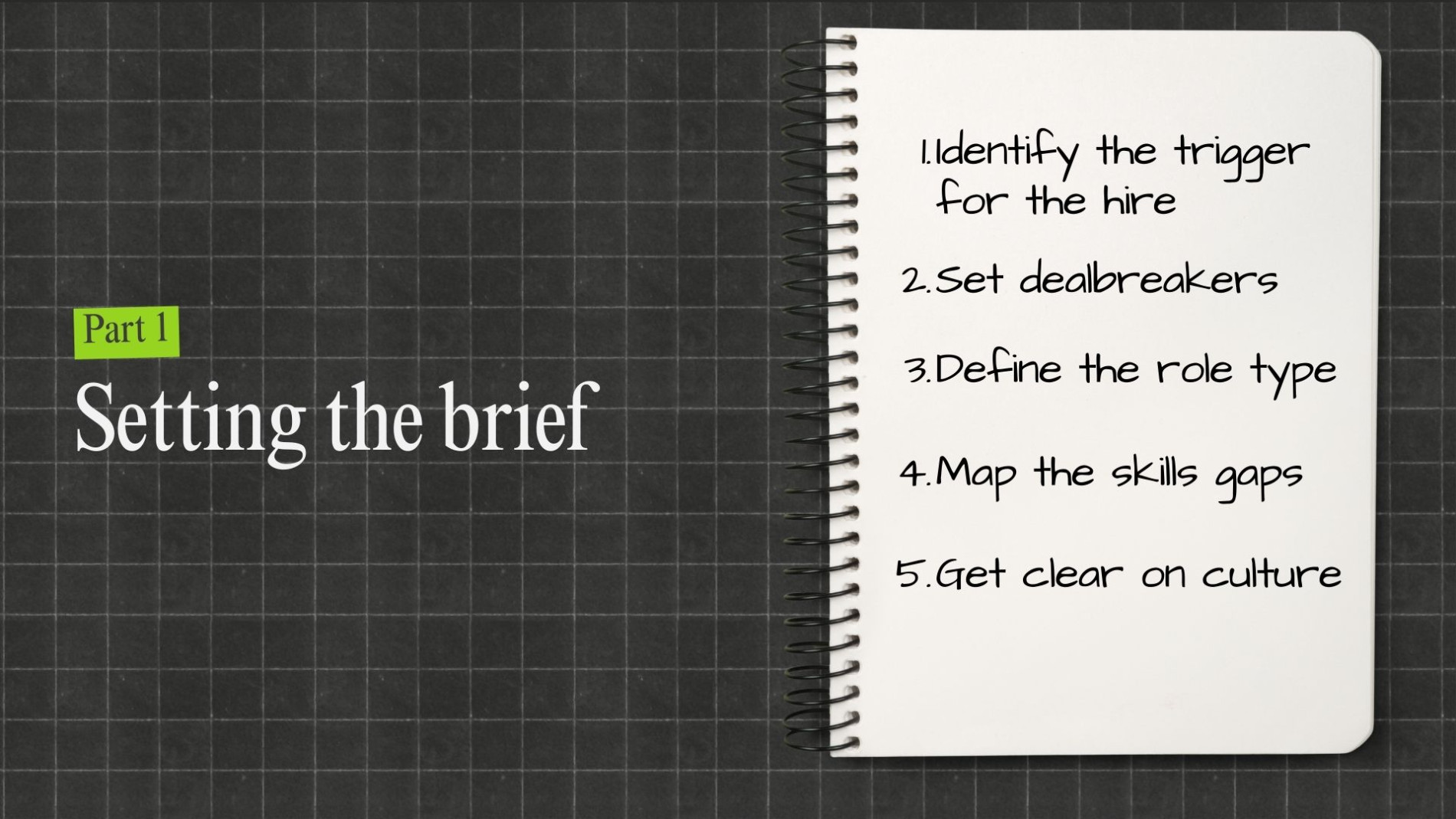
1. Setting the Brief
Precision at the start prevents friction at the end. You must identify the specific trigger for the hire: is this a backfill for an existing role, or a new strategic position that requires a different cultural addition?
Map the technical skills gaps clearly. If the studio runs on ArchiCAD and the candidate only knows Revit, decide upfront if you have the capacity for upskilling. Define your dealbreakers early, whether it is specific sector experience like healthcare or a particular level of technical documentation proficiency, so you aren’t wavering during the final decision.
2. The Setup and Journey
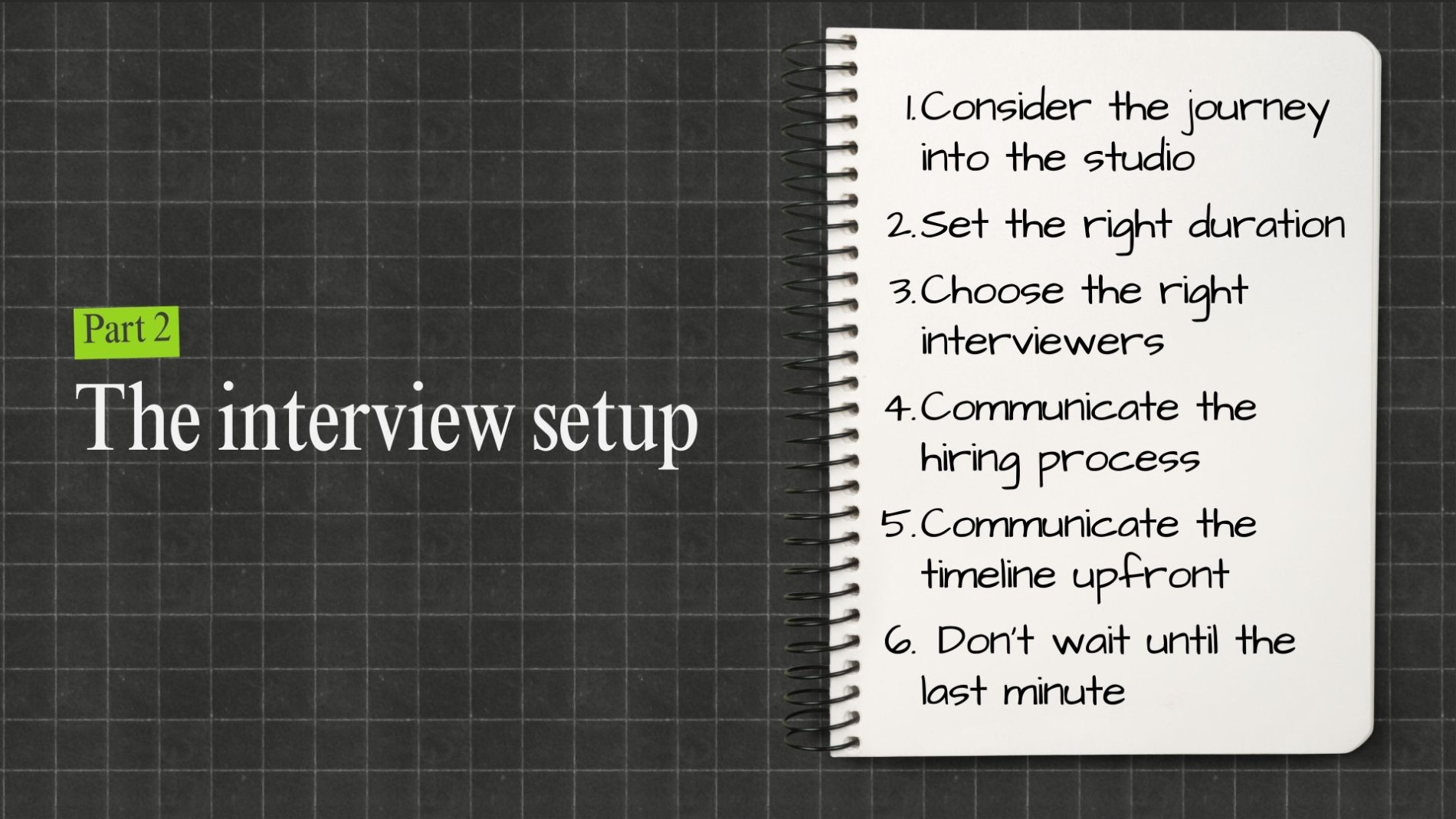
The interview begins the moment the candidate arrives at your door. Consider the “journey” into the studio; avoid parading a nervous candidate through an open-plan office where they might encounter former colleagues or friends. Use a discrete meeting room near reception to maintain their confidentiality.
Preparation is a mark of respect. Research the candidate’s portfolio and LinkedIn profile beforehand so you can ask thoughtful, incisive questions rather than wasting time on basics they have already provided. Finally, communicate the timeline immediately. Whether it involves three stages or a psychometric test, the candidate should know the roadmap from the first five minutes.
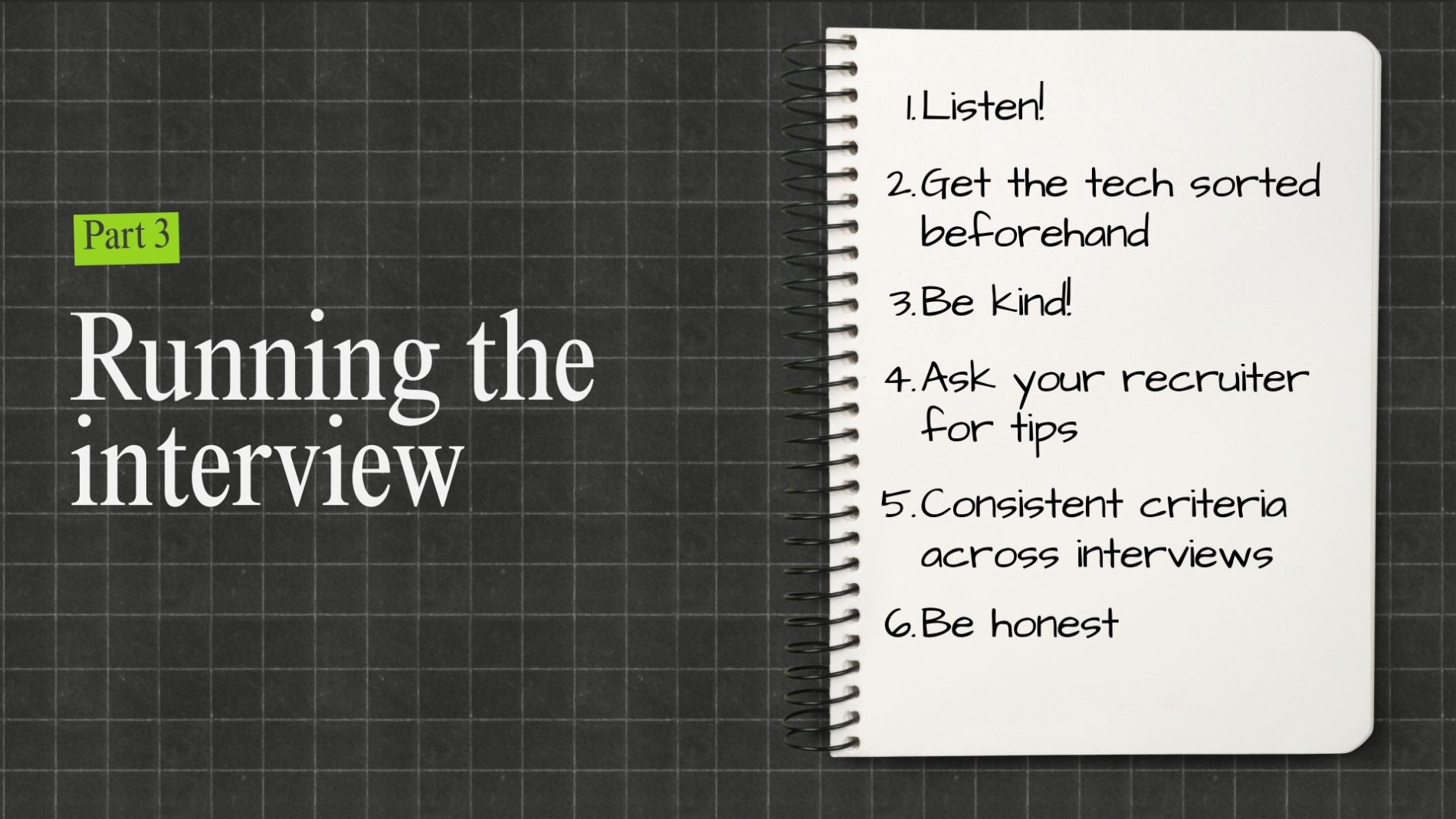
3. Running the Interview
An interview is a two-way street, not a monologue. A common failure is the “director’s sales pitch,” where the candidate is left with no time to discuss their own work.
-
Give the candidate ample time to walk through their folio.
-
Ensure screens and cables are ready. Spending ten minutes fumbling with AV equipment kills the momentum and increases candidate anxiety.
-
Include the direct manager, but keep the numbers sensible. A panel of six people can be intimidating and counterproductive.
-
Use a standardised set of criteria to measure candidates against each other fairly.
4. The Debrief and Feedback
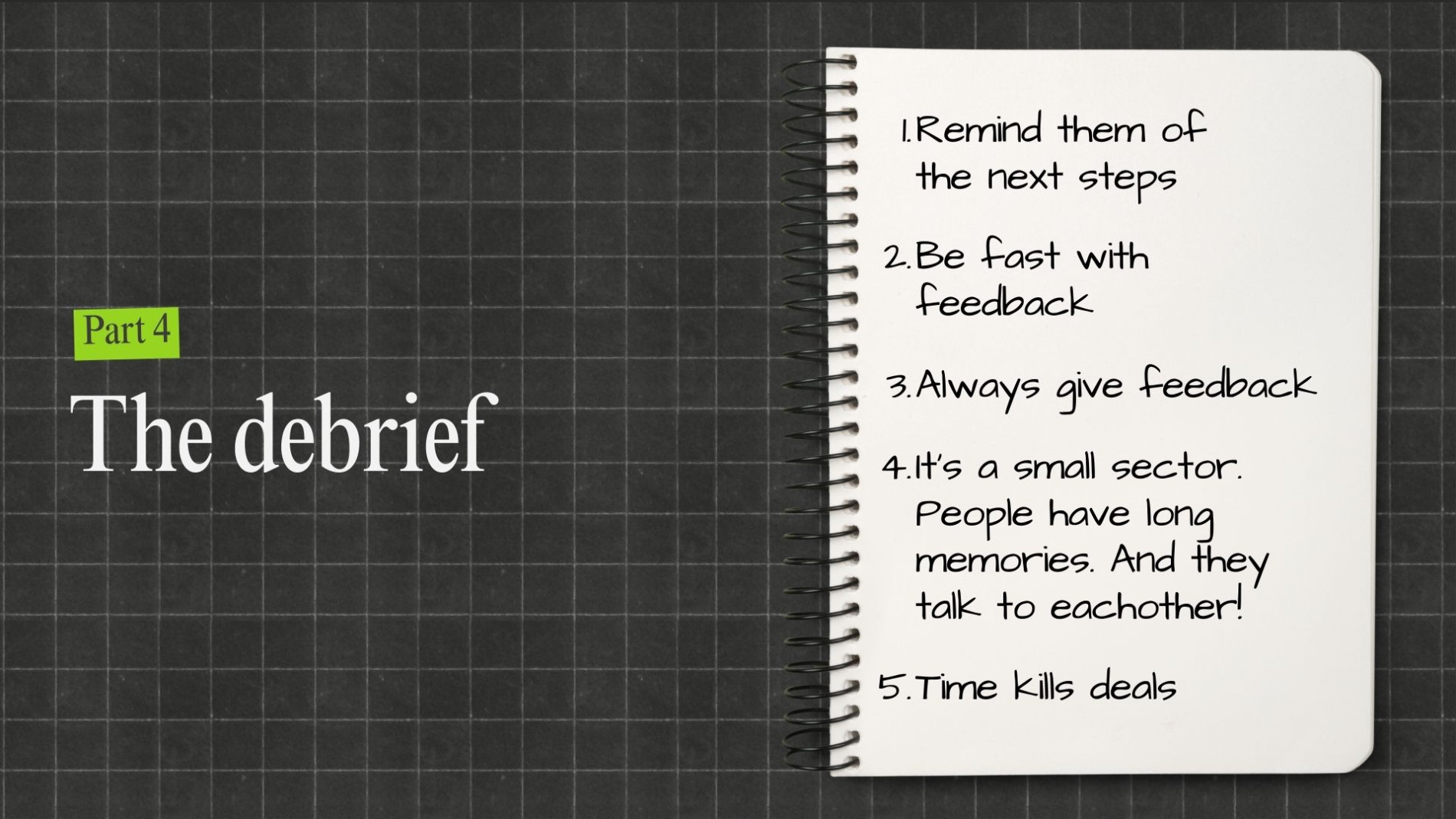
“Time kills deals”. In a market where top talent often holds multiple offers, silence is your greatest enemy. Even if a decision hasn’t been made, provide an update.
Never “ghost” a candidate. In a sector where people talk to each other, a lack of feedback doesn’t just lose you one hire; it damages your reputation across the wider talent pool. If the answer is no, be kind and honest. A positive rejection can still leave a candidate wishing they could work for you in the future.
5. The Offer and Close
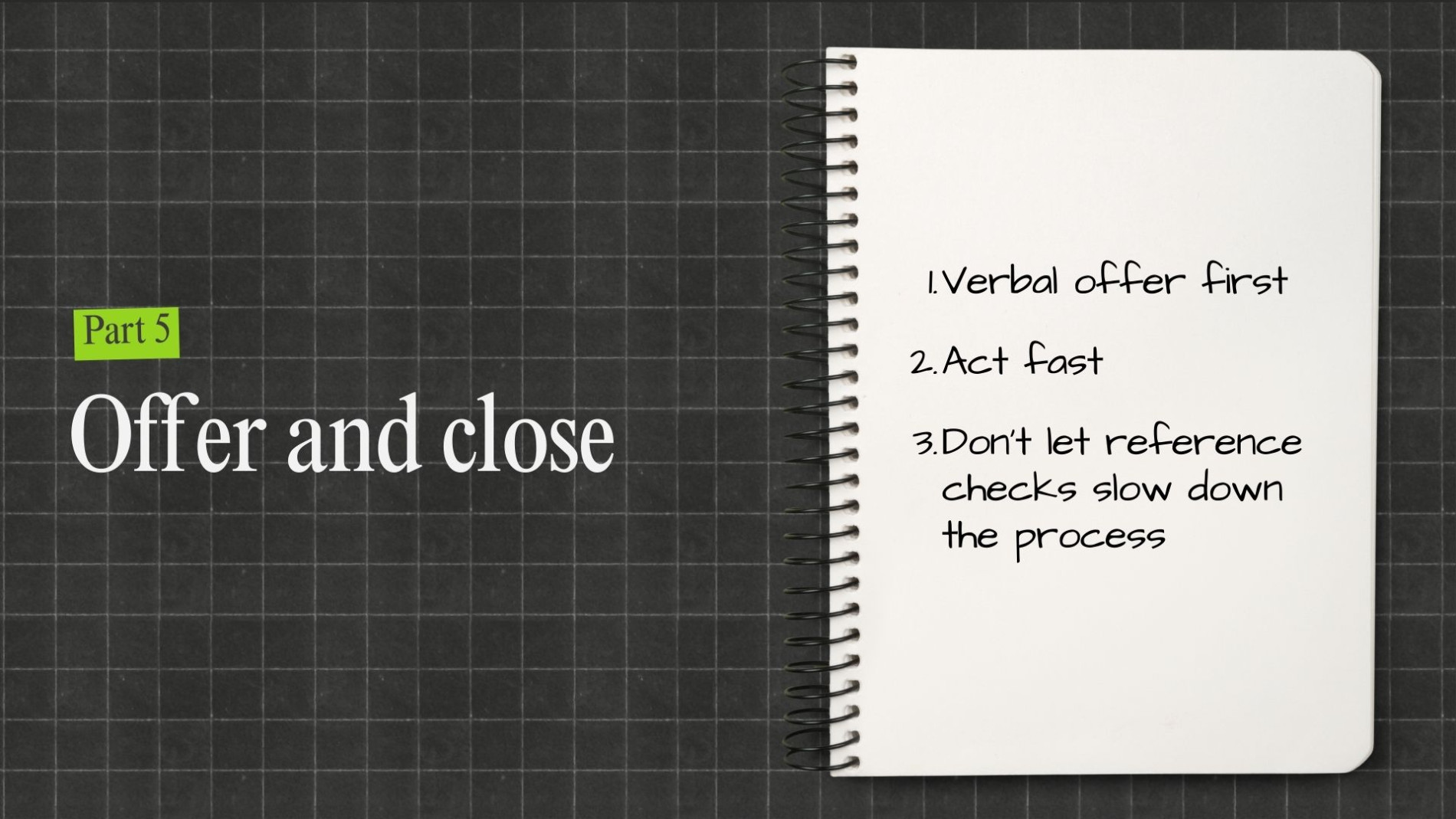
When you find the right person, move with conviction. Trust your gut rather than waiting to see “what else is out there,” as delay often results in losing the best candidate to a more decisive competitor.
Start with a verbal offer to align on terms, then follow up immediately with the formal contract. Do not let administrative paperwork or slow reference checks stall the process; if necessary, make the offer “subject to references” to keep the momentum alive.
Search for architecture and design jobs here
-
Architecture
-
All Architecture
Select sub classifications-
Senior Architectural Technician
-
Intermediate Architect
-
Junior Architect
-
Senior Design Manager
-
Associate Director
-
Architectural Technician
-
Design Manager
-
Associate
-
Director
-
Graduate jobs
-
Senior Architect
-
-
Landscape & Urban Design
-
All Landscape & Urban Design
Select sub classifications-
Senior Landscape Technician
-
Landscape Technician
-
Senior Landscape Architect
-
Intermediate Landscape Architect
-
Junior Landscape Architect
-
Strategic Planner
-
Senior Strategic Planner
-
Associate Director
-
Principal
-
Associate Landscape Architect
-
Associate Planner
-
Senior Statutory Planner
-
Statutory Planner
-
Senior Urban Planner
-
Urban Planner
-
Senior Associate Landscape Architect
-
Graduate jobs
-
-
Strategic Appointments
-
All Strategic Appointments
Select sub classifications-
CFO
-
Sector Lead
-
Associate Principal
-
COO
-
Design Director
-
Head of Business Development
-
Technical Lead
-
Associate Director
-
Design Lead
-
Principal
-
Director
-
Partner
-
Managing Director
-
Graduate jobs
-
-
Interior Design
-
All Interior Design
Select sub classifications-
Director
-
Junior FF&E Designer
-
Senior Interior Architect
-
Interior Architect
-
Junior Interior Architect
-
Senior Interior Designer
-
Intermediate Interior Designer
-
Junior Interior Designer
-
Associate Director
-
Associate
-
Intermediate FF&E Designer
-
Senior FF&E Designer
-
Graduate jobs
-
-
Architectural & Interior Products
-
All Architectural & Interior Products
Select sub classifications-
Junior Account Manager
-
Specification Manager
-
Procurement Coordinator
-
Showroom Manager
-
Showroom Assistant
-
Sales Representative
-
Procurement Manager
-
Sales Support
-
Marketing
-
Sales Manager
-
Business Development Manager
-
Account Manager
-
Production Manager
-
Project Manager
-
Graduate jobs
-
-
Business Support
-
All Business Support
Select sub classifications-
Studio/Practice Management
-
Project Manager/Coordinator
-
Graphic Design
-
Bid Specialists
-
Document Control/Project Admin
-
Marketing & Communications
-
PA/EA
-
Reception/Front of House
-
Facilities
-
IT
-
Administration
-
Operations
-
Finance
-
HR
-
Business Development
-
Graduate jobs
-
-
Jobs at Bespoke
-
All Jobs at Bespoke
Select sub classifications-
Graduate jobs
-
Recruiter
-
Team Coordinator
-
Other
-
Latest architecture and design jobs around the world
NSW
$130,000 - $150,000
Permanent
Award winning studio looking to grow established BIM team
Learn MoreVIC
$90,000 - $95,000
Permanent
Join a leading design studio shaping timeless, high-end residential interiors
Learn MoreDistrict of Columbia
$115,000 - $150,000
Permanent
Lead complex projects and drive design, delivery, and team performance within a collaborative studio
Learn MoreNew York
$10,000 - $135,000
Permanent
Award Winning International Design Firm looking for talented Landscape/Urban designers.
Learn MoreNorth West England
$45,000 - $55,000
Permanent
An excellent opportunity to join a well-established, award-winning architecture and building consultancy with a strong national presence and diverse p ...
Learn MoreNorth West England
$38,000 - $45,000
Permanent
Newly created role for a busy, well established architecture practice in the heart of Manchester city centre.
Learn MoreLondon
$60,000 - $75,000
Permanent
Exciting hospitality projects - Popular Hybrid Studio
Learn MoreTAS
$80,000 - $110,000
Permanent
Join a Leading Design Studio – Architect or Interior Designer
Learn MoreVIC
$80,000 - $90,000
Permanent
Shape a high performing office environment on a part time basis
Learn MoreVIC
$150,000 - $160,000
Permanent
Lead finance in an architecture practice that delivers landmark projects in Australia
Learn MoreVIC
$60 - $60
Contract
Contract Interior Documenter, High-End Retail, Immediate Start
Learn MoreTexas
$105,000 - $120,000
Permanent
Project Architect | Design-driven Architecture Firm | Austin TX
Learn MoreTexas
$80,000 - $100,000
Permanent
Project Coordinator | Central Texas Commercial Architecture firm
Learn MoreNorth West England
$45,000 - $50,000
Permanent
Fantastic opportunity for a Senior Architect looking for progression to join a long established studio in Manchester.
Learn MoreNSW
$85,000 - $110,000
Permanent
Award winning design studio looking for ambitious architects and graduates to support immediate project needs - Multi-residential focus.
Learn MoreTexas
$75,000 - $95,000
Permanent
Design healthcare environments that make a real impact.
Learn MoreTexas
$120,000 - $140,000
Permanent
Drive high-profile healthcare interior projects.
Learn More
Looking to hire top talent
 or advance your career? Let's talk.

We connect exceptional firms with talented professionals.
Let’s discuss how we can help you achieve your goals. Get in touch with the team today.
People also searched:
Browse Jobs by Location
London | Sydney | Melbourne | Brisbane | Adelaide | Perth | New York | Los Angeles | Austin | Dallas | Washington DC | Manchester | Auckland
Browse Jobs by Category
Architecture | Interior Design | Landscape & Urban Design | Business Support | Architectural & Interior Products | Strategic Appointments | Contract
Popular Searches
Architecture Jobs in London | Architecture Jobs in Sydney | Architecture Jobs in New York | Architecture Jobs in Melbourne | Architecture Jobs in Austin | Interior Design Jobs in London | Interior Design Jobs in Sydney | Interior Design Jobs in New York | Interior Design Jobs in Melbourne | Landscape Jobs in Sydney | Landscape Jobs in Melbourne | Architecture Jobs in Los Angeles | Interior Design Jobs in Los Angeles | Architecture Jobs in Dallas | Interior Design Jobs in Dallas | Contract Jobs in London | Contract Jobs in Sydney | Contract Jobs in Melbourne
Related Posts

Jimmy Bent is all about culture. After nearly 20 years as the heart of Bespoke’s company culture, Jimmy shares his journey in Episode 4 of the Bespoke Careers Employer Branding Playbook.