Does anyone actually plan their built environment comms career?
Roshan Dsouza investigates how anyone gets into built environment comms, and shares four tips for finding your way in.

Roshan Dsouza leads communications for global heritage architecture practice Purcell and serves on the steering committee of the BuildUp Network. As an advocate for outreach, he has also facilitated architectural writing and digital marketing workshops for young people through the likes of RIBA UK, Beyond The Box CIC and Blueprint for All. Here, he shares some reflections and practical advice for aspiring comms professionals looking to break into architecture and the wider built environment.
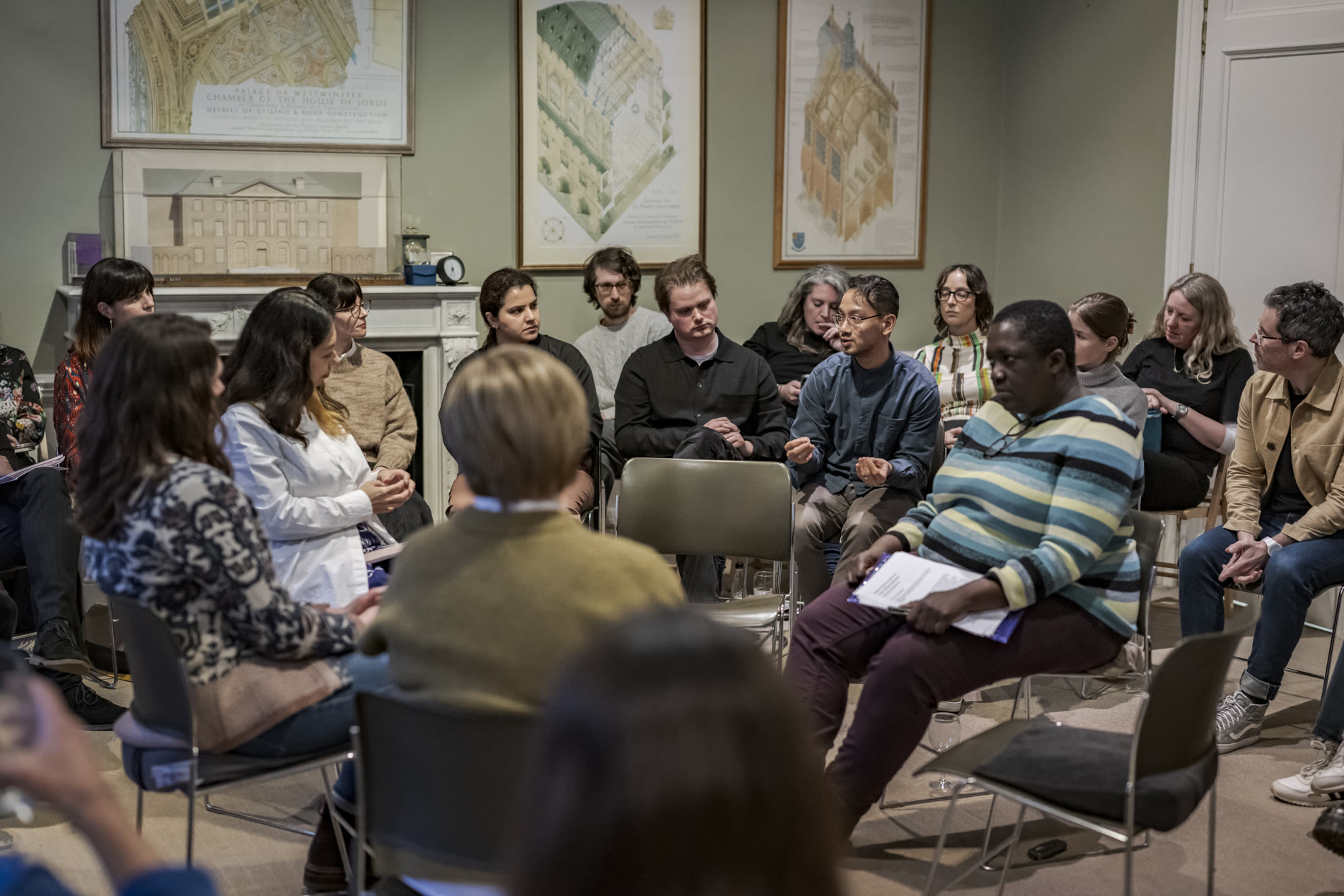
“How did you get into this industry?” It’s a question I’m often asked when mentoring junior comms professionals and graduates looking for their next opportunity.
A recent NLA report notes how the built environment contributes to 24% of Great Britain’s total GVA (£568 billion) and employs 12% of the workforce (approximately 3.8 million people) yet somehow remains hidden in plain sight. For a sector in permanent dialogue with government, communities and a myriad of stakeholders, it’s surprising how little awareness there is of the wide range of careers it supports, particularly within communications.
The truth is that a career in built environment comms is rarely an obvious or a linear path, at least in my experience. Unless you were savvy enough to nab that entry level comms assistant role from the very beginning or transitioned from a design background, the reality is that most discover the profession by chance and spend years figuring out where they fit.
Let’s also address the elephant in the room: those from ethnic minority groups or disadvantaged socio-economic backgrounds have even fewer chances to access all the wonderful opportunities on offer. We often underestimate the impact that mentoring, work experience and informal guidance can have on someone trying to build their network.
I remember feeling perplexed early in my own career as I desperately wanted to work in architectural communications but found the profession to be quite insular. In some ways, it still is with many practices seemingly preferring to hire candidates with an architecture/design background, potentially discounting those who have genuine passion but lack the immediate intel or contacts required. We’re also missing out on young talent with rich lived experiences who bring creative thinking to emerging challenges.
How can one get a foot in the door then?
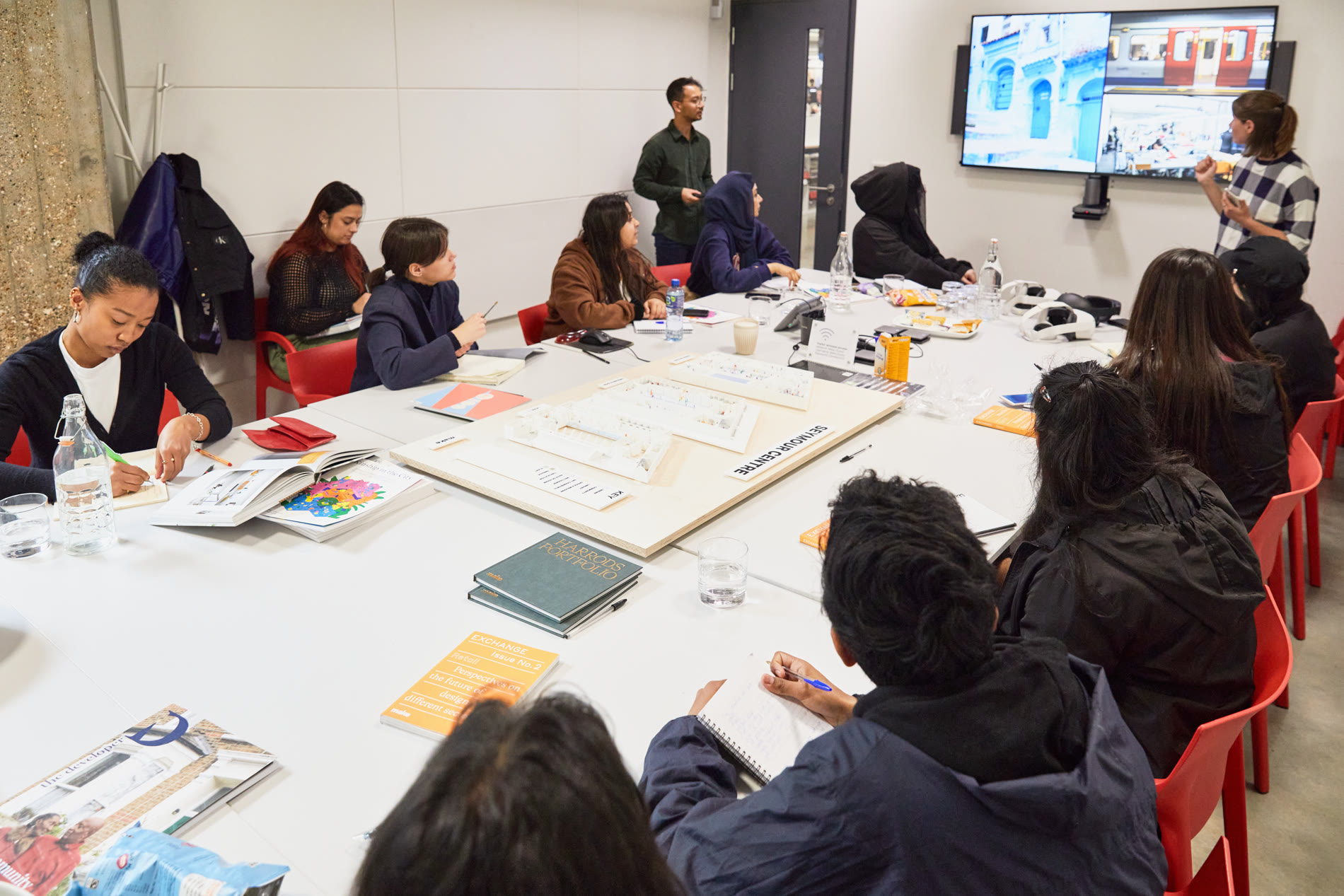
For context, my own route wasn’t conventional. Prior to architecture, I worked in both the legal and recruitment sectors. Today, I lead PR and communications for an AJ100 architecture practice ranked No. 1 for Heritage in the World Architecture 100. Having mentored several NextGen professionals along the way, here are my 4 practical tips on finding your way in.
1. Define your why.
I stand by one principle. To thrive in a comms career, you’ve got to live and breathe the subject matter you’re communicating.
Explore the various disciplines within the sector as a starting point: architecture, engineering, planning, real estate, construction, even interior or furniture design. Undoubtedly, the comms deliverables for each will vary; other aspects include specific jargon, the types of publications that senior leadership want coverage in and approaches to storytelling. One might choose to prioritise narratives around heritage, sustainability or social value while others might focus on office leasing trends instead. I’m conscious not to generalise here as they all tend to overlap to some degree.
However, defining your ‘why’ from the outset will prove invaluable throughout the recruitment process, from your CV and cover note (always draft one!) to interviews.
“To thrive in a comms career, you’ve got to live and breathe the subject matter you’re communicating.”
Roshan Dsouza
2. Networking.
I can’t stress that being a well-rounded candidate on paper isn’t always enough in today’s job market. It’s also about who you know, the relationships you build and how you make yourself visible.
With UK vacancies falling by almost 50% in the last year, graduates are currently facing the worst economic prospects since the 2008 financial crisis. How does one possibly encourage emerging comms talent into our industry then? I don’t have all the answers, but I do stand by the fact that opportunities to draft press releases, build media contact lists or conduct research projects remain formative experiences for early career pros that AI tools shouldn’t replace.
Amid fake job adverts and questionable screening processes, one thing that’s never gone out of style is the art of putting a face to the name.
There are some great active networking groups worth joining that bring together comms, PR, marketing, business development and bids professionals. I’d recommend BuildUp, Profile Network, Northern Comms Collective, Taylor Bennett Foundation, POC in Architecture and Regeneration Brainery. Recruitment consultants such as Bespoke Careers also offer valuable impartial advice across varying levels of seniority.
Having a solid support group has been incredibly beneficial for knowledge sharing or general ranting about working as in-house or agency comms professionals (more on that below).
“One thing that’s never gone out of style is the art of putting a face to the name.”
Roshan Dsouza
3. Personal branding with a cause.
Alongside your in-person interactions, I strongly encourage building your unique personal brand on social media. Whether it’s sharing your key takeaways about an industry event, a piece of research you found interesting or a cause you’re passionate about, these small actions pay dividends when it comes to perception as you never know who’s watching from afar.
As a mixed-race third-culture kid who moved to the UK from Darjeeling, India, at the age of 12, I often found myself in environments where I didn’t look or sound like anyone around me. In time, I’ve used this to my advantage and carved a niche for myself. I’m not saying be an influencer, just be authentic.
Utilise LinkedIn to its full potential by connecting with the relevant recruiters, hiring managers and key decision makers who’ll be able to view your profile and content.
Want to take it a step further? Start a blog or visual diary on WordPress, Substack or Medium. Most people say they’re passionate about an issue, but you immediately set yourself apart from the competition when you start writing about the built environment. This also doubles up as your written portfolio, serving as a point of discussion as you progress through interviews.
Many eons ago, I had a blog called The Built Environment Review, it’s now defunct but it gave me a creative outlet to develop a voice and perspective of my own.
4. In-house or agency?
You never know unless you try so you might want to consider the type of working environment that best suits your personality or career goals. Broadly speaking, built environment comms tends to fall into two camps: in-house and agency.
In-house roles involve working within a single organisation and developing a deep understanding of its people, projects and culture. Agency roles typically involve supporting multiple clients across different sectors, often offering greater variety and a faster pace.
Neither route is inherently better. The experiences of each will vary significantly depending on how you like to work, the pace you enjoy and the type of relationships you want to build.
If you’re considering the agency route, I’d recommend South Facing, ING Media, SALT, Goodfellow Communications and Caro Communications.

An unconventional career path breeds a curious, receptive and agile mindset so embrace your diverse personal, professional and educational experiences along the way.
Communicators have a key role to play in telling the stories of our built environment, they just need to be given a chance, especially early career applicants.
Feel free to connect with me on LinkedIn if you have any questions.
“Communicators have a key role to play in telling the stories of our built environment, they just need to be given a chance.”
Roshan Dsouza
Search for architecture and design jobs here
Latest architecture and design jobs around the world


Looking to hire top talent
 or advance your career? Let's talk.

We connect exceptional firms with talented professionals.
Let’s discuss how we can help you achieve your goals. Get in touch with the team today.
Related Posts

We asked 10 leaders and surveyed 57 professionals. The results may surprise you. They certainly surprised me.
We asked a panel of global design leaders for the story of their first project.
You’ve probably seen their work before. You just didn’t know it was them. Cara Stizza and Robyn Levin are the co-directors of Wildflower, a Melbourne studio specialising in furniture selection, procurement and coordination.