What clients actually hire you for… It’s not the design | REVEL CEO Scott Clement
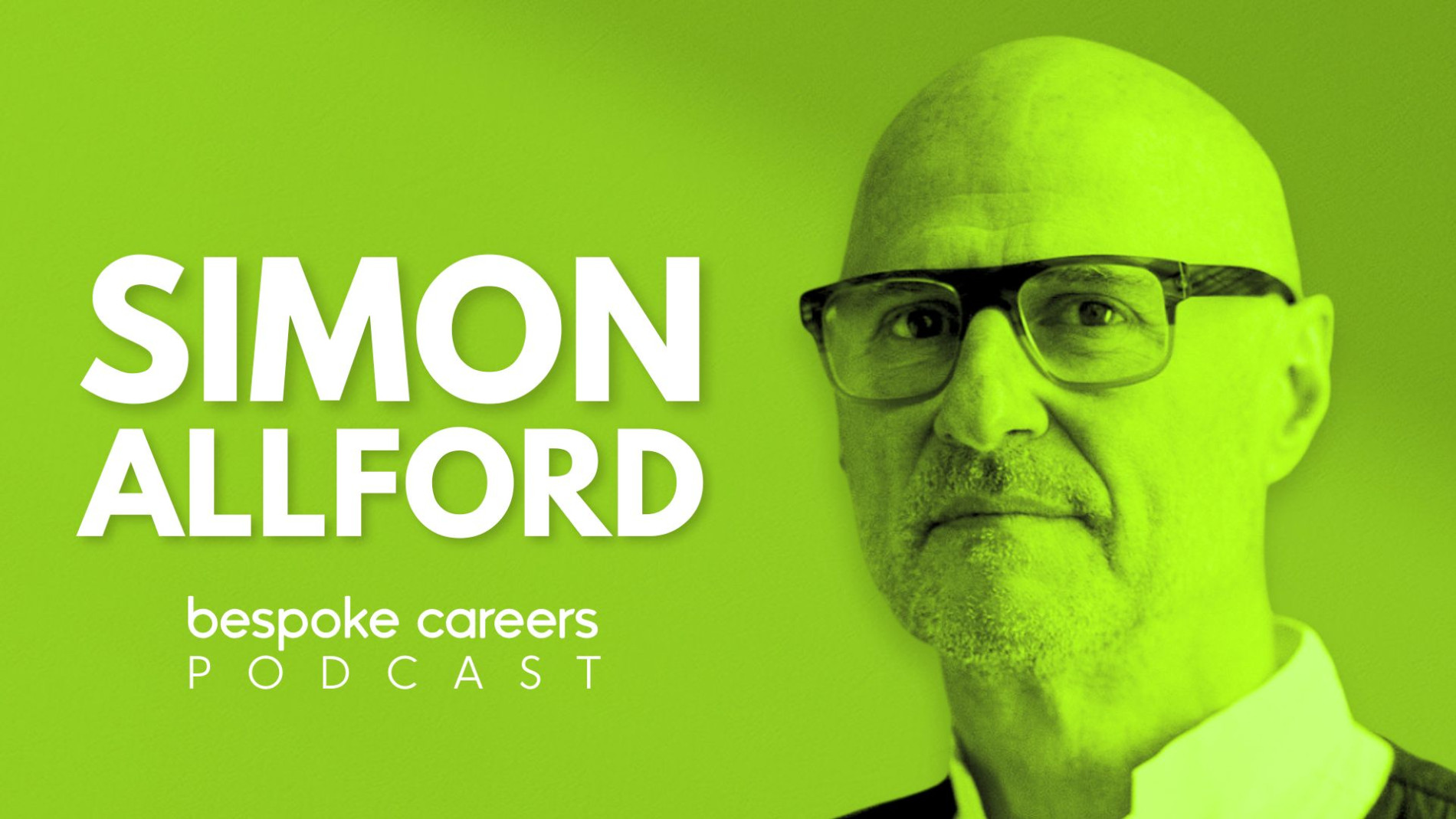
Scott Clement has been in architecture for nearly 30 years. He's now CEO of Revel, a San Francisco studio that grew its team by 50% in 18 months.
Revel Architecture and Design grew its headcount by 50% in 18 months. Scott Clement is the CEO who had to figure out how to do that without breaking what made the firm worth growing in the first place.
He came into the industry as a designer, but it turned out numbers and management came more naturally to him than selecting paint colours. Over 30 years he built a career around the parts of architecture that rarely get taught: project management, delivery, client relationships, running a business. He joined Revel as a partner about 10 years ago, and has spent the years since building the systems, the culture, and the leadership pipeline that allow the firm to scale.
This conversation covers what happens when a firm hits the 60-to-70-person wall, how Revel hires for values over portfolio, and why the most valuable thing an architect brings to a client has nothing to do with a beautiful drawing.
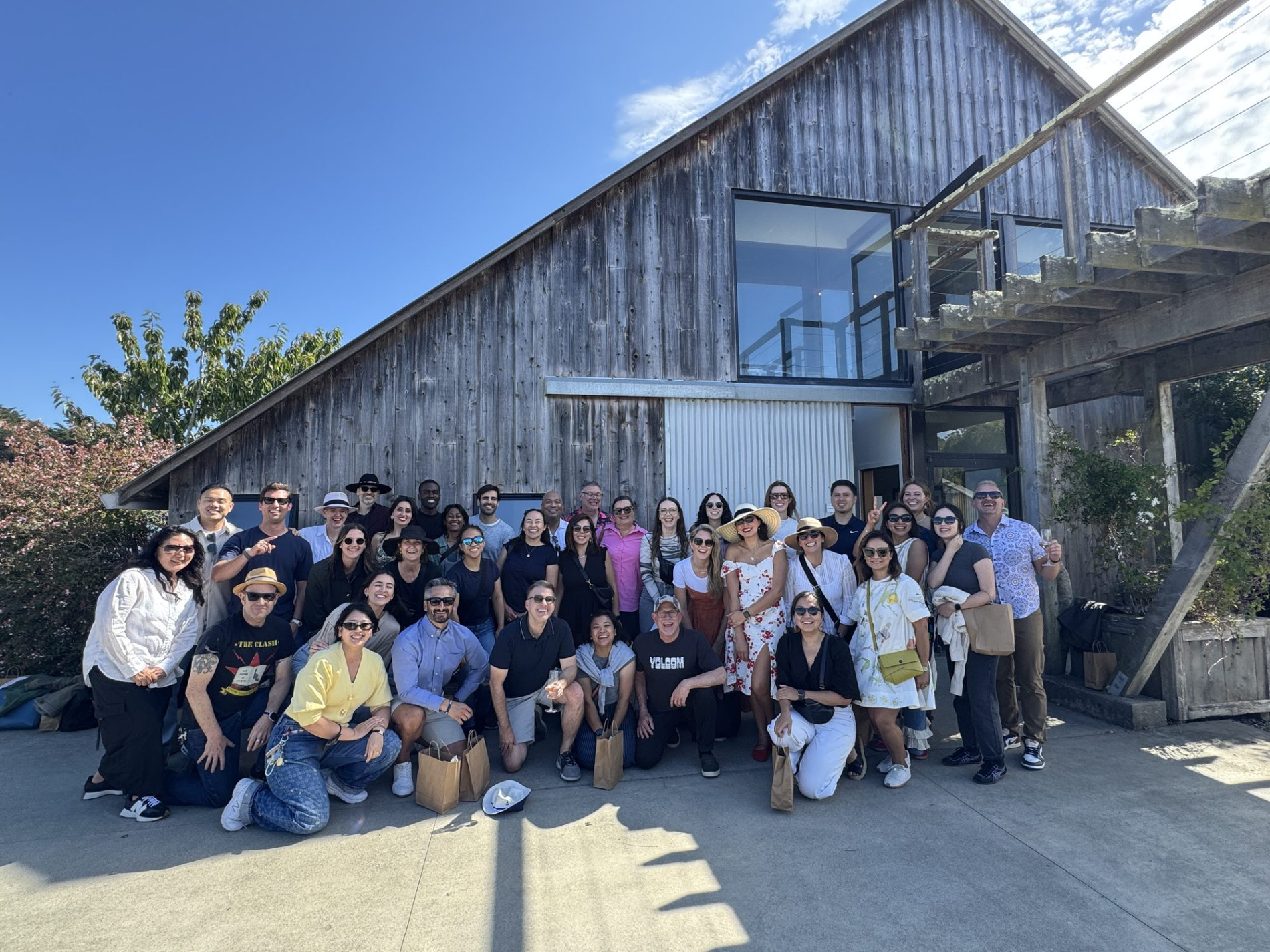
The Revel team.
That Point Where Firms Struggle
 Bespoke Careers (Chris Simmons)
Revel has grown its staff numbers by roughly 50% over the last 18 months. What did you have to put in place to make sure that growth didn’t break everything you’d worked so hard to create?
 Scott Clement
When you’re growing it sounds exciting. You’ve got new work coming in, you’re bringing on new people. What you don’t quite realise is you may be relying on: I’m going to hire somebody, they’re going to sit next to Jim and Joe and Jane and they’ll show them how we do things. When you bring on 10 people and they’re sitting next to people who just started six months ago, you can’t really rely on that institutional knowledge.
We’ve had to shift to more distributed knowledge groups. Working groups focused on everything from design quality assurance to BIM, Revit, technology, AI. A dedicated group that everyone knows to go to for that information, so the decision-making doesn’t get bottlenecked with just two or three individuals.
There’s a reason firms don’t like to get to 60, 70 people. That’s right where we’re at. There’s a reason it’s so hard: you just can’t do things the way you were doing them before. You have to put the time and effort and resources into creating a larger structure that supports that.
“
There’s a reason firms struggle at 60, 70 people. That’s right where we’re at. You just can’t do things the way you were doing them before.
Not Playing Any Instrument
Bespoke Careers (Chris Simmons)You moved from President to CEO as part of a leadership transition. How has your day-to-day actually changed?
Scott ClementI don’t spend a lot of time working on projects anymore. I do my timesheet and I struggle to find 10 or 15 hours of billable work I actually worked on. Mostly it’s BD, marketing, HR, business finance strategy. At the end of the day an architecture firm is just a business. Running any business, there’s a lot of other work that goes into that.
There are still some things I love design. I will fight to own a space plan. I want to print it out 1/8 inch scale, put tracing paper on it, get my markers. Probably the only person in the office who does that. But I still enjoy drawing a plan.
Bespoke Careers (Chris Simmons)How do you hold on to things like quality and client experience as the business grows?
Scott ClementSome people think company values are a corporate thing. For us they’re a real important part of the business. About seven years ago we brought on a team that helped us define our core values. The culture comes from the shared values of the people who work here. When we hire, when we do reviews, when we do exits, when we look at our client base, we look at the company’s core values. If you hire folks that share them, it doesn’t mean we’re all thinking the same way. We’re a very diverse team. But there’s something we all commonly agree on. Everybody in our office would feel ashamed to put out a set of drawings that didn’t meet their expectations for quality. And that’s just something that if everybody feels the same way, they’re not going to let that drawing set go out without the proper quality assurance reviews.
“
As a CEO, you’re really more like a conductor. You’re not a master of any instrument. You’ve got to understand all of them.
I Don’t Want to See Their Portfolio
Bespoke Careers (Chris Simmons)You’ve hired a lot of people recently. How do you hire for values?
Scott ClementI personally interview every candidate before they even start the interview process. Resumes come in, I review them to see if they’re first qualified. But then I always do a 30-minute Zoom call with a potential candidate and I don’t look at their work. I don’t want to see their portfolio. I’ve seen thousands of portfolios. That’s not what I’m meeting for. I’m meeting to get who they are.
You get really quickly if somebody feels like a right fit. If that checks a box, they go on to the interview process about looking at the work. The last thing we do is get five or six people to meet the candidate. Is this a right fit? Because we want buy-in from multiple team members.
Bespoke Careers (Chris Simmons)I was talking to students today. They obsess over the CV and the portfolio. But those personal skills, communication, learning to talk to people, talk to strangers. That’s what matters.
Scott ClementGo out and just learn how to talk to people. Talk to strangers.
“
I don’t want to see their portfolio. I’ve seen thousands of portfolios. I’m meeting to get who they are.
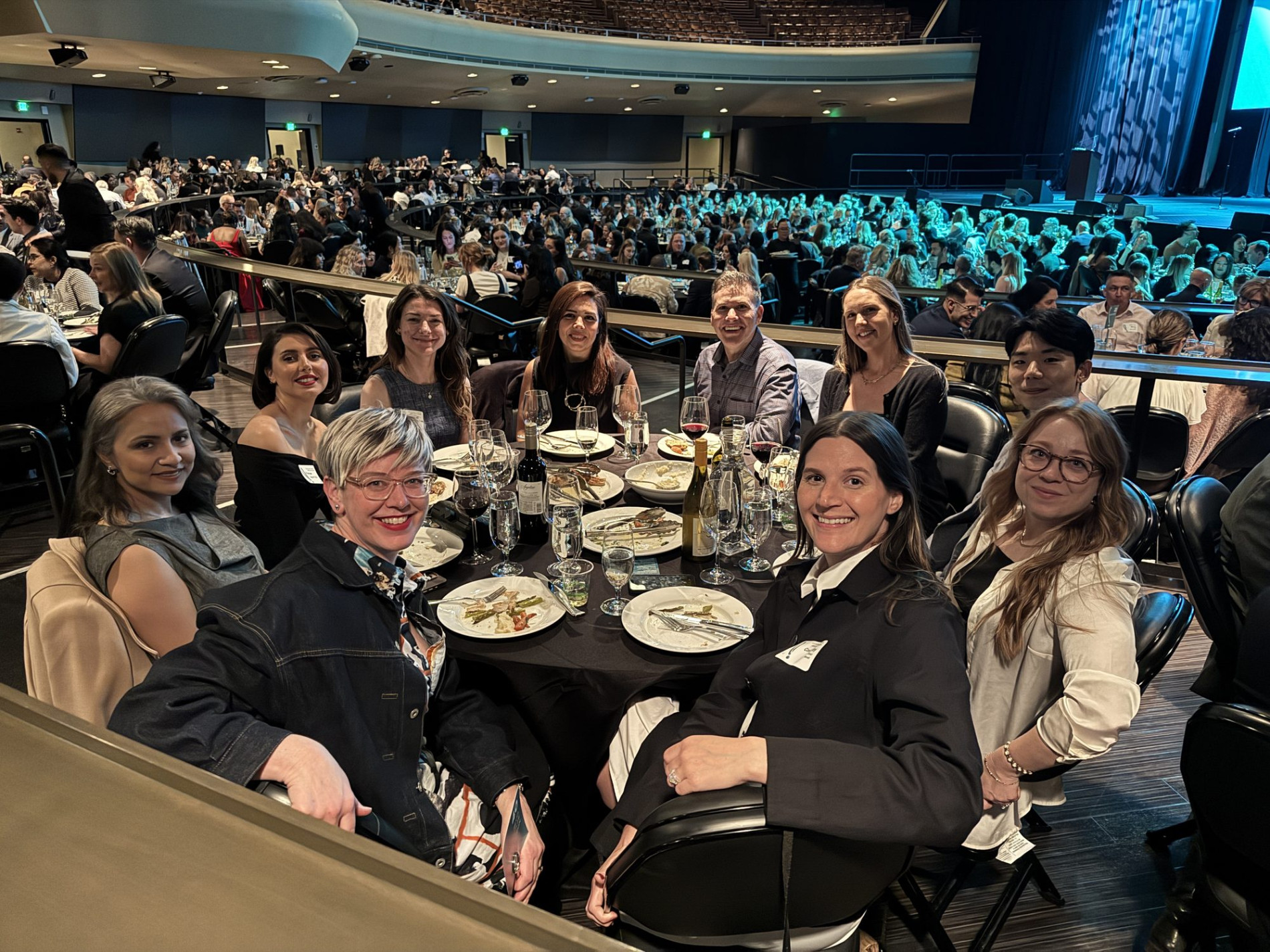
The Revel team. Growing 50% in 18 months means hiring a lot of people fast.
Whatever Gets Thrown at You
Bespoke Careers (Chris Simmons)Your career has built more around the operations side of things. Did that come naturally, or are you the frustrated designer?
Scott ClementProbably the way my brain works. But sometimes you don’t know that. I went to architecture school to be an architect and I was excited about design. That hasn’t changed. But you go out and you start learning what the job actually looks like. Numbers and management and organisation just came naturally to me. Whereas selecting paint colours and finishes and trying to come up with a concept, that stressed me out. I can look at a design and see it’s not there yet. But trying to create it yourself, not everybody out there is meant to be a creator.
Bespoke Careers (Chris Simmons)Do you think people coming into the industry still need to learn that process the way you did?
Scott ClementEverybody coming into the business should be a generalist. Don’t say you want to be doing this or don’t want to be doing that, any time in your career for the first five years. You don’t know yourself yet. Throw yourself into whatever it is that’s thrown at you and over time you discover what you’re actually passionate about. Because the passionate part is more important than the talent part. If you’re a talented designer but you’re just not into it, you could be the best damn designer out there. You’re not going to do your best work if you’re not really into what you’re doing.
Bespoke Careers (Chris Simmons)What about bringing in outside people for that management experience? Can it work?
Scott ClementI used to think so. But I’ve found it extremely hard. The next group coming on to lead roles here, they’re all homegrown. Some have been with the company longer than I have. They’ve all come up through different routes. Senior designers, project managers, technical architecture routes. But they’ve all been put into the project manager role at some point, because that’s where you bring all those tools together. If you understand how to run a successful project, keep it fiscally viable, make money on it, get a repeat client, then you can run a company. The company is just a larger scale of that.
“
Don’t know yourself for the first five years. Throw yourself into whatever gets thrown at you. The passionate part is more important than the talent part.
The Firm
Revel Architecture and Design

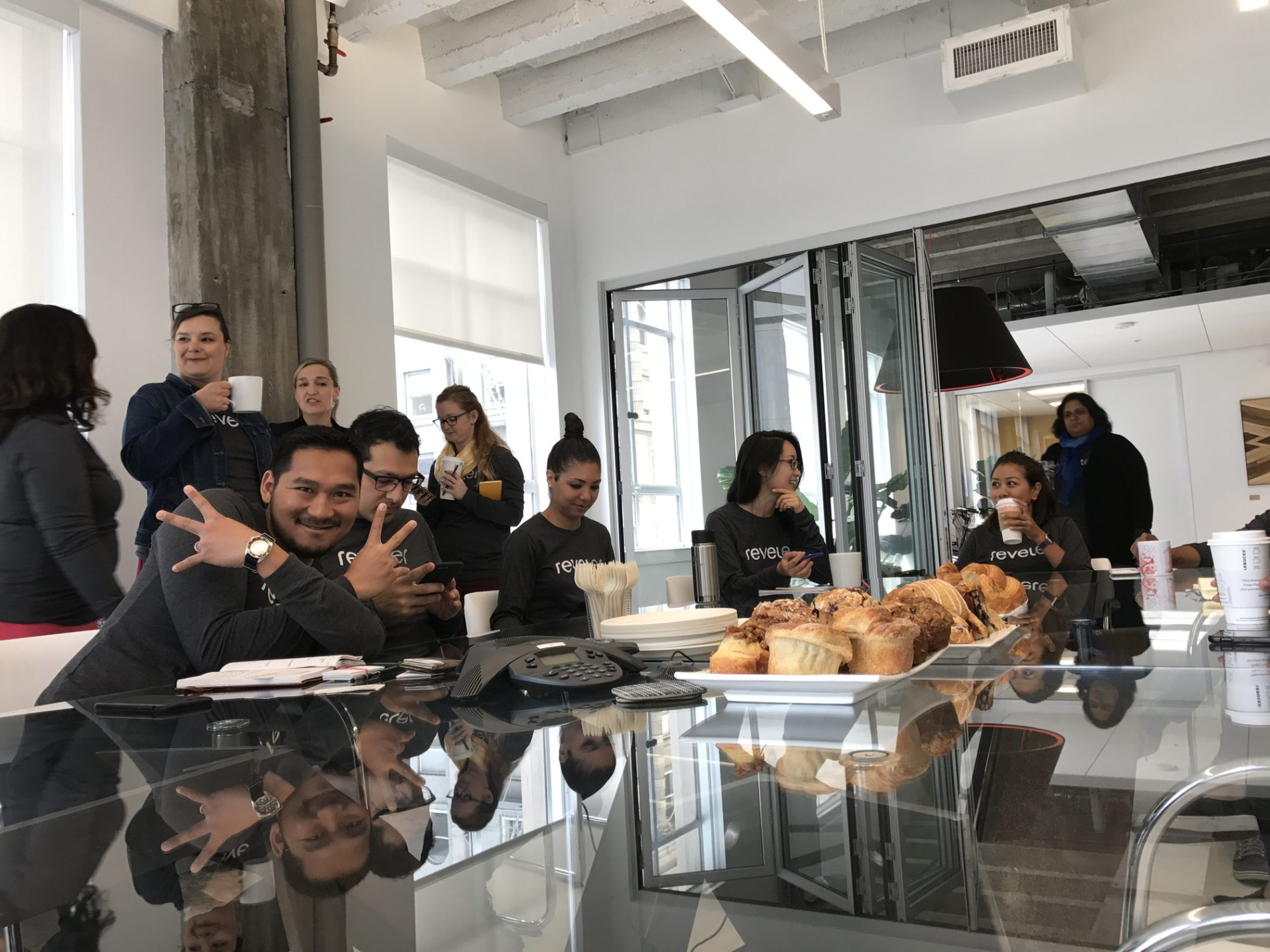

An architecture and design firm headquartered in San Francisco, with offices in Los Angeles and Texas. Specialising in commercial and workplace design, Revel has grown its headcount by 50% in the last 18 months and is currently navigating the hard part: keeping culture, quality, and decision-making intact at scale.
The next generation of leaders is entirely homegrown, having come up through different routes within the firm. That’s not an accident. It’s the model.
“Revel’s hired because we already come qualified. We’re expecting good design. That’s a given. The unknown part that people come back to us for: can you deliver it consistently? Can you change? Is it a good experience?” Scott Clement
Like Your Fiduciary Partner
Bespoke Careers (Chris Simmons)Tell me about the Colliers San Francisco project. Frame Revel in a specific project, from first conversation to handover.
Scott ClementA lot of that process is helping clients make the decision of what building they’re going to go to. We do a process called test fitting. You try to understand what they want. Most clients come in with an idea they think they want, and then they start circulating those ideas around the organisation and it turns out, oh, that’s not going to fly.
Colliers were focusing on upping their game. They landed at a building with amazing views on all sides. You see the bay, the two bridges. They wanted to be higher up in the building but that was a little too expensive. A lot of this was: what are the goals? If we go to this space versus that space, yes, maybe our cost will be lower. But we’re still going to have to put a lot of money into this and it’s a long-term investment. The reason we’re doing this is we want to recruit top talent.
One of our roles is to push our clients. You’re already spending this much and you’re going to be disappointed because you’re trying to save that last little piece to show you hit the budget. You’re going to spend all this money and time and effort and be disappointed in the end. Are you going to save $5,000 here but be regretting it for the next 10 years?
Bespoke Careers (Chris Simmons)Everything you’re describing is strategic thinking, not design. Understanding a business better than they understand themselves.
Scott ClementWe’re like your fiduciary partner. It’s not too different from working with a real estate agent or an investment manager. People are spending millions of dollars and nobody likes to spend millions of dollars. For Colliers specifically, when we first space planned them, they said they didn’t need a client-facing entertainment space. Too expensive, waste of space, not a priority. What did we end up designing after months of plans and meetings? First thing you see when you come into the space is a giant bar. Coffee bar, evening bar. We ended up shifting the whole design. The wow factor, all the money, went into this incredible space so their people and their clients, whether it’s recruiting or throwing an event with the mayor, they have this amazing space. But it took many months of conversation for them to realise that actually was the opportunity.
“
Are you going to save $5,000 here but be regretting it for the next 10 years?
Can’t You Just Snap Your Finger
Bespoke Careers (Chris Simmons)Where do you sit with AI? Is it taking away creativity or doing the boring stuff?
Scott ClementI’m going to tell you a very specific story that just happened 14 hours ago. I got an email in the morning that the project we were working on was probably cancelled. Pricing came in over budget. I got a call towards the end of the day: “Okay, I’m about to ask you the impossible, but you can say no. Our boss’s boss is flying in from the east coast next week and the local client has one job walk in the space to sell them on increasing the budget. We can’t spend a lot of money. With AI, you should be able to create a rendering in five minutes that shows what the space is going to look like.” We have a space plan and finish selections. We have one white-box view of a break area. This building is a hundred years old. Trusses, all-wood ceilings, 20-something feet high, industrial space converted to office. “Can’t you just snap your finger and kind of make it happen?”
We’re testing a platform, Run Diffusion. I grabbed three people and said: can we actually do this? With enough prompts the feeling was yes, we feel confident we can do it. The client’s budget was $1,000. Normally three or four renderings, we’d charge nine or ten thousand. I said let’s see what we can do. I’m very curious how far we can push this technology right now.
But here’s the other thing I said afterwards. The client had actually tried to do it themselves first. What they generated was not half bad. And this is the change. Senior designers, directors, clients are going to be coming to us with their AI render they designed themselves and saying: hey, I designed this, what do I need you for? Every industry in the world right now is trying to figure out how their business is changing because of AI. Every client, every person out there can now be a designer. We have to reevaluate the question of why hire you.
“
Clients are going to come to us with the AI render they designed themselves and say, “What do I need you for?”

The relationships that AI can’t replicate.
Take the Headset Off
Bespoke Careers (Chris Simmons)Where do you sit on hybrid work?
Scott ClementHybrid is where I’ve landed. We come into the office Tuesday, Wednesday, and Thursday, mandatory. No questions. I would never hire somebody fully remote. It’s important to be in the office. It’s so much more effective and efficient to work together as a team.
That said, working at home all the time, also not great. I hear a conversation going on all the time and I’m like: wait, wait, wait. You need to go talk to this team. They just went through this three months ago. Don’t reinvent the wheel, go talk to them. You don’t get that if you’re all working from home.
Bespoke Careers (Chris Simmons)What do you see in the next generation coming through?
Scott ClementI am very optimistic. Gen Z are so comfortable with the technology. It’s not even part of their thinking process to question how to integrate a new tool into practice. They’re just used to doing that all the time. They’re the least inhibited. They come with a lot of the ideas. I find it fascinating.
The flip side is it’s also the generation that spent their entire formative years on social media, not necessarily spending as much time developing soft skills. I see people come in, they put the headset on, they get their work done, they go home. Take the headset off. Come here. Talk to somebody. Get a coffee. This is part of why people work with us, because they enjoy working with our team.
“
Take the headset off. Come here. Talk to somebody. Get a coffee. This is part of why people work with us.
Put the Ego Aside
Bespoke Careers (Chris Simmons)Coming to the end. What are the biggest lessons you’d instil in the next generation?
Scott ClementSurround yourself with people who are better at things than you are. Always hire the best people, the people who fit your values and the culture. Bringing on one person just because they have a certain talent but not sharing the same values can do a lot of harm and damage. Put the ego aside and get the best team around you because it will always be better for the organisation.
And don’t come in with any preconceptions about not just what the industry is, but who you are. Be open to whatever comes your way. That doesn’t change when you’re 21, when you’re 25, when you’re 30, when you’re 40. If 25 years ago somebody wanted me to write a contract and I said: I’m the designer, I don’t want to write a contract, I didn’t go to school for that, and I didn’t take that opportunity, I would never have followed this path to where I am now.
“
Surround yourself with people who are better at things than you are. Put the ego aside. It will always be better for the organisation.
Quickfire
Is remote work actually killing company culture?
Scott ClementFully remote work, I would tend to agree with that. Depends on the company, depends on the role. But I’m not a fan of fully remote work.
What do you know now that you wish you knew when you were starting?
Scott ClementHow much time is spent trying to get people to pay you money. I’ll leave it at that.
One thing the architecture and design industry should improve on?
Scott ClementBeing honest with ourselves and valuing ourselves and what we do.
Piece of advice for an aspiring architect or designer?
Scott ClementKeep an open mind. Don’t come in with any preconceptions about what you think you should be doing.
Tell us about a time you failed and what you learned.
Scott ClementDocumented a staircase that was started by another team member. Turned out the staircase didn’t meet code and it was already under construction. I learned that there’s shared accountability amongst all team members. You approach your client with honesty and you work through the problem as a team. Architecture is hard. There are going to be mistakes. You either bury your head in the sand and hope it goes away (that never works) or you work as a team to figure it out.
First job in industry, and what did it teach you?
Scott ClementWorking at a firm that did primarily hospitals. It taught me that I don’t enjoy working on hospitals.
One thing architecture school gets completely wrong?
Scott ClementThat it’s all about design. We should spend more time valuing your time. When I was in school it was about how many all-nighters did you do on that project. When you’re paying for all those hours, it’s not about how much time, it’s about how well you can get things done for the least amount of time.
Common mistake in office design?
Scott ClementCutting that last 10% out of the budget and spending 90% on something you’re going to be disappointed with for years to come. Because usually you can’t go back and fix it later.
Best money you spend on the business?
Scott ClementPay the extra amount to hire the best people.
Who in the architecture world do you admire and why?
Scott ClementOur own team and our peers locally. People that probably nobody would know. There are a lot of people we work with every day that I admire. I can’t think of one particular famous person.
Ping pong table in the office?
Scott ClementNay. Do you know how annoying that would be, trying to do your work and you hear people playing ping pong? Unless it’s an enclosed room.
Open plan offices?
Scott ClementYay. It’s extremely hard and distracting. That’s why you have your work from home days. But the value you get from overhearing conversations is immeasurable.
Standing desk?
Scott ClementYay. I don’t use mine nearly enough. That’s probably why my back hurts as often as it does.
4 day work week?
Scott ClementNay. When the contractor is working on Friday and something comes up in the field, you cannot say, “Sorry, I’m not working today.”
All glass meeting room?
Scott ClementMaybe, as long as there are draperies that can close it off for privacy. The acoustics would be awful.
Search for architecture and design jobs here
Latest architecture and design jobs around the world


Looking to hire top talent
 or advance your career? Let's talk.
We connect exceptional firms with talented professionals.
Let’s discuss how we can help you achieve your goals. Get in touch with the team today.
Related Posts

A wide ranging conversation with the AHMM co founder on growing up around architecture, starting a practice early, surviving the first five years, building a collaborative studio, and arguing consistently for architecture as a cultural project rather than a professional service.