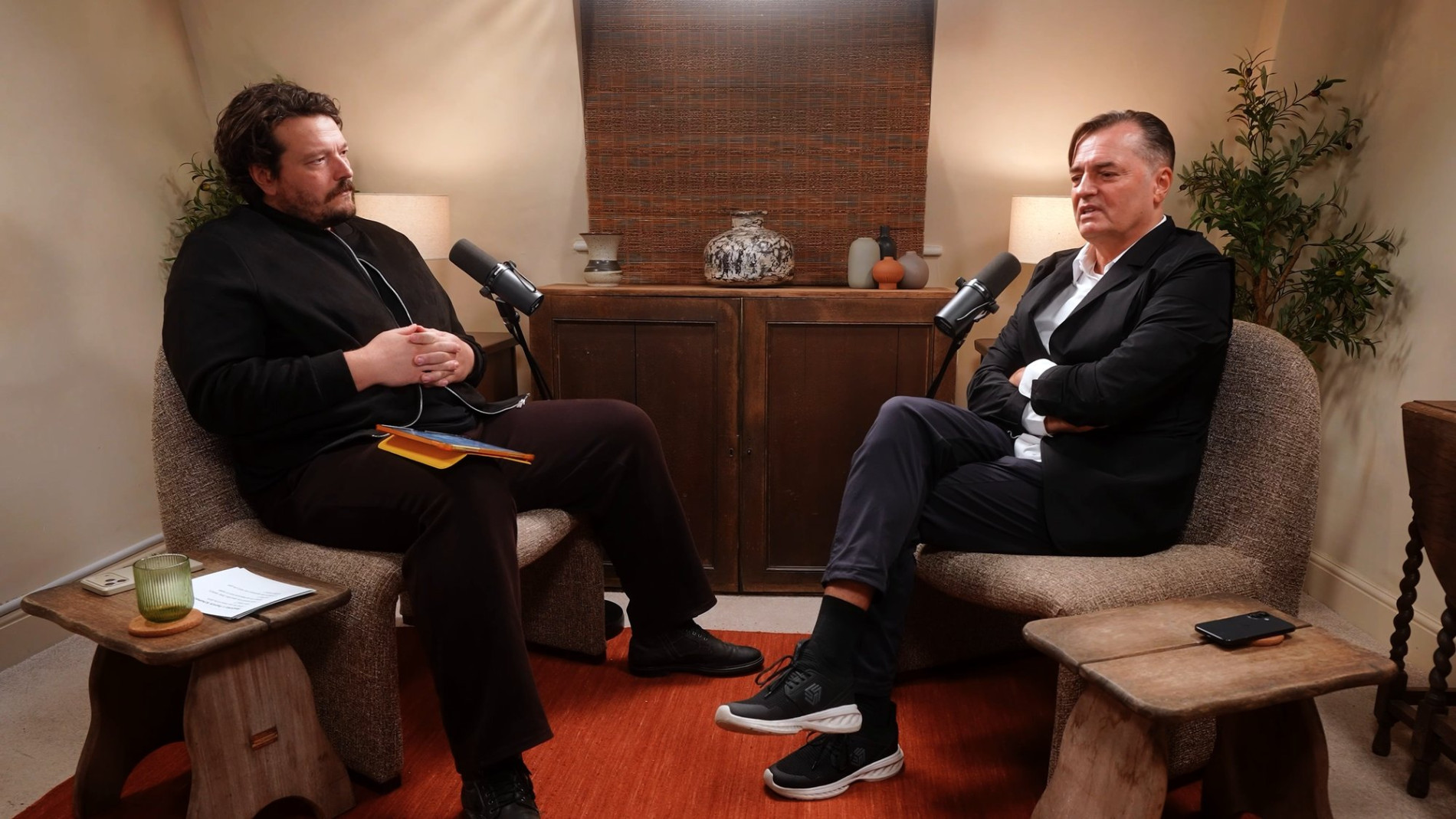
Patrik Schumacher on building ZHA from five people to 500
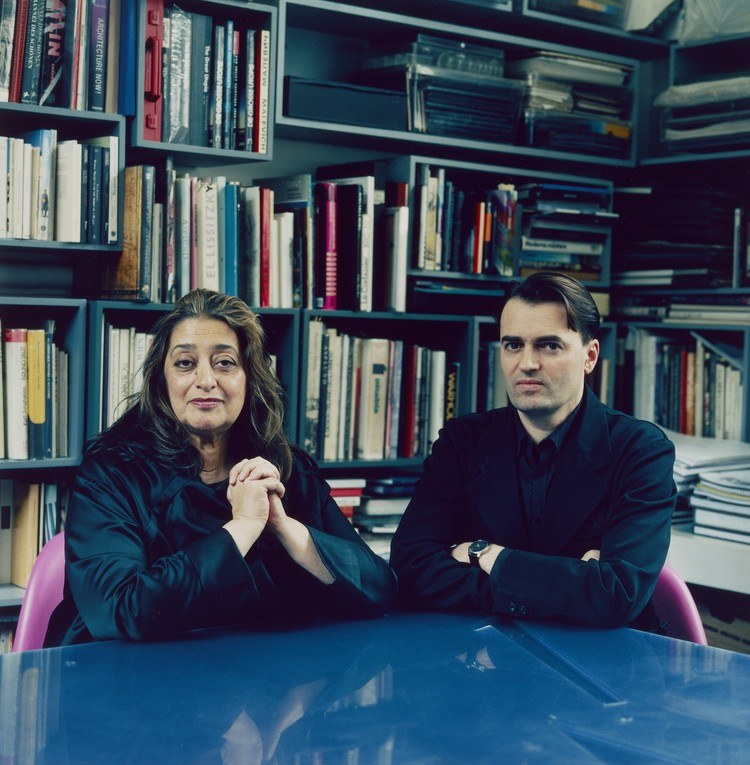
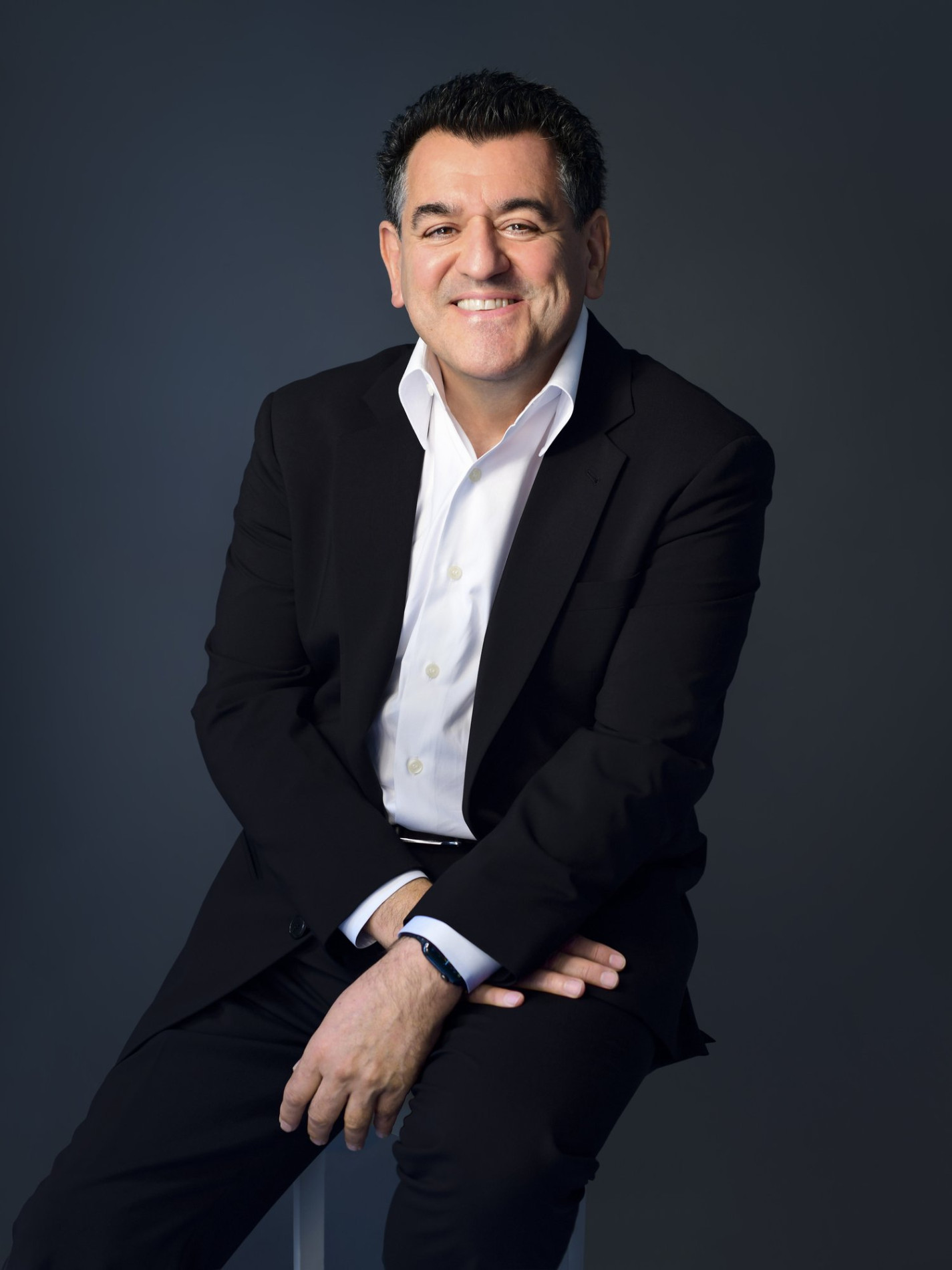
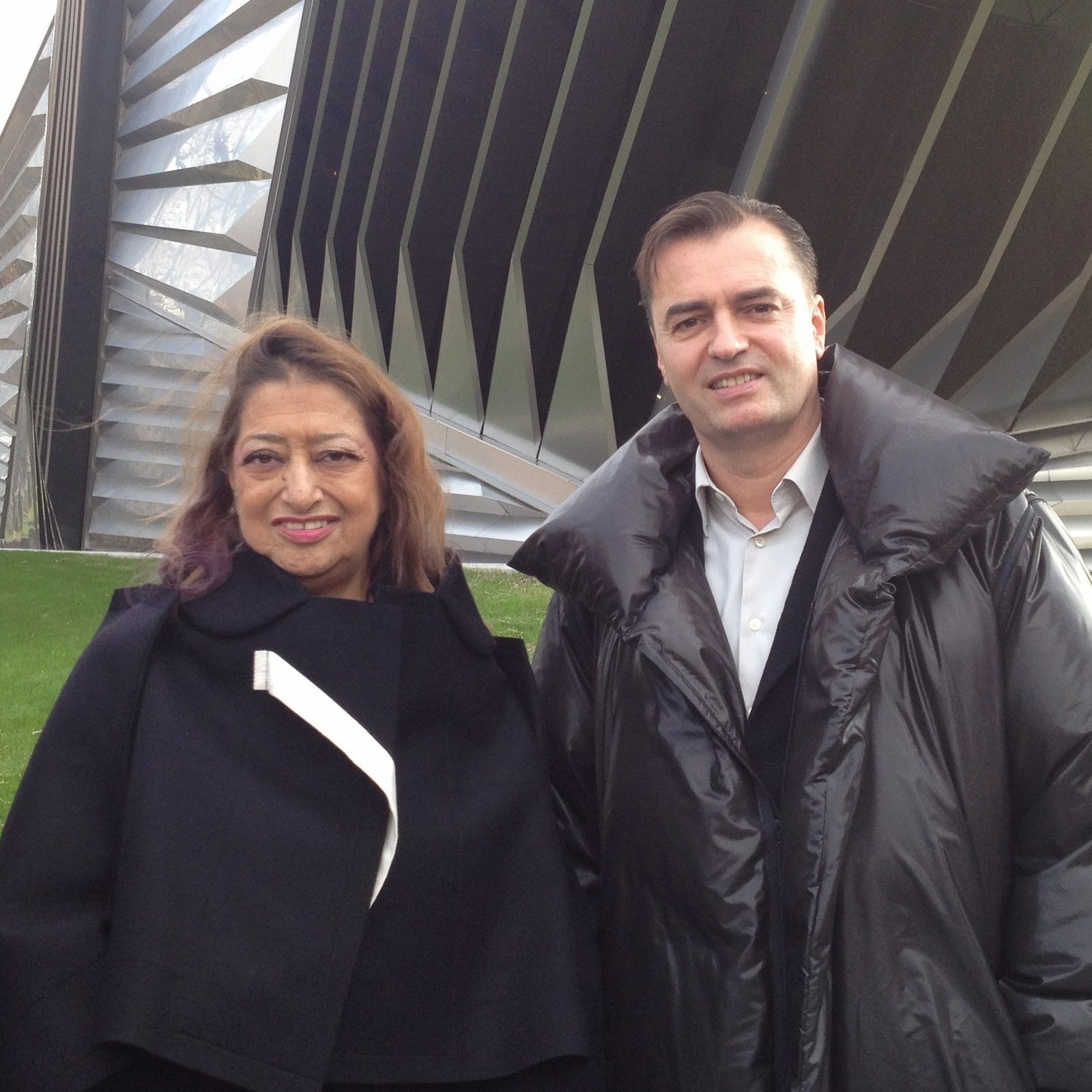
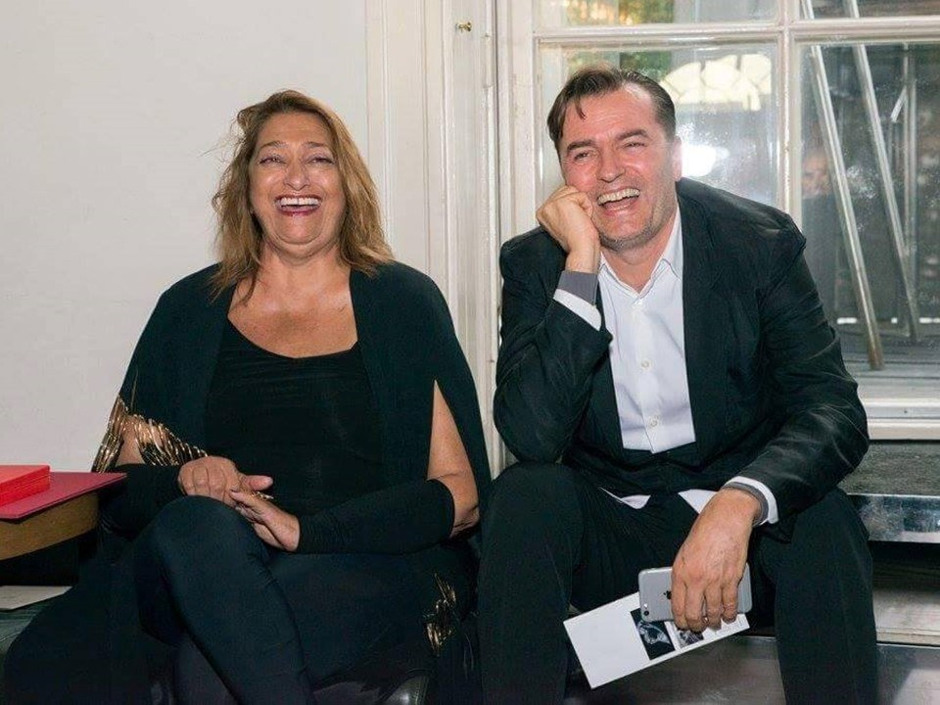
The Bespoke Careers Podcast Patrik Schumacher on building ZHA from five people to 500 Bespoke Careers talks to the principal of ZHA about joining Zaha Hadid in 1988, what he’s learnt since, the recent rebrand and more. London|November 2026|60 minutes Zaha Hadid and Patrik Schumacher in the library at 10 Bowling Green Lane, about 1997. Courtesy…
Patrik Schumacher on building ZHA from five people to 500
Bespoke Careers talks to the principal of ZHA about joining Zaha Hadid in 1988, what he’s learnt since, the recent rebrand and more.
London|November 2026|60 minutes
Patrik, thank you for joining us.
My pleasure.
Why architecture?
I could have done many other things. I recently discovered I have a talent for being a barrister, or maybe a psychotherapist. Initially I was considering film making. But I had a love for architecture from my early teens, through the art course, when I saw modern architecture: Mies van der Rohe’s Barcelona Pavilion, the National Gallery in Berlin. And then in the movies I was consuming at the time: the Pirelli building going up, by Ponti, and Brasilia in those Jean-Paul Belmondo films. I was fascinated by modern architecture and the way life could be uplifted.
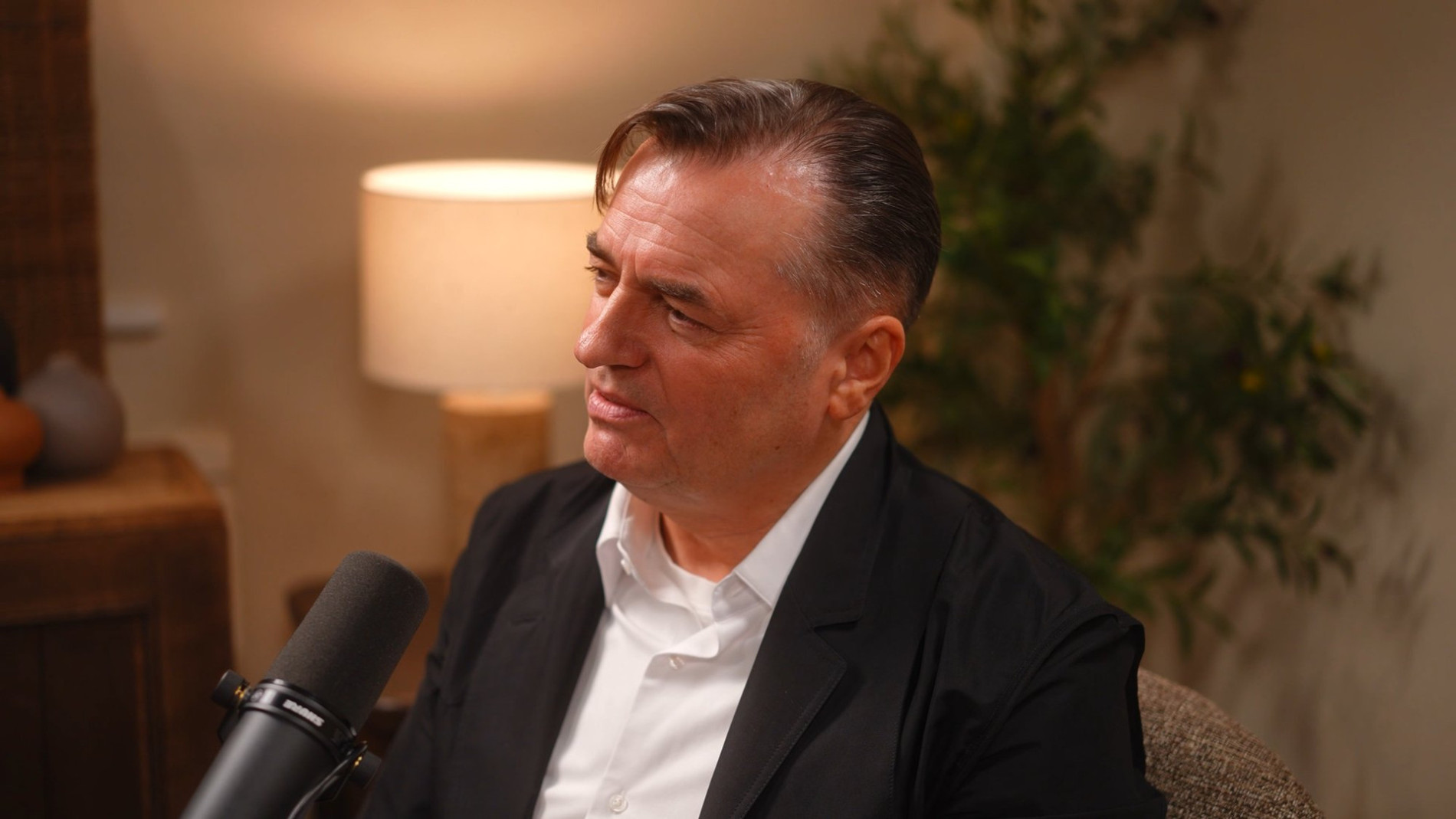
You have a prominent voice in the industry, and strong opinions. What do the critics get wrong about you?
Virtually everything. That’s the problem. It’s difficult when you voice something critically, and when you’re successful you become a target. Zaha felt that.
The blowback came from a lecture I gave at the World Architecture Festival. I was criticising the systems which paralyse the development of more space, work, live and residential, and the price explosion that follows. All of that was fully misunderstood. And our work is misunderstood as flippant and self-indulgent.
It’s easy to understand me better, because I’ve been writing for 30 years about what we’re about, why things developed the way they did and what the advantages are. My big theme is that this is about generating life processes which are contemporary, complex and self-directed, and that the repertoires which articulate and spatialise that can now look different: more levels of complexity, while maintaining legibility.
I know where this is coming from. When you first explore new repertoires, yes, there’s a phase of playing with form. But these were not random forms. They were trying to discover ways of articulating more complexity: interpenetration of spaces, gradual transformation of spaces. Society was going through a massive transformation, from the post-war era into the neoliberal era: post-Fordism, a much more dynamic convergence back into the city, the urban renaissance. In the 80s and 90s there was a lot of formal exploration, because you can’t compute the formal solutions for new ways of living and working. That’s where this comes from. Initially without thinking through how realisable these concepts were. But they were never self-indulgent.
In the deconstructivism group, the thinkers were Rem Koolhaas, Eisenman, Bernard Tschumi. Then you had the intuitive geniuses: Zaha, Frank Gehry, Wolf Prix. The geniuses delivered material for the thinkers to interpret. I have to admit some of the voiceovers were pretentious, obscure, obfuscating. But it has substance, and it is where the future gets discovered. These stereotypes get established way too early. England is known for being anti-intellectual, anti-theoretical. I’m not in favour of that, but I’m also not falling for the flamboyance of an Italian or French intellectual. I’m somewhere in between. A rationalist.
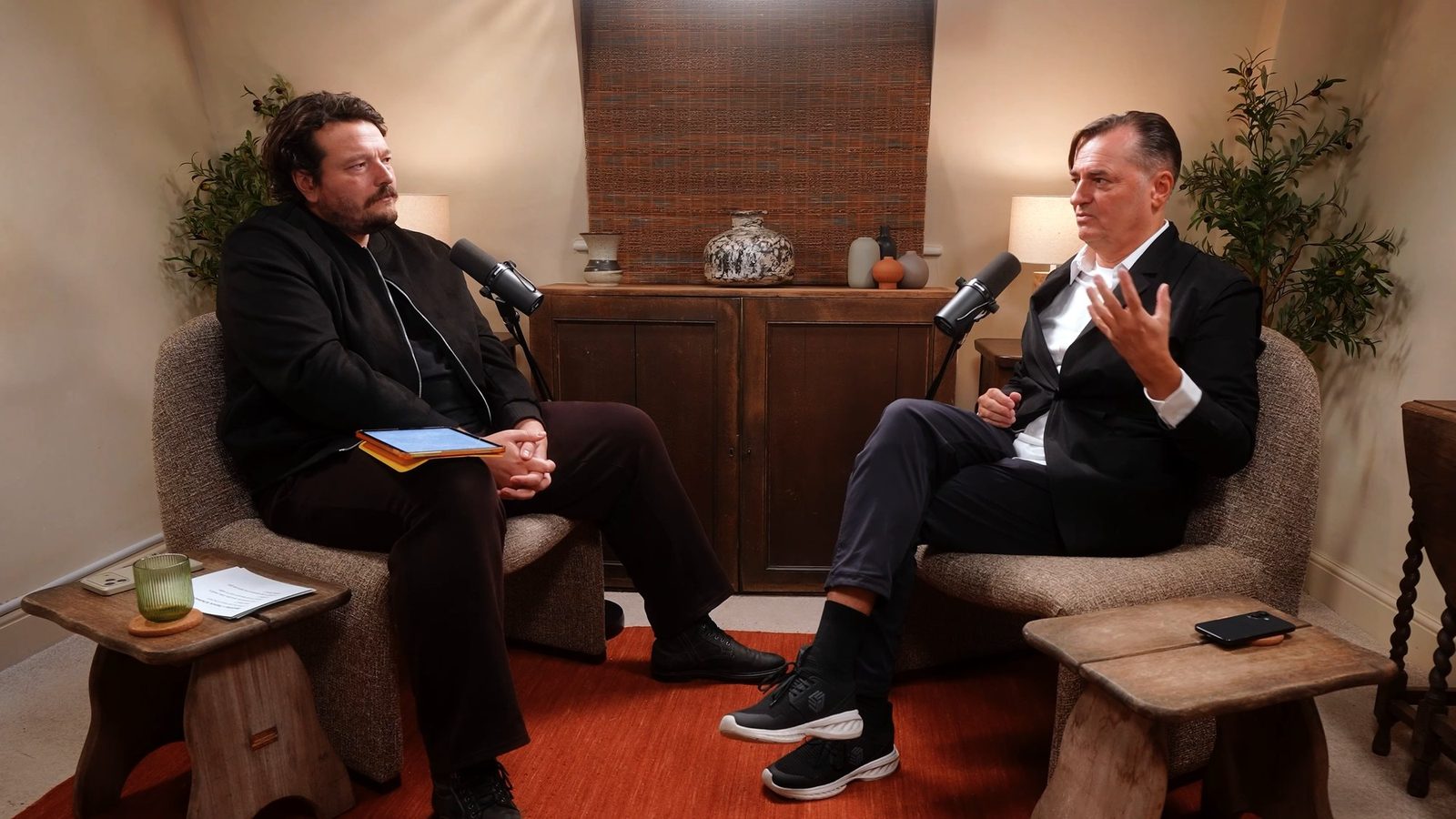
ZHA has just rebranded, ten years after Zaha passed away. What does that mean to you, and what was the intention behind those letters?
The intention was to move away from the name of a person. A fantastic figurehead, somebody who revolutionised the field, but who is no longer with us. We had finished all the buildings she had a hand in. To keep working under this name could be questioned. Are we imposters? Are we pretending this is Zaha’s work? And it allows a collective identity to emerge, with different figures, different names. Many stars, perhaps. It opens up the different directions we take in different markets and regions. It felt the right moment for a move which could be understood. Of course there is continuity. It is all ours, and it keeps evolving. It was well received, I thought.
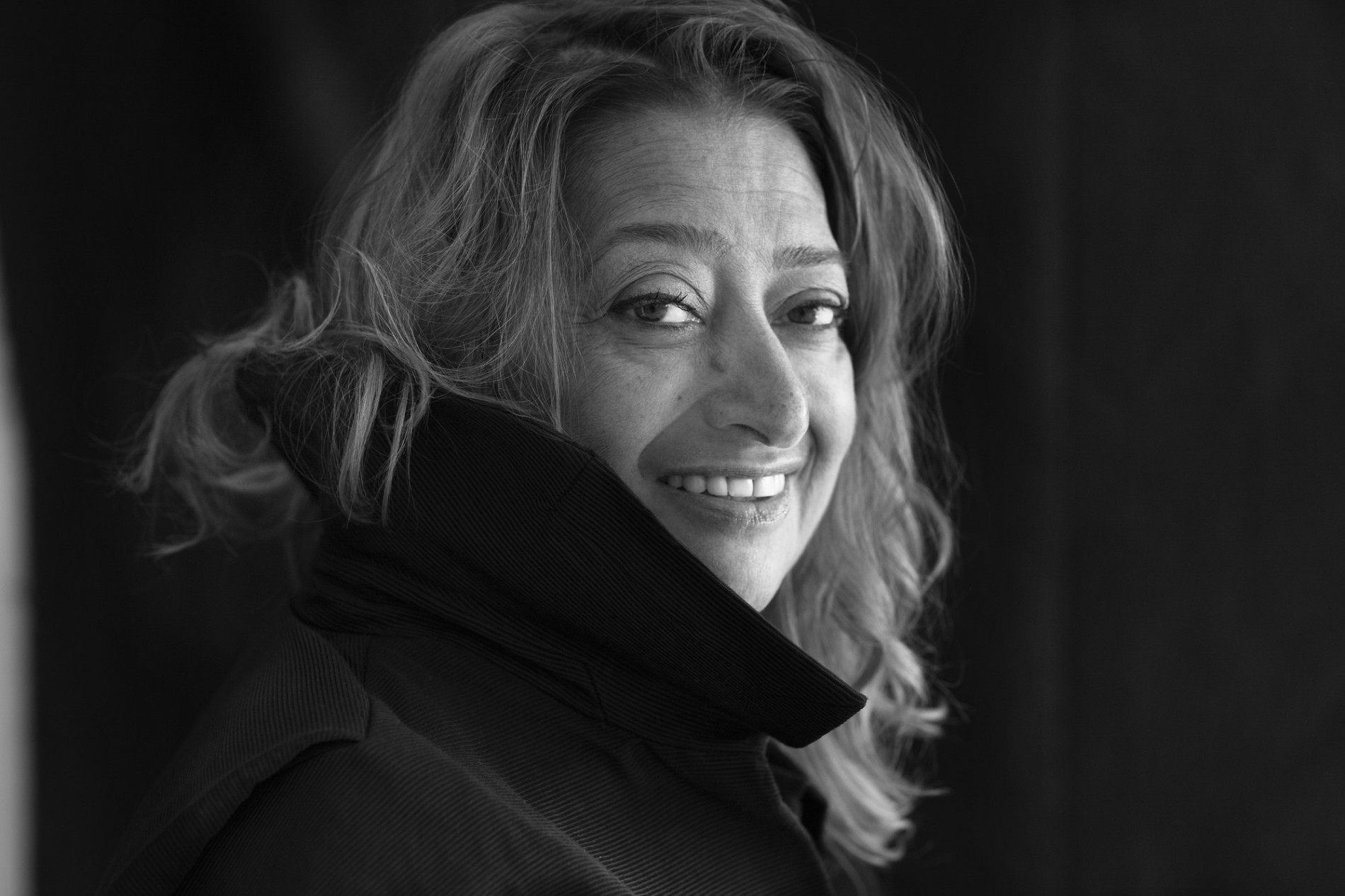
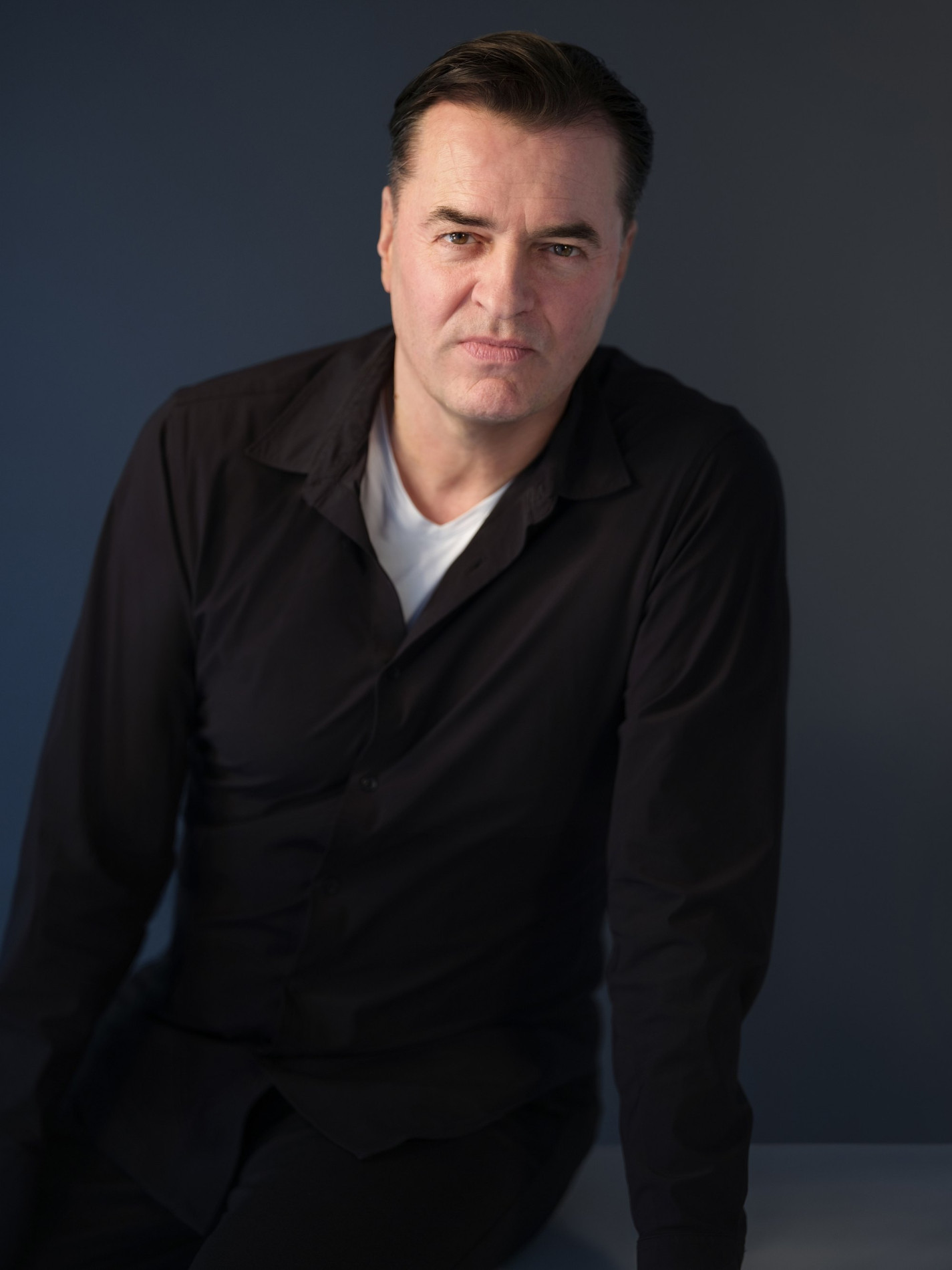
Let’s go back to the beginning, your start with Zaha. How did it begin?
Zaha had just established her studio. She had been working since the early 80s, after she left OMA, but from her little mews home, one room with a mezzanine, or at the AA with her students. No employees, no proper studio, and some fantastic work: The Peak, the competition that brought her onto the scene in 82, 83, then Kurfurstendamm in Berlin, Grand Buildings for Trafalgar Square. So she finally set up a studio, on the back of the Berlin projects and the Japanese projects. She hired the place in Bowling Green Lane where we have been until recently, some time in 86. I arrived in London in 87.
I knew her work already. I was a student in Stuttgart, and there was the GA monograph, fantastic drawings, and a publication from the AA. I became a student at South Bank, and we kept looking at her work. Something new was emerging. The next year came the deconstructivism show at MoMA and she was one of its stars. My teacher at South Bank was Kevin Rhowbotham, who sat next to Zaha and Tschumi in the AR’s A New Spirit in Architecture issue. So we felt part of it.
Then there was a conference at the Tate with the deconstructivism curators, Mark Wigley, Jeff Kipnis, and all the protagonists lined up lecturing: Eisenman, Tschumi, Rem, everybody. I was most intrigued by Zaha. The work is more intense, more potent, more elaborate. But she also came across very well. She was the only woman there. Everybody else was doing the typical thing: showing off, being arrogant, obfuscating. Zaha was genuine, open, passionate about the work. So I thought, maybe this is the route for me. I was finishing my year at South Bank and applied with my portfolio, as did all my colleagues.
I don’t know why they picked my portfolio. I went to the small studio and was interviewed, not by her but by one of her key former students, Michael Wolfson. It wasn’t particularly elaborate, but he saw something, so he hired me. There was very little work. Michael, a few others, five in total, plus a PA.
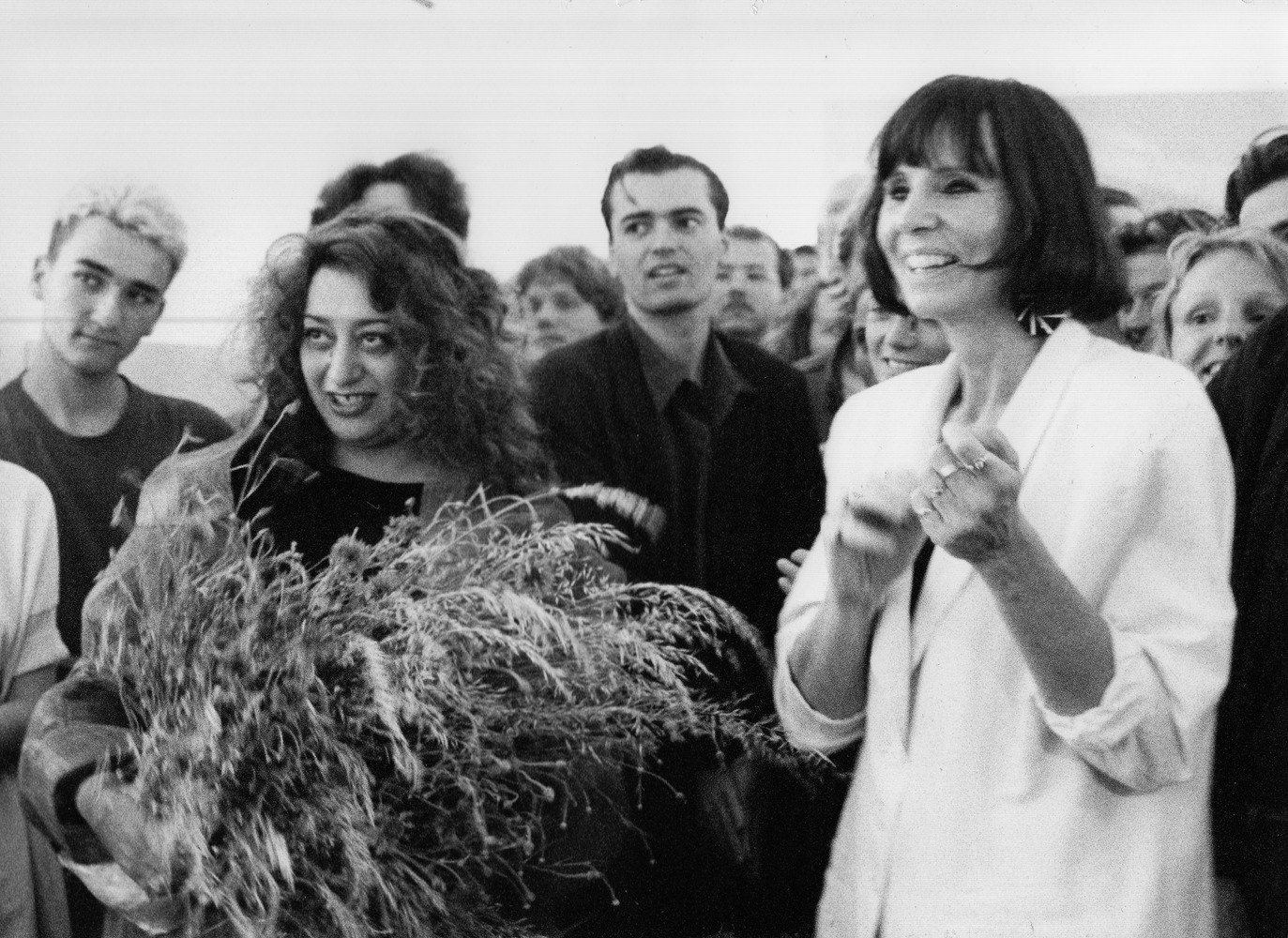
I was put on a painting for a show at the Aedes gallery in Berlin. This was before the Wall came down, and we had planned an urban spine for the whole wall area, post-unification. Nobody had the faintest clue it would happen the following year. It was fun, in a small studio like that, to be sent out to Berlin representing this new star. Then we did a lot of competitions, Zaha very intense, very involved, sketching away. And it wasn’t a few of us. All her ex-students and friends would come in the evenings and weekends. She was relying on cheap labour. I was earning 400 pounds a month, living in a dump in Brixton. My standard of living crashed. As a student I’d had a nice apartment, a car. But it was intense and I loved it.
She’s very shy. So she ignored me for three weeks. Not even looking at me, not even saying hello. And I was, what’s going on? What’s wrong with me? She had only ever surrounded herself with her own students and friends, so I was the one alien entity somebody else had hired. It was a bit tough. But we hit it off, because I was working very, very hard, with a certain resourcefulness. There wasn’t any computer, it was all hand sketching, and she had these fantastically talented characters sketching away, but I was competing well. I had taught myself sketching, drawing, painting as a teenager. And from the beginning I was the one who was intellectually oriented, well read, knew the history of architecture, which she also knew. She has a fantastic library. We looked at books together, and I was writing the project descriptions and the rhetoric from day one. At the end of that year the main character left to venture out on his own, so there was a vacuum, and that let me pick up a certain prominence early.
“She ignored me for three weeks. Not even looking at me, not even saying hello. And I was, what’s going on? What’s wrong with me?”
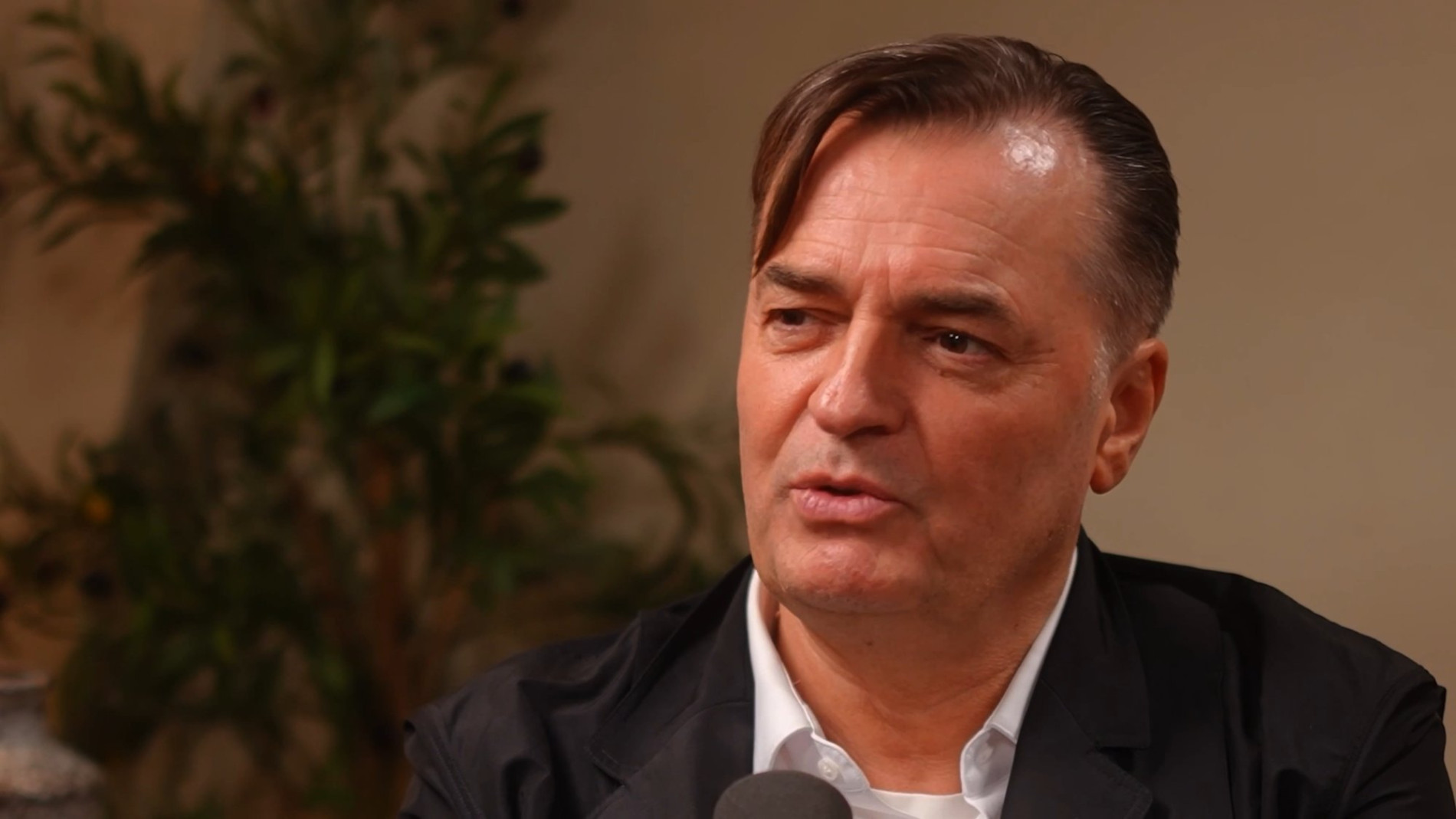
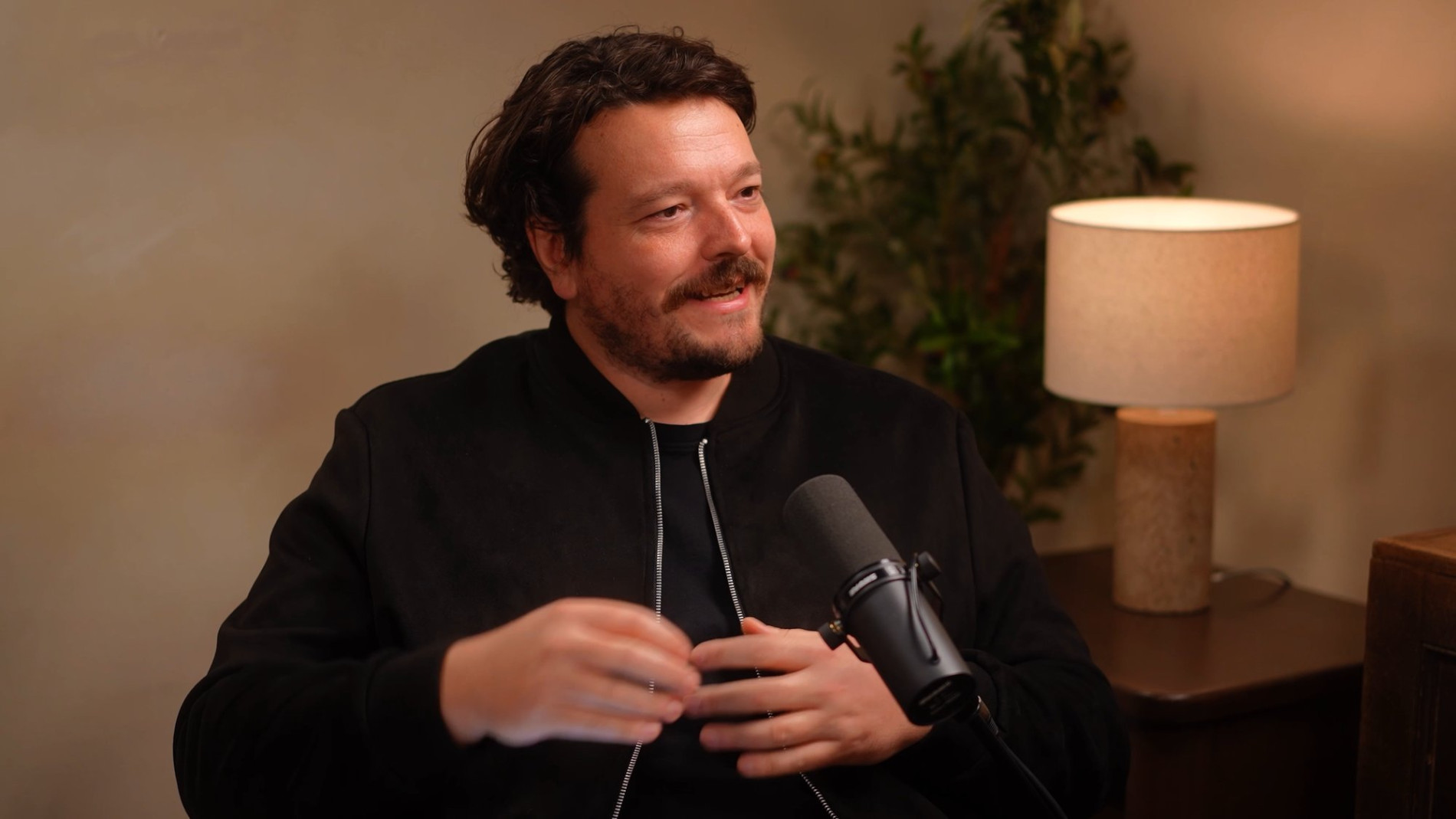
How did the practice evolve from there? When was the first building?
There were a number of potential breakthroughs. She had the Japanese projects: they were digging the holes, then 1990 was a big real estate crash and they filled the holes back in. Kurfurstendamm didn’t happen. She had the IBA project, but she made the mistake of getting Hans Kollhoff as the local architect, who more or less took over the job, and she had no fees left. It was a handful of people, all clueless, Zaha included, about how to do it. So it was difficult.
Then an early breakthrough, 92 I think. She won the competition for the Dusseldorf media centre, a big complex for an advertising agency. A major project. For that she could draw in more senior people who used to hang around, like Brett Steele and Brian Ma Siy. She couldn’t have afforded them before. Suddenly the office is 25 people. And it fell through, because the owner of the agency sold it. Then we tried to do the project for Boston Consulting and somehow it didn’t work. They gave up and gave it to Gehry. Ours is much better. So we shrank back to a few people.
The next breakthrough was Cardiff, and again it didn’t come through. The team grew. We won the competition against 250 others, then came a series of hurdles, funding and stakeholders, and a lot of hostility. So again we reset back to zero. A number of those. And then small things happened. Vitra, of course, happened alongside.
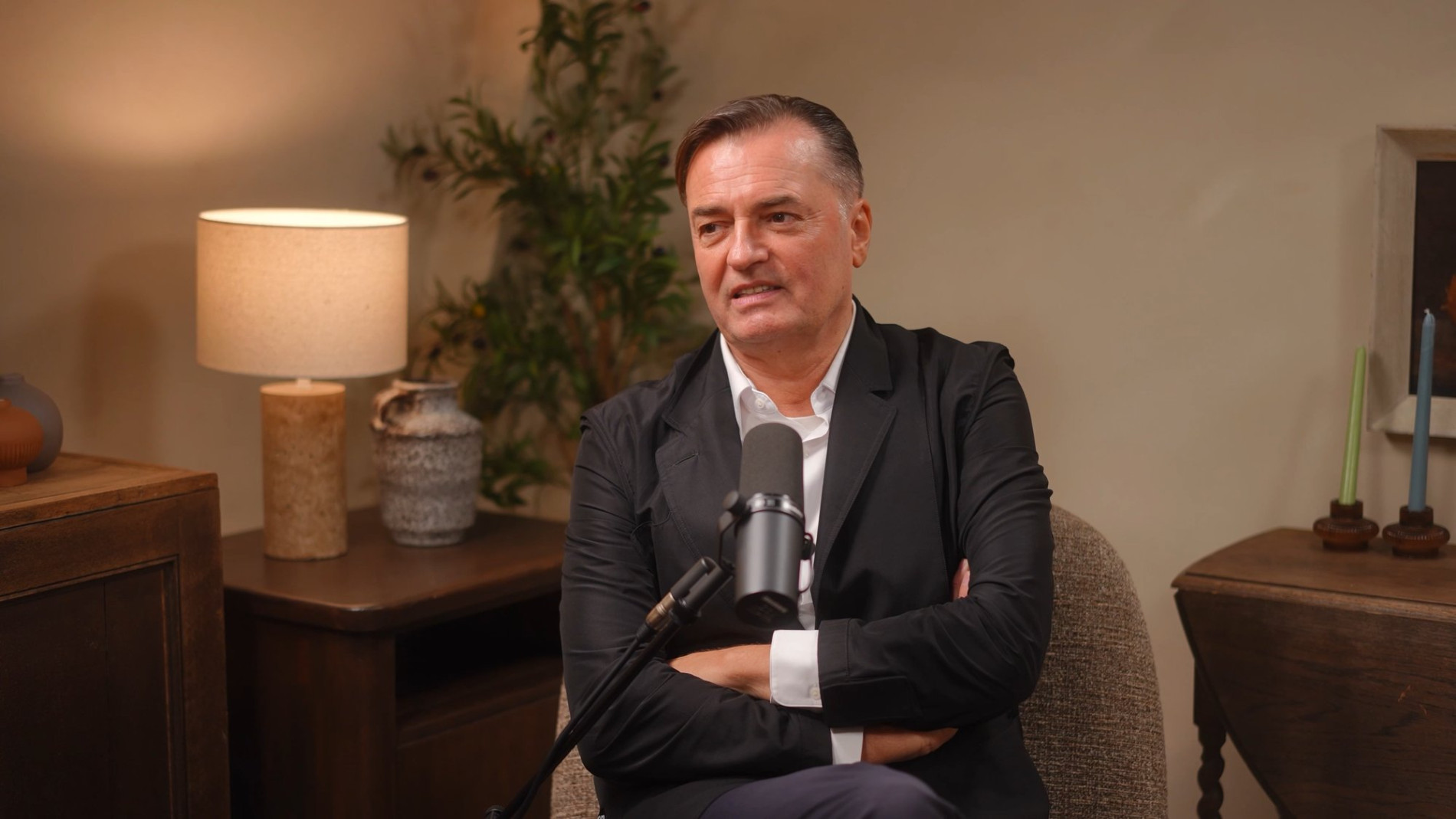
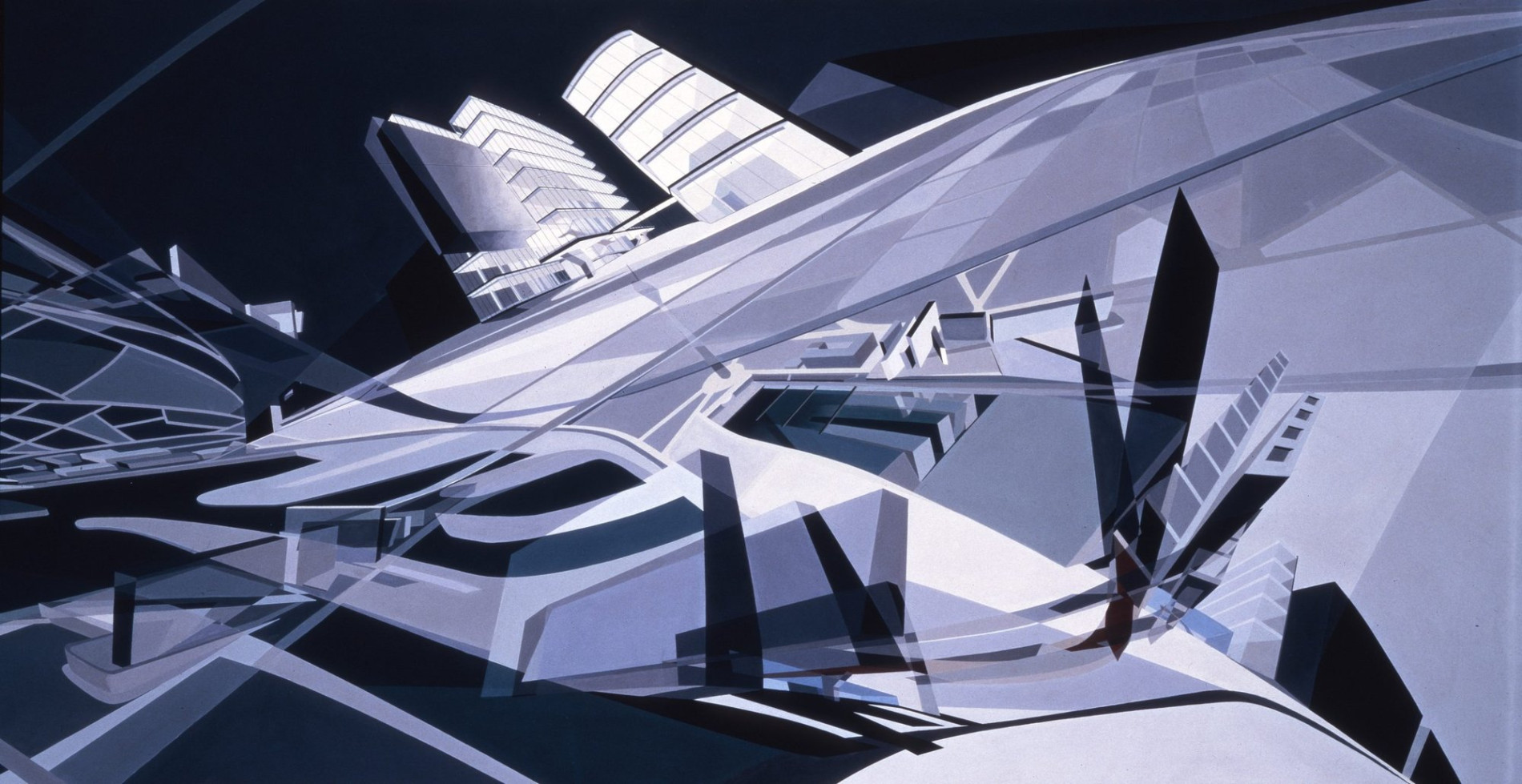
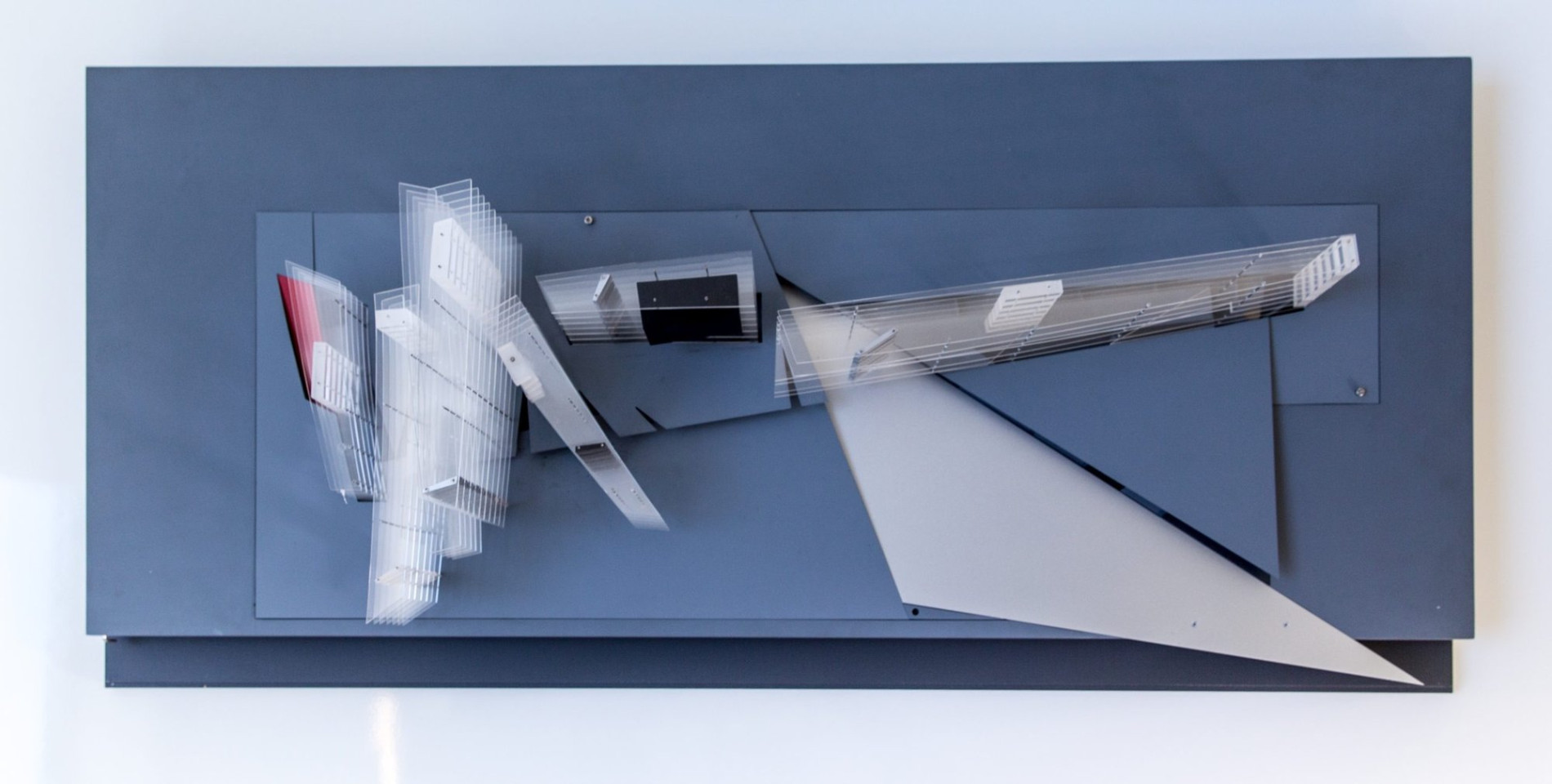
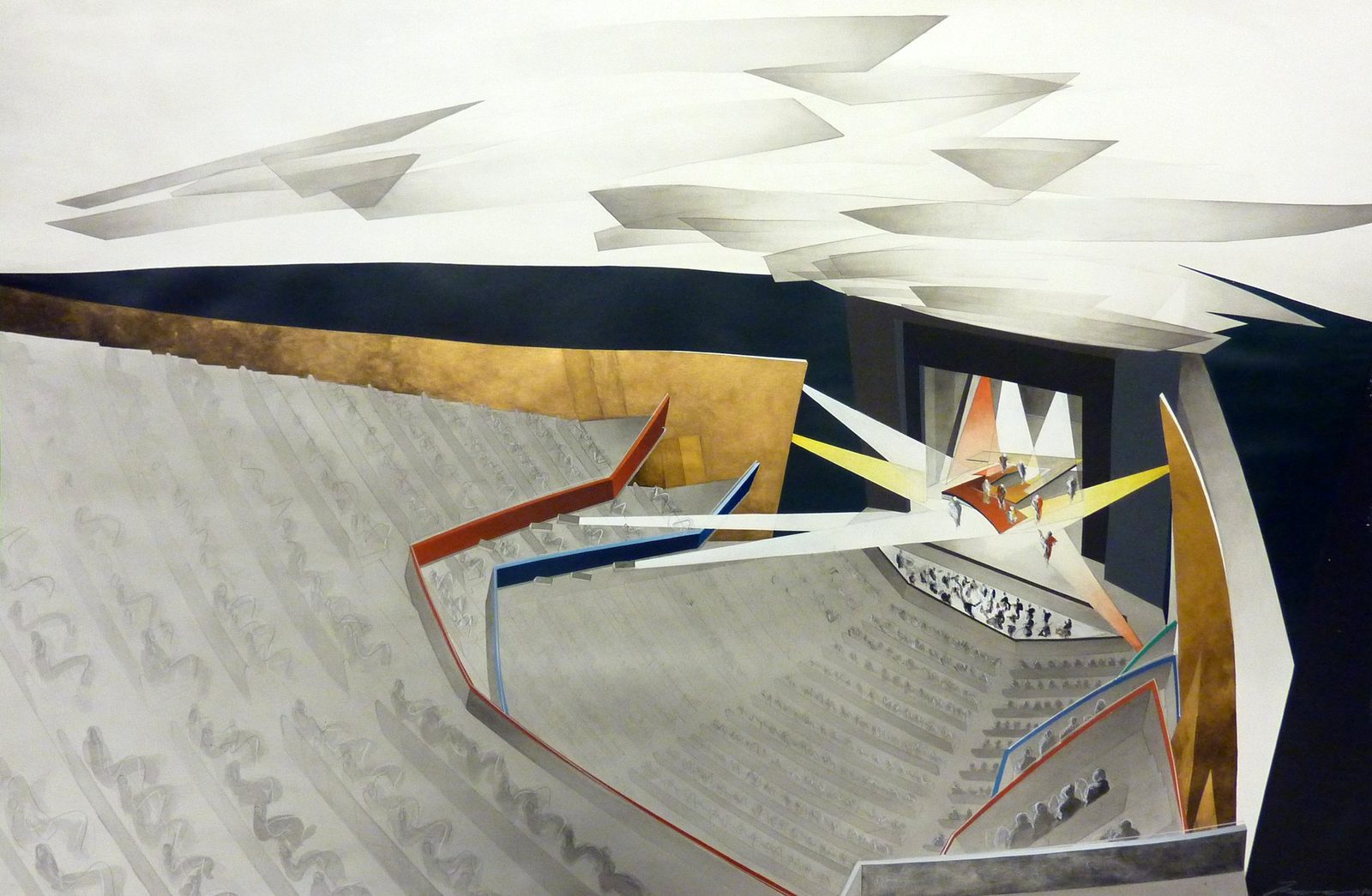
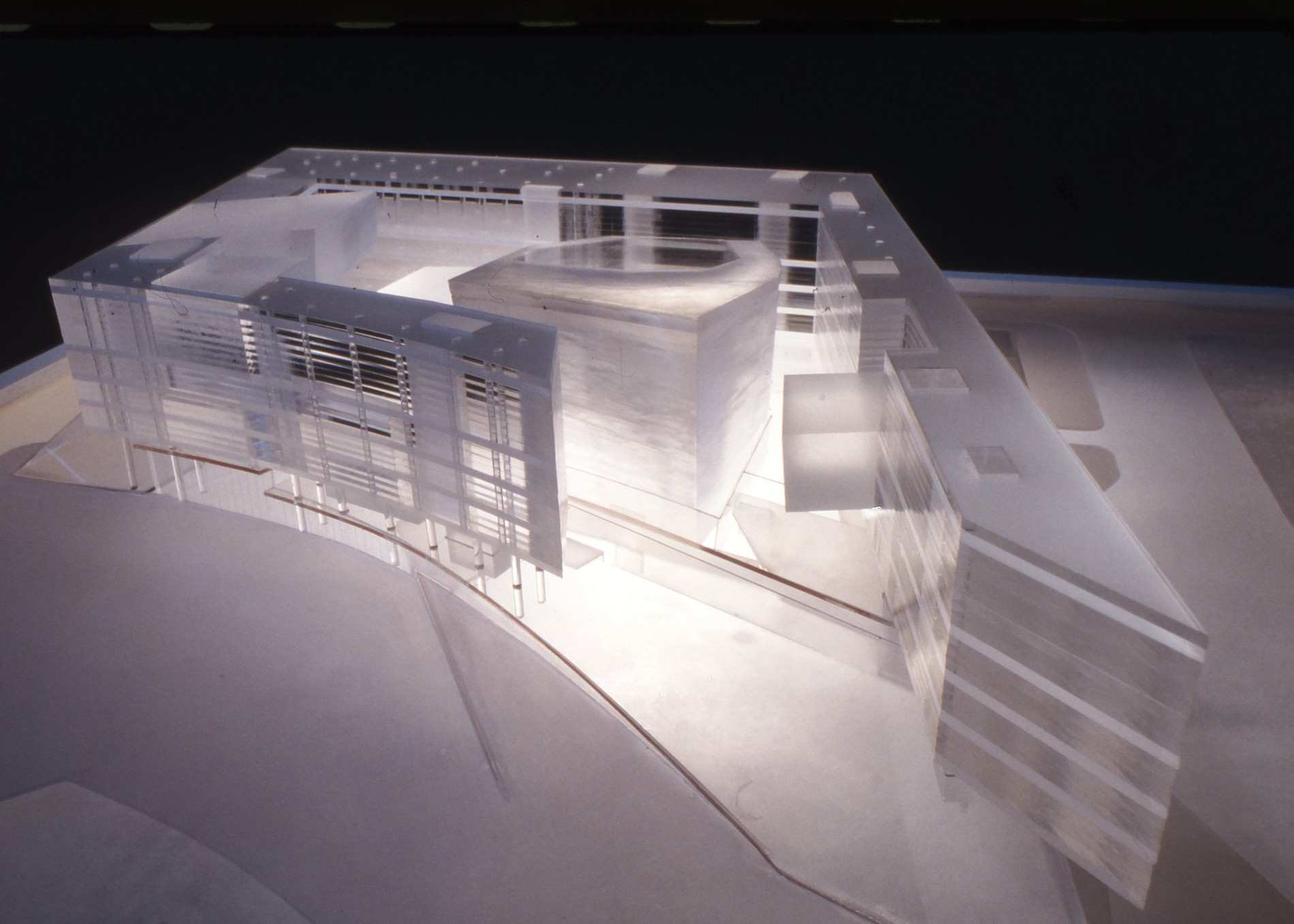
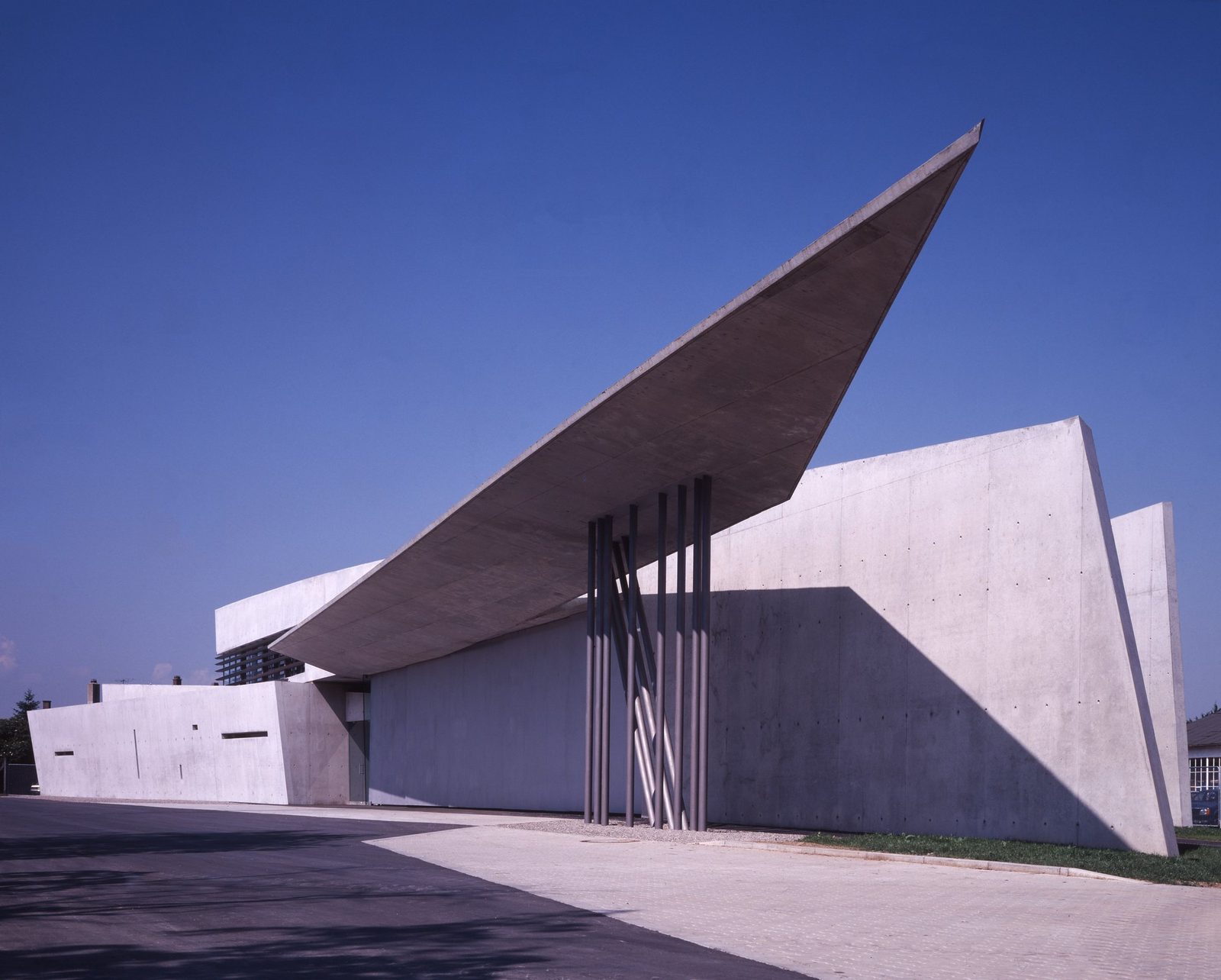
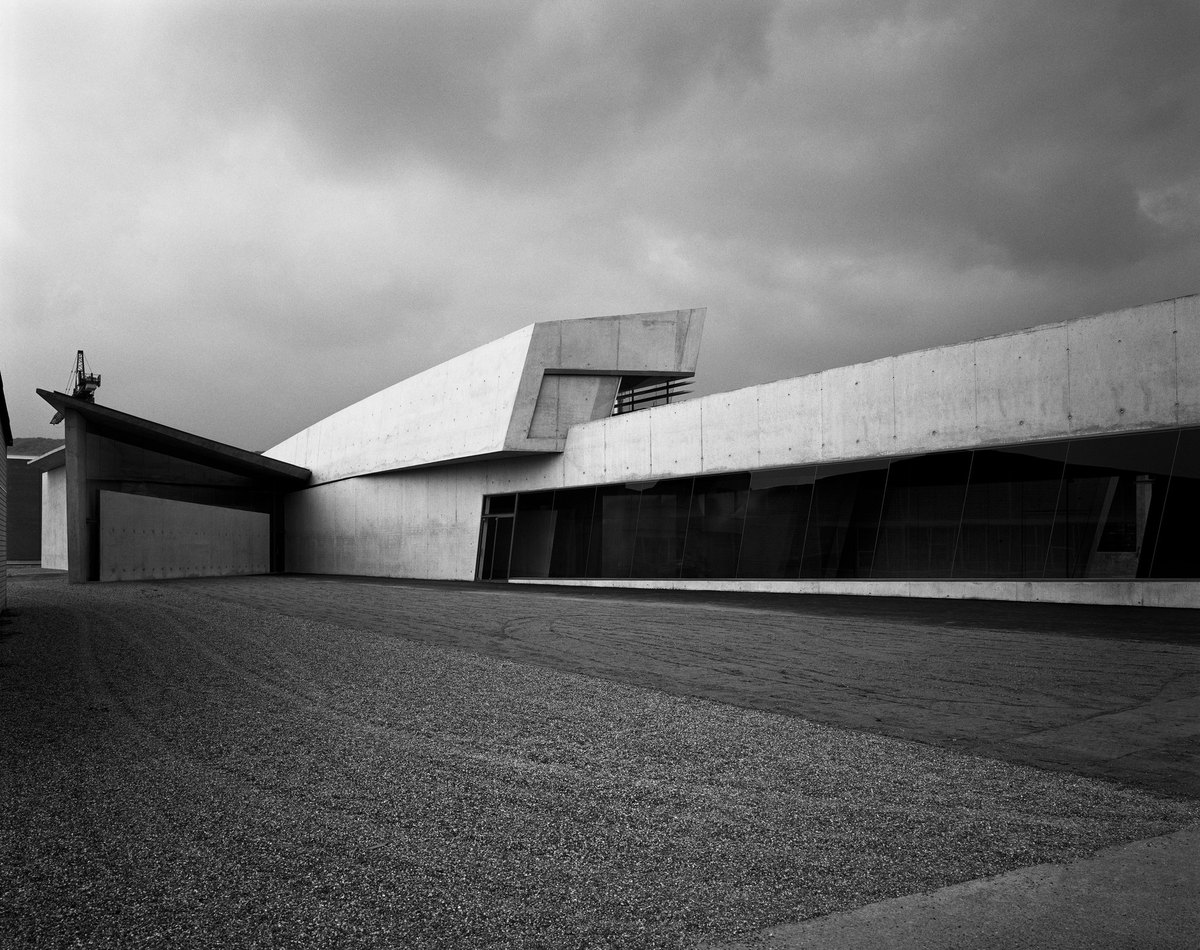
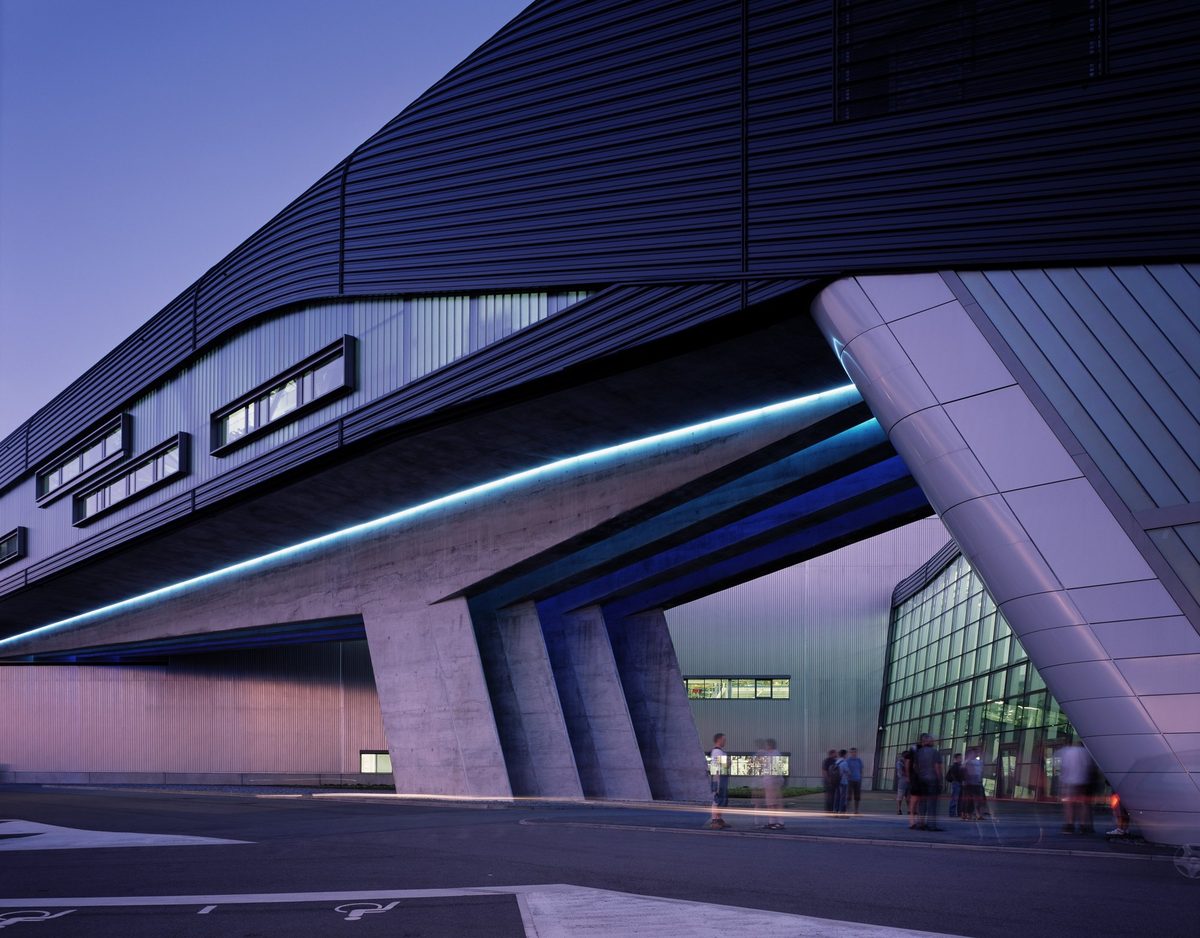
I was the guy sitting there, and it took forever to get the design right, because Zaha knew this client would build it, and we were unhappy with what we had. The client kept wanting it. We finally started in 89 and delivered in 93, but to our satisfaction. A beautiful project. Philip Johnson showed up for the opening. Wolf Prix was there, and Jacques Herzog, who hated each other. A beautiful breakthrough, but a small thing.
I’d love to dive into Vitra, because you were so involved in it. Formally, you’re pushing at something new. Did the construction methodology exist at that time?
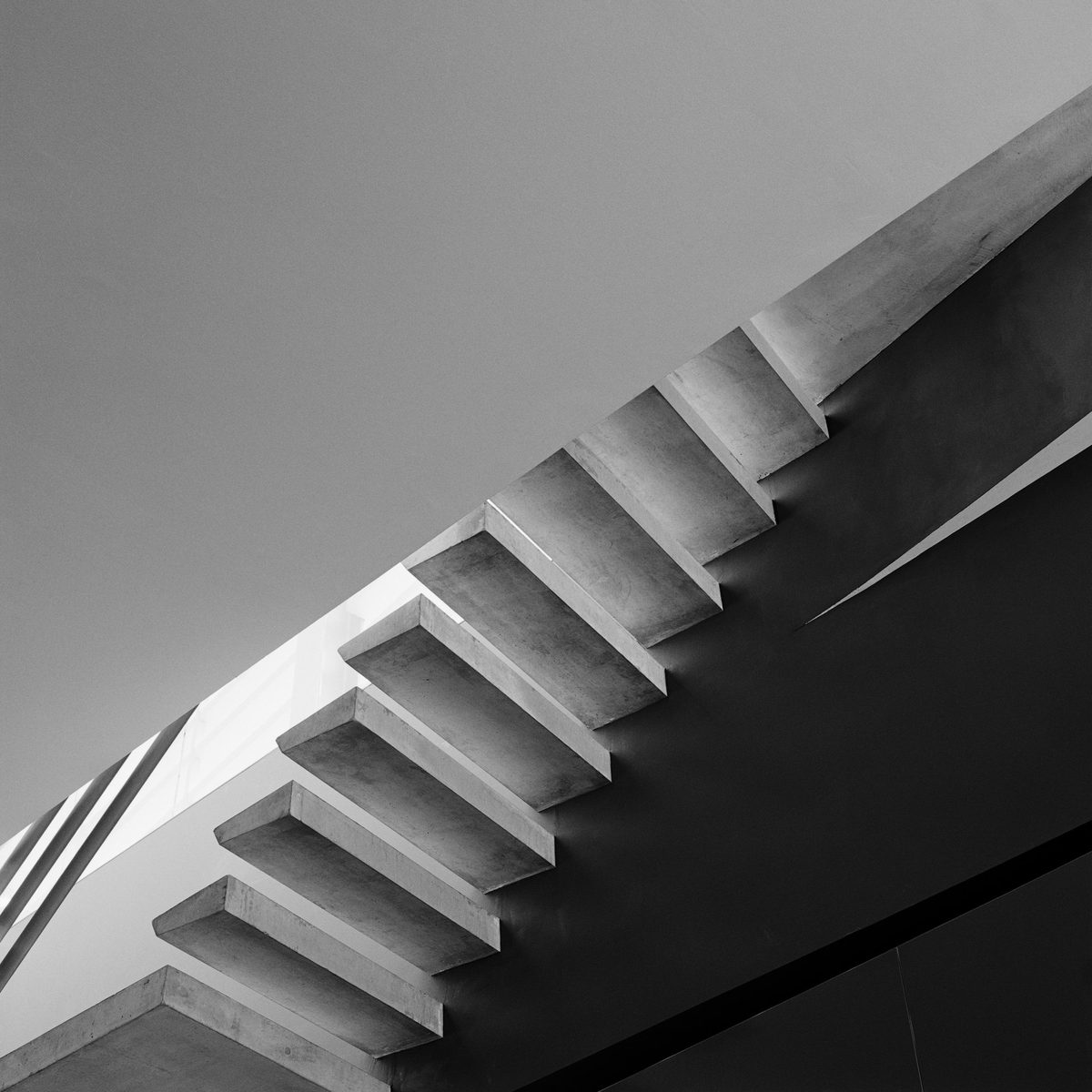
Construction wasn’t the difficulty. We had a good local architect who was a concrete expert. The difficulty was getting the design right. A fire station for a factory is a big garage and a few ancillary rooms. It was tough to break that up into sliding walls and flying roofs, and bring in a second level, which wasn’t needed, because the firemen have to shoot down. So it took a long time, and we expanded the idea into a whole landscape along the axis. The client was extremely patient.
It suddenly had to be the manifesto through which everything she had been thinking about is delivered. Not the appropriate vehicle, in a sense, but that’s how manifesto projects go. The Rietveld Schroder House for De Stijl: suddenly a small suburban house has to deliver the new concept of space. Similar here. And part of the ethos was that it would fit the functions properly, express them and fulfil them beautifully. That was the perfectionism, the frustration of working with one’s own imagination. That’s where the problem was, not the construction. In the end we had a pristinely designed thing and cast it into concrete, with one instruction: no chamfers. Every corner is crisp. Very long spans, and it was feasible. We had the right intuitions and we had an engineer. The technical translation wasn’t the difficulty. It was the creative struggle.
At what point did you move from collaborator to Zaha’s number two?
Early 90s. I was involved in the design of Dusseldorf, and quite a lot in Cardiff. By the way, Cardiff was inspired by a James Stirling project, though you won’t notice it immediately, and Vitra by an Arthur Erickson project. Going through books, for the fundamental spatial concept. By 93, 94 I was teaching with her at Columbia and Harvard, and more or less established as the number two. But still working until midnight, running teams and drawing. I did that with MAXXI too, after we won the competition: drawing every Sunday through the night, flying out every Monday morning to deliver the next stage. That was the one where I was most hands-on. For the later stages we had a Rome office and it was handed over. So my own experience of running jobs and the technical side is quite limited. We are both fantastic at delegation, and Zaha delegated through me.
That’s been great for the company, because so many people got to take on real responsibility, in the creative process too, because there was internal competition. There were always three or four or five sketch attempts. In this period the computer came in, and the productivity gains were enormous. Cardiff was still ten people scratching and inking and breaking their backs. A year later, for the V&A, I could do all the plans myself, as layers in VectorWorks, and a 3D model.
In the 90s we did a lot of over-ambitious, super fluid, super complex projects. All lost. The IIT we lost to OMA. The Kunsthaus Graz, the most ambitious one, we lost to Peter Cook. Quebec National Library. The Reina Sofia. The Royal Collection. The Islamic museum in Qatar, which went to Pei. Fantastic projects which I look back on fondly, and Zaha loved them. At that point my mind was, I don’t care if we win or lose, I want to do these fantastic ideas, and we published, and books were coming out. But after a few years you learn you can’t win like this. So it was a conscious decision, on my part too: okay, enough of that. How can we win these jobs?
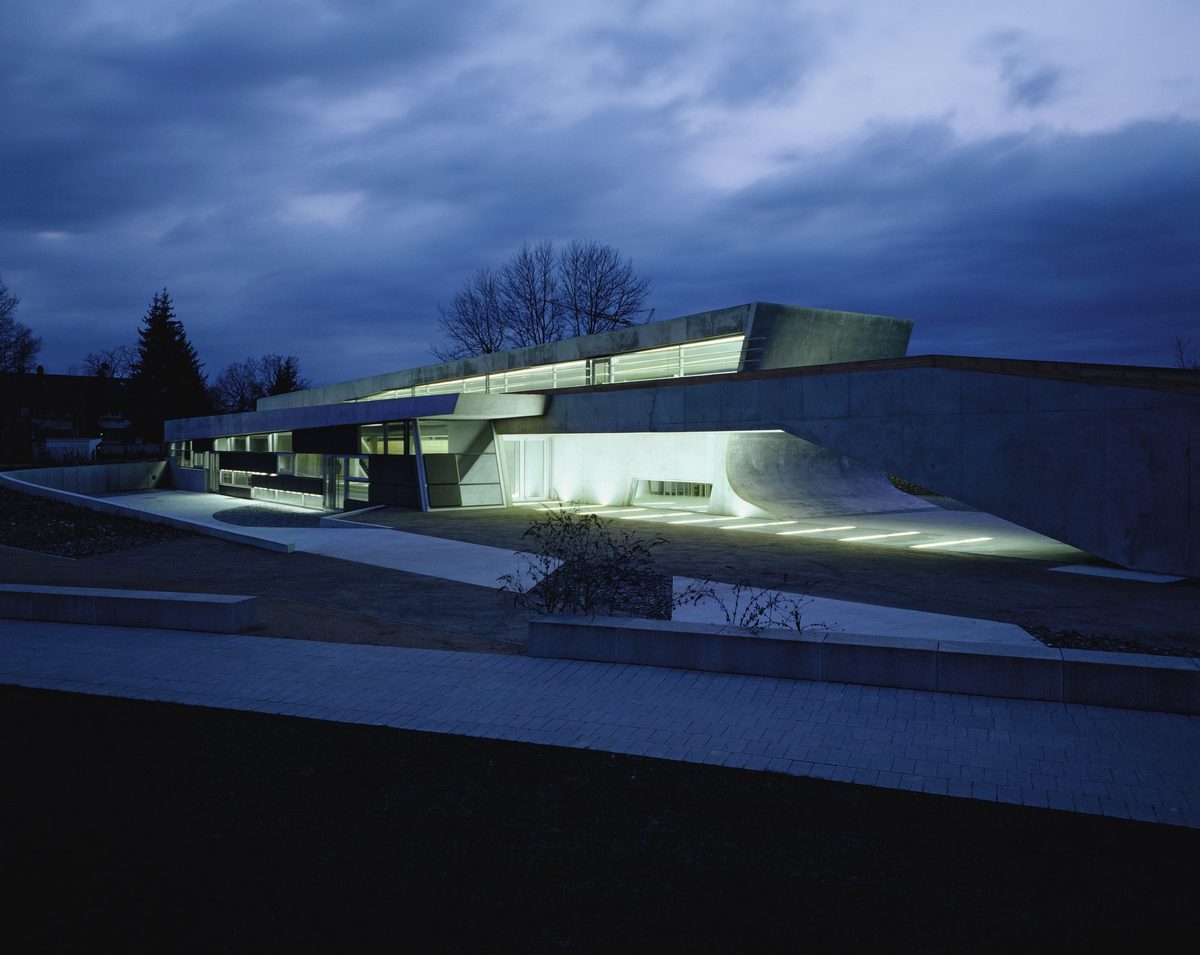
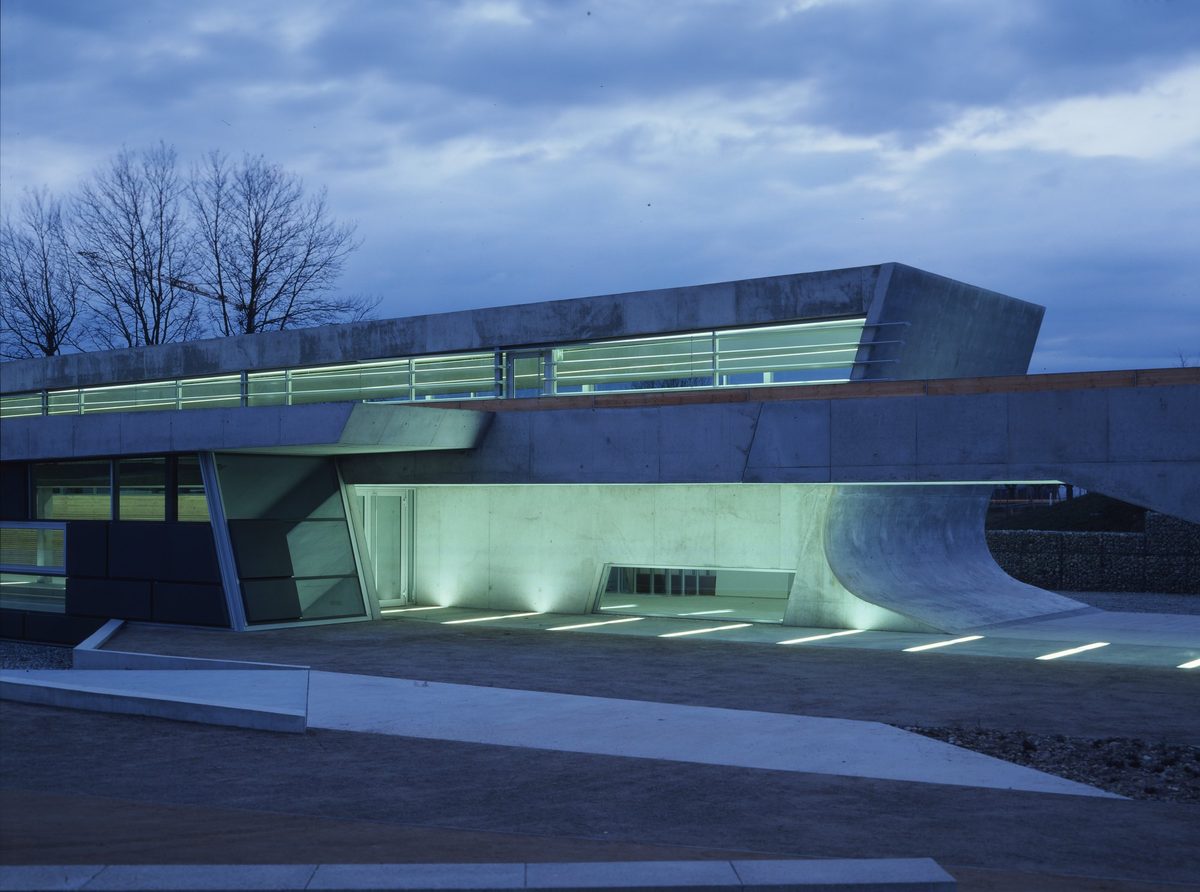
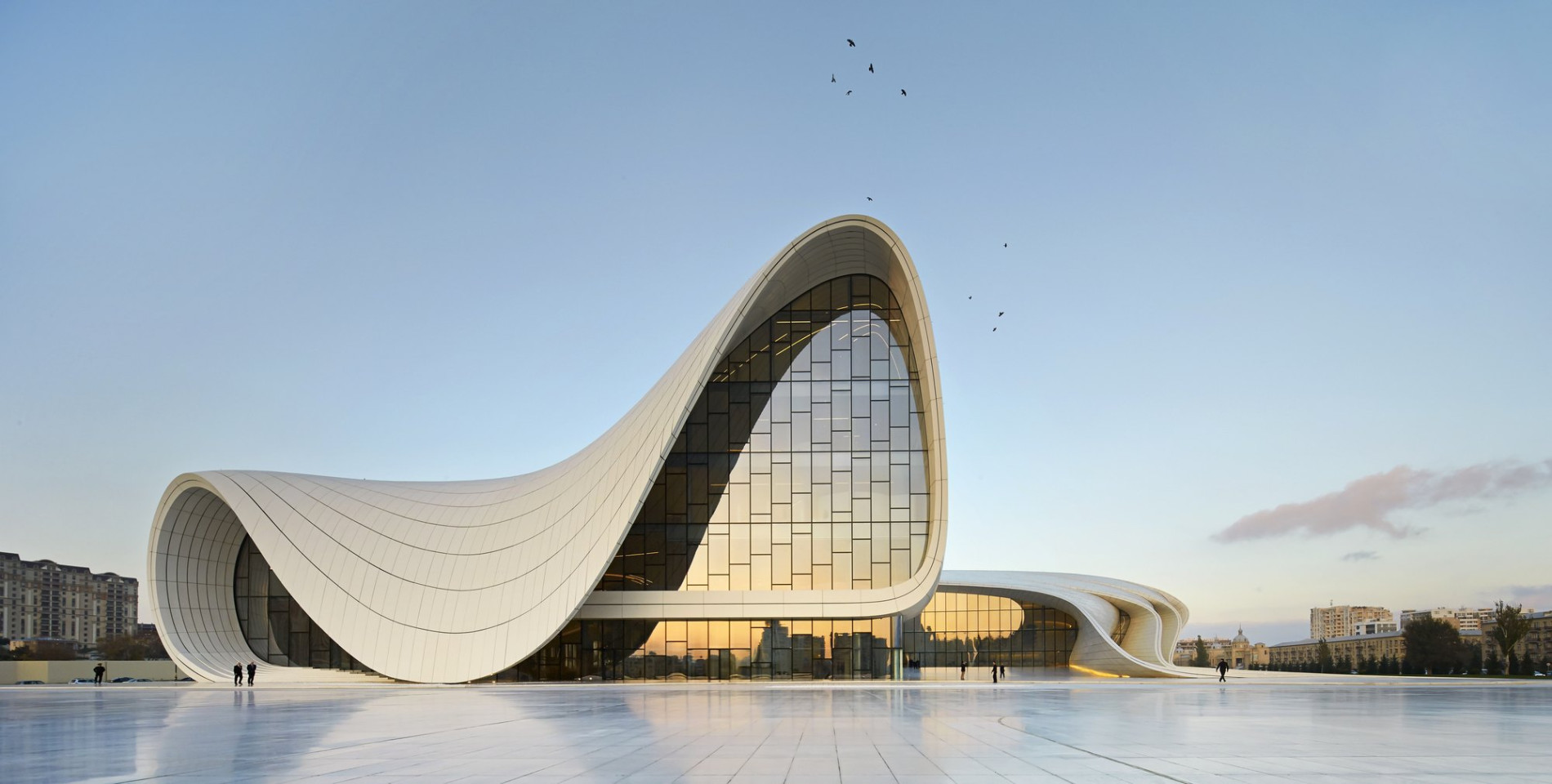
We scaled back the complexity and zoomed up the precision of modelling, rendering and model making, to make it credible and convincing. That worked incredibly well. We won three major breakthrough projects: Cincinnati, MAXXI, the national museum in Rome, and the Wolfsburg science centre. Then Salerno half a year later. Four projects, all built now. From years of going absolutely nowhere to hitting it home. There was an appetite for something, we had to make it credible. MAXXI has no double curvature in it. All of that came much later, with Dongdaemun and Baku. Wolfsburg is the most complex, with its double curves and double fanning space frame. MAXXI was deliberately precise, simple: only cylinders, straights and cones. There is always a bit of luck, but that we hit home like this was the next thing.
“I don’t care if we win or lose, I want to do these fantastic ideas. But after a few years you learn you can’t win like this.”
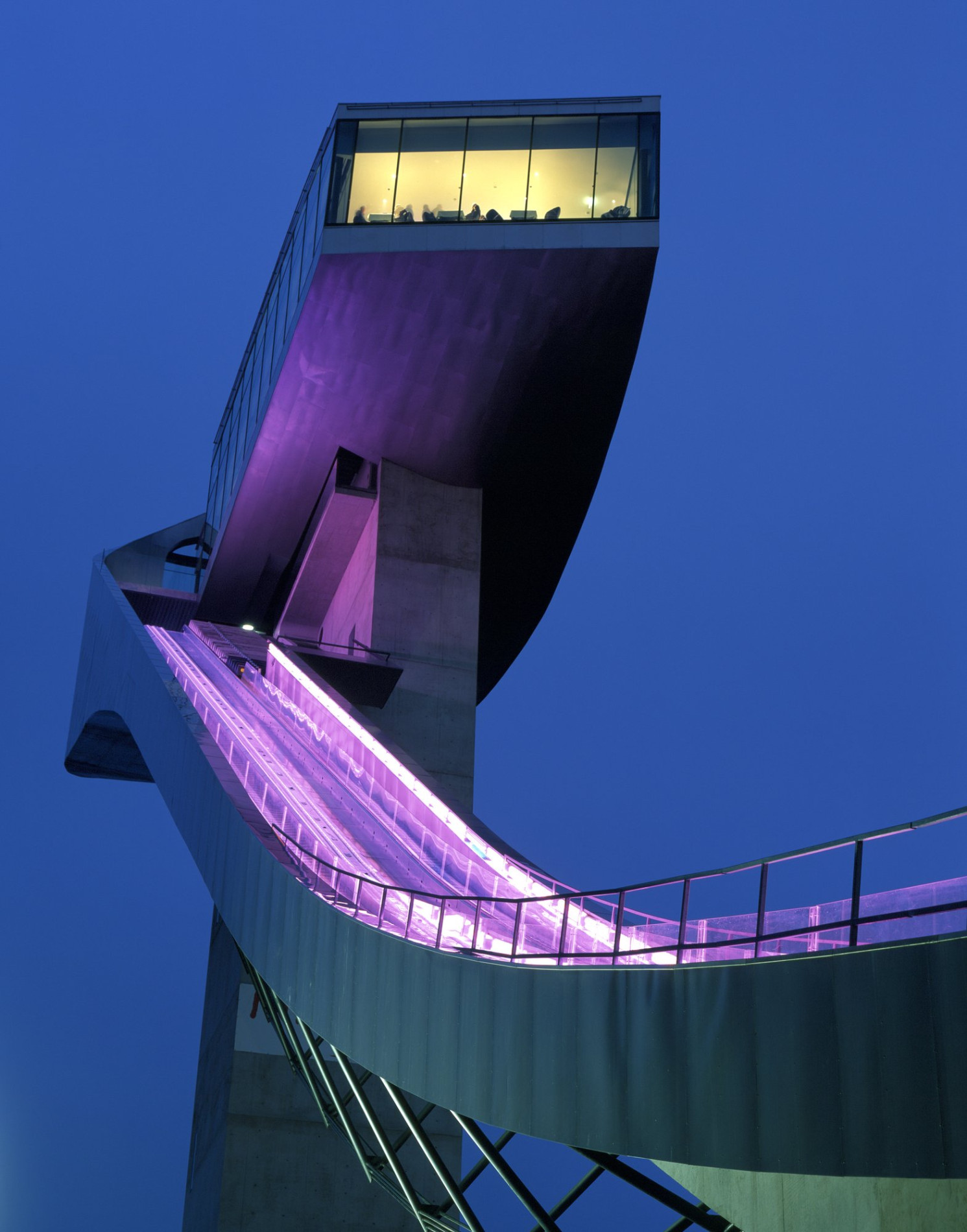
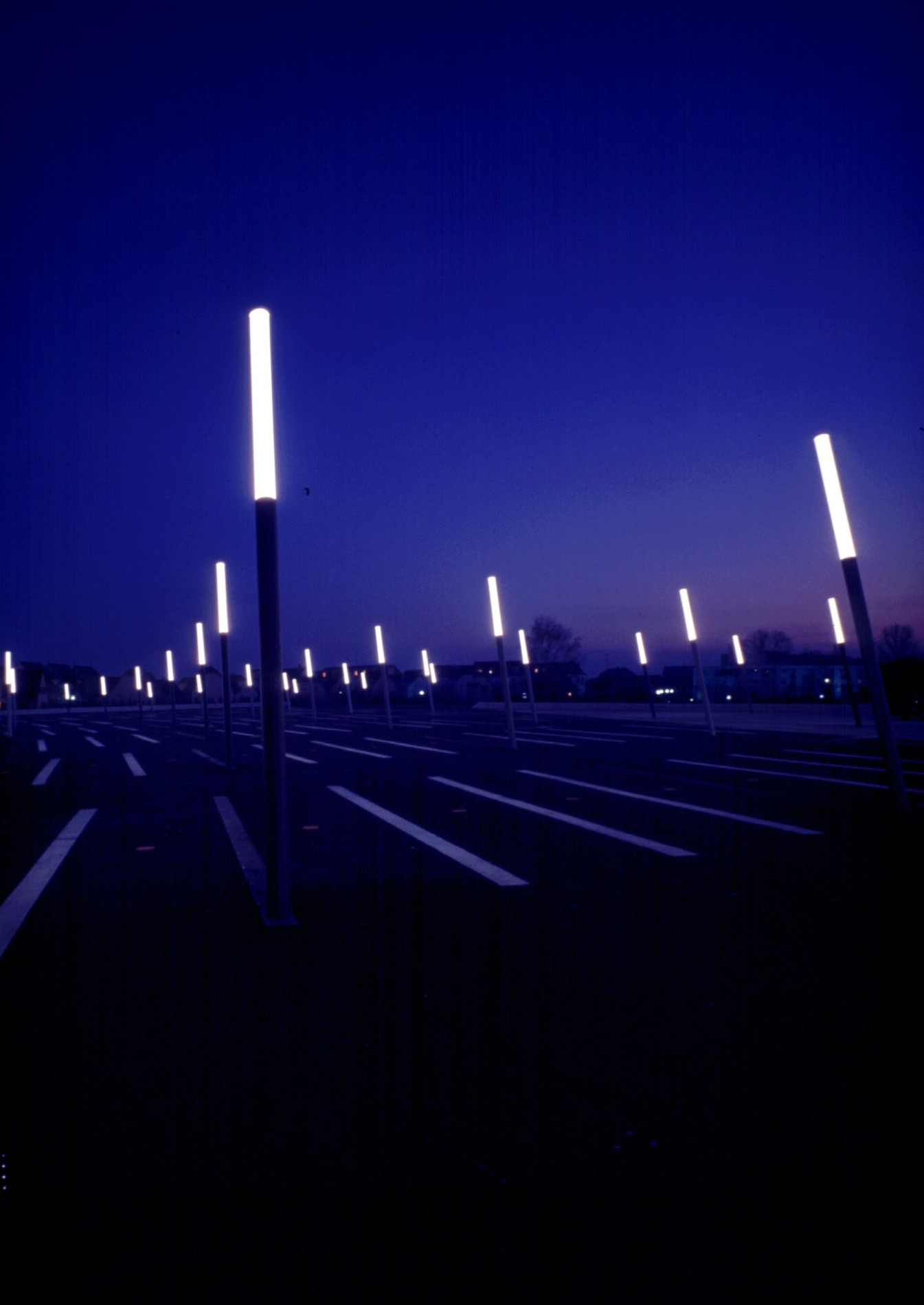
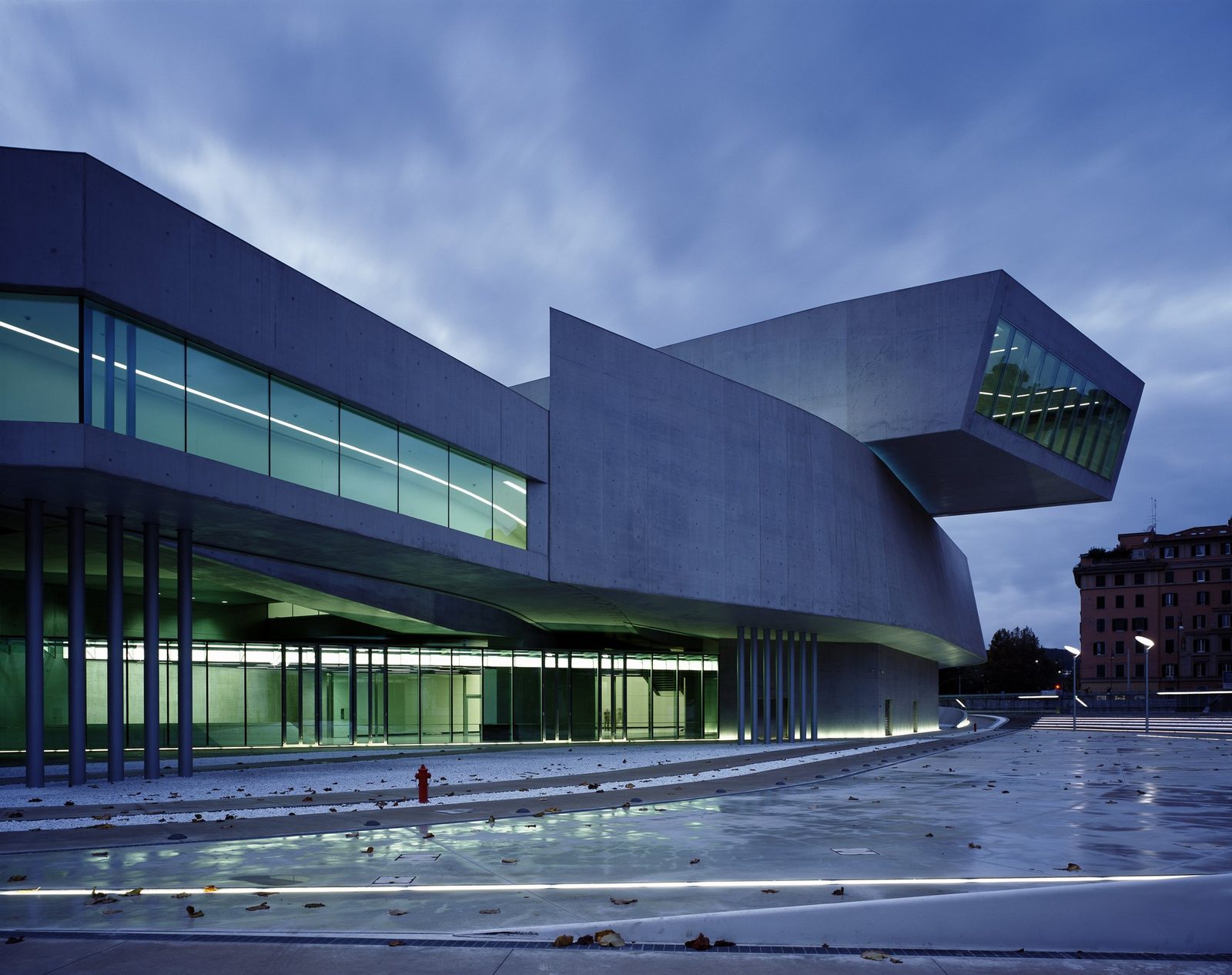
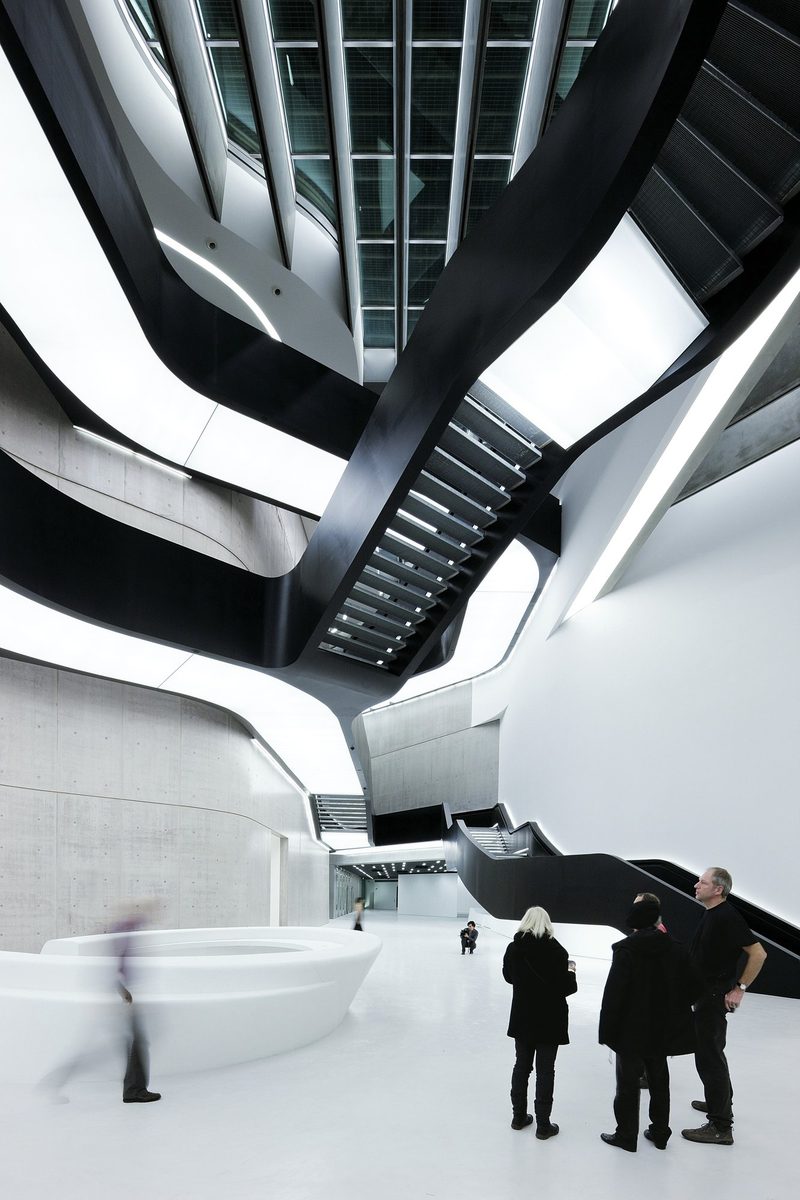
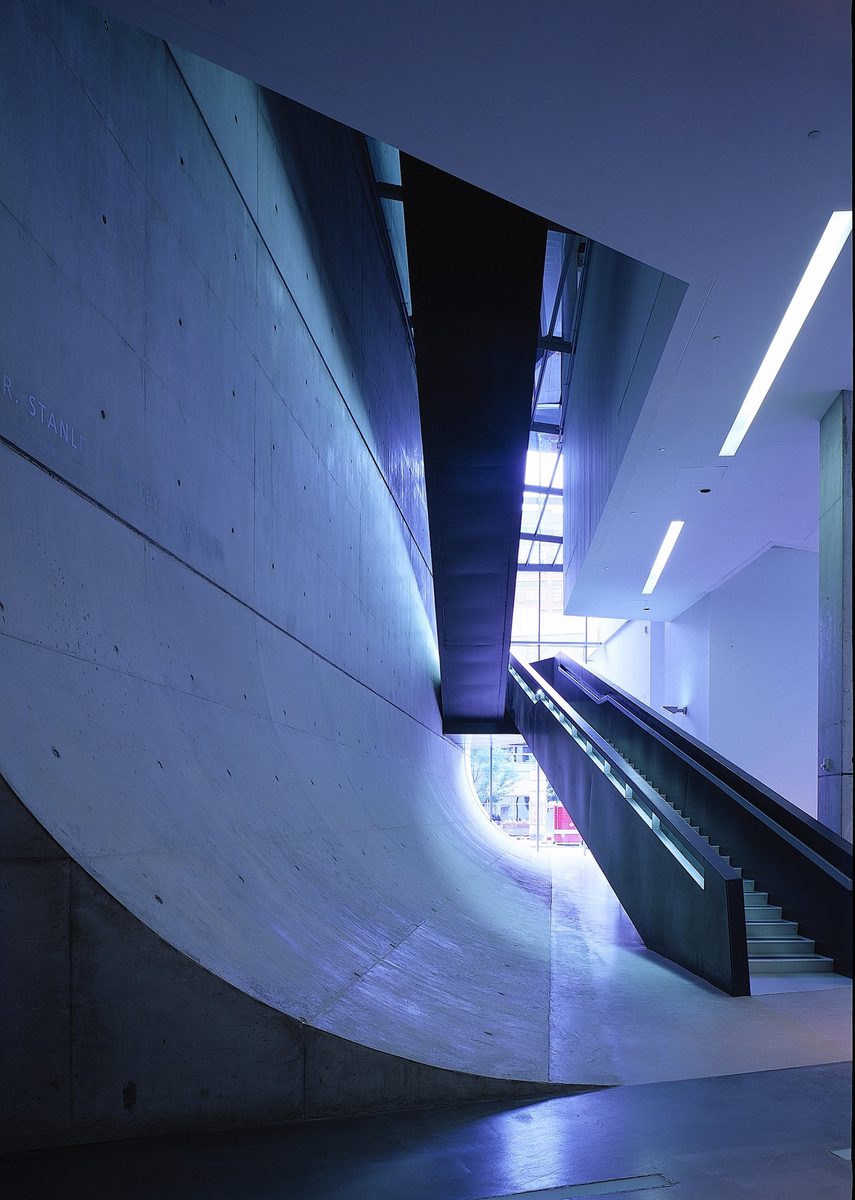
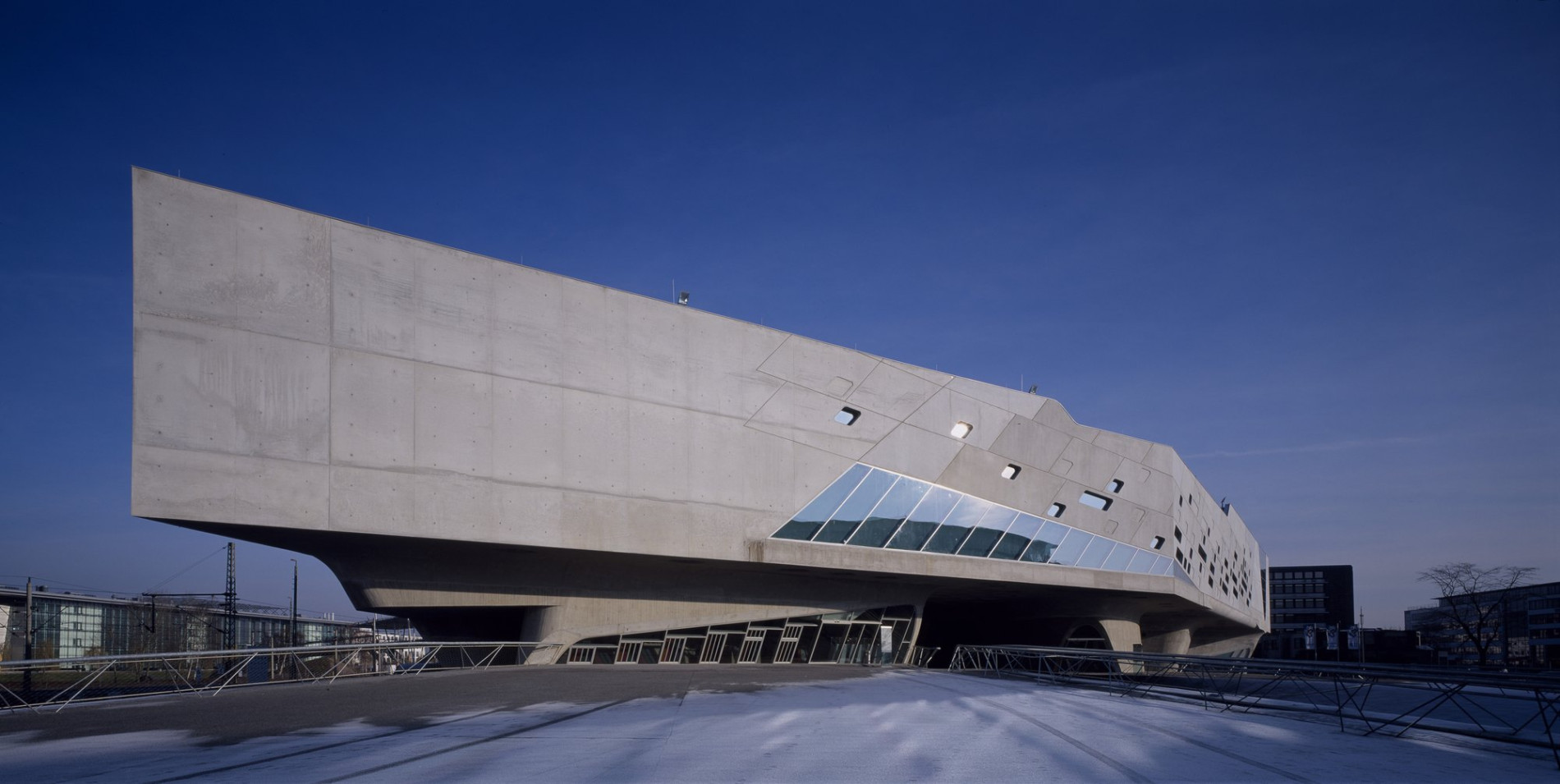
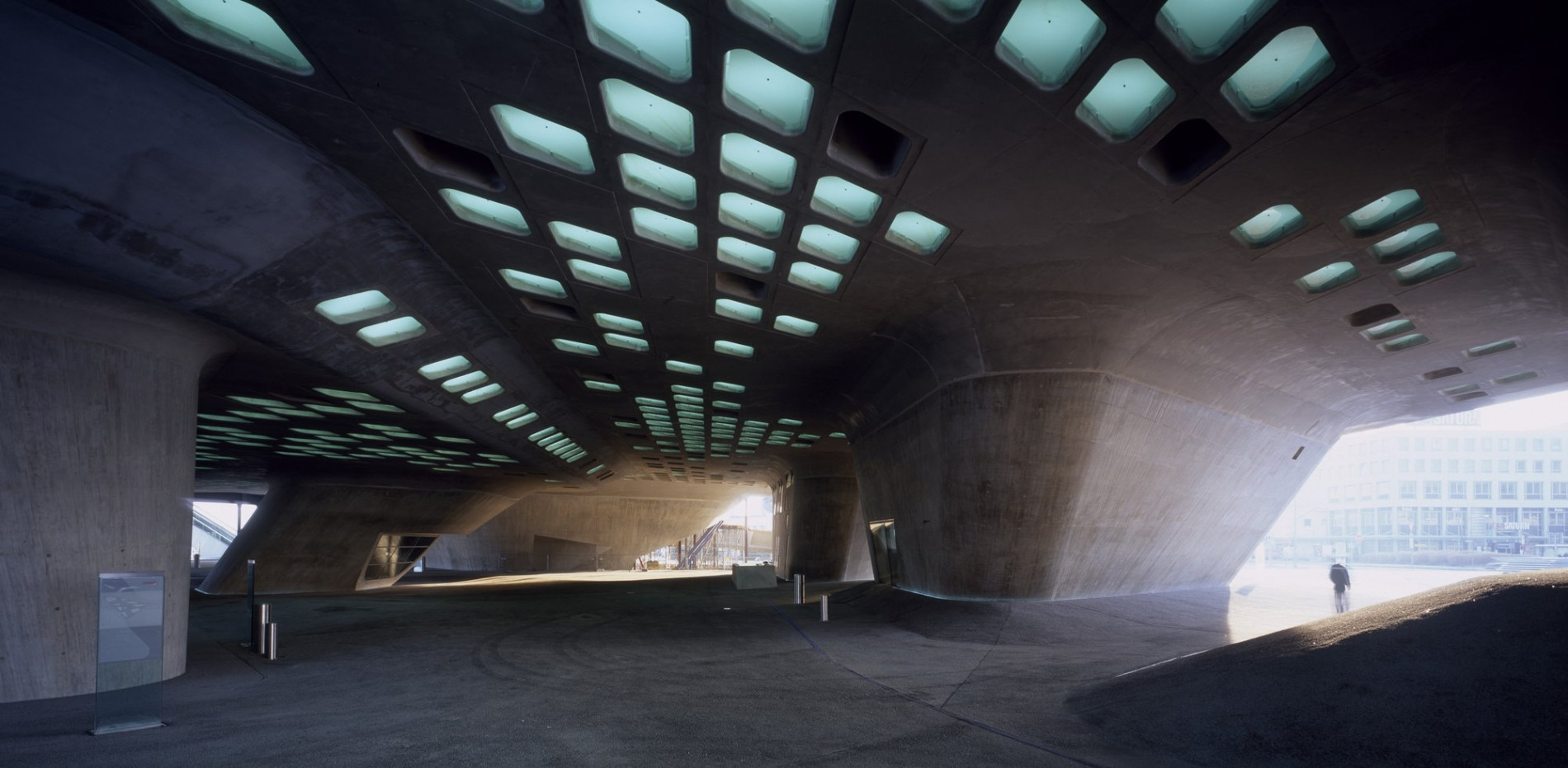
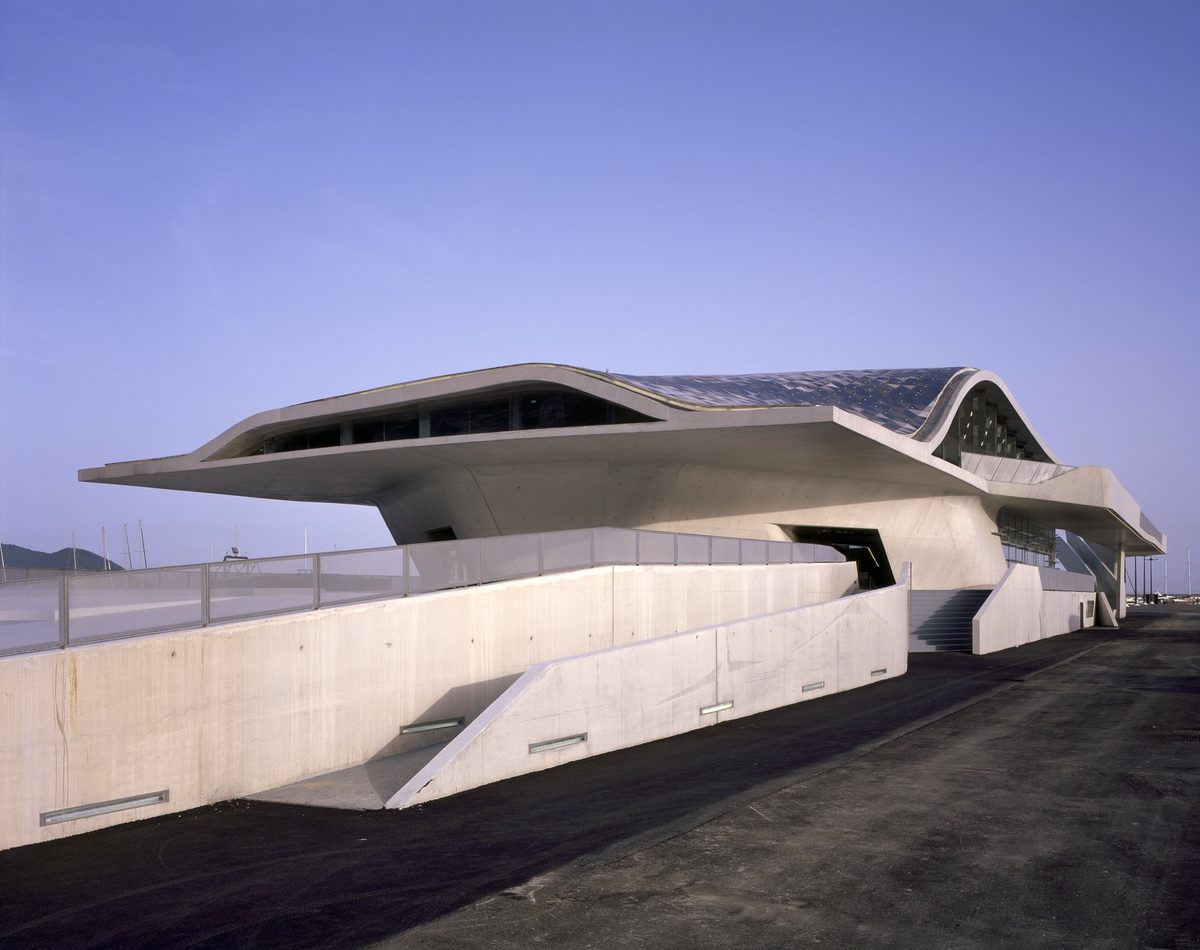
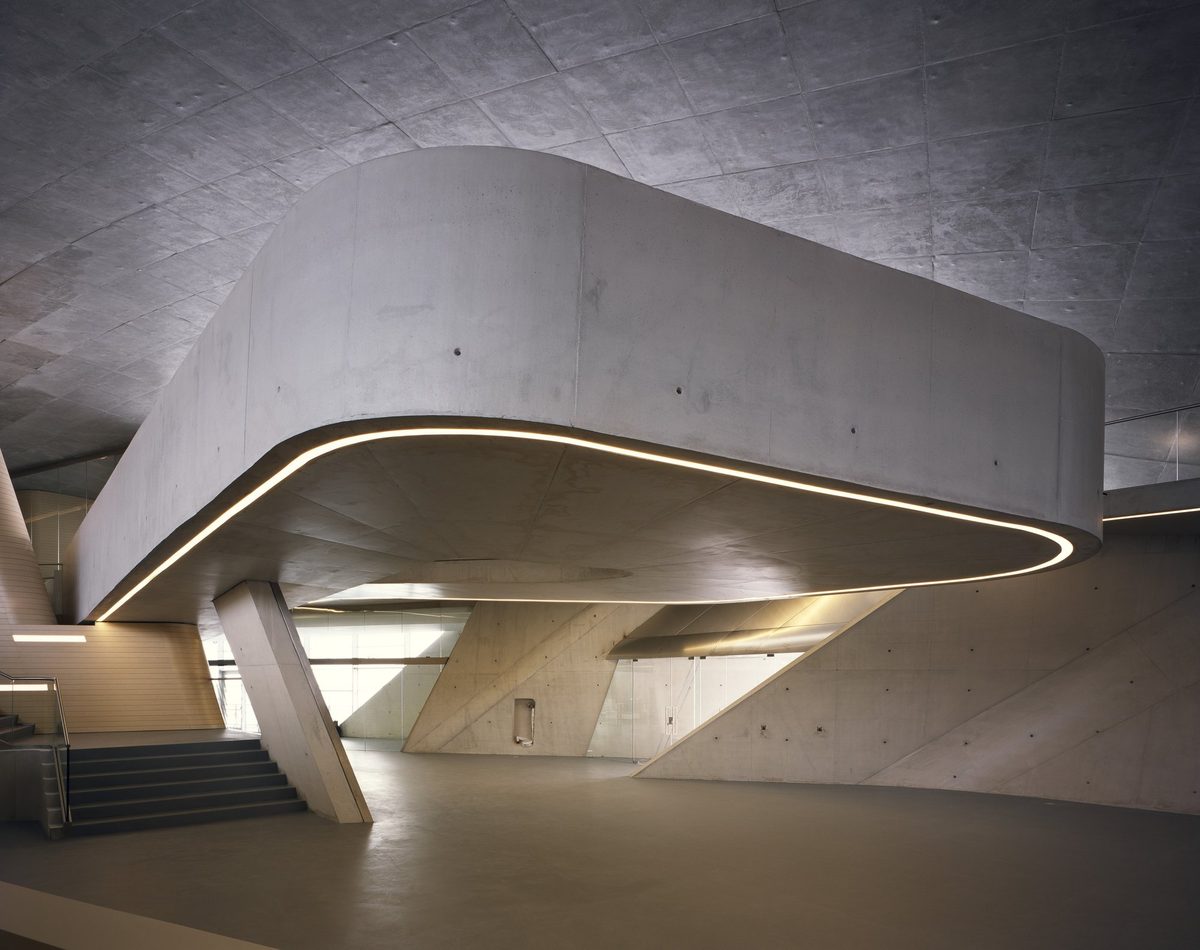
We were still quite small. The big take-off was this crazy boom and bust cycle from 2005 to 2008, all over Europe, Dubai like crazy. That’s when we moved from 40 to 450 within three years.
It’s crazy when you think about that roller coaster.
I loved it.
Does size inherently change things? Does it bring stability?
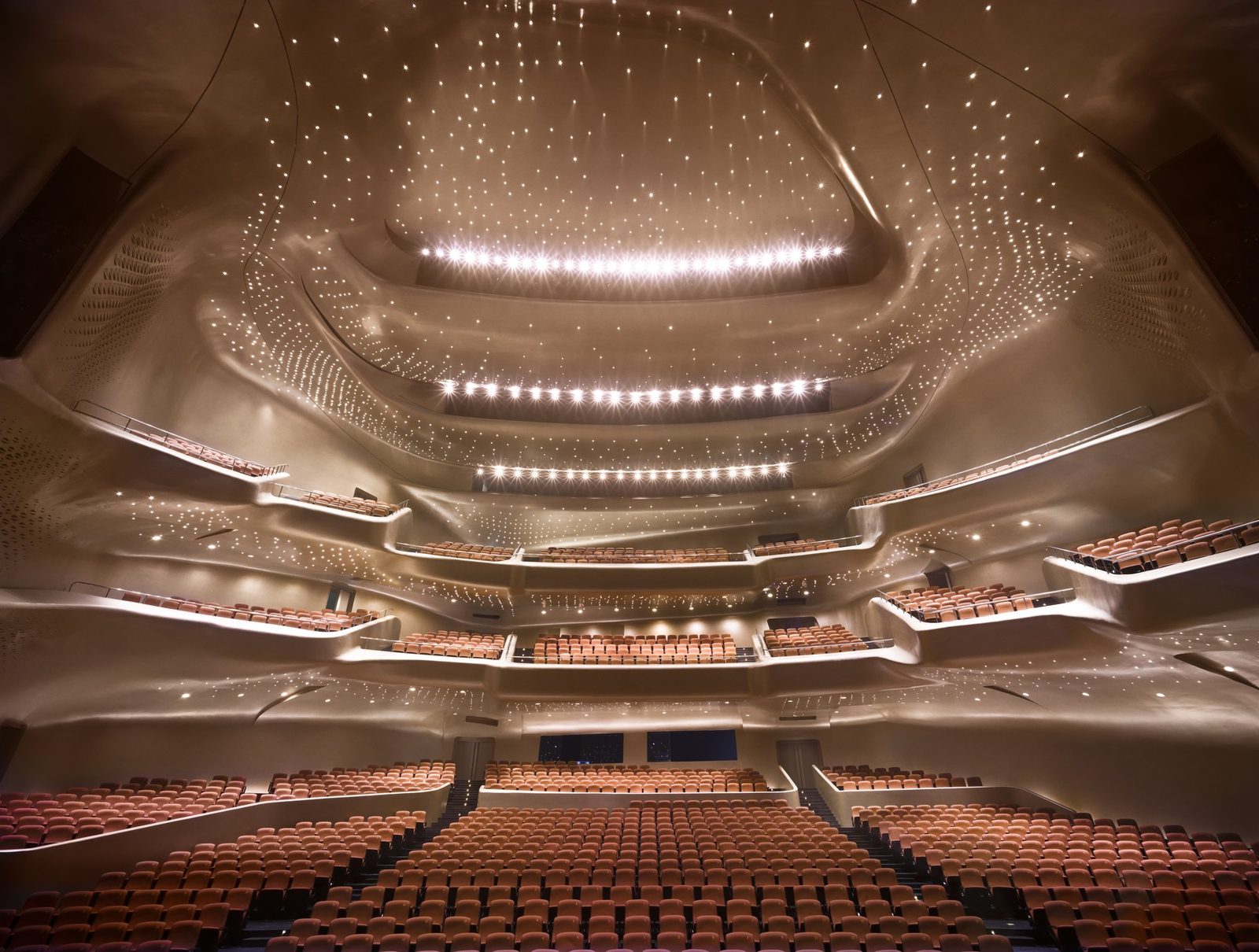
It was crazy, but we were still growing semi-organically, because we had all these networks. We had been teaching at Columbia, Harvard, Yale, and in particular the AA since 96. Many student generations are now on the board and in the directors’ group, through all the layers. We had done the Vienna master class, 67 people, then hired the whole DRL studio, 30 people a year. And there was such dynamism, in the Middle East and in China. The Guangzhou Opera House, the BMW project. I knew, okay, we have a competition to do, will we pay them at the end of the month? And by then they had already earned their keep and we were winning. Zaha was the owner, I had nothing, so I was putting the risk on her, but my intuition said it’s not so risky. It worked out.
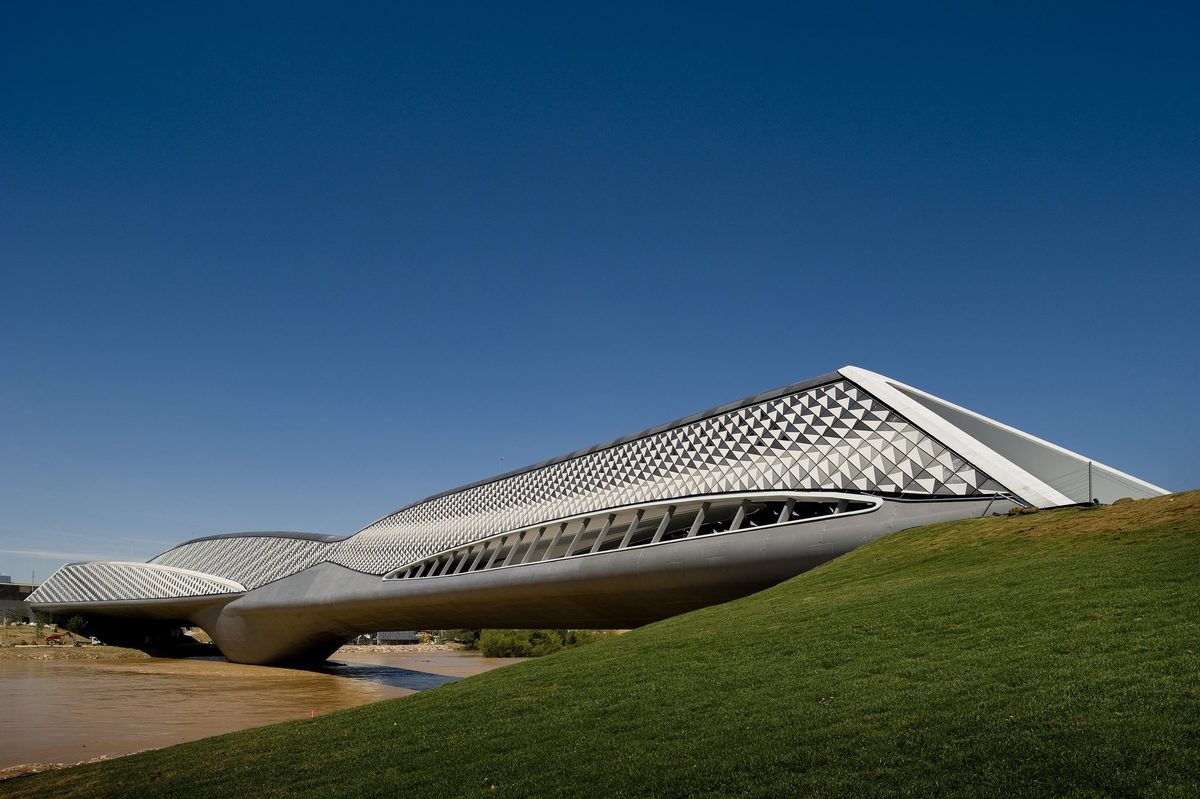
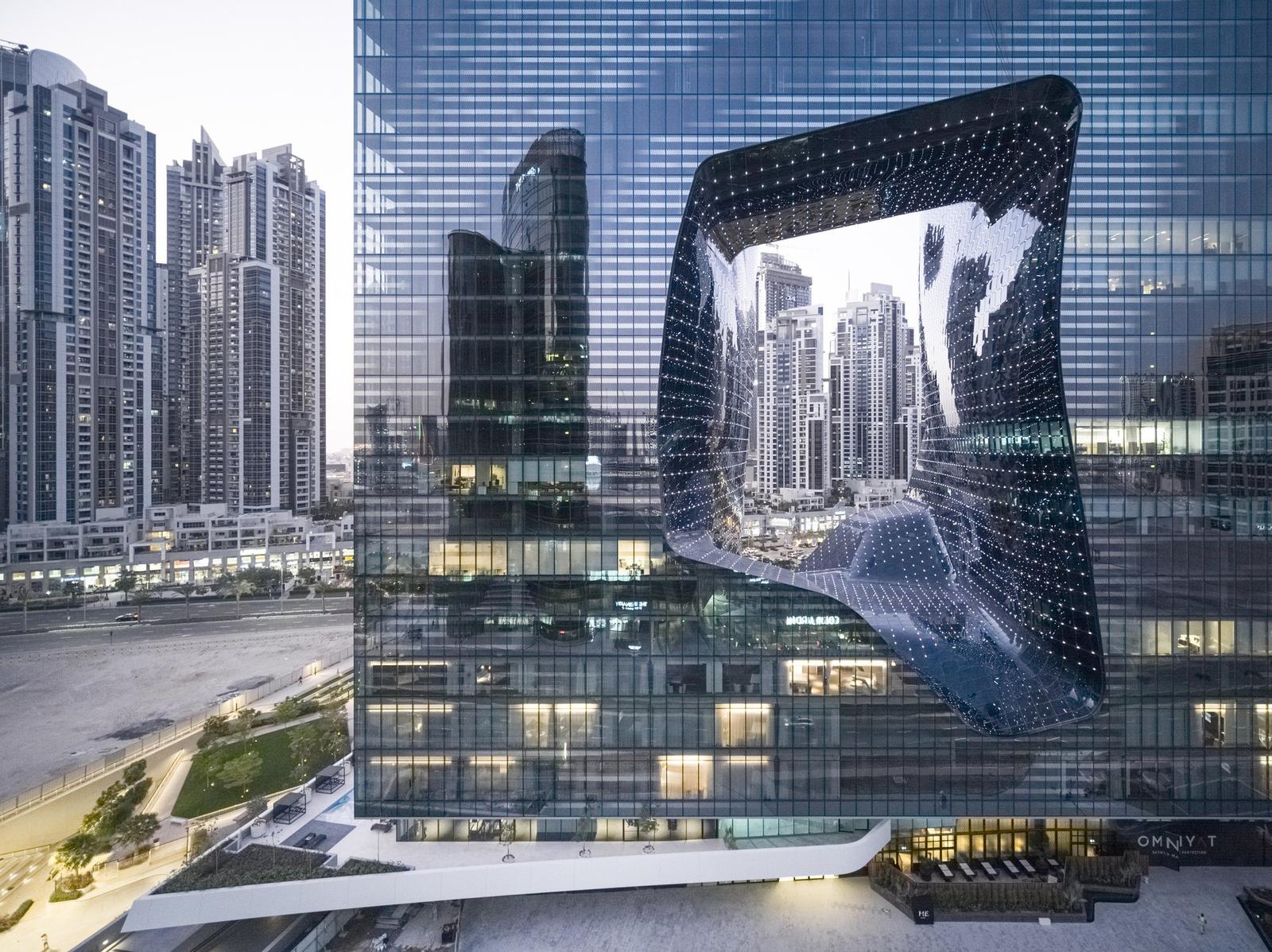
We took one studio after another in the same block on Bowling Green Lane, then jumped across the road, assembling the real estate as the projects flew in. We had a project in every city in Spain, one is half built. Dubai opera house, Dubai stock exchange, Signature Towers. Some of it came through, the third crossing in Abu Dhabi, the Opus, and we got crazy deals. We were all learning by doing, and these clients didn’t know the difference, because they were green and overwhelmed. It was fantastic. Then we had the luck of hiring Charles Walker, and Cristiano from Gehry, but everybody else was students. Charles Walker negotiated 30 million for the Dubai opera house, with a 10 million pound down payment, and we were all still on our super cheap salaries, flying business all over the place. I looked back on one of those years: I had been away from London every single week, two or three destinations. The crash came, but we survived. We kept going. I don’t think it’s repeatable.
When I started with Zaha there was no such company. Foster was 50 people. I visited Rogers and considered it, and then no, I’m going for Zaha.
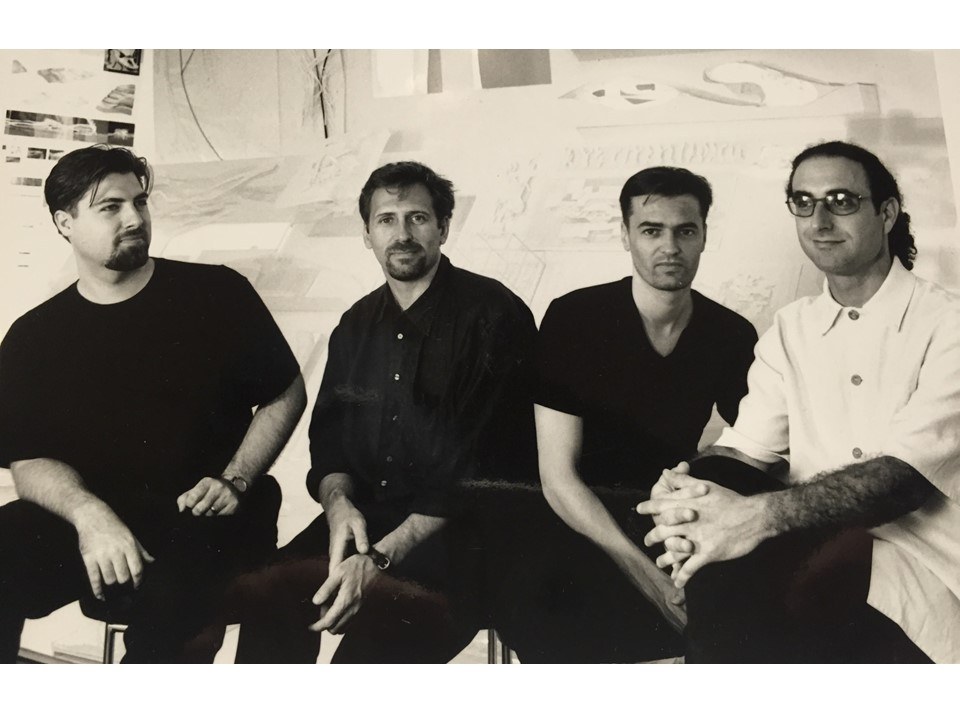
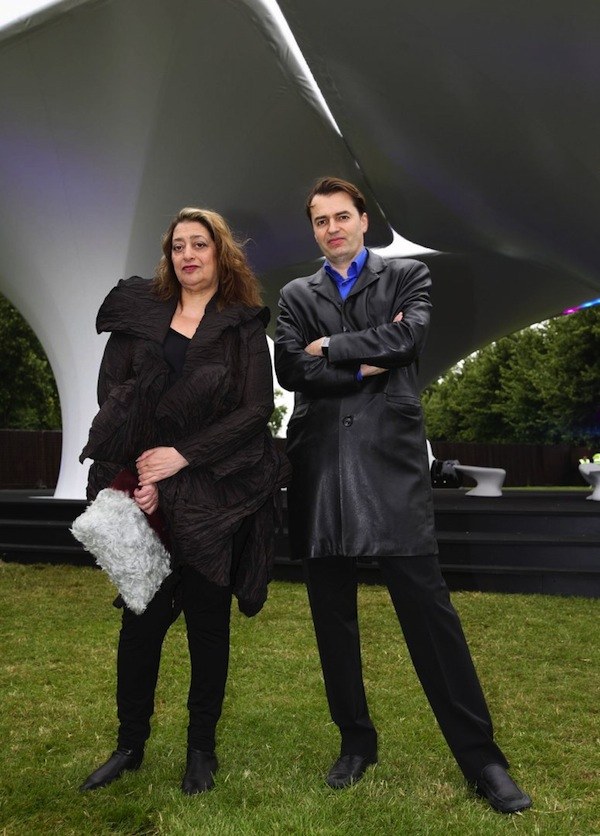
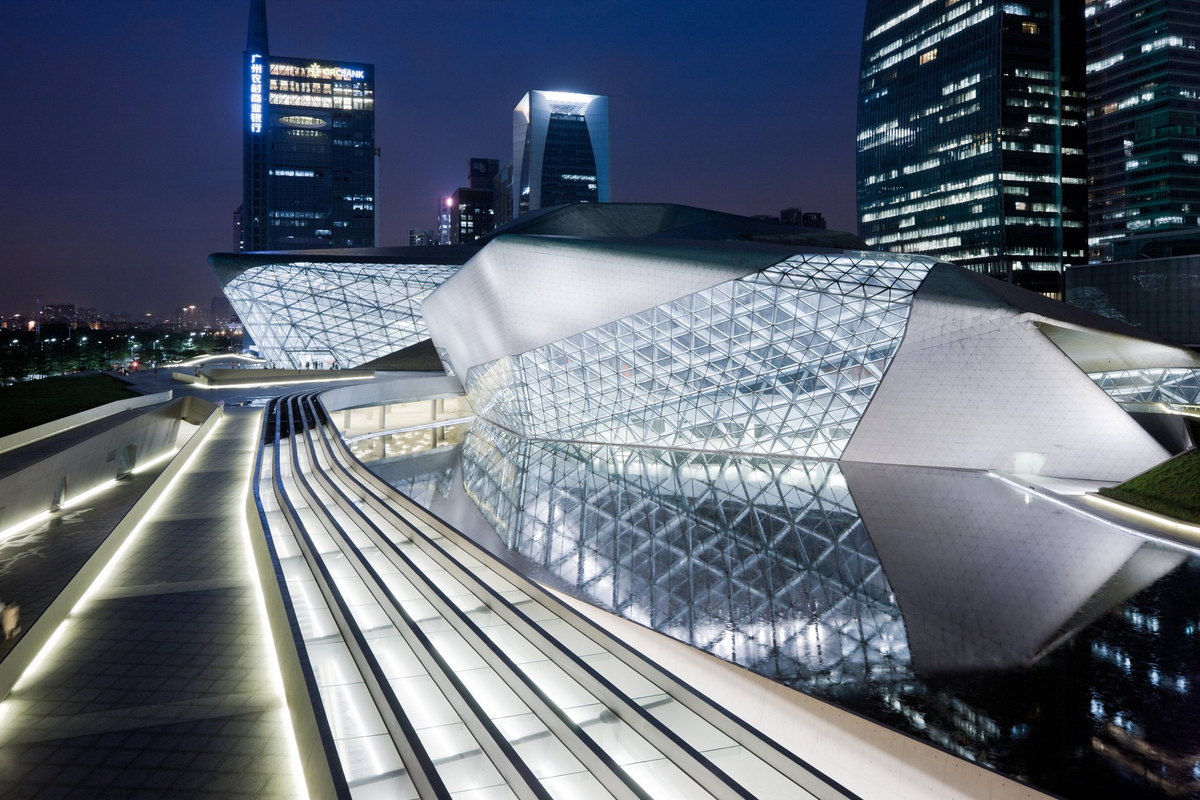

The travel, the intensity. What did you learn about yourself, and about leadership, in that period?
I was a natural leader. I remember myself as a five, six, seven-year-old roaming around with the boys through the construction site and the forest. I was in charge. It comes naturally to me. In any discussion, any seminar, I’m hitting it off with the teacher. And the chemistry was great. She put so much stress on everybody, and that pressure and energy was something I could work with. The other thing is I could stand the pressure. I had an incredibly thick skin. A bit of family history. My father was a difficult character.
Is there only a certain type of person who could sustain that?
As a duo with Zaha there were certain requirements which are not easy to have. To stand up to her when she wanted to rip up the whole competition three days before. Literally ripping it up, and I had to prevent it, for her own good. And the entrepreneurial risk-taking, to convince her: don’t worry, hire them, let them all come in. We had the advantage of hiring enthusiasts we didn’t have to pay much, and they put in everything, and by the time the first salary had to be forked out they had already won a competition. And of course it was luck, and of course Zaha was an Arab, and this was the take-off. Everybody wanted a piece of her.
Even after the meltdown in 2008, when Dubai and Abu Dhabi stopped, the whole North African coast started. We had fantastic projects from Morocco to Lebanon and everything in between: Jordan, Libya, Algeria, Cairo. The Arab Spring killed a lot of that. It was the biggest setback. But some came through: the Rabat Grand Theatre, later the Iraqi central bank, something in Lebanon. It was a fantastic ride for her, and she loved it. The pride of being that figure, an Arab woman doing it extremely well. Dubai showed an Arab country can be first world, can be leading. It crashed temporarily, but it was a signal.
We also had to change. We were all 10, 15 years older, and it couldn’t be zero hierarchy, everybody in business class. We needed cost control and hierarchy, and that’s where I looked a lot at Foster, at the titles and structures, and we designed the organisation together in that post-crash period. It used to be: if you get 10 million for that job, you can run losses on 40 more. Five good projects and 45 loss-making ones. It still worked out. No more of that.
And that’s through design, not a sensible voice coming in and reorganising?
Through design, of course. But we had the luck of Mouzhan Majidi. We met on a plane to Brazil, one of those trips where the prime minister takes a hundred CEOs somewhere. Soon after, he fell out with Norman, and I said, come, this is what we need. It helped a lot to stabilise things.
Ten years on from Zaha passing. What was it like in the practice, still having to deliver jobs and move forward, when it was so bound to a figurehead?
It was nerve-wracking, and we had no idea it would work. The first surprise was that no client stepped off. We had a lot of projects at early stages, and they could have said, without her this no longer has meaning. No. Everybody carried on. We had a lot of great people who had built relationships with clients, myself included, and the clients knew it wasn’t only Zaha. The other surprise was that we still got onto the shortlists, including the ones I was worried about, the ones who want the cultural cherries. We were still allowed on. And I thought, okay, great, fantastic. Maybe I had a certain credibility: professor, PhD, teaching at Harvard at the time.
I also got a blowback, strangely. I was naively giving a lecture at the World Architecture Festival on a controversial topic, and it was filmed, sliced and diced, and snippets thrown on YouTube. I got a huge blowback, and that was worrisome. I zipped my mouth for a bit. It was fully misunderstood. But we grew the company, we matured. We started the first airport under Zaha, and we now have a flourishing airport business, one of the leading airport firms, getting onto any shortlist we want. We delivered major jobs in China, and the whole China boom was fantastic for us. So, surprisingly, without the setback we might have expected.
“It was nerve-wracking, and we had no idea it would work. The first surprise was that no client stepped off.”
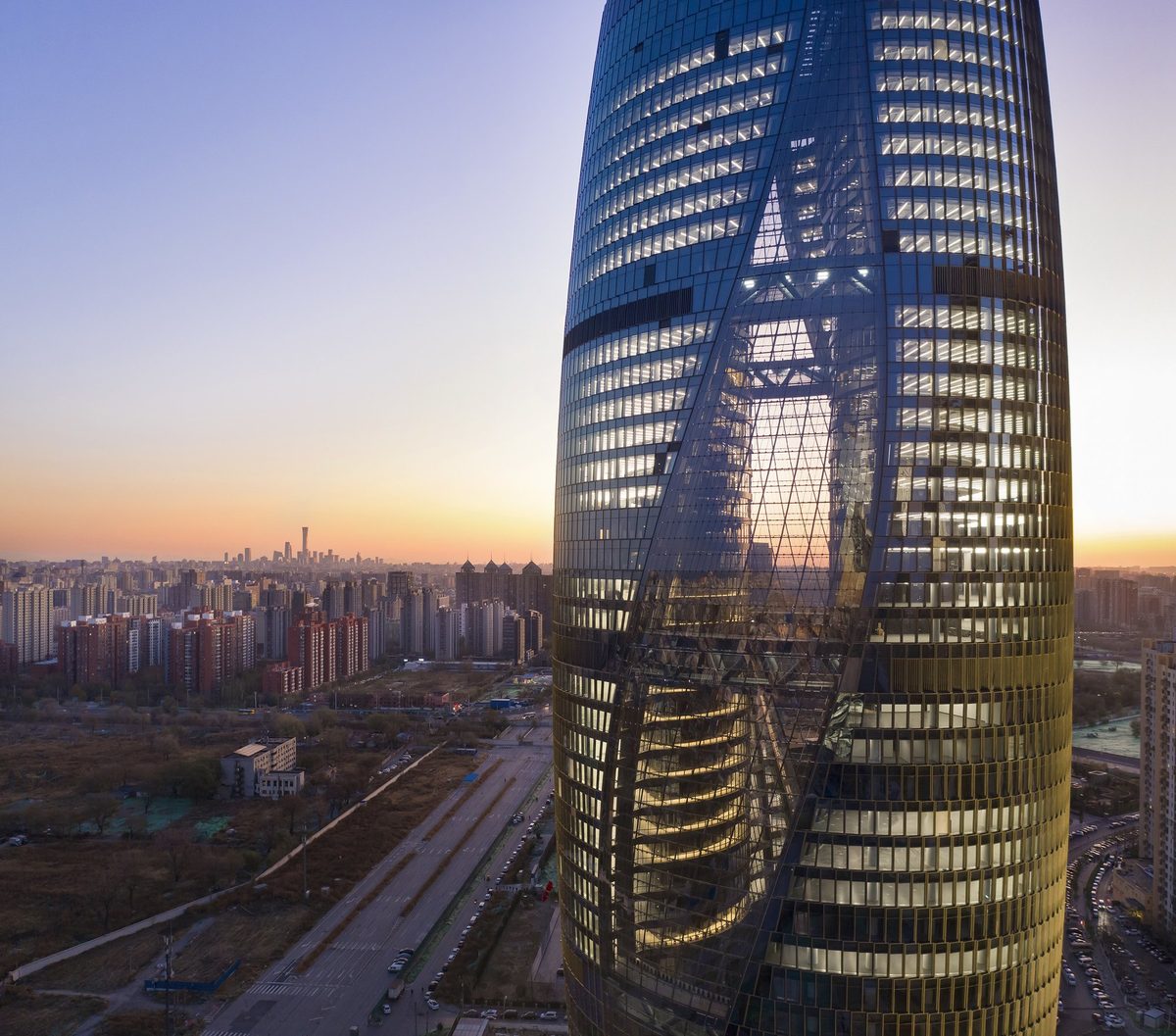
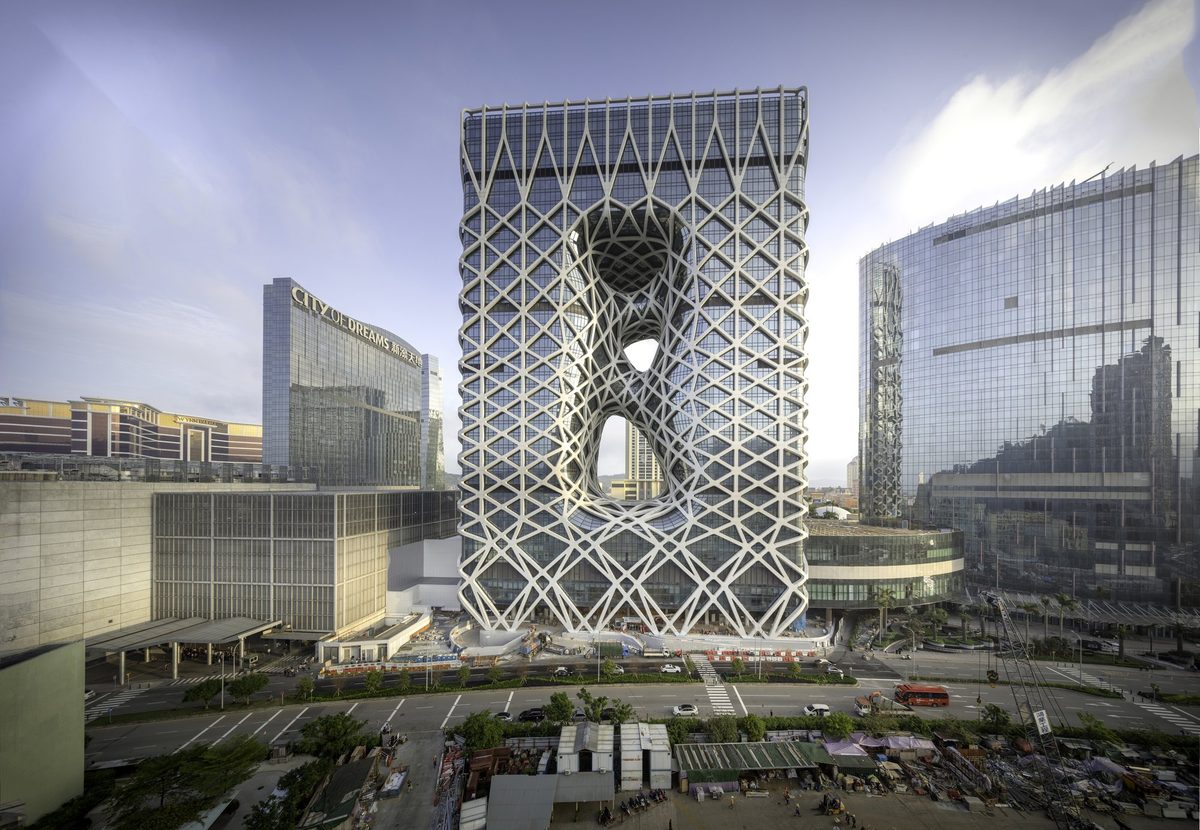
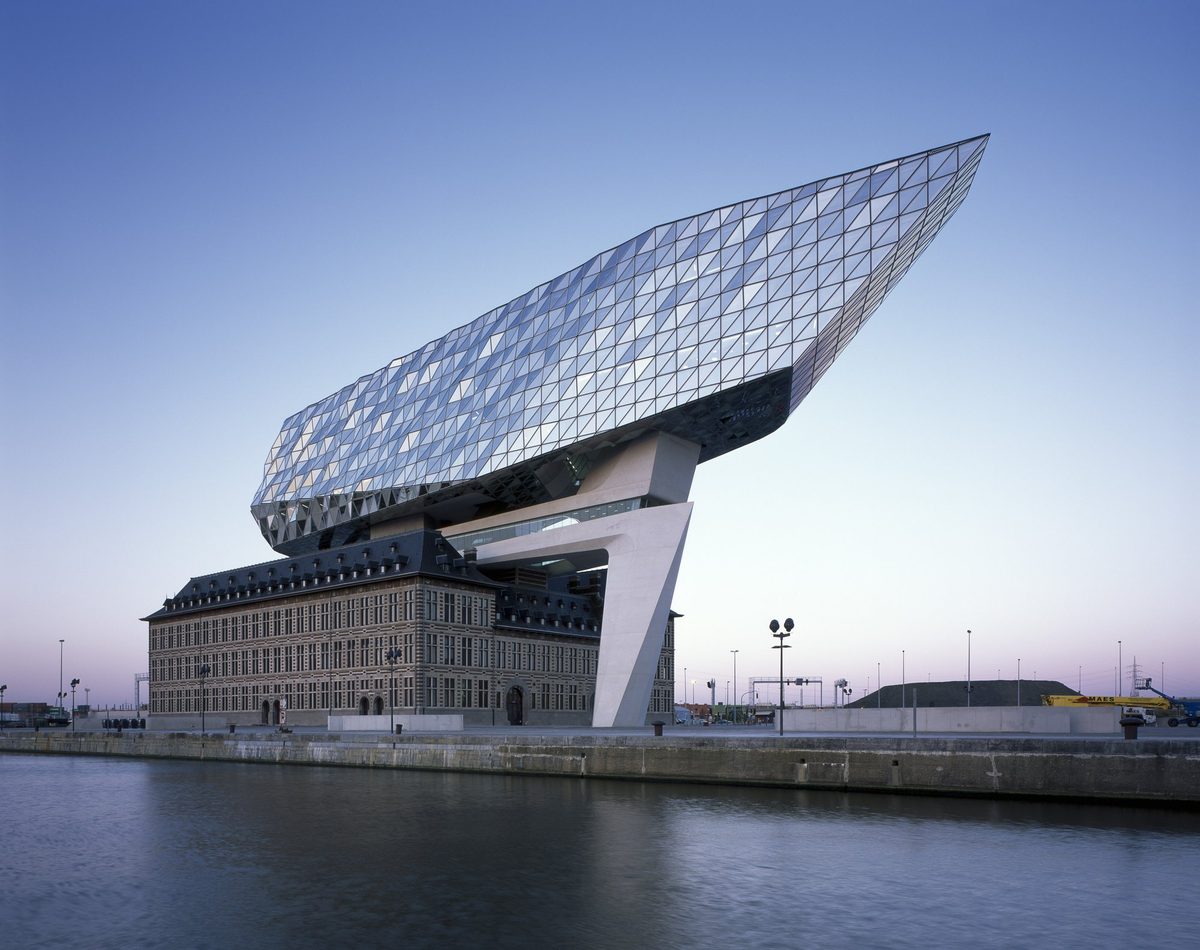
Now you’re 500 people. How do you hold on to an ethos at that size?
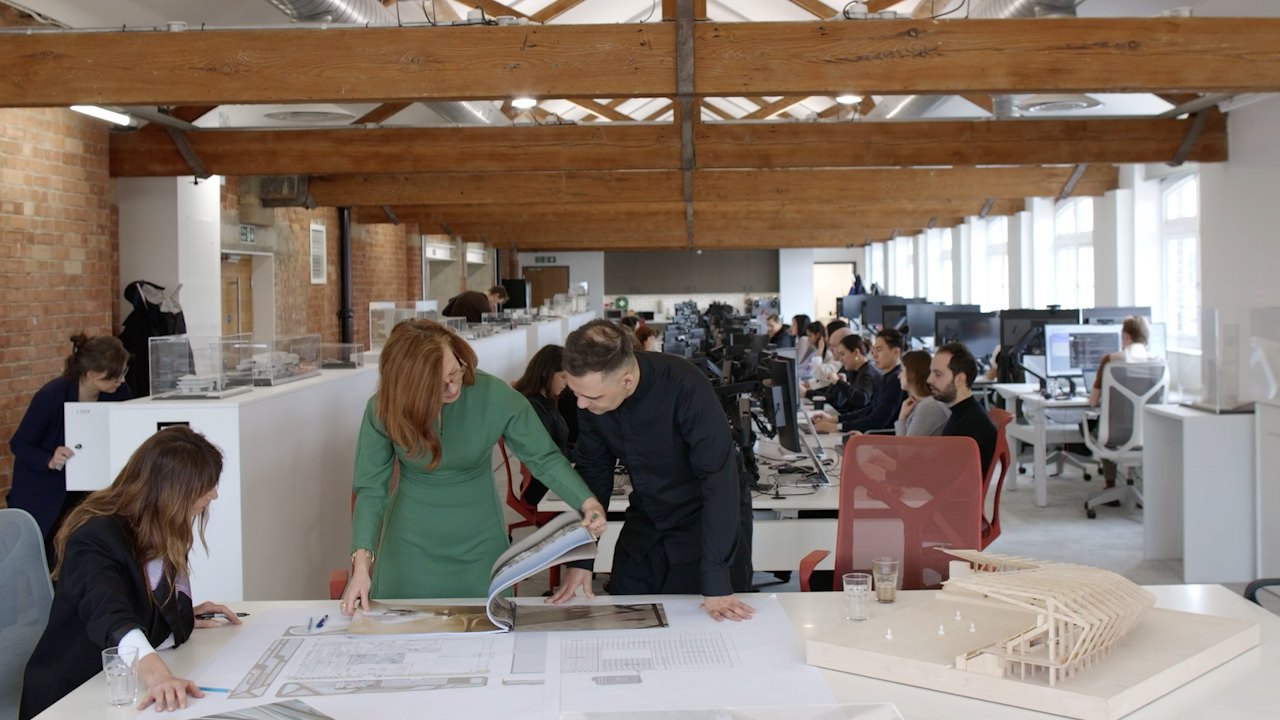
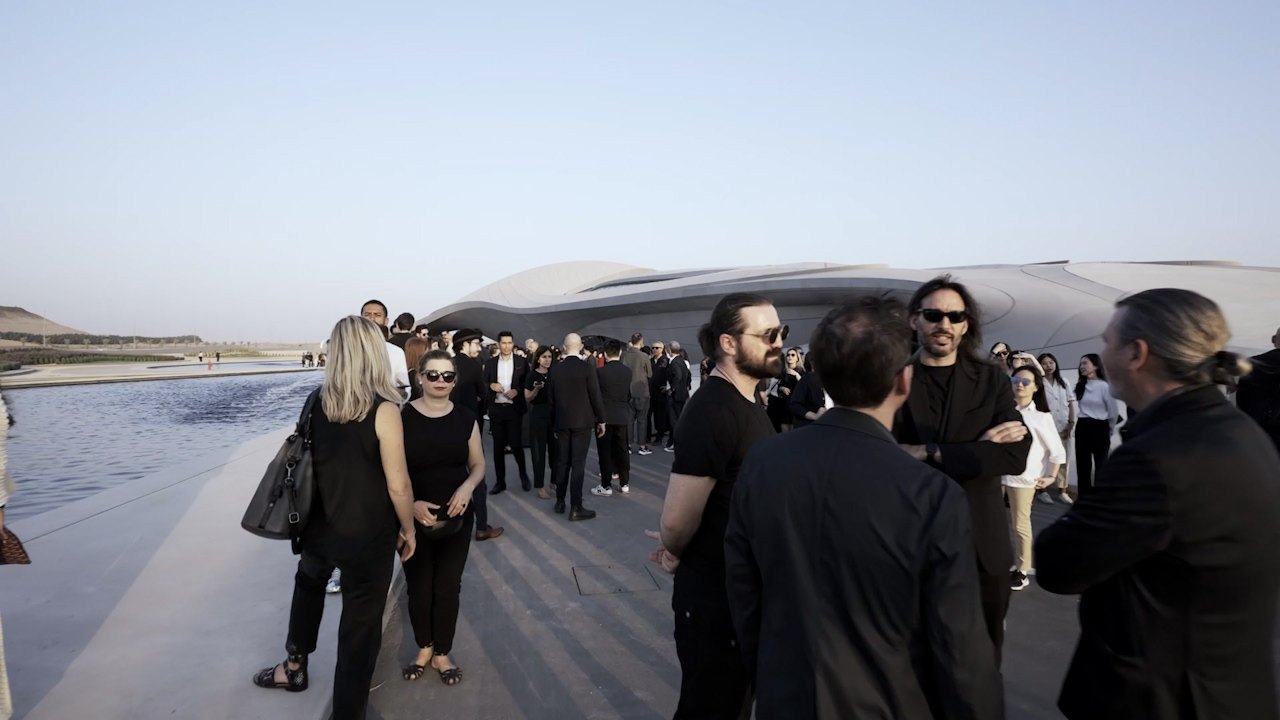
Because we have all these layers of long-term people. Steady, and they have grown with us from their student days. One of the board members started as a model maker, an intern. That’s a typical route. Some who couldn’t sustain it all the way through boomerang back: they had a family in between, and they come back. Zaha was extremely good at networks of loyalty, loyal friends in every city in the world, ex-students and ex-staff. There’s a family feeling. 30 years of teaching at the AA DRL, and they have an alumni network internally. There’s this culture and DNA.
I know others. I’ve sat on a flight with Calatrava, totally different. Only his design: he sketches, completes, hands it off. There are a few Gehrys like this. We have very strong characters who also have to find clients, convince them, run with the jobs. Nobody has retired from the company yet, so eventually this will be different. And I still feel connected to the young crowd coming in. They know me, they have my YouTube videos, and they’re maybe my students, or students of students of students. Shajay, for instance, was third generation down: student, now teacher, professor, leading ZHA Code. We have this nice incestuous network, but we also opt for newcomers, and we have a culture of high-flying potentials who can drill through the hierarchy. We work actively on not having too much hierarchy, on openness and fluidity across teams. I roam around looking over shoulders, continuously, randomly instructing people across three, five layers. You can’t do that in a more corporate outfit.
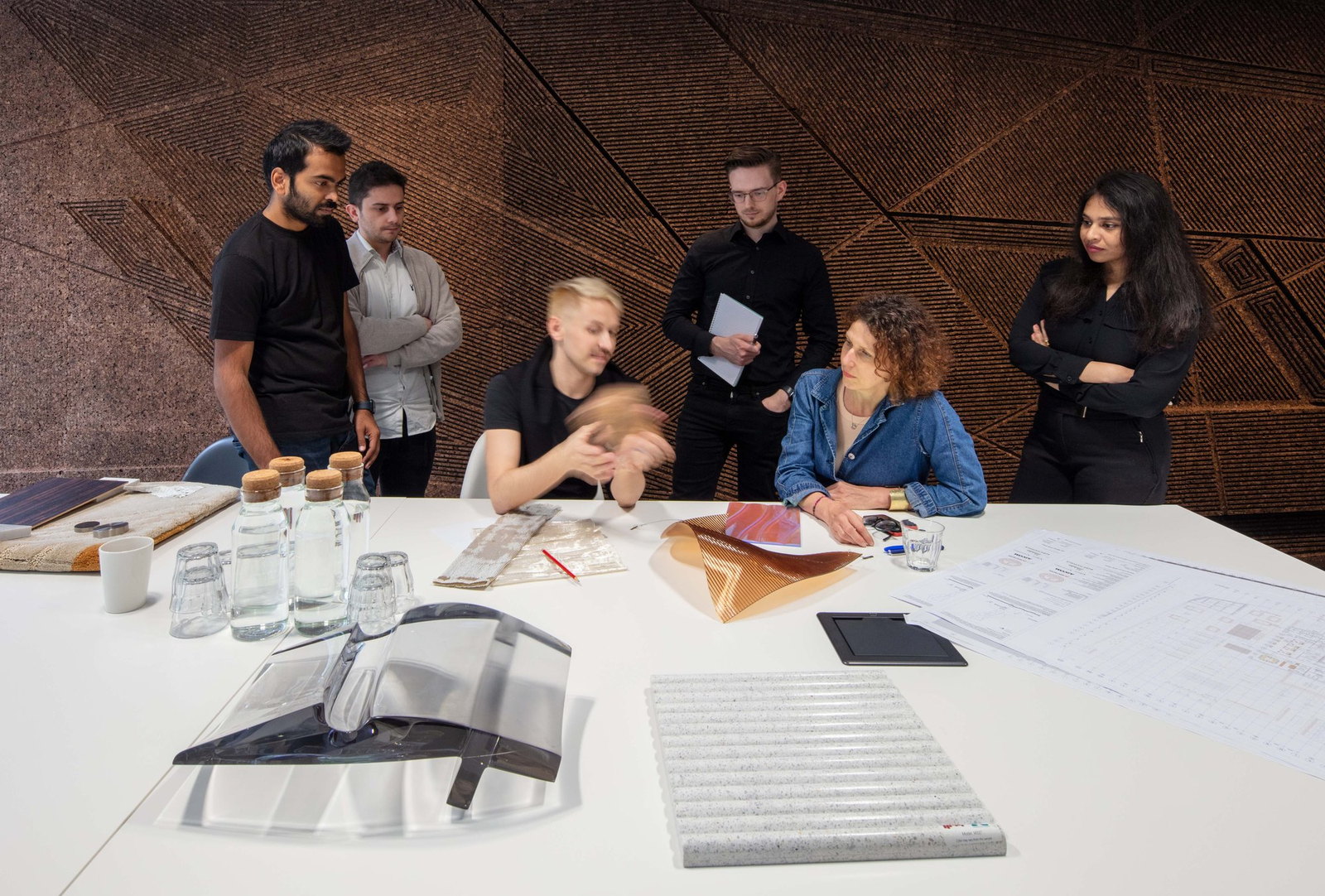
You mentioned retirement. Your whole career has been inside this company. How do you see it?
Never. I’m going to drop dead in there somewhere.
How do you look back on it, having built this thing?
I have no other experience whatsoever. And I enjoy it. It’s funny sometimes. We were in the same building for so long, and you sit there and think, 25 years ago, this is the same. You go to the local greasy spoon where you were sitting 30 years ago. I like this, and I don’t want to imagine anything else. A lot of the staff are like this. Many are now at 25, 30 years of being together.
I’ve always been interested in corporate organisation and creative industry dynamics. How do you organise the way teams operate? How do you incentivise? How do you keep the culture going? I’ve studied it, looking at others, at Foster. We still want to grow. We still have ways to go. But we are self-made, with very few injections. Charles Walker, a fantastic character from Arup, one of the founders of the specialist geometry unit there with Cecil Balmond. Cristiano from Gehry. Mouzhan Majidi. And recently Paul Brislin, an Arup director for many years. He started the same time I did, but he had a girlfriend and I was not compatible. Fantastic to have him back.
This is not just a job, it’s a life project. And not only for me. It’s the whole discipline, where I want to have an impact. So I always had that second leg: the AA DRL, the teaching, my publishing, which was independent to some extent. ZHA could not have developed like this without those connections, because when we have a new theme to develop, you can’t do it inside the job. These are research areas. Parametric urbanism, for instance: now we’re doing all these master plans. Structure and exoskeletons. Atria. Shells and tensile structures. What I now call tectonism, investing in fabrication logics and feeding that back into the design DNA. All of this is research at universities, master’s courses, collaborations, workshops, PhDs. And now the metaverse. We have a metaverse out there, Metrotopia, doing very well and evolving. I was a huge fan of Archigram, David Greene in particular, when I came here as a student in the 80s. I visited him. There was a cupboard full of stuff. He’s at the DRL, still working with us, hitting 90 now. That’s the way I see it. We’re all going to be there until we drop.
“Never. I’m going to drop dead in there somewhere.”
We started with paintings. What is the future for someone joining ZHA now, with the new technology coming in?
First of all, the computational revolution was fantastic, and in a way more impactful than AI. Algorithmic design, parametric systems modelling, dependency networks, the new formalisms I called parametricism and tectonism. AI can contribute to this. We have to train AI on tectonism; parametricism was already so far out there that it could regenerate it. But we will always be at the forefront of technology, to be more productive, faster, more versatile, making better decisions: selecting from hundreds of options with reading and selection factors. Clients become ever more demanding. You have to come up, sometimes in three or four weeks, with a complete, worked-through design, photorealistically rendered. That’s why you need research in the background.
The interns, yes, they can be thrown in at the deep end. They have to learn, work hard, late and weekends, and pick up additional skills. The better route is through one of the teaching studios, where the people who work for us come back in and transfer knowledge, software, ideas. There’s overlap between the years at the DRL, so when they arrive they have a leg up. They start immediately on designs and try out their talents. We have at any time 120 projects at various stages, and always a number of competitions going on, where the juniors go in.
The workflows keep transforming rapidly. We have to stay on top. We’re doing a lot of software development through vibe coding, continuously upgrading. My public profile, having to lecture and talk, puts the pressure on to go deep. I’m no longer so much at the forefront with clients. I just came from a big client meeting, but I’m more in the background: researching, developing ideas, looking at the teams and the projects, then lecturing at conferences and universities. I’m so relieved we don’t have to talk about sustainability any more. So many years, one topic, at every conference. Now everything is AI. I find this more exciting, but also one-sided. I want to talk about many different topics.
It’s not that now, with AI, everybody can catch up. No. With AI we’re going to pull away further, with all these coding characters who can spin up whole packages of software. I got back into coding with vibe coding. You have to have an idea of what you want to do and what the tool might do. That gives us the edge. Exciting times, and nerve-wracking for some.
You can be excited or anxious. Clients using these tools themselves: what do they need us for?
And we’re also helping clients develop, to gear up.
“It’s not that now, with AI, everybody can catch up. No. With AI we’re going to pull away further.”

We started with twenty-something Patrik joining. Imagine a twenty-something architect joining now. What will they be doing in 30 or 40 years?
That’s interesting. I don’t know. But the core competency: we are closest to the client. We shouldn’t be mixed up with engineers. We conceptualise the life processes, spatialise them and articulate them, so they become legible and easy to use. For that you need to develop the repertoire, the tools, the simulations. There will always be a frontier of innovation, connected to research and development. About 10% of our people work directly in research, dedicated teams feeding into projects.
Some of what I’ve been seeing has been paralysed by over-politicisation, in particular in London, in England, in Europe. Over-regulation, a typological freeze, planners with too much power. Then clients become shy and want to hide their buildings, make them inconspicuous. That’s a shame. Eventually, somewhere, this will be broken through. China broke through for a while, in the raw catch-up years. They allowed large degrees of freedom for us to conceive, for the entrepreneurs to develop products and for the end users. Some of the units, small office, home office: it could be a retail unit, an office or a residence. Nail salon, hair salon, restaurant, office, all mixed in. I love these ideas. There should be much more entrepreneurial freedom.
It’s the typological freeze, and it’s also the quantity freeze. That’s why life is so excessively expensive now. It erodes everybody’s living standards: salaries haven’t increased much, but the cost of housing, which isn’t even in the inflation figures, has been unbelievable. That needs to be broken through, and eventually I think it will. Tokyo is 30 million, London 8.5 million. Half the UK could draw into the region between Cambridge, Oxford, London and Reading. You could make a mega metropolis. Think how much work we would all have, the synergies, the economic boost. Shiv Malik has this idea of a forest city outside Cambridge, a new city for a million people, with great companies lining up. Cambridge has more Nobel Prize researchers than the rest of Europe put together, all these companies want them, and there’s no space. They can’t build anything in Cambridge any more, nor in London, nor anywhere else. So that’s what I’m hoping for. Otherwise life could be very boring for an architect. We still have other places to go, India and so on. The political element is the unpredictable element, and it’s too large. That’s my pitch.
What makes a great architect?
Somebody who is changing the world. Radical innovators. Those are the only architects we actually remember. If you look at the great lists, they’re all the radical innovators.
What’s the biggest misconception about architects?
They confuse us with engineers, often. And with artists. We’re neither. Design is a genuine task. Neither engineering nor art.
One piece of advice you’d give to a young architect starting out today?
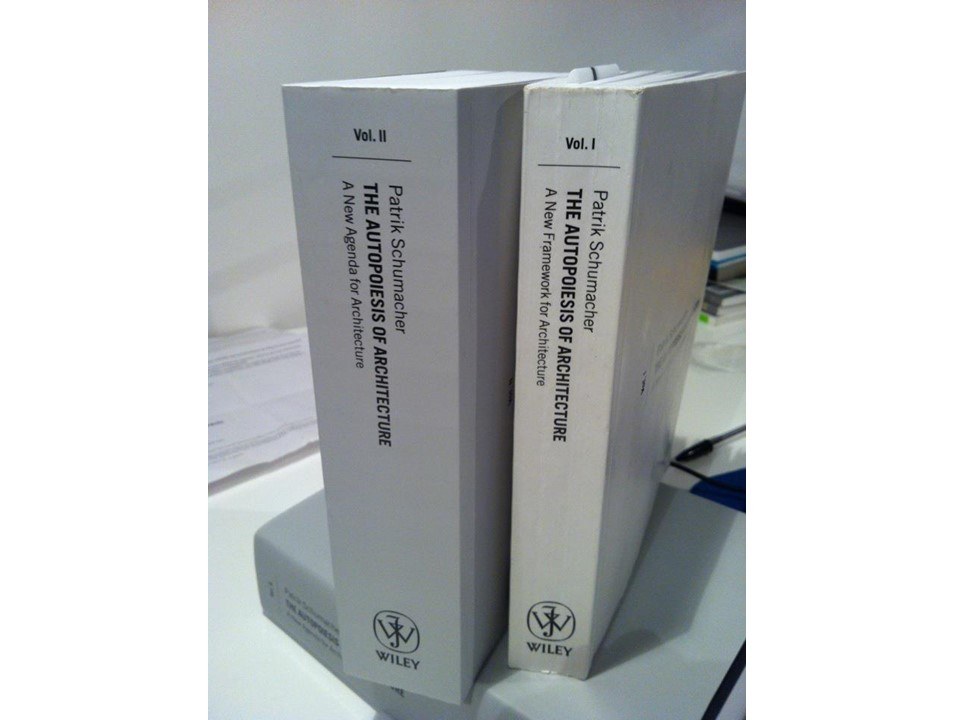
Read my works.
What do you think of the term starchitect?
It’s okay. Every field has its stars, its leaders, and these are the great innovators. They are selected within the field and then projected out. If you trust our field, trust that we selected those we admire, want to emulate, who have been innovating and showing the way. The outside world sees that they’re famous, but don’t forget they’re famous through hard, competitive, expert discourse and the disciplinary forums they’ve been pushed through. We shouldn’t denigrate that. There’s some information loss, so for the mass media it doesn’t make so much sense. But we know it makes sense. I hope.
How would you describe Zaha Hadid’s impact on architecture and on wider society?
On world architecture, monumentally transformative. It has percolated through around the world. You see vernacular parametric Zaha versions in South Korean suburbs, everywhere. And they can look up in my writings how she managed to do that.
What’s one question you wish you got asked more?
What’s the future of architecture, and how can we help transform the next stage of the metropolis? Maybe we don’t believe in the future enough any more, in our stale and paralysed times.
That’s a fascinating place to leave it. Thank you so much for joining me.
Search for architecture and design jobs here
Latest architecture and design jobs around the world

Looking to hire top talent
 or advance your career? Let's talk.
We connect exceptional firms with talented professionals.
Let’s discuss how we can help you achieve your goals. Get in touch with the team today.
Related Posts


Noris sits down with us to talk about TikTok, Trellick Tower, failing his first module, and why residents know more than the architects.
What architects can contribute to the metaverse, how AI and parametric tools are changing workflows, and the challenges of building healthy design cultures.
A designer shaped by sensitivity, travel and an instinct for beauty reflects on early influences, independent practice, social media and staying human.