The Rise of India’s Most Prolific Architect – Sanjay Puri
Sanjay Puri explains how a career sparked by fiction grew into one of India’s most prolific architectural practices focused on climate and sculptural form.
Sanjay Puri is the founder of Sanjay Puri Architects, one of India’s most internationally recognised contemporary practices, with projects currently under way in 55 cities across the country. Based in Mumbai, the studio is known for its sculptural, context-driven work across housing, hospitality, education and master planning, and has picked up more than 350 international awards in the process.
In this conversation with Bespoke Careers, Sanjay talks openly about the book that set him on his path, the marble boarding school that taught him architecture before he knew what architecture was, and the five-second sketch on tracing paper that landed him his first 3,000-apartment commission at 28. He discusses why he still sketches every morning, why he refuses to 3x the practice even though the work is there for the taking, and why a curtain wall tower in a tropical climate is simply the wrong answer.
Why Architecture?
 Bespoke Careers (Chris Simmons)
Sanjay, thank you so much for joining us. One question that I tend to ask a lot of the guests, why architecture? Why this career path?
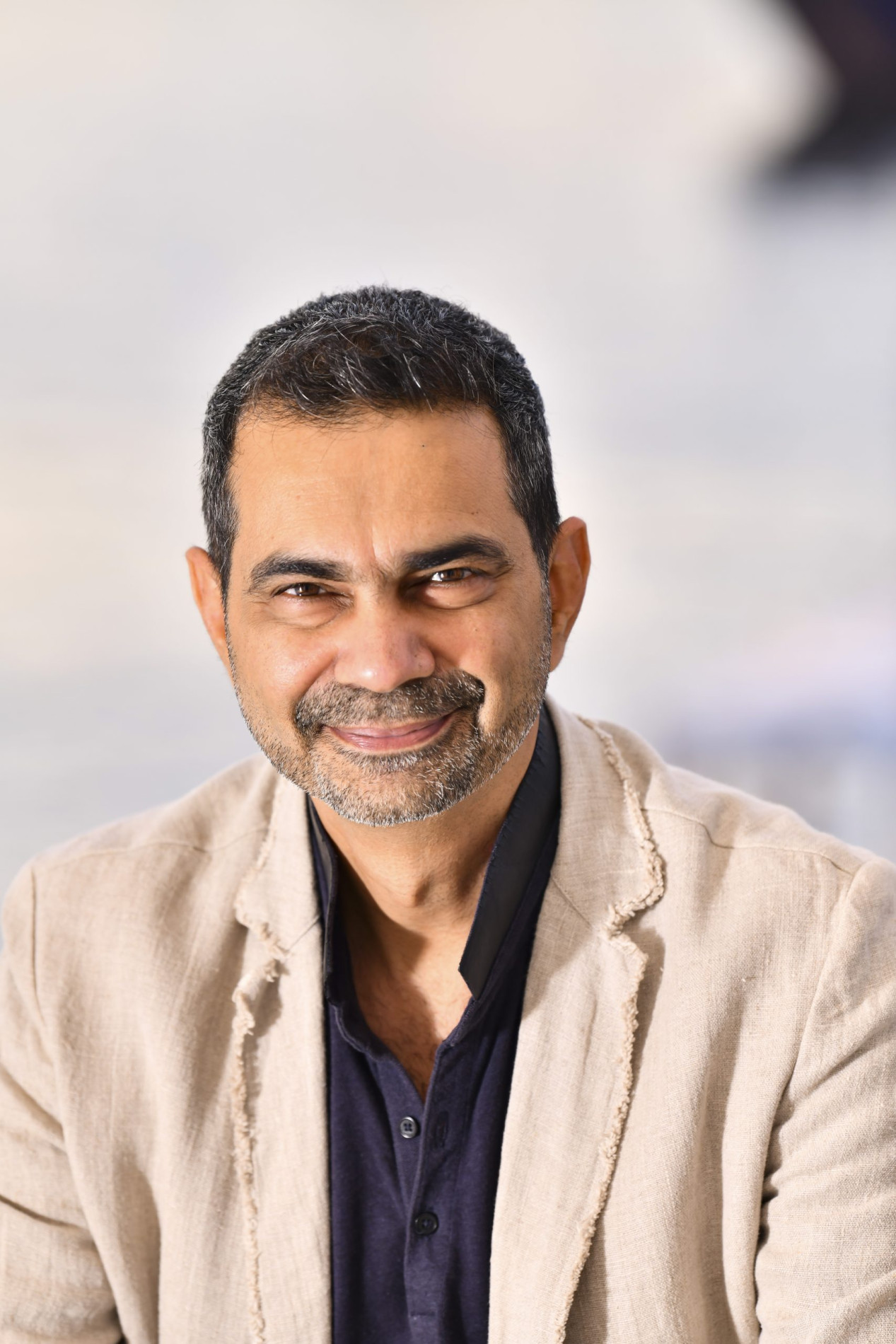 Sanjay Puri
That’s a very simple question to answer. I used to be very good at art and I thought all my life that I’m going to be an artist. And in the summer holidays, I happened to read The Fountainhead. That was my first introduction to architecture. I had no clue what architecture was. I mean, you obviously see buildings, but you don’t think about it. And that got me thinking about it and I’m like, wow, rather than doing art, this is something far more meaningful. So literally, The Fountainhead was my introduction to architecture and the reason I joined the profession.
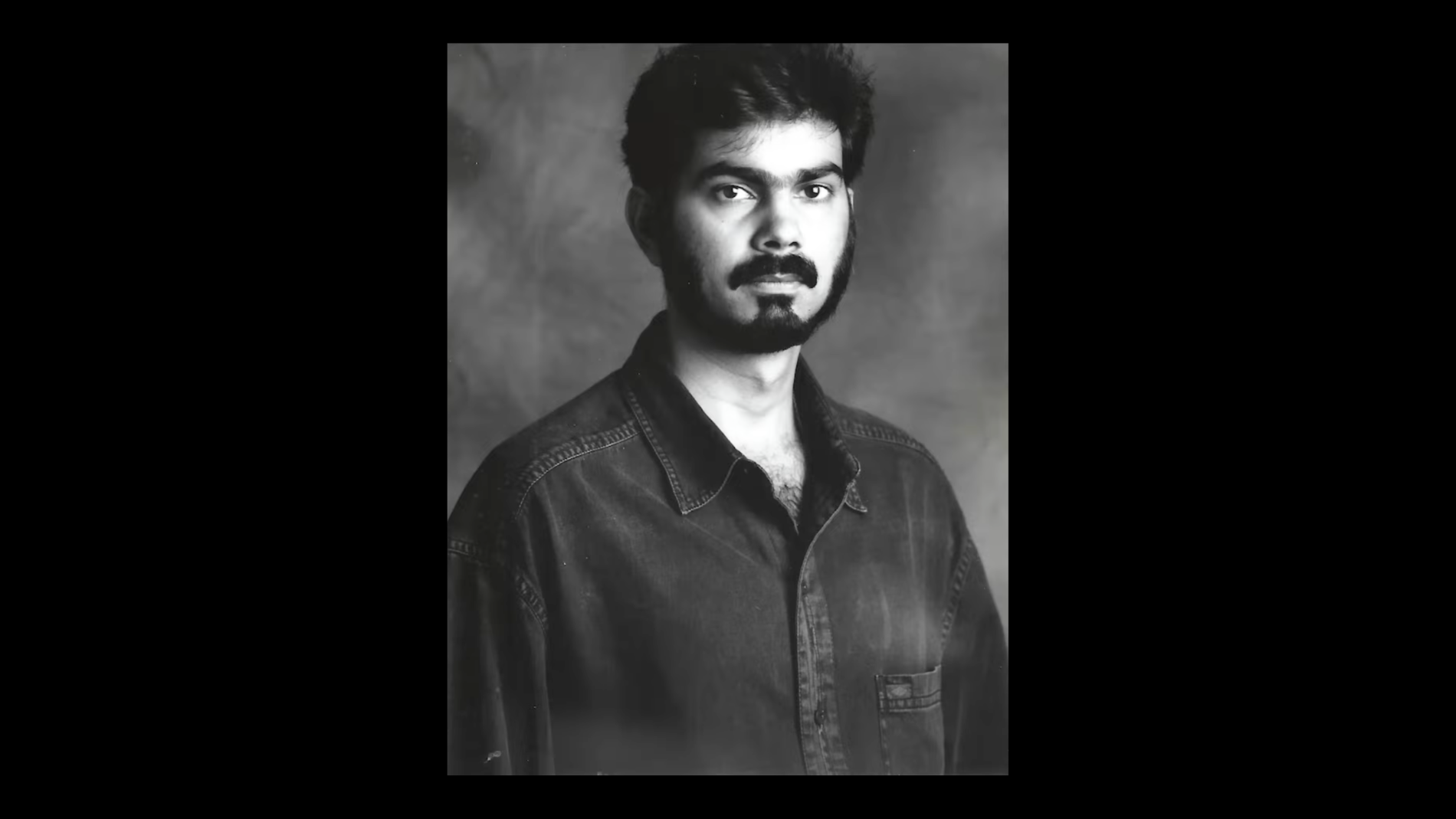
Bespoke Careers (Chris Simmons)And has your career turned out how you thought it would be from reading that book?
Sanjay PuriPartially, yes. It’s not always easy like the book says. Peter Keating was a guy who copied, and Howard Roark, the main character, did not copy and did what he felt the site spoke to him about. We try and do that sometimes. Of course, you have to give in a bit to the client, so there is that little compromise, but by and large we try and follow that.
Growing Up in a Marble Boarding School
Bespoke Careers (Chris Simmons)Location and climate play so much into your designs. Can you think back to the spaces you grew up in and how they shaped your understanding of architecture before you knew it was architecture?
Sanjay PuriThat came mostly in my school. I was at a boarding school called Mayo College in Ajmer, built by the British in 1875 for the education of the royalty that lived in Rajasthan. You have to see the buildings to believe them. The main building of the school campus is built in solid marble. It’s white. The other buildings are all built in sandstone of different colours: red sandstone, beige sandstone. You grew up in these spaces, and they really did feel good. But of course you did not realise at that time that this was architecture and how light comes in and how well shaded it was. All of that came much later when I went back to the school after having studied architecture. That’s when I really appreciated what it was.
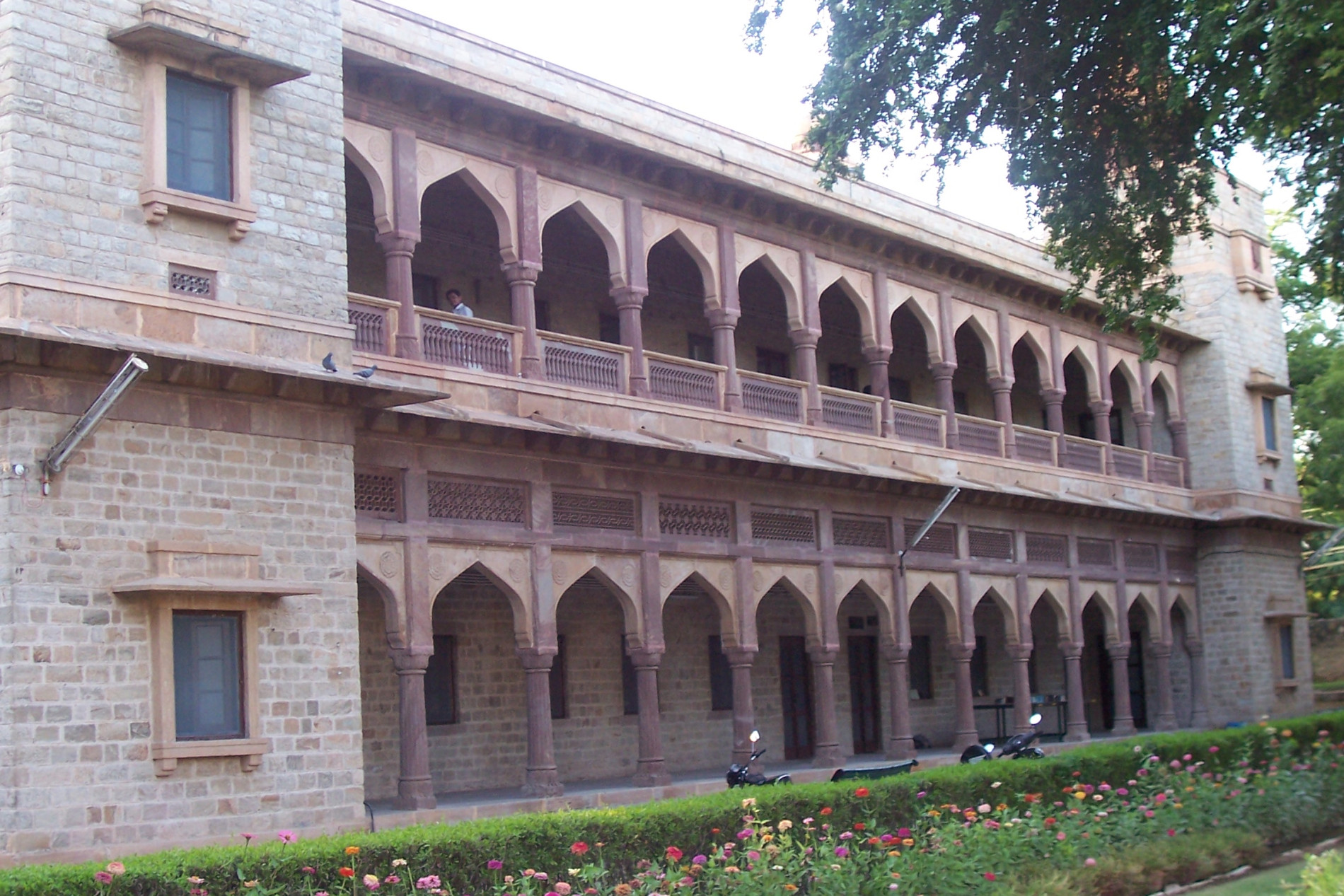
“
You grew up in these spaces and they really did feel good. But you didn’t realise at that time that this was architecture. That came much later.
Working Before Architecture School
Bespoke Careers (Chris Simmons)What was your experience of architecture school like?
Sanjay PuriAfter having read The Fountainhead, I had decided to be an architect. But before applying for admission, I asked somebody to introduce me to a real architect. I wanted to actually work there and see, is architecture like what was written in the book, or is it something else in reality? I was 18 years old, prior to joining college. I went on sites, I did working drawings. I’ve done every kind of working drawing: residential buildings, hotels, standing on site and getting an interior executed, all prior to having joined college.
So in college, unlike other people who were staring at a blank screen with no clue what’s going on, because I’d already spent three months in an architect’s office, I knew everything. I could understand everything so much better. I continued working all through those five years. College would finish at 1:30pm, and from there I’d go to the office, come back, and do my submission at night. That parallel working with college was the best experience possible, because everything then is real. When I drew something, I knew it could be built. That was the difference.
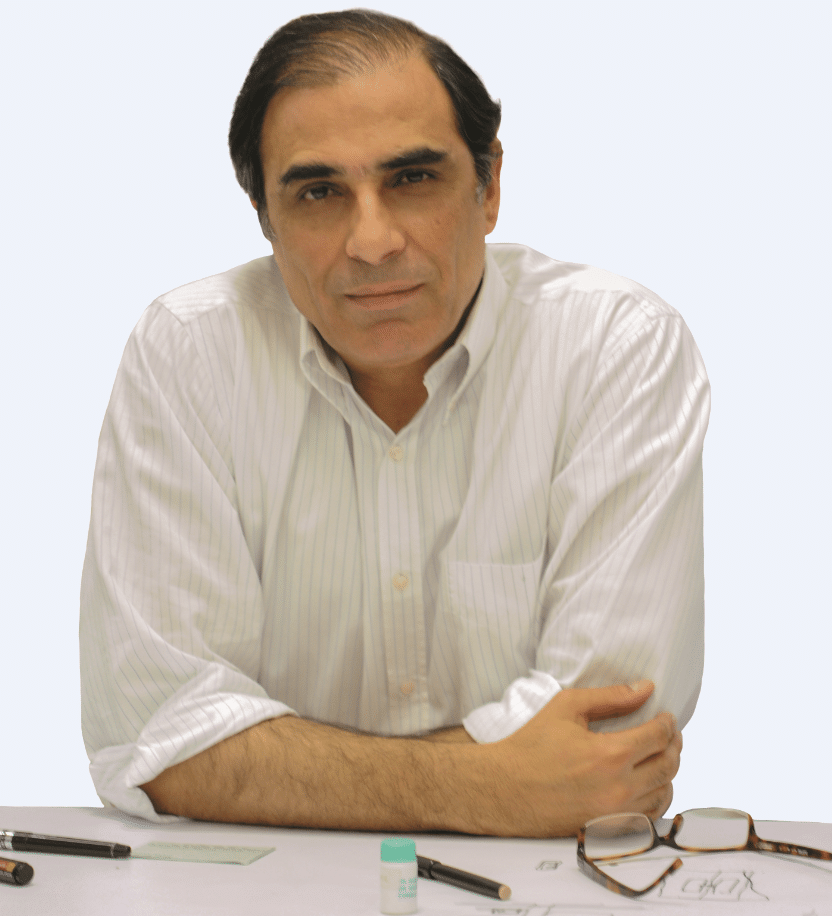
Sanjay spent his formative years at the studio of Hafeez Contractor, one of India’s largest and most influential architectural practices.
Bespoke Careers (Chris Simmons)Presumably you’d encourage other students to do the same?
Sanjay PuriI did. At least three people followed my instructions and joined a year later, someone joined two years later. Unlike the mandatory six-month internship that everybody has to do, it really makes a huge difference. There was a time when I was in the second year of college and I had the opportunity to physically design a project on my own. The client said we’ll only give you this project if you undertake everything. Which meant I had to find carpenter teams, electrician teams, purchase plywood and hardware. So the understanding was really, really deep, because now when I give a detail I know whether this carpenter can execute it.
“
Doing college on its own in architecture, there’s just no point. You’re living in this whole dream world and then you get thrown into reality, and the reality is nothing like that dream world.
Architecture School Is a Full Disconnect
Bespoke Careers (Chris Simmons)Do you find that disconnect still exists with young people coming into your practice now?
Sanjay PuriIt’s a full disconnect. Doing college on its own in architecture, there’s just no point. You’re living in this whole dream world and then you get thrown into reality, and the reality is nothing like that dream world. It’s like somebody completely displacing you from that mental zone you were in about thinking what architecture is. I think everybody should work for as long as they can.
Bespoke Careers (Chris Simmons)Are there key things you hold on to from your architectural training that are still relevant now?
Sanjay PuriThe most relevant was the first two years when they taught basic design, when you just play with cubes and you see what happens: positive and negative spaces, the relationship. At that time you felt it was just an exercise. Okay, yeah, I’m going to make a cool composition. But now you realise how much difference that makes. That whole basic design exercise in the first two years, playing with multiple materials, creating shapes and spaces, is actually there all through, if one chooses to dwell on it.
The Sketch That Started Everything
Bespoke Careers (Chris Simmons)What led to you founding your own practice?
Sanjay PuriI continued where I had worked through all five years of college for another four and a half years. I was made an associate the day I left college. My boss gave me a free hand, which is really important. Even as a first-year student he said, “You go meet the client, go understand the requirements.” Once I remember I’d finished a design and he said, “Did you call them up?” I said, “No, I was waiting for you.” He said, “Why were you waiting for me? Call them up, present the plan.” A lot of confidence came from that period.
Bespoke Careers (Chris Simmons)Tell me how the practice actually started.
Sanjay PuriA developer came to me and said, “Will you just do the elevation of this building?” I said, “Who does only elevations?” But the project was 200,000 square feet, so I said okay. I did three or four elevations for him while I was working in the office. Then one day I walked into his office and he was sitting with this really large layout. I told him, “This is a really huge layout.” He said, “Yeah, and I’m wondering about the plan.” I looked at it and in five seconds I told him, “It’s a really bad plan.”
He said, “How can you say that in five seconds? At least study it.” I said, “In this layout, half the buildings are overlapping the other half. People are not going to get a clear view.” He looked at the plan again and said, “You’re right, but the density is very high and you’re not allowed to build more than four floors. So this is going to happen.” I said, “No, it doesn’t have to happen.” He said, “How can you tell me that?” I said, “Give me a sheet of paper. I’ll show you right now.”
This was a 54-acre site with 81 buildings on it. I took a tracing paper and I sketched in front of him. He said, “No, you’ve done something wrong. The math is wrong, you haven’t put the right number of buildings.” I said, “Measure it. This is right.” He said, “Okay, let’s say I believe you. Go back, draw this properly and bring it back to scale.” That’s how I got my first project. 3,000 apartments with a school and offices. I was 28.

The 54-acre Rustomjee Global City master plan. The 3,000-apartment commission won on a piece of tracing paper.
How Confidence Compounds
Bespoke Careers (Chris Simmons)Having the confidence to lead, to take an idea and convince in such a quick manner. Did that come naturally, or was it a learned skill?
Sanjay PuriThat came by observing. My only boss was a very big architect, one of the largest practices in India currently. I saw him walk into meetings, convince a client, sketch right there, and walk out of the meeting with a product in hand. I learned confidence from there, and then as you convince with each project and each client, it makes a difference. You gain more confidence. When you’ve done something slightly different, managed to convince a person, and it’s come up, that further increases your confidence. It just keeps growing.
The Language Developers Understand
Bespoke Careers (Chris Simmons)How have you navigated working with developers. Holding your own but also being able to give?
Sanjay PuriIt’s really difficult, and there are times when it may not be possible. But you keep trying. If you get 80 to 90% of your ideas there, it’s still okay, because you can still push towards the end. In the beginning you realise the developer is only looking at the commercial aspect. You convince them slowly. You say, “Look, this makes design sense.” But then you have to translate it. What you want to do in terms of good design, you have to convince them that it is commercially good for them. You’ll be able to sell faster, sell at a higher price. You’ve got to put it in the words that will convince them. For you it’s about design, but you cannot tell them that everything is only about design, because then they won’t go for it.
“
For you it’s about design. But you cannot tell them everything is only about design, because then they won’t go for it. You put it in the words that will convince them.
9 Out of 10 Projects Never Got Built
Bespoke Careers (Chris Simmons)There must be a lot of pieces of tracing paper with your work on that never turned into buildings. Has that been an ongoing frustration?
Sanjay PuriYou can’t imagine. In the beginning, in the first few years, it was like nine out of ten did not happen. Just paper and paper and paper. Design ideas which are lying and stored and whatever. Over a period of time, it’s now become almost the reverse. It will get done, and two will stay on paper. Much better now. But yes, that has always been a struggle. The only thing is you’ve got to keep believing, no, no, it is going to happen. You keep at it. That’s all I can say.
Running a Practice With His Wife
Bespoke Careers (Chris Simmons)You run the practice with your wife. How have you navigated that close connection between daily business and home life?
Sanjay PuriThat’s pretty easy in this case because she looks after a certain kind of project, largely residential interiors. That aspect is taken care of. We’re not getting into each other’s work except when we do a villa together. I’m concentrating on the architecture part, she’s doing the interior part. There is interaction, but other than that it’s fairly separate, and that seems to work well.
Breaking Out of Residential
Bespoke Careers (Chris Simmons)You’ve got quite a wide breadth of projects now. Was that always on purpose, or was there a point when you felt you owned a niche?
Sanjay PuriWhen we started, the first project was that large residential project with 3,000 apartments. Because of that, a lot of people who came to us were only residential and residential and residential. You were really getting bored of it. Then suddenly we got an opportunity to do a school. You’re so excited that the time taken for five residential projects was put into that one school, even though the fee was half. Then the first hotel came and again, so excited. Thankfully there’s enough of everything now. Institutes, hotels, commercials, offices, town planning, private villas, residential apartments of all types. It’s a good mix.
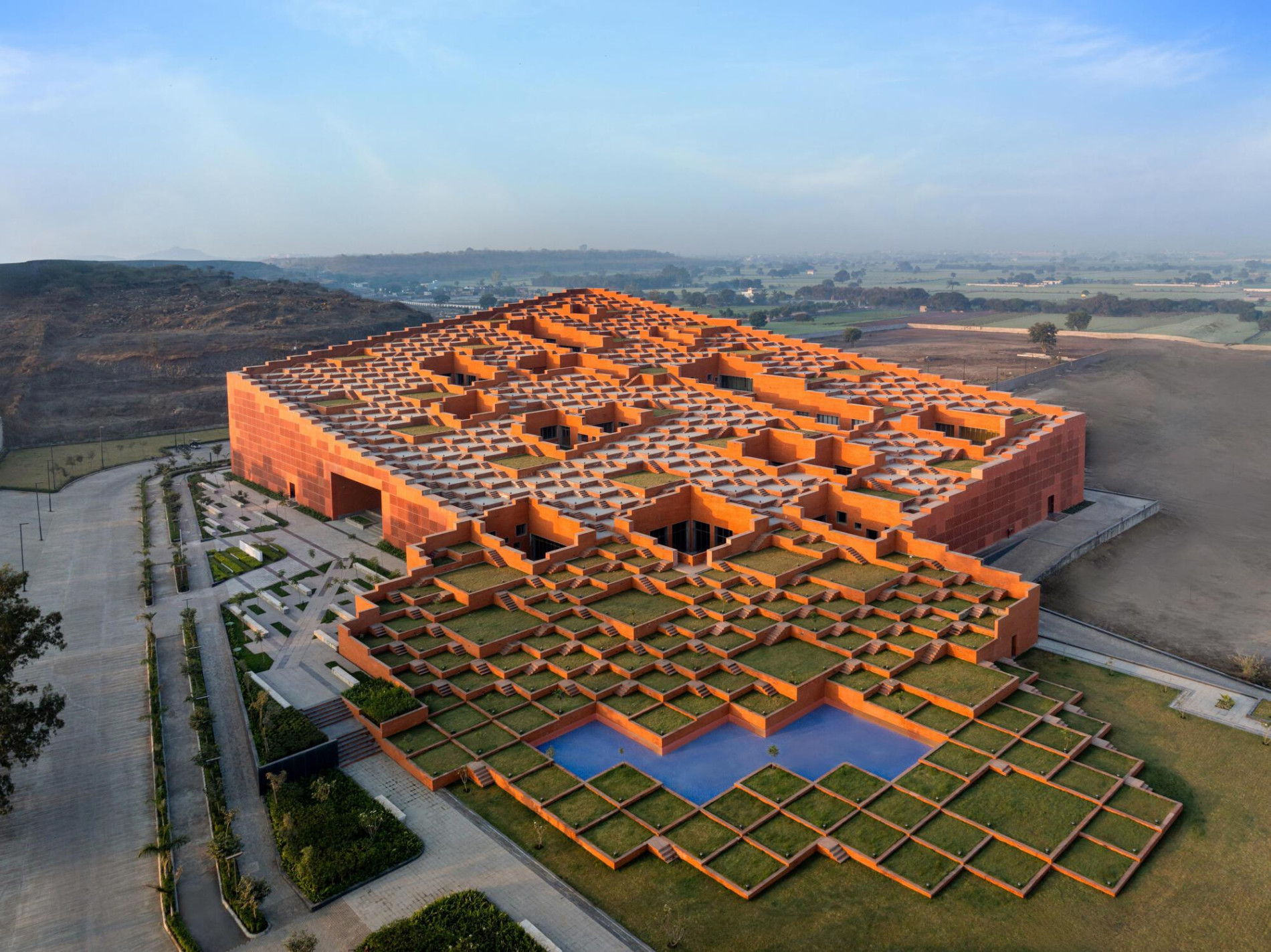
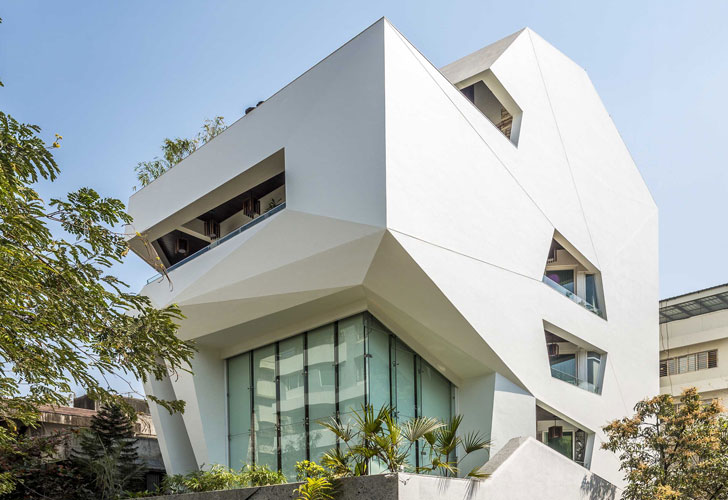


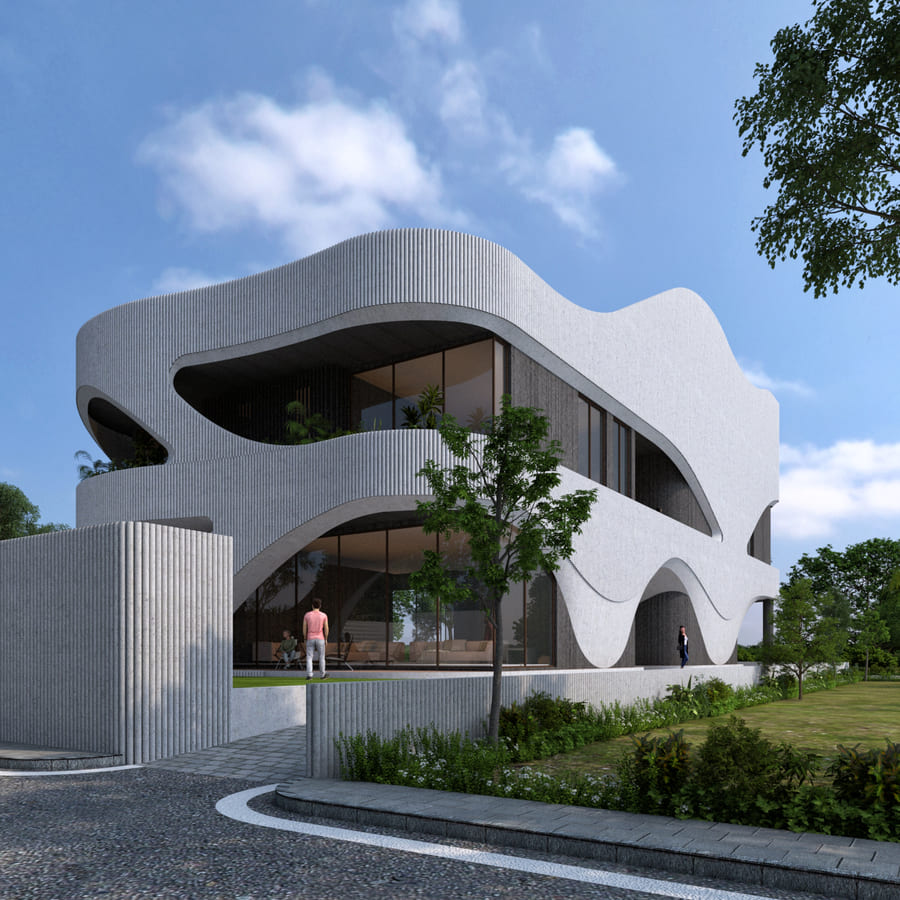
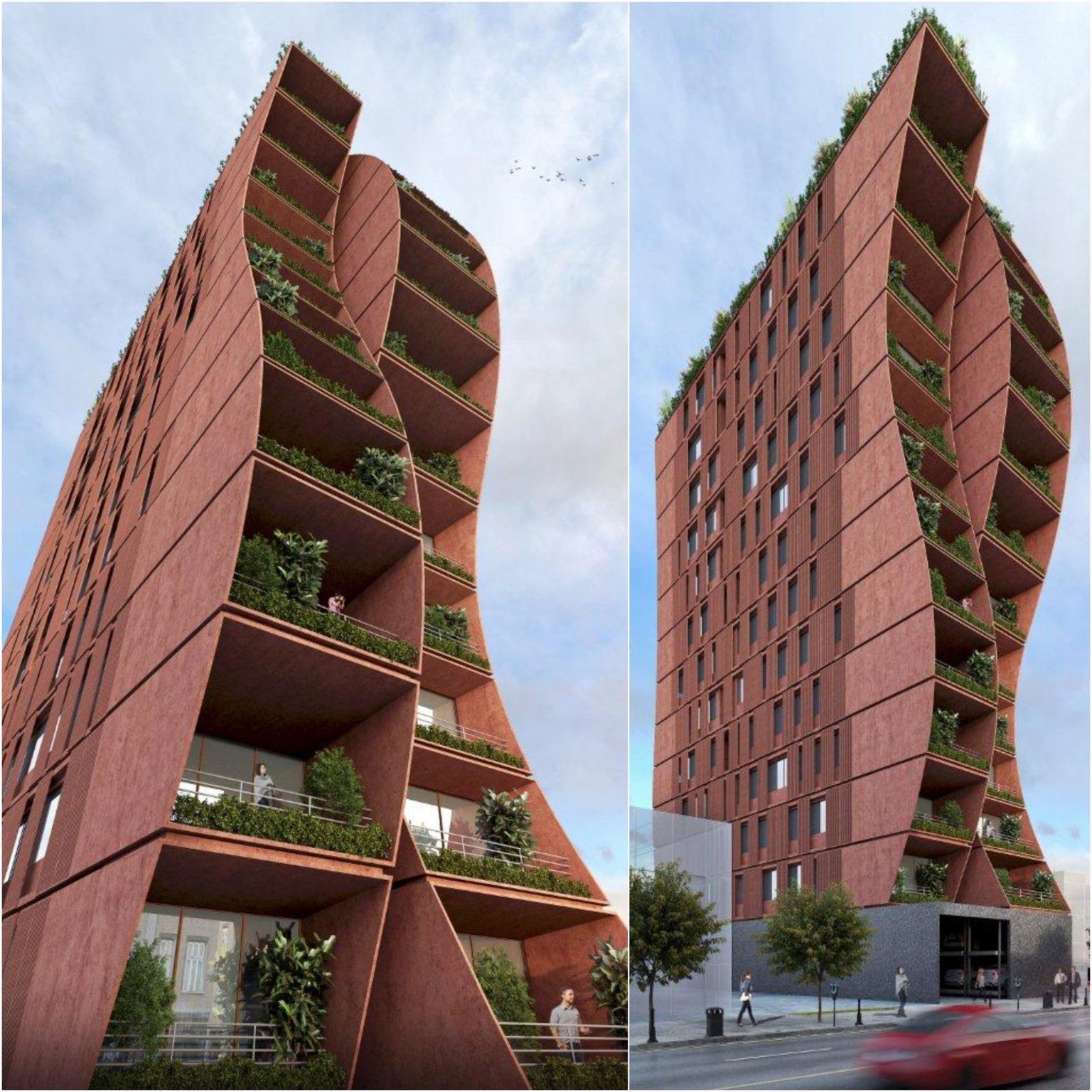
A selection of Sanjay Puri Architects’ work across education, residential and master planning, from Prestige University in Indore to Origami House in Pune and the RAS Township in Rajasthan.
“
This is probably the only profession in the world where you’re doing something different every day, if you want to.
350 Awards, Zero PR
Bespoke Careers (Chris Simmons)How much has the growth of the business been through publicity, awards, online presence?
Sanjay PuriWe don’t do any publicity. We have no PR. The awards are very personally gratifying because you know you’re doing something that’s competing in the world and is there at par. It’s a great feeling. It’s really good to know the kind of work you’re doing is being appreciated by peers and fellow architects. But it does not get you projects in India.
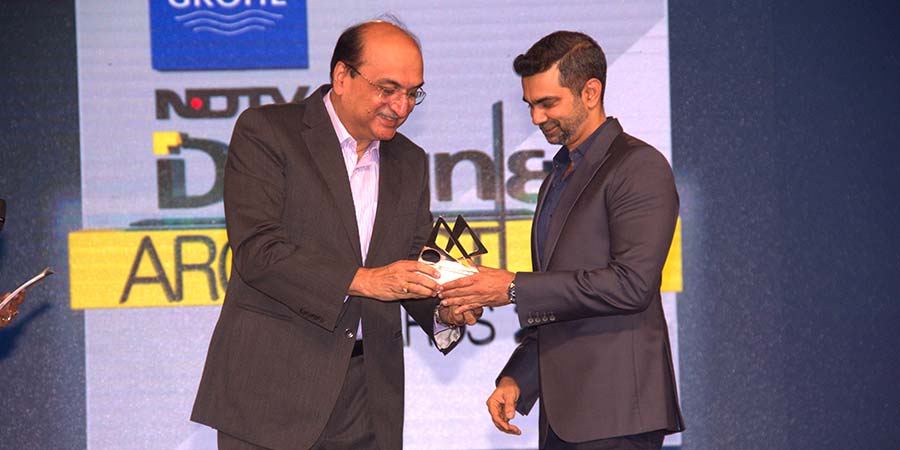
Sanjay Puri receiving the Design Innovation Award, 2016. One of more than 350 international awards the practice has received.
Social media has a lot of enquiries coming through, but most of them are for things that are either too small or don’t work, or people are just randomly asking things. Once in a while, something good comes through LinkedIn or Instagram. But word of mouth and networking are the strongest. People like to speak to someone you’ve already worked with. “Is this architect okay to deal with? How is he? Does he come to site?” Once people feel there’ll be a comfort factor, they come to you. The best draw for new clients is having finished a project. You finish a building and people from that city start contacting you saying, “We saw this, we’d like to work with you.”
The International Projects That Never Happened
Bespoke Careers (Chris Simmons)Have you explored projects outside of India?
Sanjay PuriWe won a competition to do an extension of a museum in Dallas. It went through all the final stages and then suddenly there was a stop. The landlord did not allow the extension, and they said you have to delay the project by three years. We got a really nice project in Montenegro. The building had started and we had an office operating in Montenegro for a year. Then one day the client called and said, “I’m really sorry, Sanjay, the Russian investors have backed out, so I’ll have to stop the project.” That was ten years ago and it’s not started, so I assume it’s not starting. Through Instagram, somebody from Australia contacted us and we’ve designed three projects for them, but none have been built yet. Little things are happening, but not enough.

The Asian Art Museum extension in Dallas. A competition-winning proposal shelved when the landlord refused to approve the extension.
Project Spotlight: Unbuilt
Hotel Resort, Montenegro

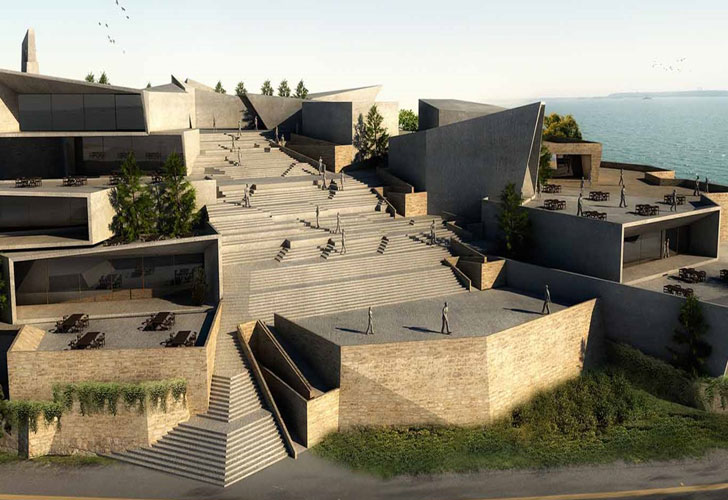
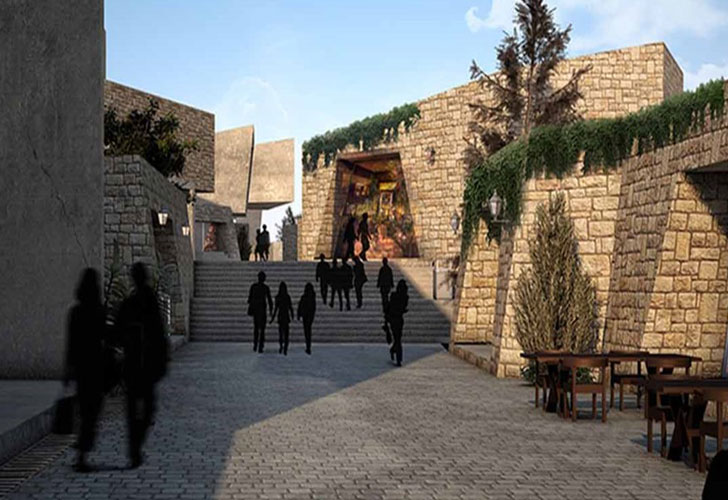
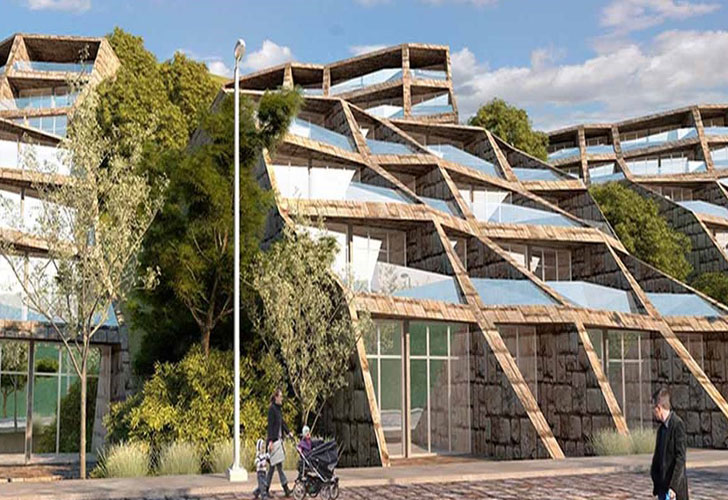

Conceived as a resort carved into the Adriatic coastline, this hotel was Sanjay Puri Architects’ deepest push into international work, significant enough that the practice opened an operating office in Montenegro for the duration of the project.
The design stepped and folded to follow the site’s topography, with terraces spilling down toward the sea and sculpted massing framing long coastal views. Construction had begun when the call came in: the Russian investors backing the project had pulled out overnight. Ten years on, the site remains dormant.
“He said, ‘I’m really sorry, Sanjay, the Russian investors have backed out, so I’ll have to stop the project.’ That was ten years ago and it’s not started, so I assume it’s not starting.” Sanjay Puri
India’s Next 10 Years vs the Last 30
Bespoke Careers (Chris Simmons)How do you see the Indian architecture scene? Do you see young talent coming up?
Sanjay PuriThere’s a lot of young talent coming up, and it’s very interesting to see. There are interesting kinds of buildings and interesting languages in architecture that are getting known. A lot more people, compared to ten years ago, are becoming conscious of good design. That being said, India is probably in the next ten years going to build more than it built in the last thirty years. So there is a lot of stuff coming that has no thought to it. But the good thing is that at least some projects are good and they are cutting edge, charting new territories in terms of design.
“
India is probably in the next ten years going to build more than it built in the last thirty years. A lot of it will have no thought. But some projects are cutting edge, charting new territory.
Why Glass Towers Don’t Work in India
Bespoke Careers (Chris Simmons)Do you think architects need to be doing more at the earlier stages. Getting into the room about structuring deals, knowing the numbers?
Sanjay PuriI think that is necessary. To know what those numbers are and then learn how to tweak them, or explain to a person how good design makes good business sense as well. Because it really does, to a large extent. But most people don’t think so. A lot more forums, a lot more discussions should be there where architecture is understood by the common people, not just by the developers.
A simple thing like shading. There are a lot of developers here trying to do curtain-wall glass buildings for residential towers, which makes no sense in this tropical climate. You cannot have all glass, get in so much heat, and then put curtains all day. That’s wrong, because there’s too much heat next to the window. You need shading, but everybody doesn’t know this. If you reach out to the common people, in simple terms a common man can understand. Yes, shading makes a huge difference, your air conditioning cost comes down by 30%, you’re actually saving energy lifelong. I explained this on a podcast and people came back saying, “Oh my god, I didn’t know this. Next time I’m not going to buy in a glass building.” Now he’s got that knowledge. When the common man isn’t going to buy into those glass buildings, that’s when developers will realise they’re making a mistake. Imparting basic design knowledge to the public at large is the most important thing.
I’ve Never Thought About Quitting
Bespoke Careers (Chris Simmons)Were there any points in your career when you thought about doing something different?
Sanjay PuriNot at all. To think of something besides architecture, not at all. It’s so vast. It’s so amazing. It’s so unique. We are actually shaping people’s lives by the way we design. I don’t think I’ll change for anything. It’s never crossed my mind.
Clients Bring 20 Images. He Ignores Them.
Bespoke Careers (Chris Simmons)Has building this practice been how you imagined?
Sanjay PuriI probably did not think it would grow to this extent, so it’s grown beyond what I thought. But what has not grown is, I had thought that I’ll be this architect, and people will come, they’ll give me the requirements, and then I’ll just design. That doesn’t happen.
You go to a doctor. You don’t tell them, “I want this medicine, and I know exactly what treatment I want, just write it and give it to me.” But that’s what a lot of people think they do when they come to an architect. “I want a building to look like this, and this part like that,” in 20 images. It takes a long time to convince them. Relax. Let me design for you. I will design something in a way you have not seen, instead of trying to copy these photographs you have got. That’s the only way you’ll get something unique. That aspect has not happened. I really thought that one day you just sit and people come and give you the requirements, and then you do whatever the hell you want to do. It’s just easier. But it’s not all the way there.
“
Relax. Let me design for you. I will design something in a way you have not seen, instead of trying to copy these photographs you have got.
Why He Won’t 3x His Firm
Bespoke Careers (Chris Simmons)Has scale really impacted the way you work and delegate? Are you still sketching with a chunky pencil all day?
Sanjay PuriI still spend half the day sketching and thinking ideas and working things out. The other half I go around, see what everyone’s doing, solve their problems, and stay abreast with what’s happening on each side.
We’ve tried to keep the practice to a size where you still know exactly what’s going on in every project, including most of the detailing. With the number of projects happening in this country, it’s very easy to grow this practice three times in the next six months if you want to. That’s the amount of work happening. But we don’t want to do that. There’s going to be a difference in creativity. You’re not going to know those details. A lot of stuff will go out not the way you want it to, because you want the design to be there holistically. You don’t want it to be just caution.
AI and the Future of Design
Bespoke Careers (Chris Simmons)How do you see the industry changing moving forward?
Sanjay PuriWhen used effectively, AI is going to make things easier to do, for sure. But I don’t think it can take away the design aspect. If you want to create something new, AI is going to build out of images stored in it from millions and millions. It’s still going to build out of what it has stored. If you really want to create something new, you still have to think it.
Yes, AI can speed up a number of aspects. I imagine AI will be able to check your drawings at some stage so they don’t go out with mistakes. It can check details to an extent. It can tell you ways to make construction faster. AI in terms of lighting may be amazing. You create the space and let AI do the rest. There are aspects of the profession that will be taken over by AI for sure. But the real design quality, the human quality, the understanding of space and user needs. That has to remain. People will try to do that in AI, but the result will never be the same as doing it from scratch.
Advice for Young Architects
Bespoke Careers (Chris Simmons)What would you say to young architects early on in their careers?
Sanjay PuriThere is no substitute for real hands-on experience, both visually and physically. You have to actually go into buildings, see them, experience what that building does to you. You’ve already done architecture, you understand the basics. Now go and see what difference this building or that building makes. No amount of looking at photographs is going to do it. No amount of watching videos is going to do it. Videos are a little better than photographs, but it’s not going to do it. Unless you’re in that space, that experience cannot be substituted. Young architects need to go to a lot of sites, physically see things happening. It can’t be done sitting in a room at a desk, browsing.
“
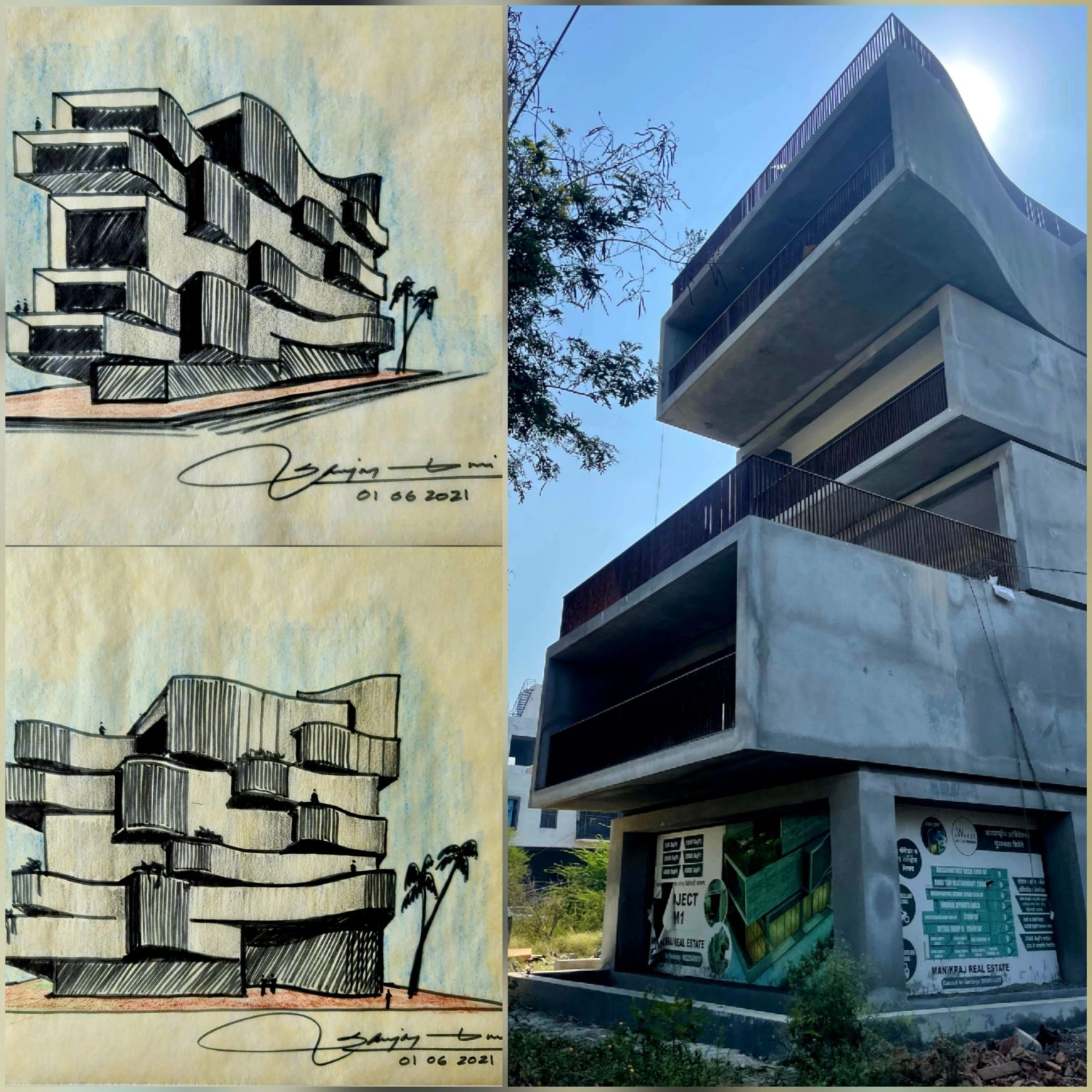
Start with a sketch rather than straight on some software. You’re thinking simultaneously as you’re drawing. It’s a different thing. You’re very clear.
Why You Should Start With a Sketch
Sanjay PuriI would actually encourage everyone to start with a sketch rather than straight on some software. You’re thinking simultaneously as you’re drawing. It’s a different thing. You’re very clear.
A lot of people ask, “But I’m not good at sketching.” If you keep doing it, you’ll be good, or at least reasonably good. It’s sufficient to be able to think an idea out. The sketch doesn’t have to be something that needs to be framed, but the sketch can explain what your building is. You don’t have to be a great artist. You see sketches by so many well-known architects from the ages. It’s not that the sketches were amazing, but you can see the idea and how it started.
The Satisfaction Is Insane
Bespoke Careers (Chris Simmons)Thinking about your career, being an architect, designing these buildings, what has it given you?
Sanjay PuriIt’s given a lot more than I expected. The satisfaction is insane. It is incredible and there are no words for it. When you go to a building you’ve finished to your satisfaction, experience it, and then see people enjoying those spaces. It’s a different kind of high altogether, which nothing else can give you. It’s gone way beyond what I thought.
Bespoke Careers (Chris Simmons)That’s a really inspirational way to leave it. Sanjay, thank you so much.
Sanjay PuriThank you, Chris.
Search for architecture and design jobs here
Latest architecture and design jobs around the world

Looking to hire top talent
 or advance your career? Let's talk.

We connect exceptional firms with talented professionals.
Let’s discuss how we can help you achieve your goals. Get in touch with the team today.
Related Posts

Attracting the best talent isn’t just about offering a competitive salary anymore. Architecture and design firms must focus on building a holistic package that includes both financial benefits and work culture, aligning with the values and needs of modern professionals.
Bespoke Careers sponsors the AJ100 Employer of the Year Award, which recognises UK architectural firms with market-leading workplace cultures.
Lucy Cahill, Bespoke Careers London director and AJ100 awards judge, discusses what it takes for a firm to be recognised as Employer of the Year and the ingredients of HTA Design’s success.
Angela Dapper on gender equity, landmark projects, and starting a socially focused studio – bringing big-practice skills to small community projects and finding rooms where people want to listen.