Design Portfolio Tips from 4 Hiring Employers (With Examples)
Gary Sheldrake, Luke Russo, Rachel Davis, and James Boggan Review 3 Design Portfolios


8 Portfolio Rules from the US Surgery
2. Lead with your strongest work
3. Design for the screen, not the printer
4. Label your involvement on every project
5. Show how you got there, not just where you landed
6. Make it readable without you in the room
Four Bespoke Careers recruiters from Austin, New York, and Brisbane sat down and reviewed three real architecture portfolios on camera. What follows are the eight rules every architect needs to hear, drawn directly from what the panel said.
Bespoke Careers Austin
Bespoke Careers Austin
Bespoke Careers New York
Bespoke Careers Brisbane
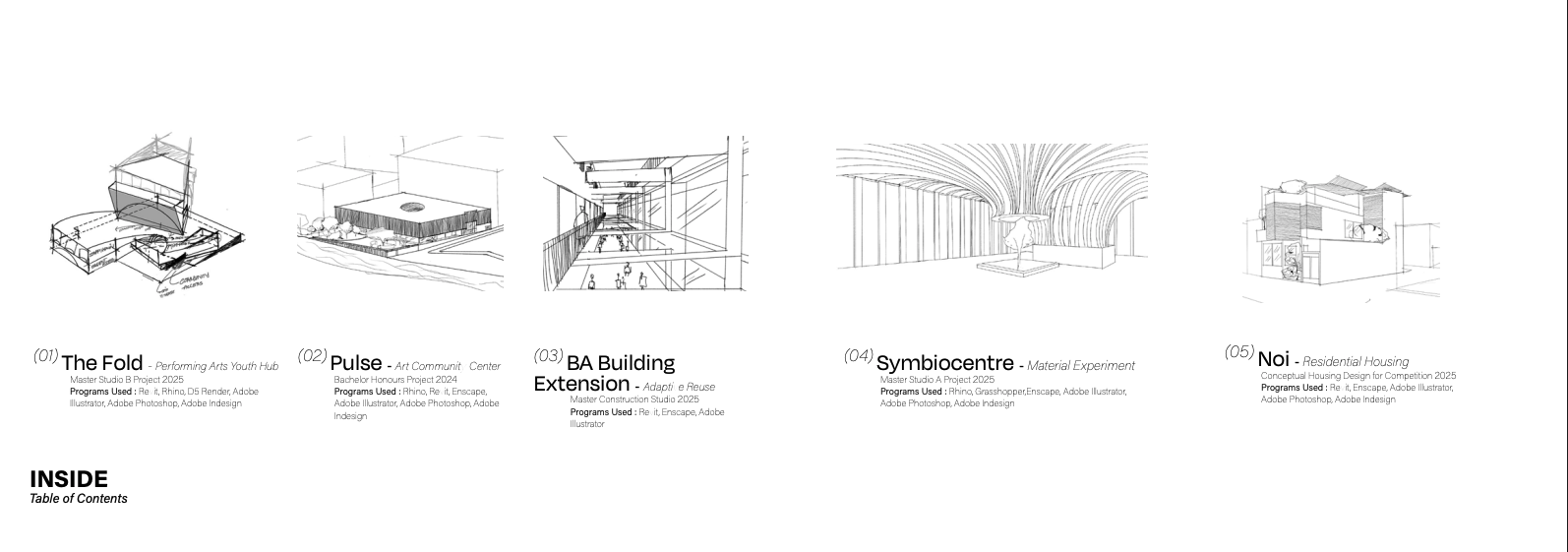
Cut the Contents Page
A contents page tells a reviewer where things are, but it doesn’t show them anything. In a document designed to make an impression quickly, it’s a page that does nothing. All three portfolios in this review included one. The panel’s reaction was the same each time.
“My biggest irk on a portfolio is a contents page. I don’t think anyone is looking at your portfolio thinking, ‘Oh, I must skip straight to page 10 to look at this.’
Gary Sheldrake
Managing Director, Bespoke Careers New York
“It’s a waste of a page. Let’s get straight to the good stuff.
James Boggan
Managing Director, Bespoke Careers Austin
What to do instead
✓ Open straight into your strongest project
✓ A brief project index belongs on your CV page if anywhere
✓ Each project page should introduce itself: title, brief, your role
Lead with Your Strongest Work
Where you open tells a reviewer what you think your best work is. If your strongest project is buried on page seven, you’re betting they’ll read far enough to find it. Most won’t. Professional experience always comes before student work. And within each category, strongest first.
“You always want to start your portfolio with your strongest work. If this is the strongest work or the most relevant work to getting a professional job, then it’s not looking good.
James Boggan
Managing Director, Bespoke Careers Austin
“If they have professional experience I would definitely advise limiting school work to one small page of exceptional work and then getting straight into professional work you’ve actually been involved with.
Rachel Davis
Consultant, Bespoke Careers Austin
How to order your work
✓ Professional work before student work, always
✓ Your personally strongest project first, not your most recent
✓ If all academic: lead with whatever shows the broadest range of skills
✗ Don’t order chronologically
Design for the Screen, Not the Printer
Most hiring managers open your portfolio on a laptop or phone. Portrait orientation, readable text, and a manageable file size aren’t nice-to-haves. For a long time, architects created portfolios as physical books to carry into interviews. That mindset is still showing up in submissions.
“Lots of employers will be looking at this on their iPhone, their iPad. And there’s nothing more that irks them than having to do this.
James Boggan
Managing Director, Bespoke Careers Austin
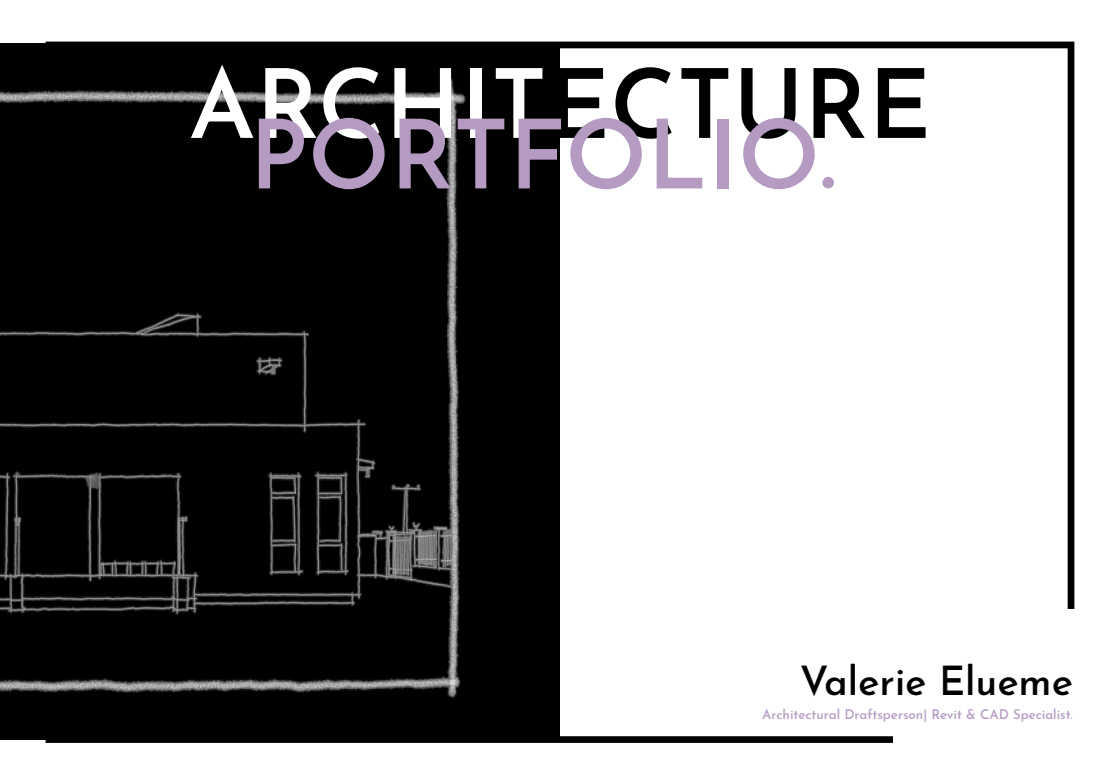
“It’s landscape and it should be portrait. If you’re looking at this on your iPhone, you’ve opened an attachment, you don’t want to have to flip your phone around.
Gary Sheldrake
Managing Director, Bespoke Careers New York
Before you send
✓ Portrait orientation throughout
✓ Text legible at 100% zoom on a standard laptop screen
✓ Under 10MB (if it can’t be emailed, it won’t be seen)
✓ Open it on your phone before sending. Does it work?
✗ Never mix portrait and landscape pages in the same document
Label Your Involvement on Every Project
A strong render tells a reviewer what the end result looked like. It tells them nothing about what you did. Group work, solo work, a two-week contribution on a large practice project. Without a label, the reviewer is guessing. The panel found themselves unable to answer basic questions across all three portfolios.
“You should definitely be identifying on your portfolio what the project was, what your involvement was, what part of the process you were involved with.
James Boggan
Managing Director, Bespoke Careers Austin
“There’s some really good knowledge of graphic software, some CAD skills, some physical model making. You can pick all of that up, but it’s not clear how it was used and who used it.
Rachel Davis
Consultant, Bespoke Careers Austin
What every project page needs
✓ Project name and type (student / professional)
✓ Your role (one sentence is enough)
✓ Project stages you were involved in
✓ Software used, written in plain text
✓ If group work: what specifically you contributed
Show How You Got There, Not Just Where You Landed
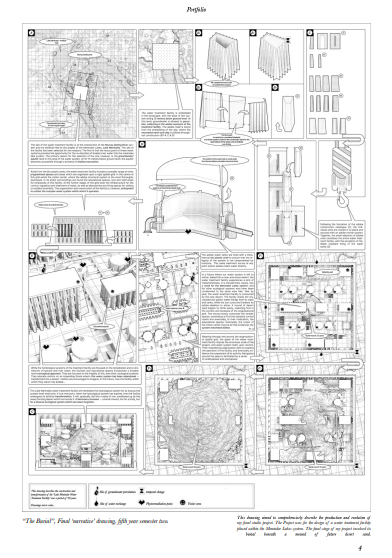
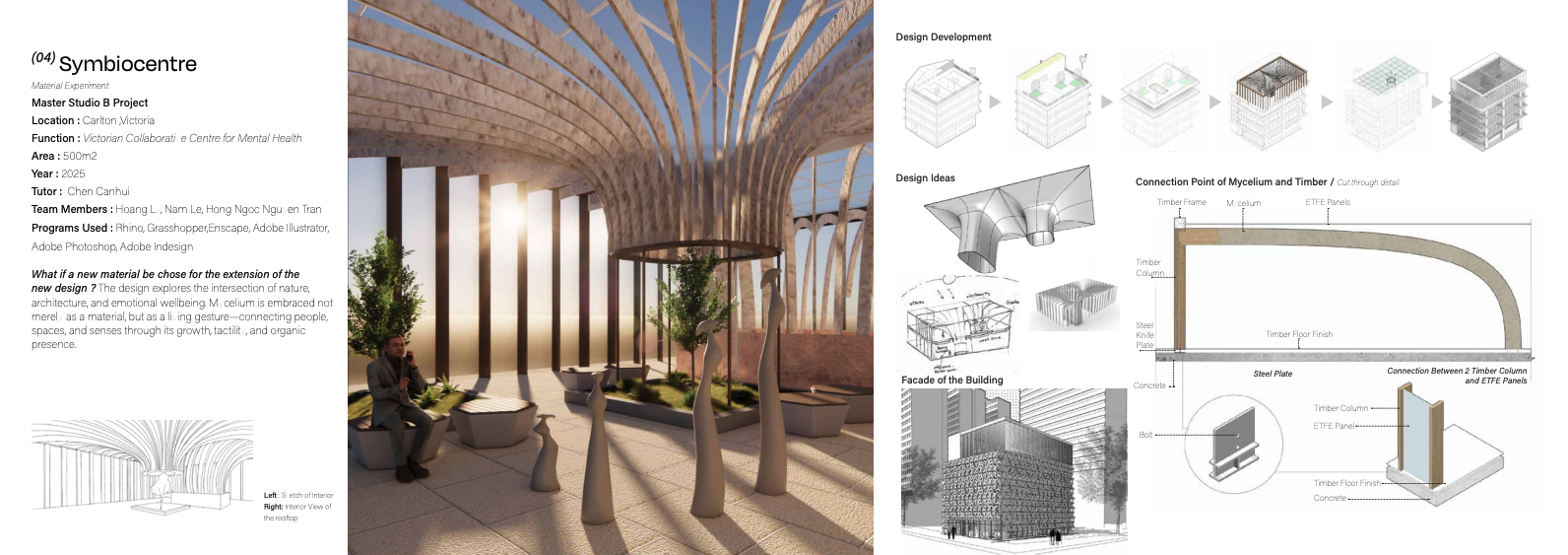
Final images are the least interesting part of a portfolio. What a hiring manager actually wants to see is how you think: the sketches, the models, the development. Portfolio 1 in this review was full of final photographs and finished models with no process. Portfolio 2 got this right.
“If this was the final model, it would be good to show how the process of getting to this final model instead of the 15 photos of the model. Show some of the process on how you got to the model.
James Boggan
Managing Director, Bespoke Careers Austin
“It’s busy, but it’s intentional. It’s not just throwing as much on the paper as possible. It’s actually showing a bit of the journey. And that’s cool.
Luke Russo
Manager, Bespoke Careers Brisbane
Process work the panel wants to see
✓ Sketches, even rough ones
✓ Physical model photography
✓ Early concepts alongside final outcomes
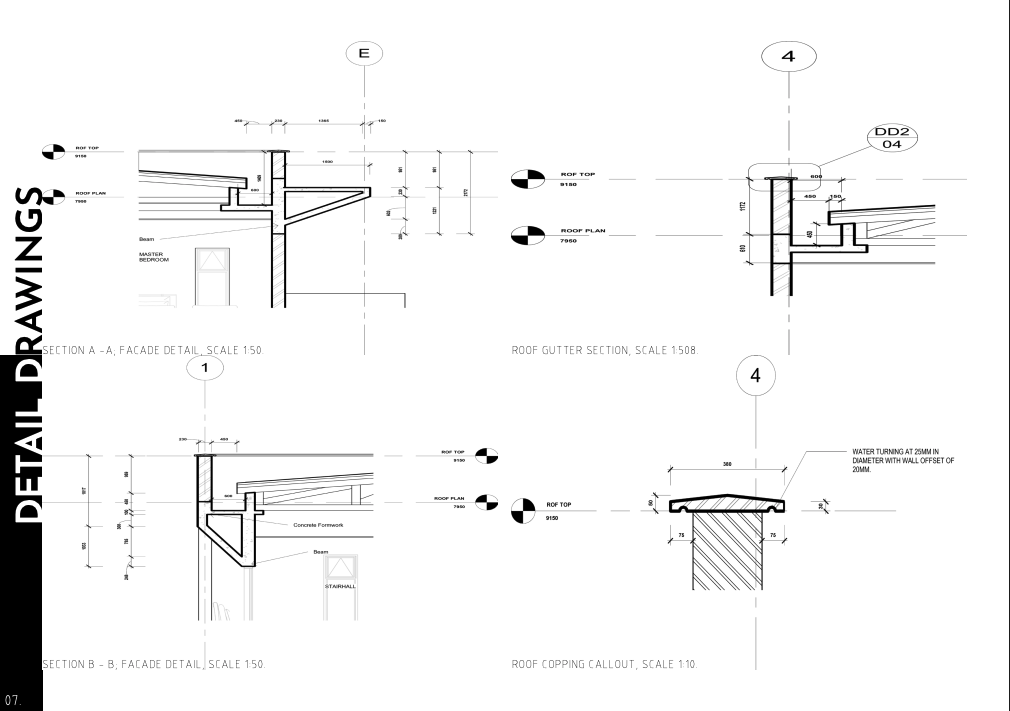
✓ Section drawings and plans alongside renders
One or two process images per project is enough. It doesn’t need to be exhaustive.
Make It Readable Without You in the Room
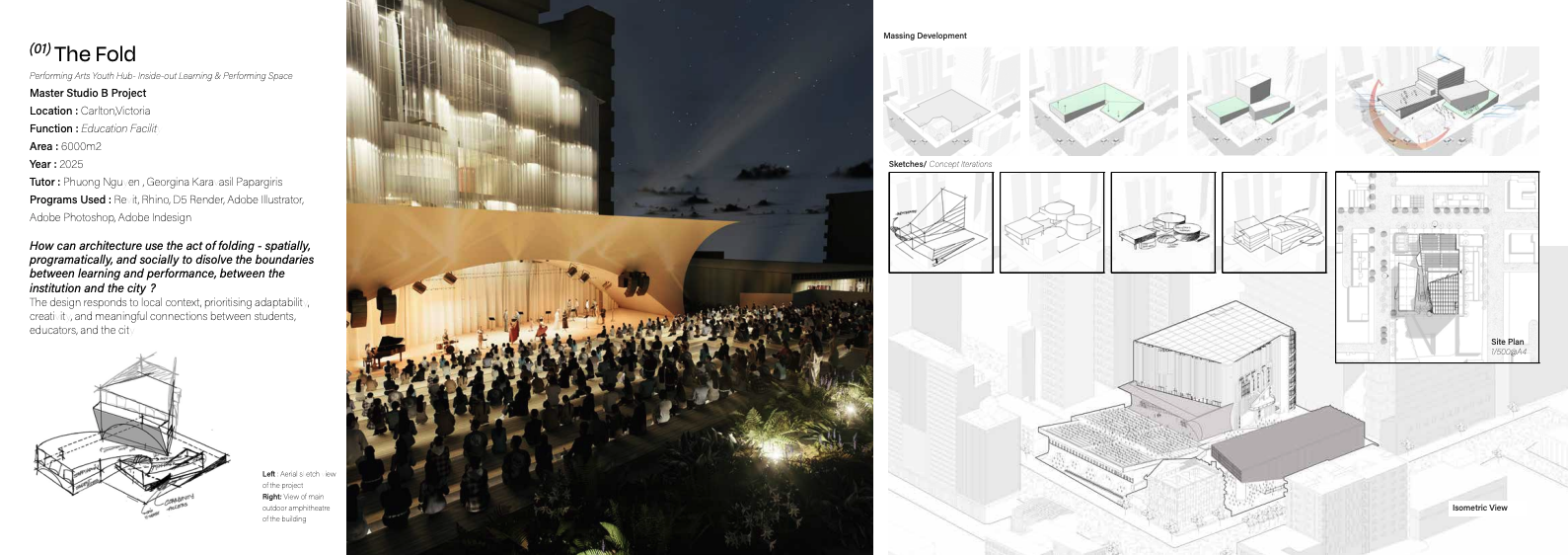
You won’t be next to every hiring manager who opens your portfolio. It needs to stand on its own. Clearly enough that someone who doesn’t know you, the brief, or the building can follow what they’re looking at.
“A portfolio needs to be designed so that you can read through it without the person taking you through it and understand what’s going on. And then when the person takes you through it, they can add a little bit of color, a little bit of context.
James Boggan
Managing Director, Bespoke Careers Austin
“You don’t want the readers to be more confused at the end than when they started.
Luke Russo
Manager, Bespoke Careers Brisbane
Clarity checklist
✓ Each project has a written brief (one sentence is fine)
✓ Your role is stated clearly on every project
✓ Visual hierarchy guides the eye without explanation
✗ Don’t rely on blocks of small text to explain images
No Links, No QR Codes
Links break. QR codes require the reader to pick up their phone. Neither works reliably inside a PDF, and neither is worth the friction it creates. Two portfolios in this review included them. The panel’s advice was the same for both.
“Don’t put links on portfolios because they don’t work and then it drives employers crazy. QR codes. That means they actually have to come off the laptop onto their phone.
James Boggan
Managing Director, Bespoke Careers Austin
What to do instead
✓ Any additional work can be offered at interview
✓ A portfolio link goes in your cover email, not inside the PDF
✗ No hyperlinks embedded in the document
✗ No QR codes

Get a Second Opinion Before You Send
The four people in this review see portfolios every week. Candidates who’ve had their work looked at before they apply are obvious. It’s not about perfection. It’s about a fresh set of eyes seeing what you’ve stopped seeing.
“Having a second opinion, having somebody look at your portfolio before you send it out is so helpful. If you’re trying to get your first job, go and speak to people and get feedback from people that work in the industry, or come to Bespoke Careers. Let us help.
James Boggan
Managing Director, Bespoke Careers Austin
“Maybe don’t go to your lecturer or professors at uni because they might look at it from a more educational or academic point of view, which sometimes doesn’t relate to the real world.
Gary Sheldrake
Managing Director, Bespoke Careers New York
Who to ask
✓ Someone working in architecture, not a lecturer
✓ If applying to a specific studio, look at their work first
✓ Come to Bespoke Careers for a review before your applications go out
Give your reviewer time with it. Don’t sit next to them while they read.
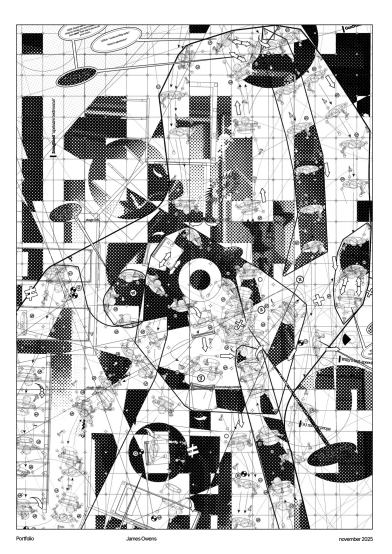
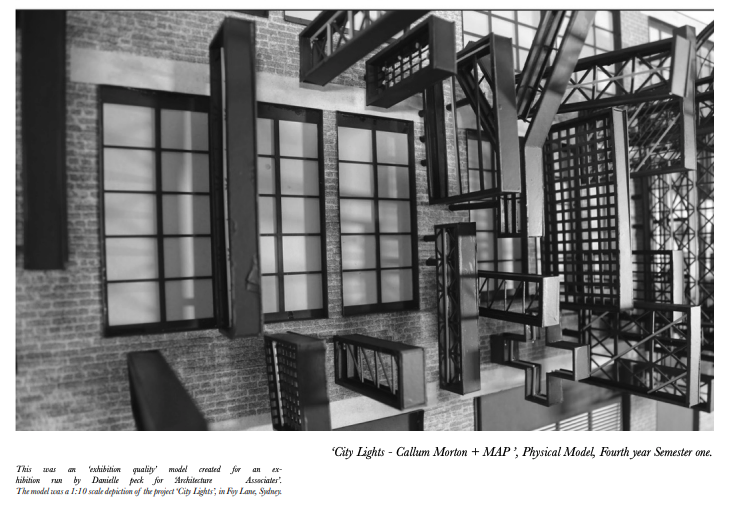
The Three Portfolios Reviewed: What the Panel Said
Architecture Portfolio FAQs: Answered by the Panel
Should I include a contents page in my architecture portfolio?
No. The panel’s unanimous view: it’s a waste of a page. A hiring manager opening your portfolio wants to see work, not a list of where the work is. Cut the contents page and open straight into your strongest project. If you need to reference projects, include a brief project index on your CV page instead.
Portrait or landscape: which orientation should my portfolio be?
Portrait. Most hiring managers open portfolios on a laptop or phone. Landscape means the reader has to rotate their device, which is enough friction for many to close the document and move on. Portrait reads naturally on screen and was the panel’s clear preference. Never mix orientations within a single document.
Should I include a photo of myself in my portfolio?
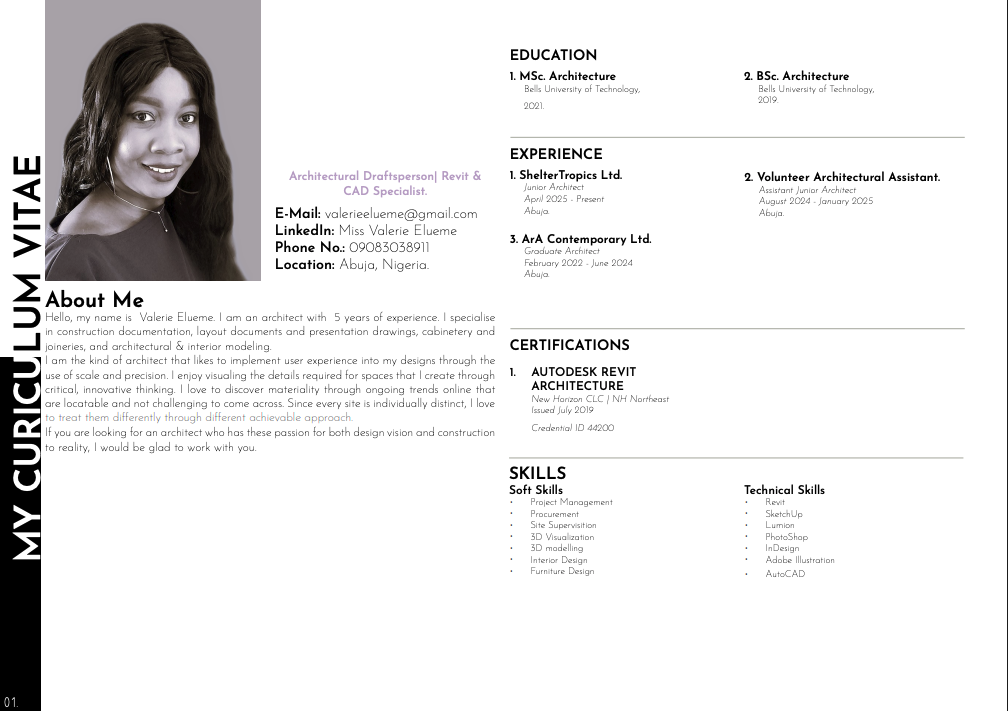
The panel’s general view: no. No one is hiring you based on your appearance, and a formal headshot creates an opportunity for subconscious bias before your work has even been assessed. If you’re applying to a specific studio (particularly a creative or informal practice), a photo can work against you before you’ve had a chance to make an impression. Leave it out unless you have a strong reason to include it.
Should I put my CV inside my portfolio, or keep them as separate documents?
The panel didn’t object to a CV inside the portfolio. It reduces the number of documents a hiring manager has to open. The caveat: it needs to fit the format. A CV squeezed onto a landscape page is harder to read than a properly laid-out portrait document. If it forces the reader to zoom in, it’s not working. Keep both options available and use whichever presents more cleanly.
Can I include links or QR codes in my portfolio?
No. Links break inside PDFs. QR codes require the reviewer to pick up their phone, switch devices, and scan. Almost nobody does. The panel flagged both in this review as things that frustrate hiring managers. If you have additional work to share, offer it at interview. A portfolio link goes in your cover email, not embedded in the document.
How much process work should I include?
Enough to show how you think, not so much that it crowds out the outcome. The panel praised portfolios that moved from sketch to section to render on a single spread. The journey was visible without the page becoming overwhelming. One or two process images per project is usually sufficient. Physical models, hand sketches, and section drawings were specifically flagged as things that stand out, particularly against portfolios that lead entirely with polished renders.
Should I tailor my portfolio for each studio I apply to?
Yes, and it’s more effective than most candidates realise. Look at the studio’s work before you apply. Is your portfolio reflective of their standard and the type of work they do? Candidates who’ve clearly looked at the practice and chosen projects accordingly signal genuine interest before the interview starts. Rachel: “I get so excited when a candidate wants to alter their portfolio for a certain studio. It shows how much they really care about that position.”
Should I include student work if I have professional experience?
Yes, but it comes after professional work and should be edited down. Any professional practice experience, however brief, takes priority. If your academic work shows something distinct (a particular skill, medium, or project type not covered by your professional work) include it. Otherwise, one page of exceptional student work is enough. The panel’s consistent view: professional work first, always.
Want Your Portfolio Reviewed?
Upload your portfolio and we’ll consider it for our next live panel review. Real feedback from real recruiters, recorded and shared so every architect can learn from it.
Search for architecture and design jobs here
Latest architecture and design jobs around the world

Looking to hire top talent
 or advance your career? Let's talk.

We connect exceptional firms with talented professionals.
Let’s discuss how we can help you achieve your goals. Get in touch with the team today.
Related Posts

Shajay Bhooshan co-founded ZHA Code with a three-week crash course in writing code. That was 20 years ago.