How to Plot Your Own Path In Architecture – Selasi Setufe MBE
Selasi Setufe sits down with us to talk about the route into architecture that didn’t follow the script, and the network she built when the standard one didn’t fit.
Two degrees, no job, and an unpaid internship in Slovenia. Selasi Setufe sits down with us to talk about the route into architecture that didn’t follow the script, and the network she built when the standard one didn’t fit.
Selasi Setufe MBE is an architect and co-director of Black Females in Architecture, a network that started as a group chat in 2018 and now spans a global membership of more than 400.
She works on the strategic side of the profession as a Principal Project Officer in the Greater London Authority’s Place Unit, after several years at Be First, Barking and Dagenham’s regeneration company.
In 2022 she was made an MBE for services to diversity in architecture.

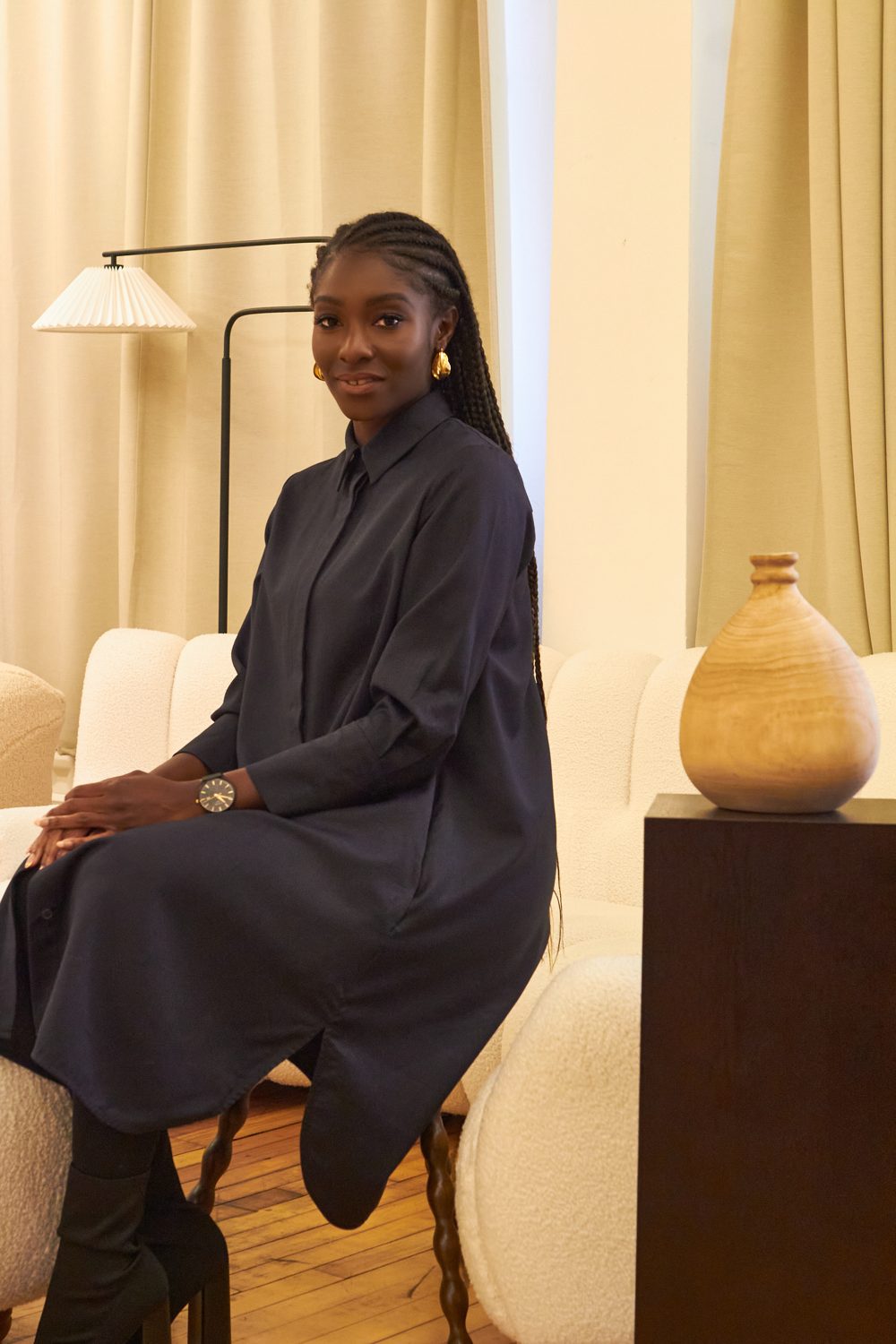
Selasi Setufe MBE. Photo: Tobi Sobowale.
Deciding to Do Architecture Differently
 Bespoke Careers (Chris Simmons)
When did you stop trying to fit into the architecture profession and start building your own career and platform in it?
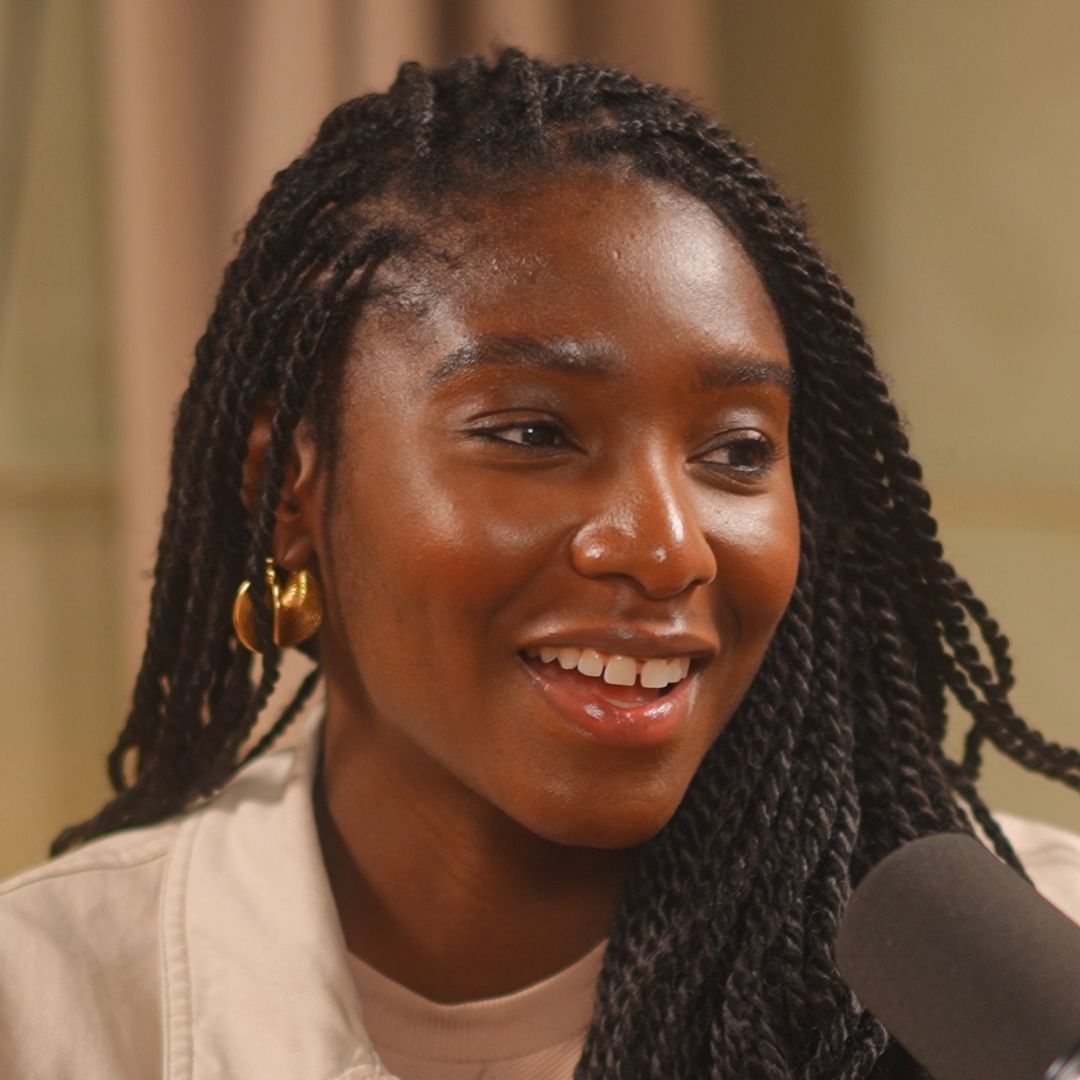 Selasi Setufe
I had it in mind that I needed to do something different going into my part two. I found part one really tough. I went into it very naive and bright-eyed, like, oh, I want to be an architect. I hadn’t really experienced the real world, or what it meant to try to get into an industry that didn’t actually look like me. I hadn’t spent much time thinking about representation, or how my background might be a hindrance to getting in.
Finding part one difficult made me feel like I could actually learn more by doing and working and experiencing, and not having to prove myself through what I can articulate on paper. So I decided I’d take two years out instead of one.
And I was very surprised and shocked to find it wasn’t as easy as going and applying for a job. There wasn’t really much support in trying to do that. So I spent the better part of those two years not in architecture, applying for any and everything, and not even really getting interviews.
Two Degrees, No Job, and Seven Months in Slovenia
Selasi SetufeI think I got two interviews. I ended up doing an unpaid internship in Slovenia for about seven months, which I would highly not advise. I had to depend hugely on my family, and that in itself was a privilege, but I was really broke.
So going back into part two, I had it in mind that I need to go in with a different mindset. I need to exercise different parts of myself, and not be too absorbed with trying to conform to what the architecture academic situation was, because it wasn’t beneficial.
“
I spent too much time trying to conform, and less time trying to grow and nurture what I already could bring to the table.
The Room Where She Met Elsie Owusu
Selasi SetufeI’d got into this understanding that life is a lot about who you know and the relationships you have. One of my struggles was that I was coming in very naive, and I didn’t have anyone to guide me through. I wasn’t coming from a background where there were many creatives, or anybody in the industry who could give me a boost or some direction. So I was like, okay, I need to find these people out for myself.
I sought out free events. No real agenda, I just wanted to meet some people. Not networking in the very ick, transactional way. I didn’t go with a CV or portfolio.
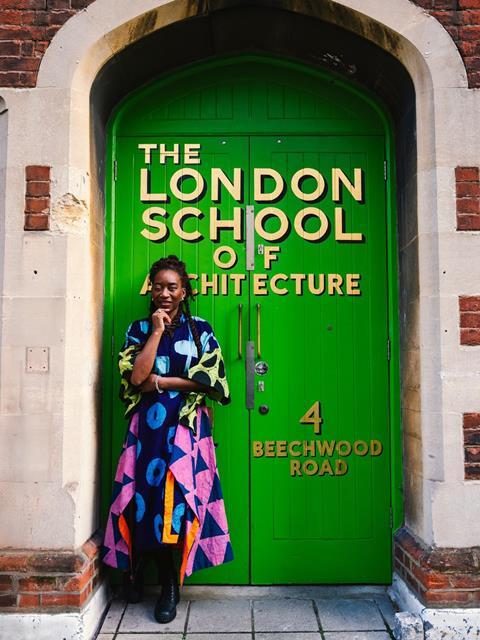
Diane Small, then a director at RIBA London.
I met a new director for RIBA London called Diane Small. She’s amazing. Diane is of African Caribbean heritage, and I hadn’t appreciated that that was never a thing that had happened before. It meant she was bringing a lot of herself to how she ran her role. Her small talks were diverse, and again, I hadn’t appreciated that that’s not really how things were done.
At one such event I got talking to a woman who had asked a question. A black woman. After the event I found myself speaking to her, and it turned out to be Elsie Owusu. She asked what I was up to. I told her I was finding it difficult to get a job. She said, okay, have you got your portfolio together, your CV? Let’s meet up and I’ll look through your stuff with you.
The Advice She Never Forgot
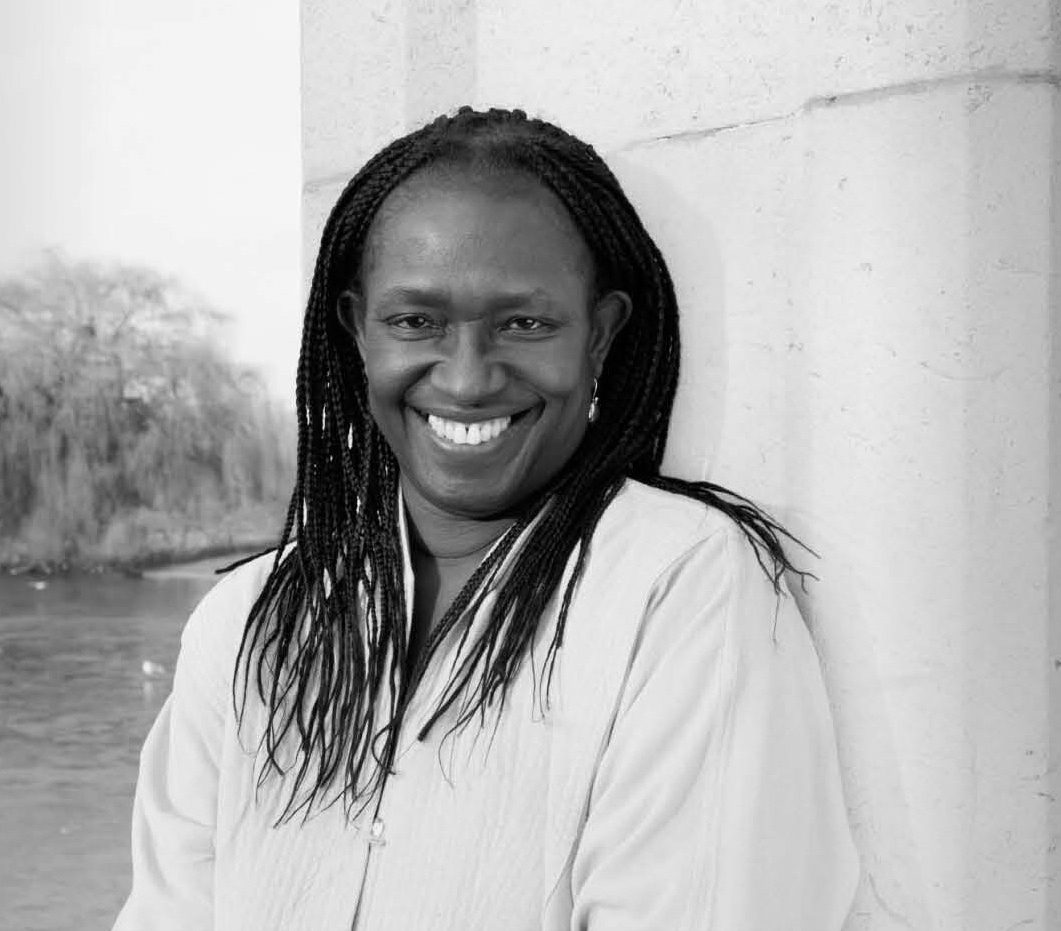
Elsie Owusu OBE.
Selasi SetufeShe said something that day I’ll never forget. You and others are leaving architecture school with two degrees under your belt. There’s no reason not to feel accomplished and confident that you can go out and do whatever you want. Don’t call yourself an architect, because that’s legal, but there’s so much you can do. You can set up a company. You can offer your design and creative skills under so many different guises. Don’t feel limited or restricted.
“
Be that change, rather than always expecting to go in and change a system that’s already broken.
That led to a relationship with Elsie, and I ended up working with her for a number of years on a consultancy basis. I set up a company, freelancing under her, and gained a lot of my architectural experience, which led me to do my part three through that working arrangement. That was the workaround. I wasn’t fitting the mould, and it wasn’t working for me.
Speak to One Person
Bespoke Careers (Chris Simmons)Putting yourself out there, is that uncomfortable, or does it come naturally?
Selasi SetufeDefinitely uncomfortable. A lot of that putting myself out there was actually one-on-one. I’m quite a shy and timid person, still am, people don’t think so. But I came in with the resolve that I must try and speak to at least one person.
“
I don’t need to be a social butterfly. But I must try and speak to at least one person.
Bespoke Careers (Chris Simmons)What weight do you put on those key people, the ones who went above and beyond to nurture you?
Selasi SetufeI cherish it a lot. They might not understand the gravity of value I place on their support, or just them creating space for me to be around. Elsie would invite me everywhere. She’d say, right, I’m running a campaign to get more diversity onto our council, you’re going to join. I’m going to a meeting at the House of Lords, come on, let’s go. I’m going to meet the director of the V&A, let’s go. I’m not necessarily doing anything there, but it’s exposure. Understanding how to move in spaces you’re not familiar with.
Ghana, and a Grandfather’s Question
Bespoke Careers (Chris Simmons)What led you to architecture in the first place?
Selasi SetufeThere are multiple things. I was keen on being an athlete, my mum said no. She said, you’re very argumentative, you like to talk a lot, you’re very opinionated, you should be a lawyer. That’s a typical African stereotype, this regard for the professions. And I was like, no way, there’s no way I have any interest in being a lawyer or a doctor.
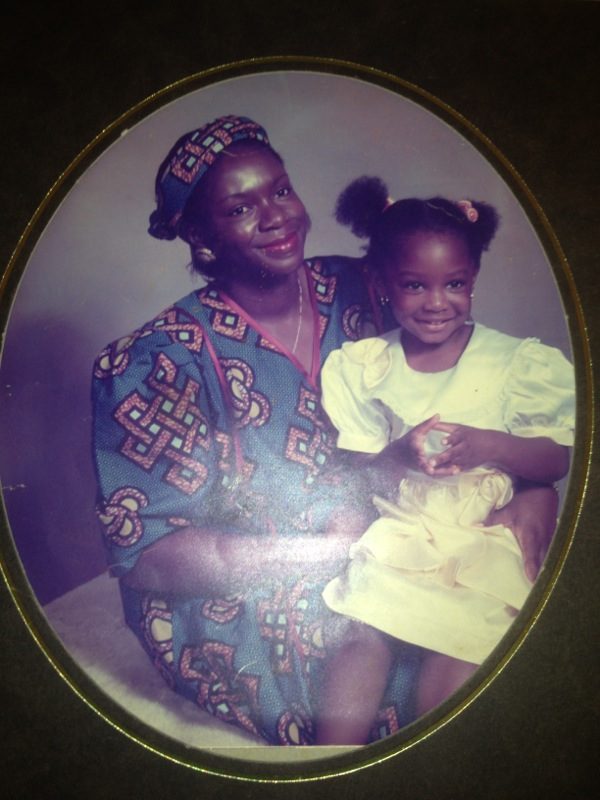
Selasi with her mum.
I spent five years, from the age of five to ten, growing up in Ghana, going to school there, surrounded by people who looked like me. There wasn’t the same fear or lack of confidence that comes with being a minority and being discriminated against.
“
In that setting it was very much: you can do anything you want to do. If you want to do it, just do it.
My grand-uncle, who I call granddad, was based in Ghana. He’d built a house there, a brilliant house that’s still standing today. He asked what subjects I studied, and then, have you ever considered architecture? My mum had never really dealt with an architect, but he had. I found myself very intrigued by that comment, and I began to notice the way I was inquisitive about space in a way I hadn’t before.
What Architecture School Gets Right, and Misses
Bespoke Careers (Chris Simmons)Did university prepare you for the day-to-day of the work?
Selasi SetufeI have mixed emotions. Architectural education is brilliant in the way it teaches you to think and be a problem solver. A hundred percent. But the day-to-day of it, typically it’s not a very good or healthy environment.
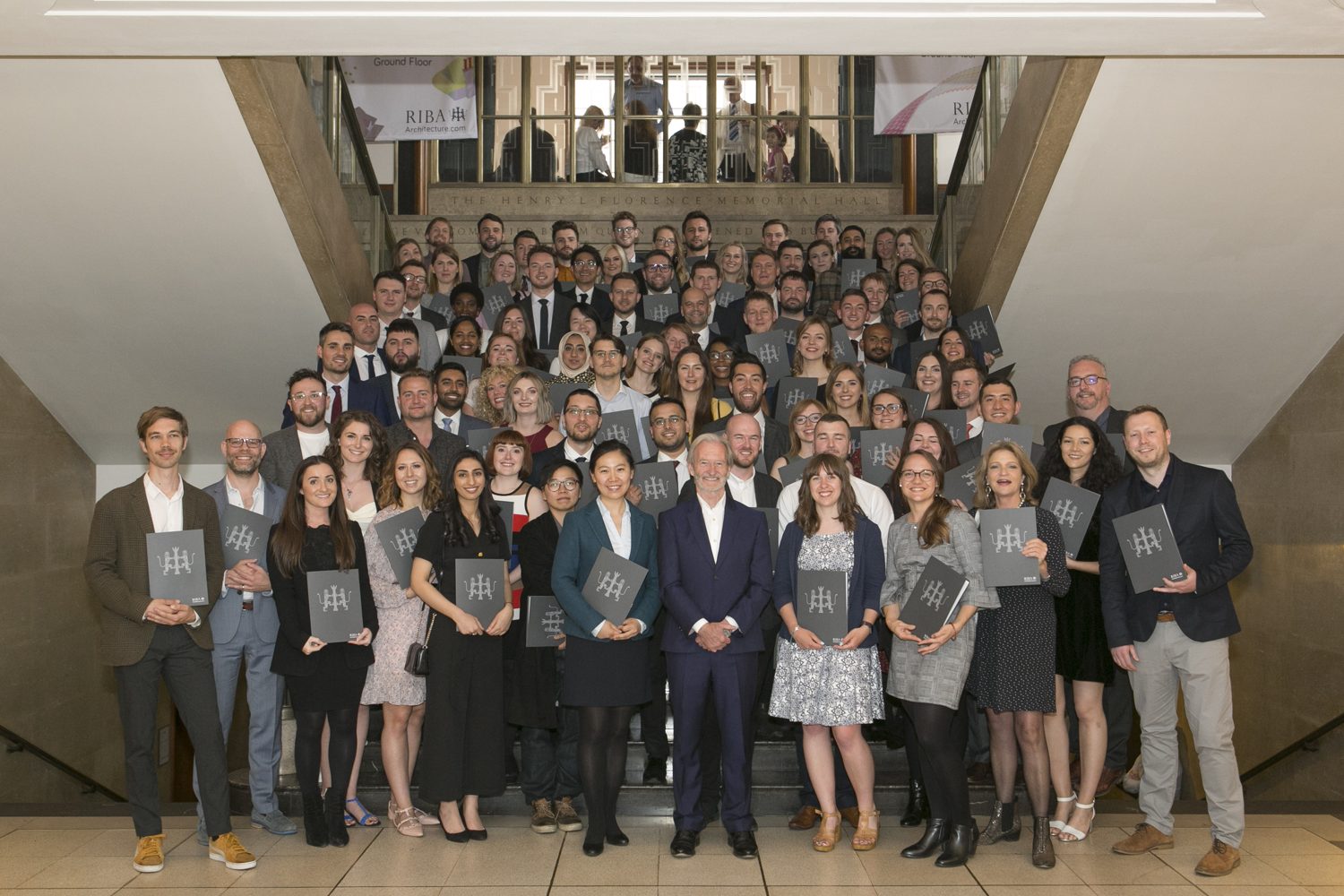
Part 3 graduation.
“
It didn’t do much to nurture my strengths. It rather highlighted my weaknesses, and didn’t care to explore my lived experience of space and place.
Architecture is an avenue to create impactful change and shape the spaces we all inhabit every day. That’s based on everybody’s individual lived experience. It cannot surely be all about Mies and Corbusier and whoever else.
It’s almost treating everybody like the same person. If you have two children, even twins, they’re never the same, and the way you nurture them has to be different. After hundreds of years of teaching, we should be able to find a way that lets people bring more of themselves.
Architecture With a Big A
Selasi SetufeOne thing I grappled with, and still sometimes grapple with, is this idea of wanting to do architecture with a big A. If you stop the average person and ask what an architect is, they’ll say they design buildings, they draw. That’s not part of my everyday anymore, so you almost feel like a lesser version of an architect. But if I sit outside myself, it’s also a very critical role.
The academic institution unfortunately makes a lot of students feel there’s only one way to do it. When we talk about retention rates, we’re really talking about people who didn’t go on to complete in some way. But you’ve got two degrees, three by the time you do your part three. You’re doing all right. How many people who studied architecture went on to do incredible things, whether designing Nike shoes or leading fashion houses?
From Barking to the GLA
Bespoke Careers (Chris Simmons)You worked at Be First, and now the GLA. Both non-traditional. Tell me about that.
Selasi SetufeBe First is a development company wholly owned by the London Borough of Barking and Dagenham. I grew up and still live in Barking, so it was a nice way to be involved somewhere I’ve seen change so much. I went in through Public Practice, which again meant I wasn’t going the traditional route. It was a way to be involved at a more strategic level, and to have influence over a lot of things quite quickly.
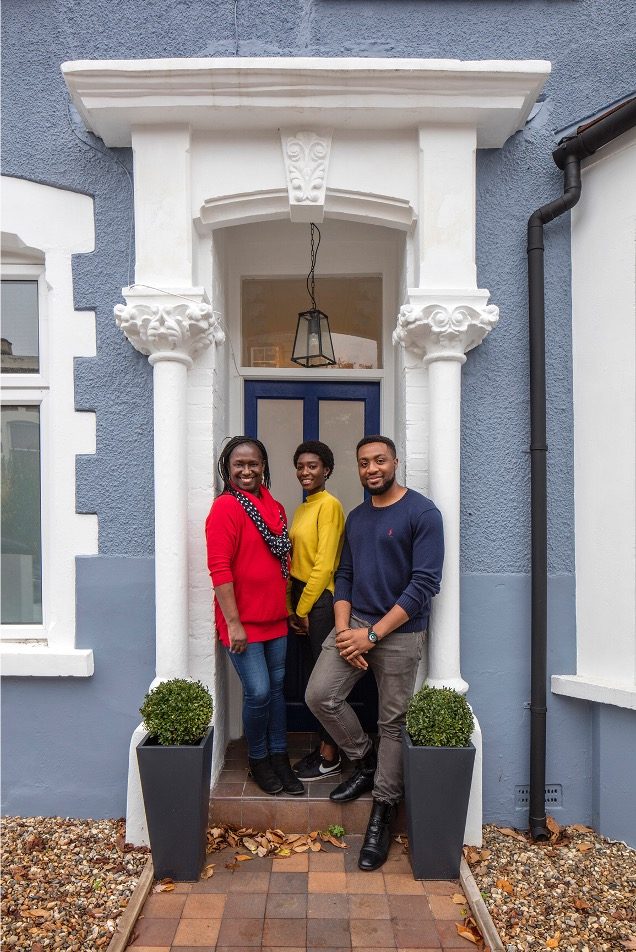
A completed scheme. Photo: Morley von Sternberg.
“
I can walk through an estate with friends from primary school and say, I actually helped play a part in how that came about.
Moving to the GLA is a scaling up. You go from a borough scale to a London region scale, working across multiple boroughs, on studies looking at entire London approaches to policy, helping facilitate access to grants. Right now I’ve been working on a high streets strategy programme, supporting boroughs to deliver strategies for their local town centres, and helping disseminate grant funding for public realm interventions or refurbishing a community centre. And I work with an amazing bunch of people.
Architecture Is So Slow
“
Architecture is so slow. Everything takes so freaking long. You’re not going to see the fruits of that for 20, 30 years plus. Doesn’t make it less rewarding.
Selasi SetufeI left Be First almost two years ago, and stuff I helped set up two or three years ago is only now starting to grow legs and manifest into something tangible. It takes time. This whole new towns agenda, and other things some of us are involved in, we’re not going to see the fruits for 20, 30 years plus.
Bespoke Careers (Chris Simmons)It’s almost more important, because it’s looking to the future, not just to now.
From a Group Chat to a Global Network
Bespoke Careers (Chris Simmons)Black Females in Architecture started as a WhatsApp group. How does that become what it is now?
Selasi SetufeIt was 2018 when it set off. Two years post-masters. Two years of thinking, I need to do this differently, I need to know more people, why am I the only one. I was going to all these events, and maybe I’m the only black person in the room, maybe the only young black woman in the room. All of these things were bubbling up.
Black Females in Architecture. Photo: Tobi Sobowale.
One event was by the Architecture Foundation. They’d just started a young trustees board, and I saw they had a young black woman on it. I was like, oh my gosh, what are the odds. So I made sure to go and speak to at least one person. I might look crazy, but where else am I going to meet this person? That’s how I started speaking to Neba, who became a co-director of Black Females in Architecture.
“
There’s something about a shared experience, even if it’s something bad. You share it with people who understand immediately. You don’t have to over-explain.
It started as a WhatsApp group, because a group of us had met and wanted to keep in touch. Over the years it evolved into something where we’re trying to create tangible outputs that represent a different way of thinking, different priorities, from the perspective of a marginalised minority group within, for example, a London context.
The Network
Black Females in Architecture at a Glance
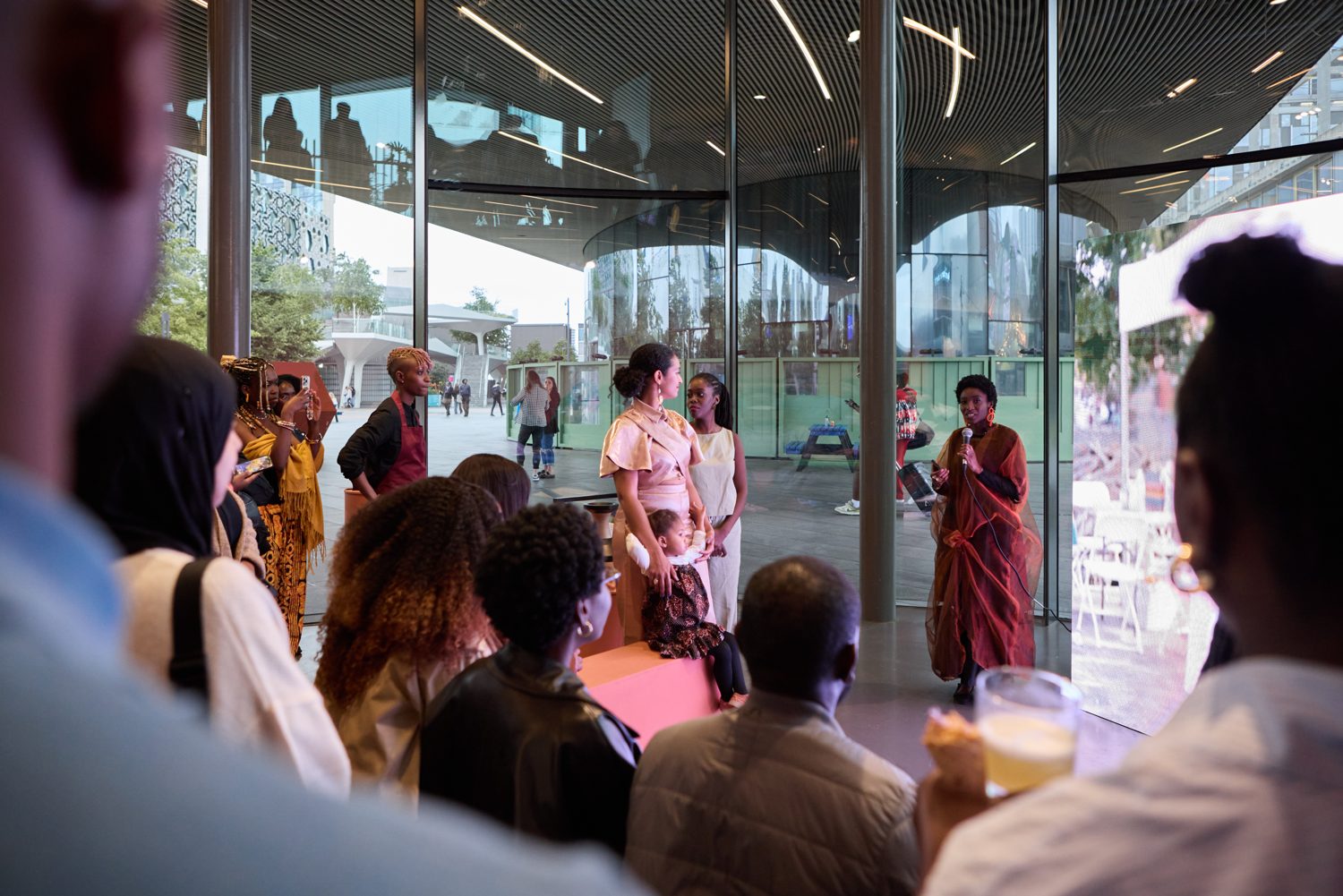
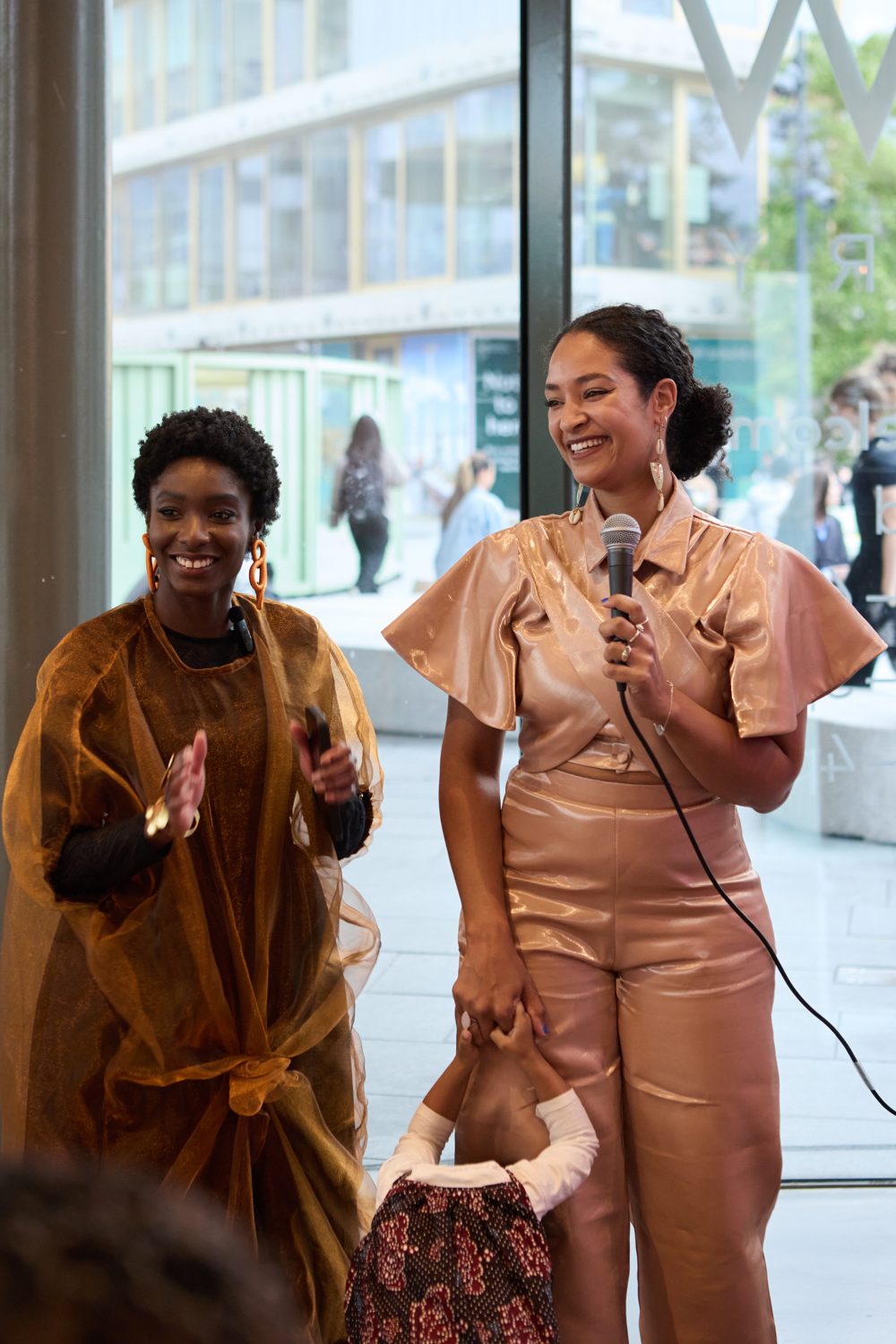
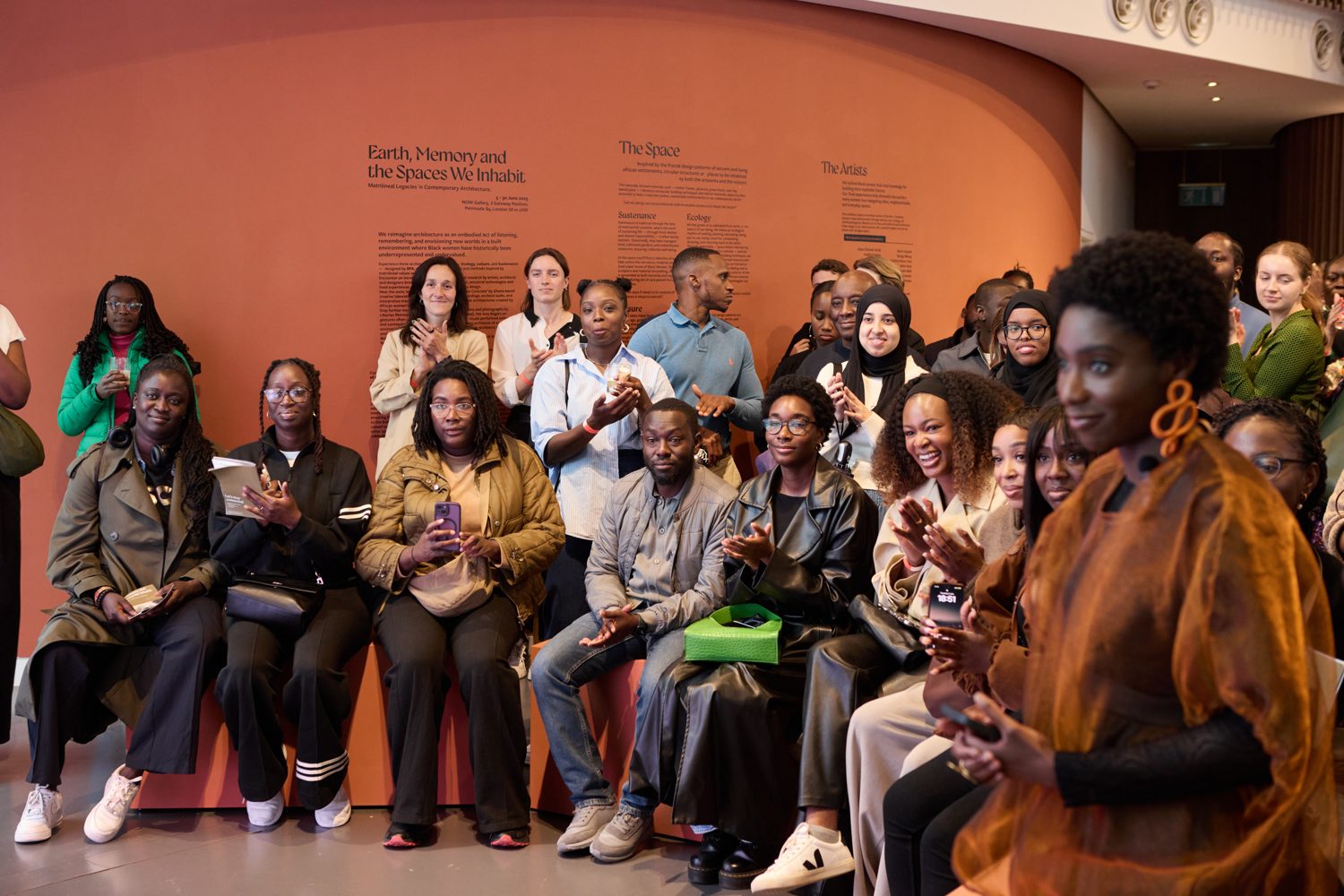
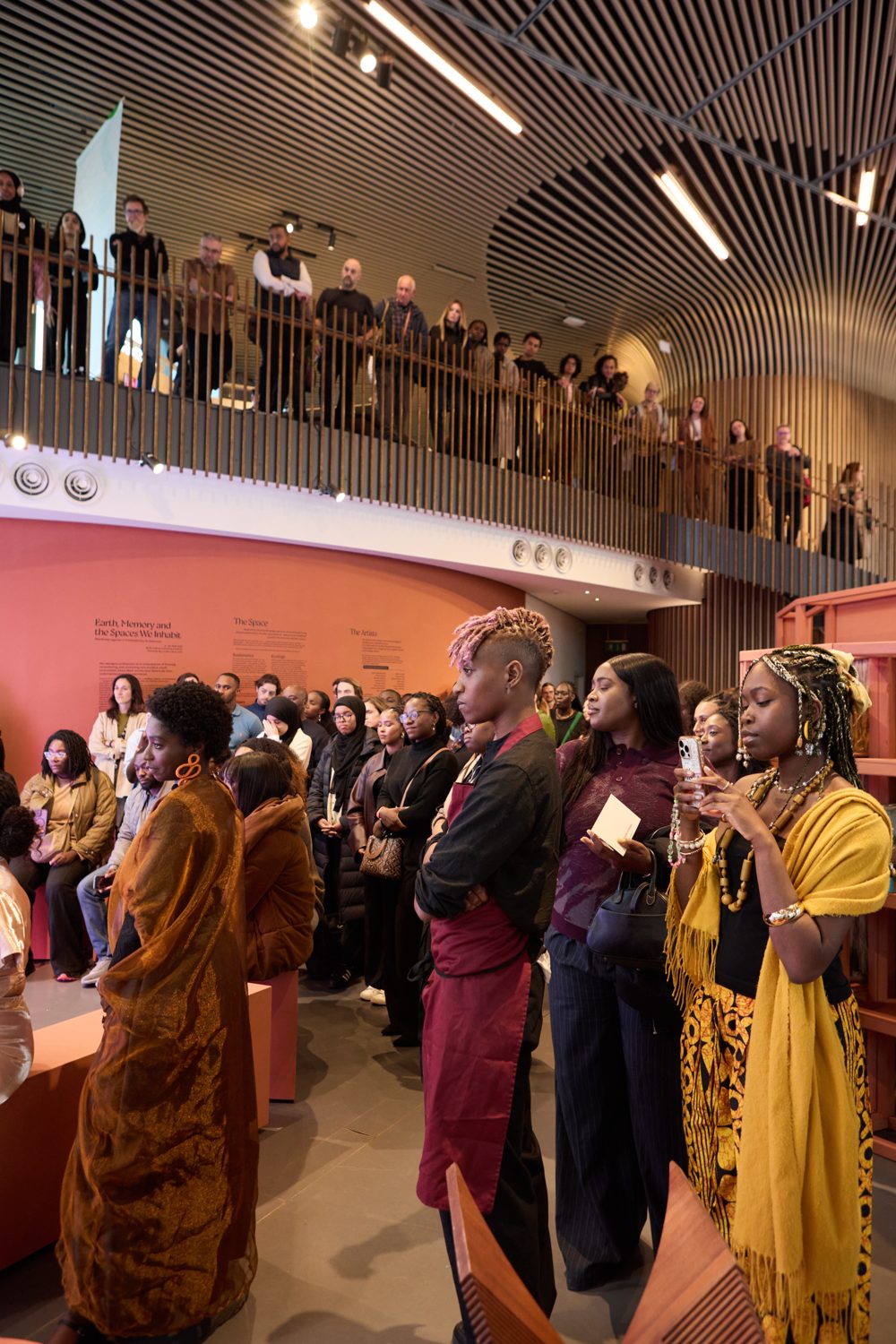
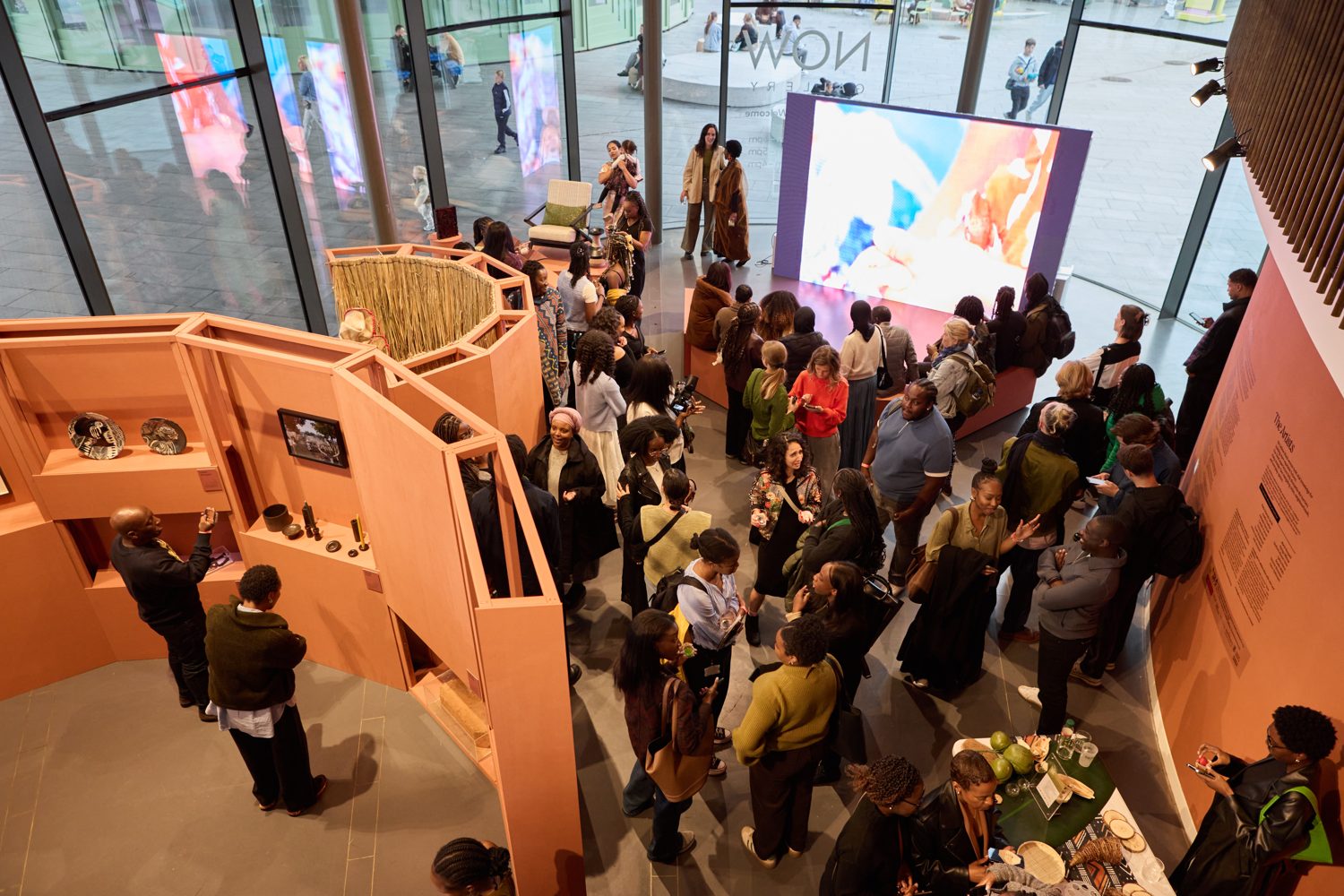
Founded in 2018 to increase the visibility of black women in architecture and push the industry to look at itself. What began as a WhatsApp group between people who kept meeting at the same events has grown into a global network of more than 400 members, with an exhibition at the London Festival of Architecture and work spanning the Venice Biennale, the V&A and beyond.
The aim now is tangible output. Public realm interventions, building projects, exhibitions, work that represents a different set of priorities and a different way of thinking about who shapes the city.
“Some people’s experience of architecture has only ever been with BFA around. They don’t even know any different, which is crazy to think about.” Selasi Setufe
BFA x LFA exhibition launch, Now Gallery. Photos: Alberto Romano.
Fixing the Profession, and Working In It
Selasi SetufeI see these as two things, distinct but interconnected. One is working for the furtherance of the profession, how it runs, its good and bad, how to make it better. The other is actually working in the profession, being the architect, the designer who makes the thing happen.
“
If the way you exist as a professional in the built environment isn’t working right, how do you expect the delivery to work right?
All the bad practice, the ways of thinking and working, will inevitably spill over into the way you deliver the thing. How you think about space and place, what equity looks like, what diversity and inclusivity look like. So you need to do both things. That’s what we do.
The Events That Forced Change
Bespoke Careers (Chris Simmons)Might a young woman coming through now have a different experience to yours?
Selasi SetufeThe average person going into part one isn’t as naive as I was. Everyone’s more clued in on global, societal and political issues. And there are people and institutions tackling things that weren’t even topics of conversation when I started architecture school, whether decolonising academia, equity, inclusivity, diversity. Social justice, community-led design, participation, they were seeding, but they weren’t the conversations being had.
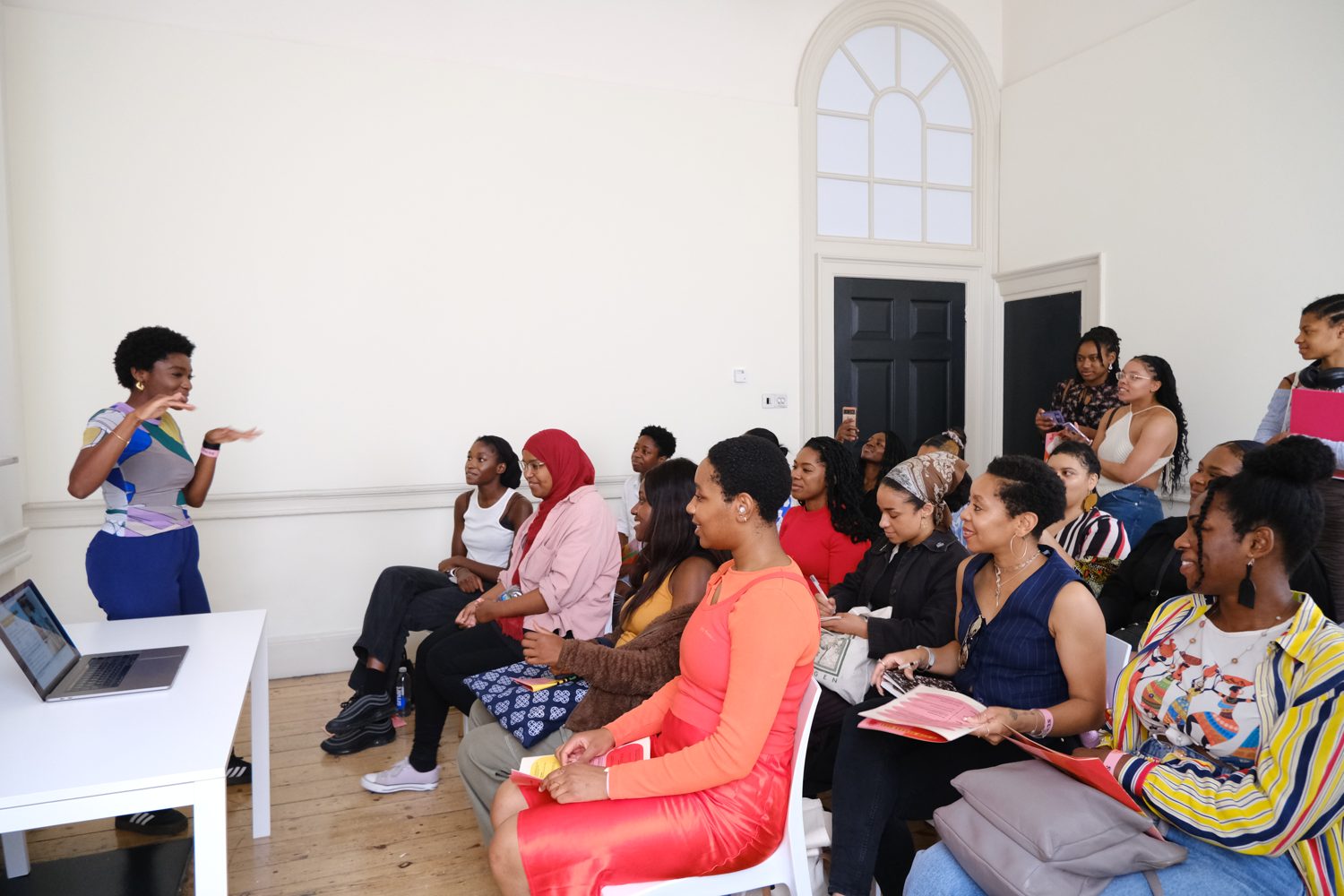
BFA facilitating a Black Girl Fest workshop, Somerset House, 2023.
It took some devastating crisis events for some of this to change, whether the killing of George Floyd or Covid. The landscape is different now. Organisations like ours exist, and we’re not the only ones. I would have liked an organisation like BFA around when I was going through architecture school.
“
Some people’s experience of architecture has only ever been with BFA around. They don’t know any different, which is crazy to think about.
On Being a Role Model
Bespoke Careers (Chris Simmons)People look up to you now. Where do you sit with that, as a mentor, someone paving the way?
Selasi SetufeI still see myself as a young, shy, green-eyed person trying to figure stuff out. Being seen as a mentor, I don’t really see myself that way. I’m not in any structured mentorship programmes, partly capacity. But I enjoy being able to have a conversation with someone. If someone asks for a few minutes to chat, I’m hoping they leave feeling I’ve helped in some way, that I’m reachable. If I can help, I will, because that’s how others helped me. But also, why not?
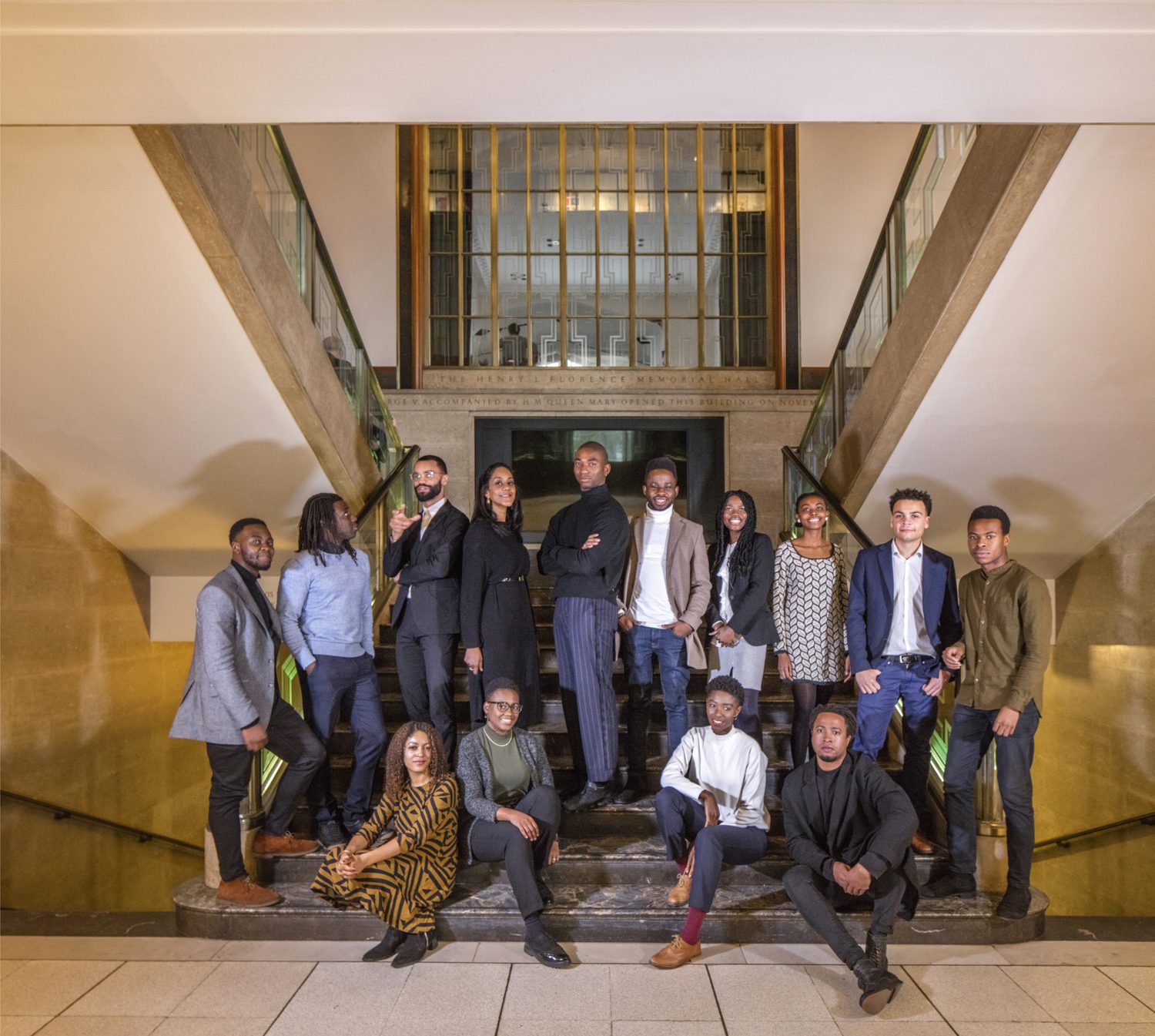
Next Generation Black Architects. Photo: Morley von Sternberg.
The MBE She Almost Turned Down
Selasi SetufeOn the MBE, I don’t know if I’ve said this anywhere else. Member of the British Empire, I’m not necessarily for any of those words strung together, or its connotations, or its symbolism on a wider level. It took a lot of talking to different people, getting different perspectives, to decide whether to take it.
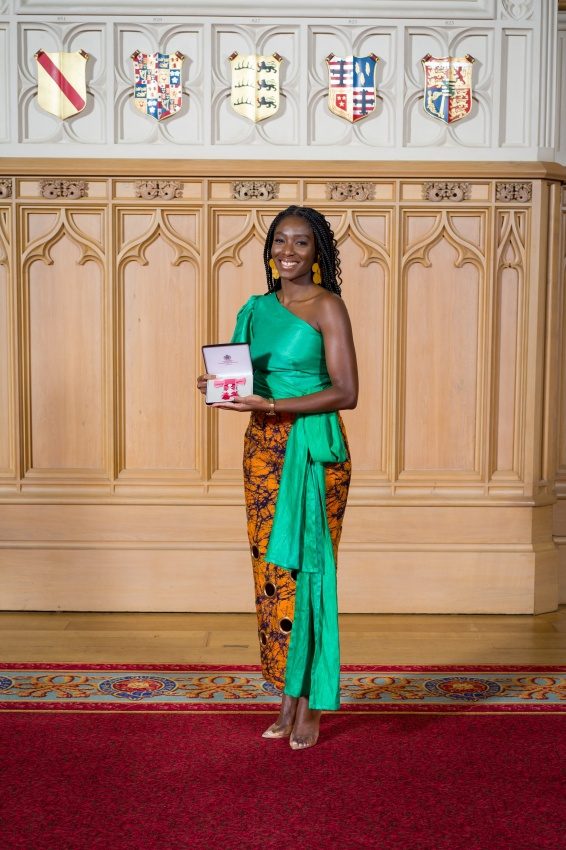
At the MBE investiture.
“
Ultimately it was more about what it might help do, than me taking an honour for myself.
What’s Next
Selasi SetufeThe work’s never finished. It would be nice for more people to feel supported, to have more access to opportunities, to explore the different ways they want to positively impact the world, in their local and other contexts.
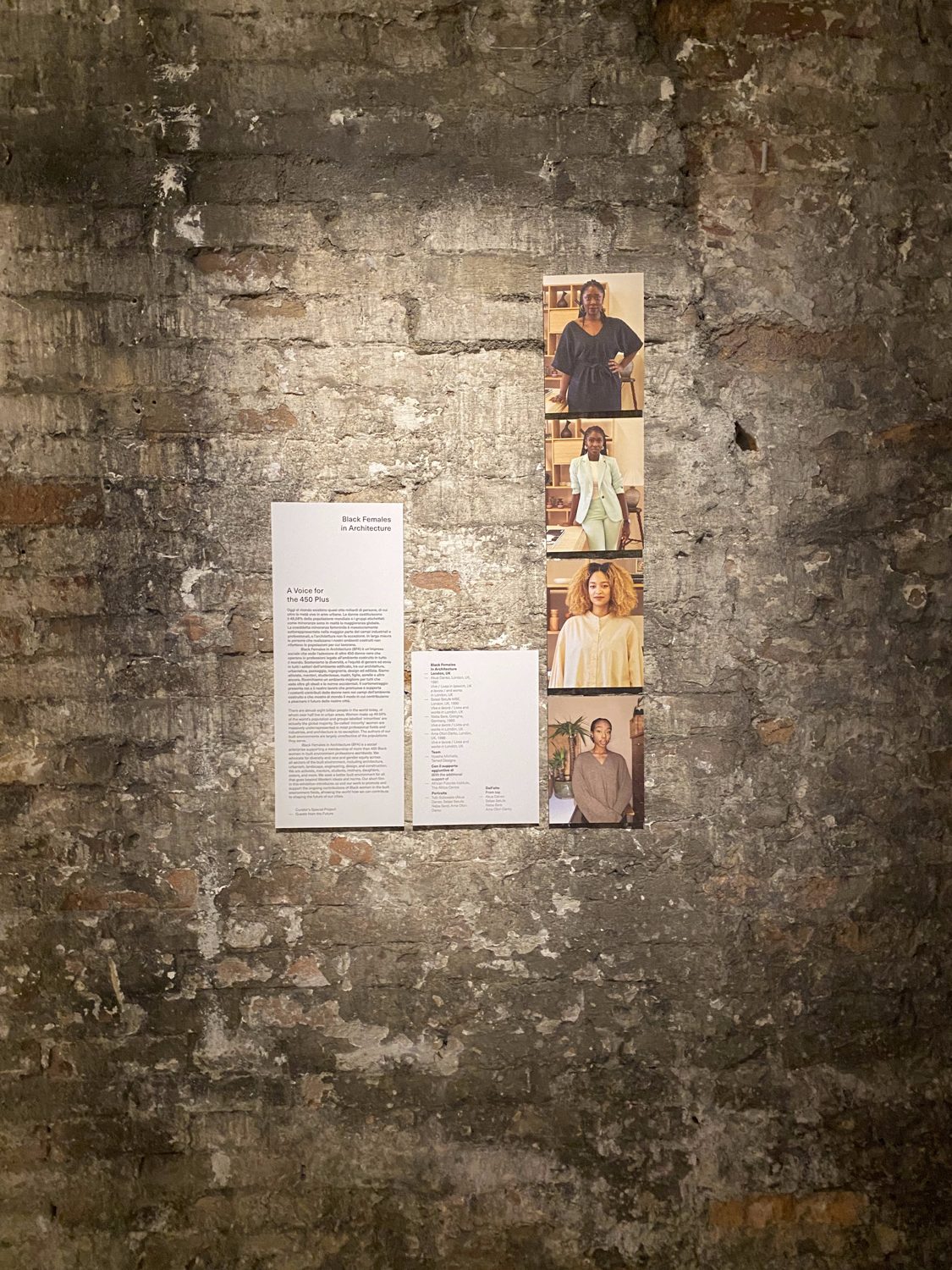
BFA at the Venice Biennale, 2023.
It’s so westernised and Europeanised that you forget how huge the world is, how much of it exists outside the western context. If the whole of Africa decided to industrialise at the pace and rate Europe did, with those resources, it would be way worse, just for the sheer size and volume. So we need to do things differently. And who are the people thinking about doing that thing differently?
We did an exhibition in London last year, co-curated by an art curator friend of mine, bringing these worlds together. Then it’s about scaling that up. What does it look like for BFA to deliver projects, public realm interventions, building projects, in the UK and outside it. That means we can create job opportunities.
“
Selasi of ten years ago, who couldn’t find a job, could maybe be employed by an organisation like BFA, doing something in the built environment. That’s really exciting.