What I Learned Starting A Design Studio (Without a Degree) – Mitch Jones
Mitch Jones sits down with Bespoke Careers to talk about selling the dream, a strategy you can explain in five minutes, and a studio people keep mistaking for a cafe.
No design degree, no formal qualification, and the only title in architecture you can hold without one. Mitch Jones sits down with Bespoke Careers to talk about selling the dream, a strategy you can explain in five minutes, and a studio people keep mistaking for a cafe.
Mitch is the creative director and co-founder of Made For, a Melbourne workplace design studio whose work is now almost entirely offices.
He came up through his family’s fit-out business and a couple of years selling cars, not architecture school. His wife Cara started as the studio’s interior designer and now runs Wildflower, a furniture business that grew out of Made For.
The goal he’ll say out loud: Australia’s most enduring and revered workplace design studio.
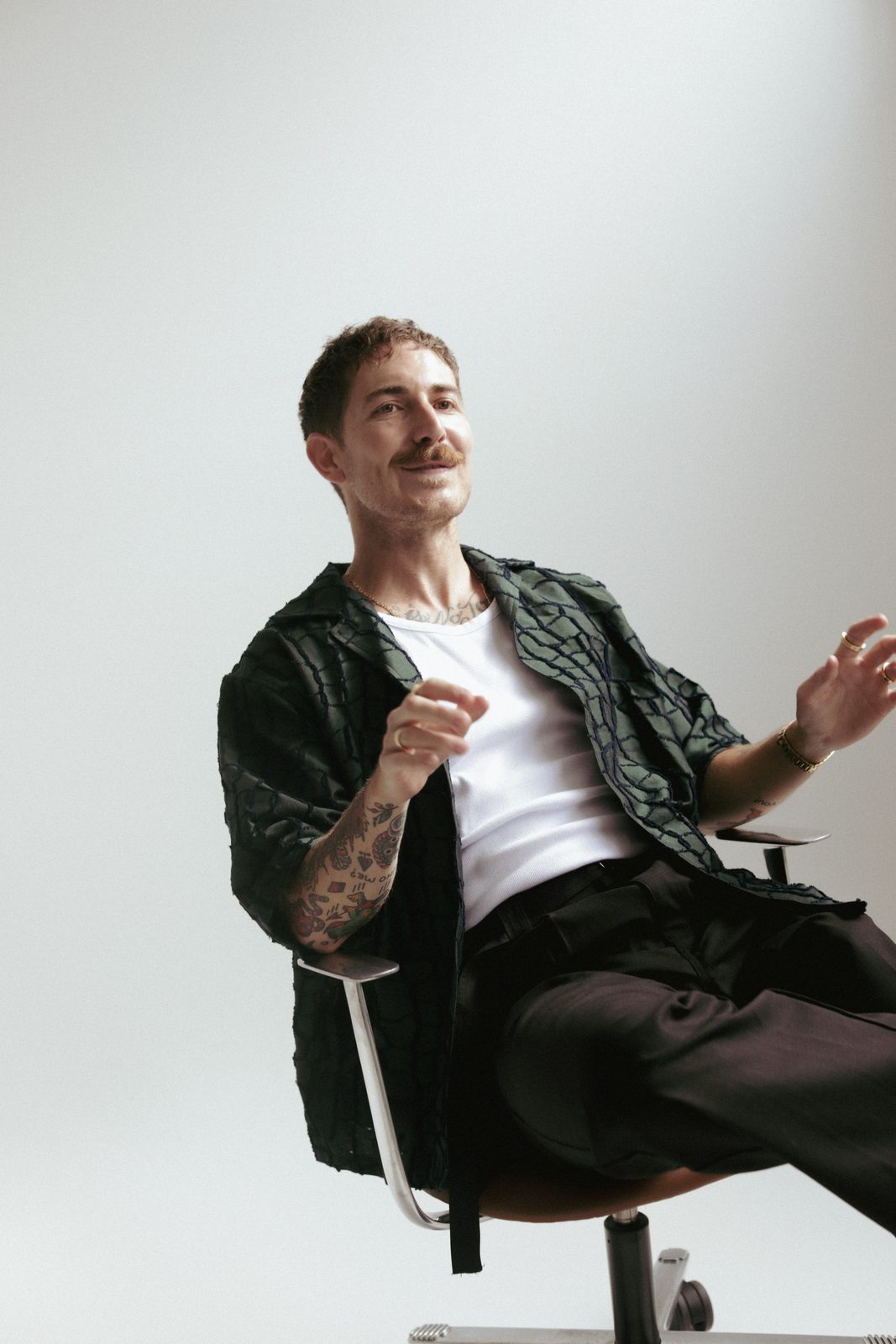
Mitch Jones, creative director and co-founder of Made For.
Just Fraud, Mostly
 Bespoke Careers (Chris Simmons)
You said in an interview that you go under the guise of creative director because it’s one of the only titles in architecture you don’t need a formal qualification in design for. Tell me about that.
 Mitch Jones
Just fraud, mostly. When we started the business, my background was in construction estimating and client management, and my wife Cara was the interior designer. But every time we met with someone, they were much more interested in talking to us about design. And I’ve been obsessed with everything from women’s fashion to shoe design to landscape design since I was very little, growing up in a family where my dad was a builder.
Creative director just felt like the only thing I could get away with, because I couldn’t say architectural director or interior designer. It stuck, and now it feels like a reasonable representation of what I do.
Bespoke Careers (Chris Simmons)You’re not a designer in the traditional sense, but you work with designers every day. What do you bring to the table?
Mitch JonesNot having the formal qualification has been an advantage. I look at things less like an architect interrogating the design, and more like the client does. Or I zoom out of our industry for inspiration and go a bit broader.
The reason we ended up in workplace design, which is about 95% of our work now, is that I love business and I love to understand how businesses work. I’m a really good conduit between a business that’s trying to achieve something and a team of really good architects and designers, finding a language they can both speak. That’s become my strength in the business.
“
I’m a really good conduit between a business that’s trying to achieve something and a team of really good designers, finding a language they can both speak.
Less Words, Less Design Speak
Mitch JonesThis industry does a really good job of getting paid more money for producing pages and pages of insights. We’ve been focused on the opposite. You should be able to translate a workplace strategy, or a design narrative, in five minutes or less.
A new employee can walk in on the opening day of the office, and I can tell them why things are the way they are without getting lost in design speak. Every single time I mark up a presentation here, it’s the same note. Less words, less design speak. Let’s get to the core of what we’re trying to tell people and not fuddle around the edges.
“
You should be able to translate a workplace strategy in five minutes or less.
Don’t Chase Perfection Early
Bespoke Careers (Chris Simmons)What are your designers brilliant at, but also what do they make unnecessarily difficult?
Mitch JonesThere are two of them sitting in the studio right now, and they’re almost too talented and too pedantic for their own good in the early stages. We made the mistake early on of feeling like we couldn’t present anything until it was absolutely perfect.
Now I’ll invite six or seven of the team into a room to look at a design that’s 60 or 70% of the way through, and we all give feedback. It comes from Creativity, Inc. by the guy who started Pixar. Whether you’re the most junior person or the most senior, everyone at the table is allowed to have an opinion, as long as it’s constructive.
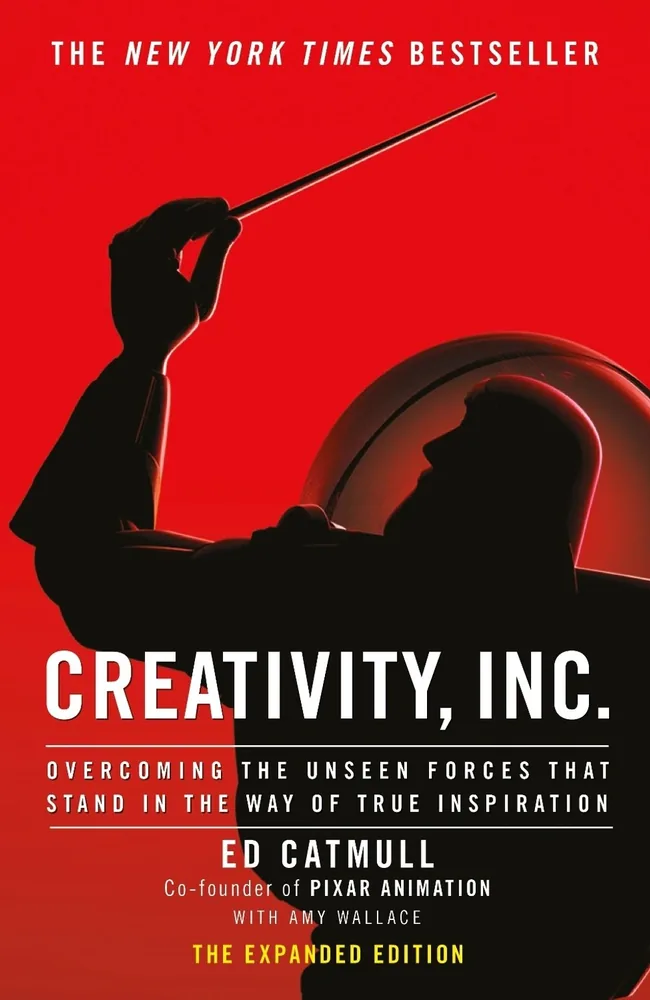
Creativity, Inc. by Ed Catmull, the studio’s feedback bible.
We can get too obsessed with perfection early. We should be looking for momentum and storytelling, and worry about perfection later, because not everything lands and that’s okay. The bigger you shoot your shot, sometimes the less likely it is to land. There’s a regression to the mean in office design. You could change the logo at the front door of a lot of offices and they’d feel like they could be anyone’s. That’s because it’s safer not to shoot your shot.
“
Don’t chase perfection early. Go for creativity and bigger ideas. Don’t get caught up in the fine details too soon.
Go Learn How to Sell
Bespoke Careers (Chris Simmons)Tell me about your route in, from the construction and family-business side.
Mitch JonesWhen I was young I ran a couple of ice cream shops, which sounds ridiculous, but at low stakes it taught me how to manage staff, employing 16 and 17 year olds for a few hours after school. Then my dad’s business was a design and construct fit-out business. His brother and business partner asked me to go and learn how to sell before I joined. He said if you can sell, you can find your way into doing anything. So I sold cars for a couple of years.
Then I got the call up, went into my dad’s office, and they said, right, off you go, let’s sell some offices. I’ve kept every pitch I’ve ever done. I’d recommend that to any professional who has to present for work, so you realise that even when you think you’ve had a bad pitch, you keep raising the bar on what you expect from yourself. We used to sell multi-million dollar jobs on presentations that, honestly, now look like toilet paper.
“
He said if you can sell, you can find your way into doing anything. So I sold cars for a couple of years.
Everybody Wants to Be Sold To
Mitch JonesBeing around construction means I understand the language of the industry. My dad used to make me go to site a lot, and the big thing he told me, which I’d say to any designer, is this. If you’ve done a set of drawings, walk up to the trades on site and ask if there’s anything you could have done differently, or anything that was tricky on the job. A sparky up a ladder, or a plasterer who’s had to make it work, will tell you exactly what they didn’t like about your drawings.
I teach our guys that to really make it in this business you can go two ways. You become technically excellent, or you get good at emotive selling, being able to translate all the hard work you put into a design and get people excited about it beyond a tile or a piece of stone. Everybody wants to be sold to. They just don’t want to feel like they’re being sold to.
“
Everybody wants to be sold to. They just don’t want to feel like they’re being sold to.
A Long Time Before They’ll Have Taste
Bespoke Careers (Chris Simmons)Where do you land on AI?
Mitch JonesI don’t think they’re going to take over, and it’ll be a long time before they have taste. It is getting easier to render, you can draw quicker, there are more effective ways to do everything else. So the soft skills are only going to get more and more important.
I’m in workplace design, and the more we rely on computers to do things for us, the more we actually want connection from people. You’ve got to be able to sell to your externals, but also just to soft-skill inside your own organisation. As more of the load comes off, working closely with everyone to get the best out of your relationships is going to hit an all-time high.
We Just Worked Really Hard
Bespoke Careers (Chris Simmons)Tell me about founding Made For, and how the studio has changed.
Mitch JonesWe just fell into it. I’m a real self-improvement business book nerd, and listening to 15 or 20 minutes a day has insane compounding interest on your ability to slowly improve. Every morning I hear something I think we could use at work. But you don’t need huge ambitions to start a business. At the very start you’ve got to know who you are, the clients you want to work with, your negotiables and non-negotiables. Then dig in and work hard.
I wish I could say we had a grand plan in the early days, but we were just true to what we wanted out of the business and worked really hard. It’s only in the last four or five years that I’ve massively changed the ambitions of the studio. We spent a few years as a mid-sized studio doing a bit of every kind of work. If the phone rang and they had money, we’d do it.
“
From the youngest person in the studio through to our directors, the vision is the compass for the way we make decisions every day.
The Studio
Made For at a Glance
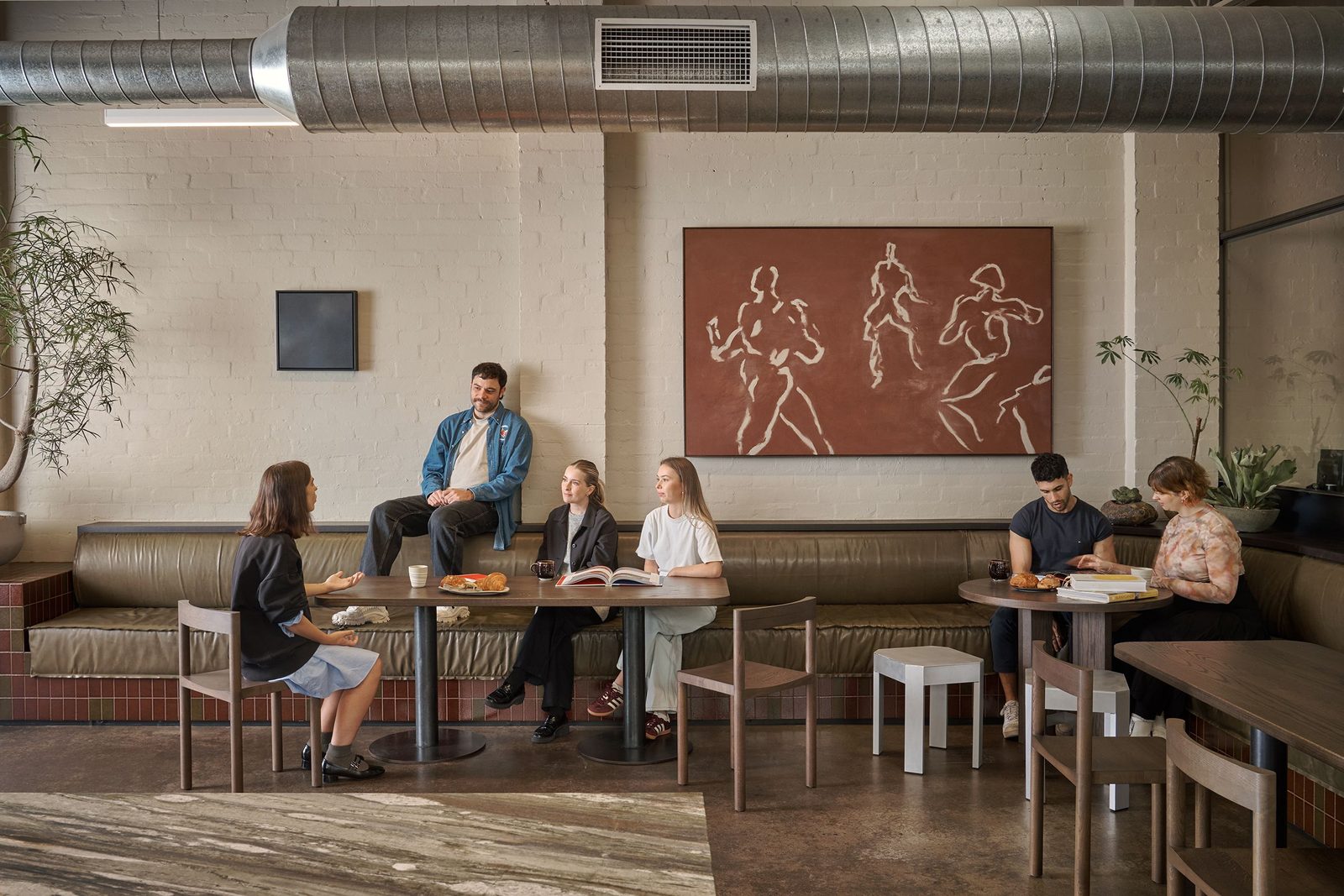
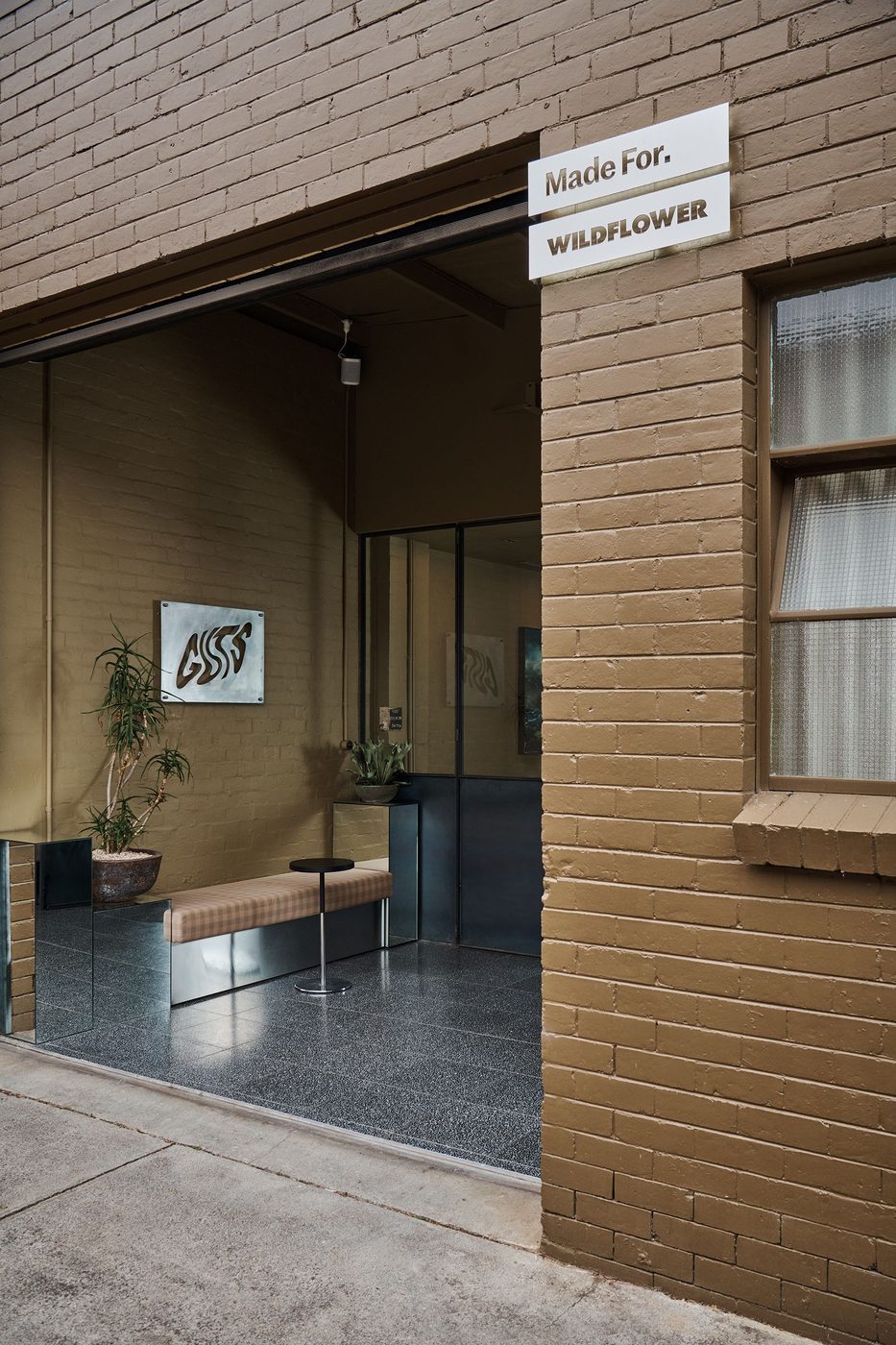
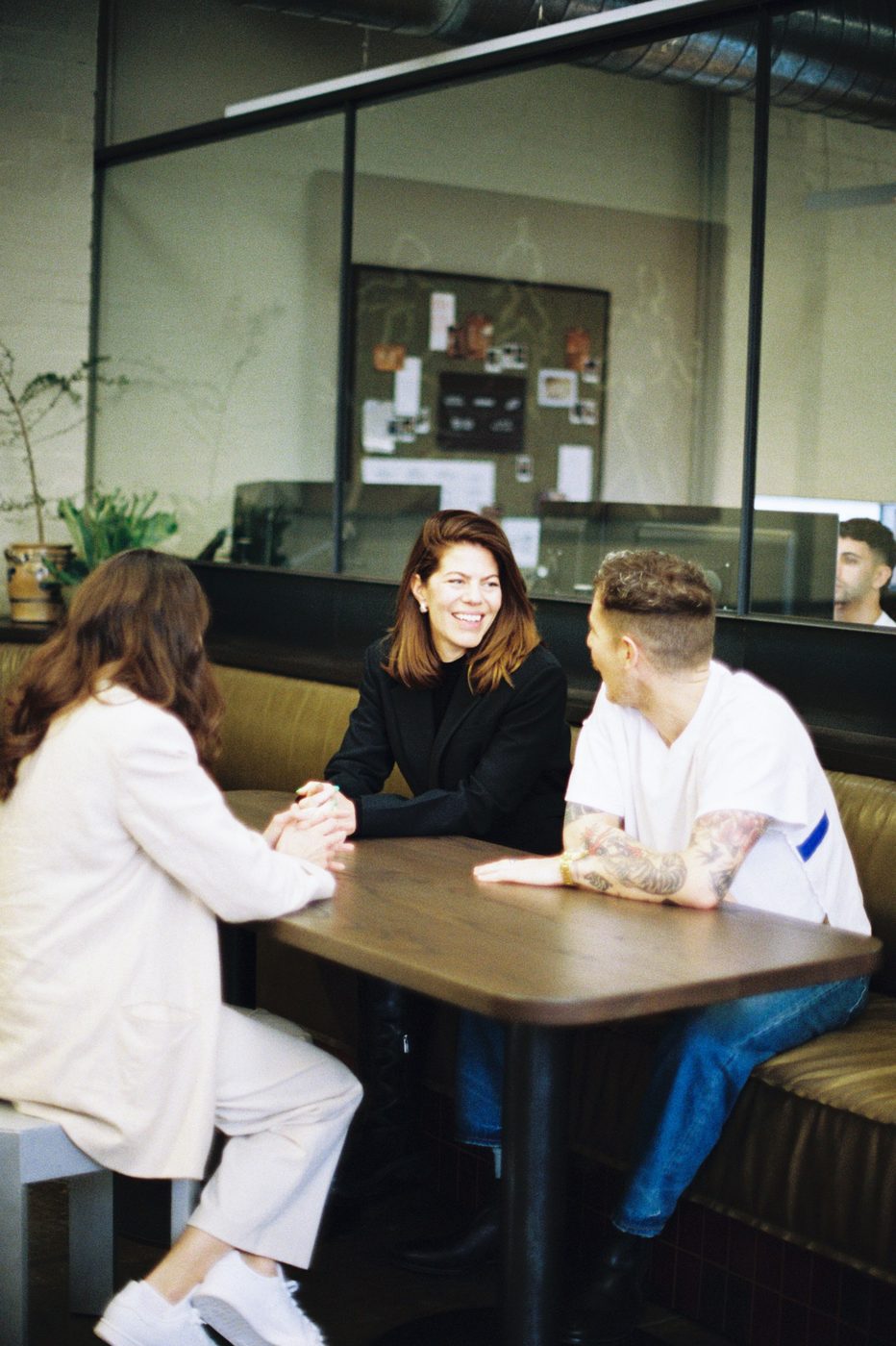
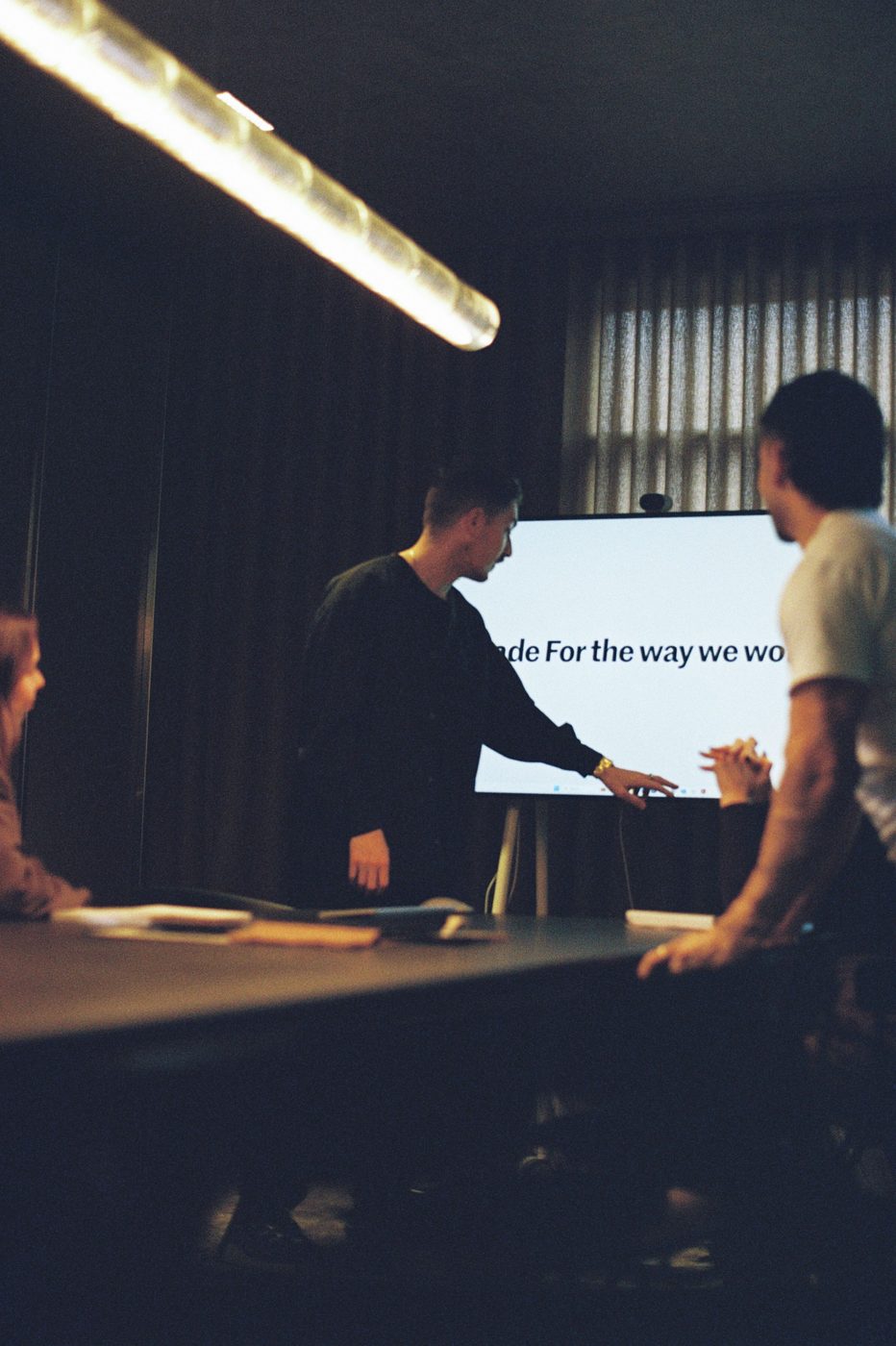
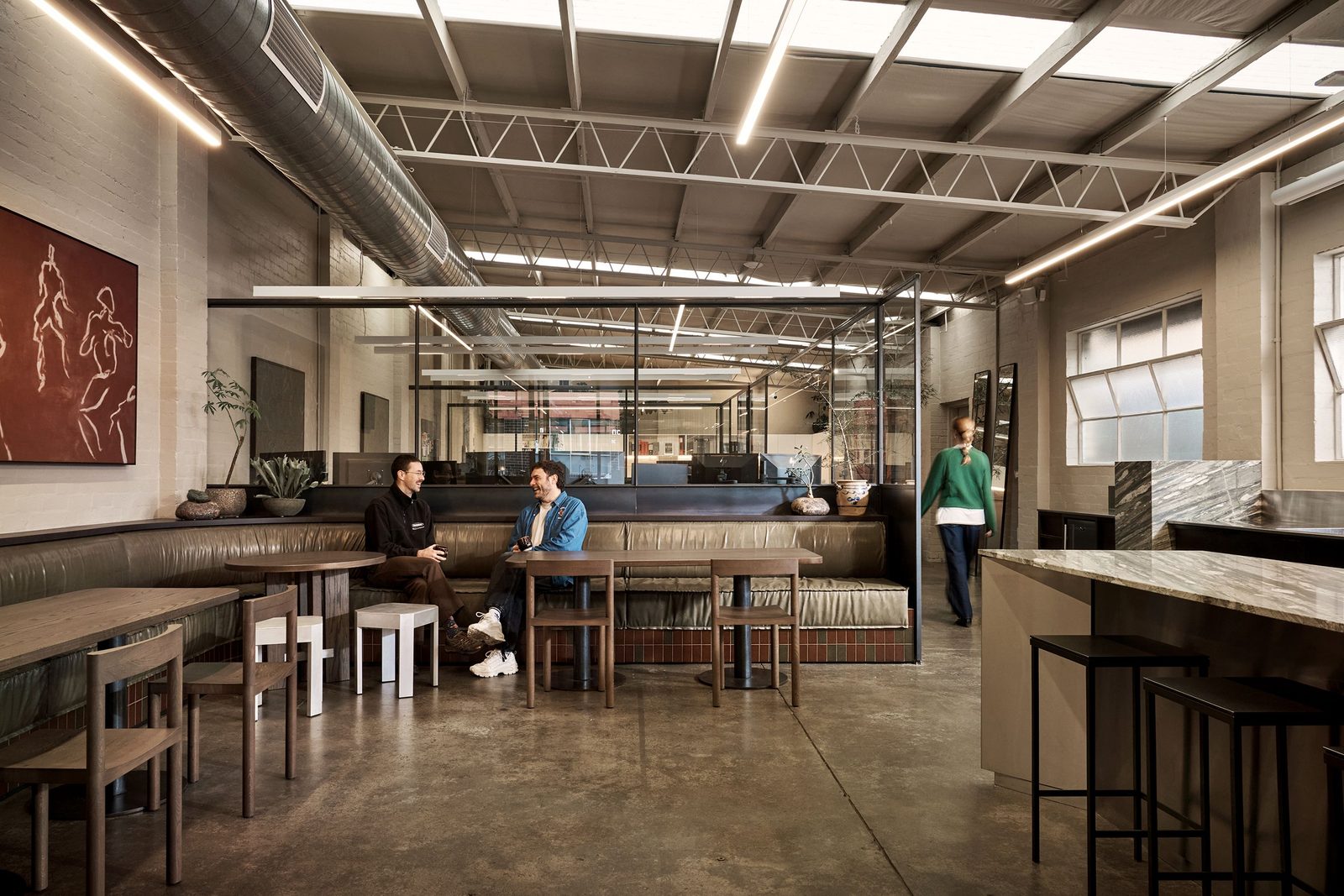
A workplace design studio of around 20 people, working on offices for businesses with fewer than 1,500 employees. About 95% of the work is now workplace. The studio runs from a single-floor warehouse the team has fitted out to feel more like a calm cafe than an office, with the meeting rooms up front and more than half the floor given to a shared lounge.
The mission is stated plainly: to become Australia’s most enduring and revered workplace design studio. Six staff are on a profit share, and three are buying equity in the business.
“We’re most of our designs for businesses with less than 1,500 employees, businesses trying to do something a bit more exciting and out of the box with their workplace.” Mitch Jones
The Warehouse, and Wildflower
Bespoke Careers (Chris Simmons)Wildflower has grown out of Made For into its own business. Tell me about that squiggly path.
Mitch JonesWhen Cara and I first leased this space, it was just the two of us, and we walked into an absolutely rundown hole of a warehouse. We signed the lease and realised it was way too big for two people. So we thought, how else do we monetise this. We tried co-working for freelance designers. That didn’t take. Then a maker studio, designing some furniture. This table we’re sitting on is one of the very first things we designed.
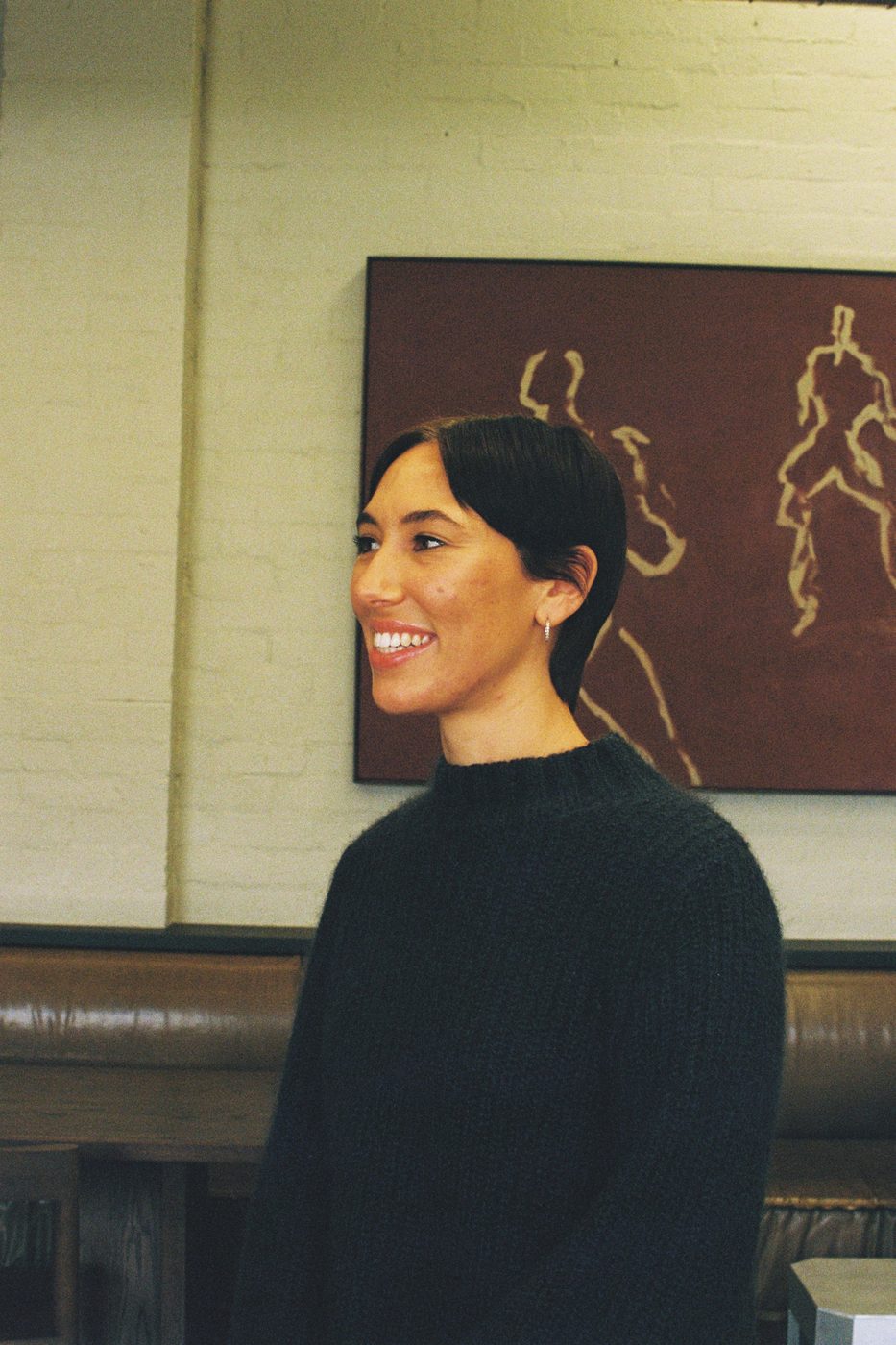
Cara, who now runs Wildflower.
As architects and interior designers, there’s so much to worry about on insane schedules that by the time you get to furniture it’s easy to think, well, that supplier’s trustworthy, and you get worn out. Cara was never like that. Her work started getting recognised by other firms, and for a while she was producing furniture schedules as Made For for other architects. That got confusing for clients and the industry. So she partnered with Robin, the creative studio director at Jardan, and Wildflower became its own thing.
Cara and I had worked together, then started this business together, so spending every waking hour within a few metres of each other was going to wear off. We’d lived double and a half the time most couples do together, under the stress of running a small business. Her office is only 200 metres down the road, but it’s nice to see her take charge of a business that’s really making waves. I was always the business guy and she was the designer, and she’s super bold and brave.
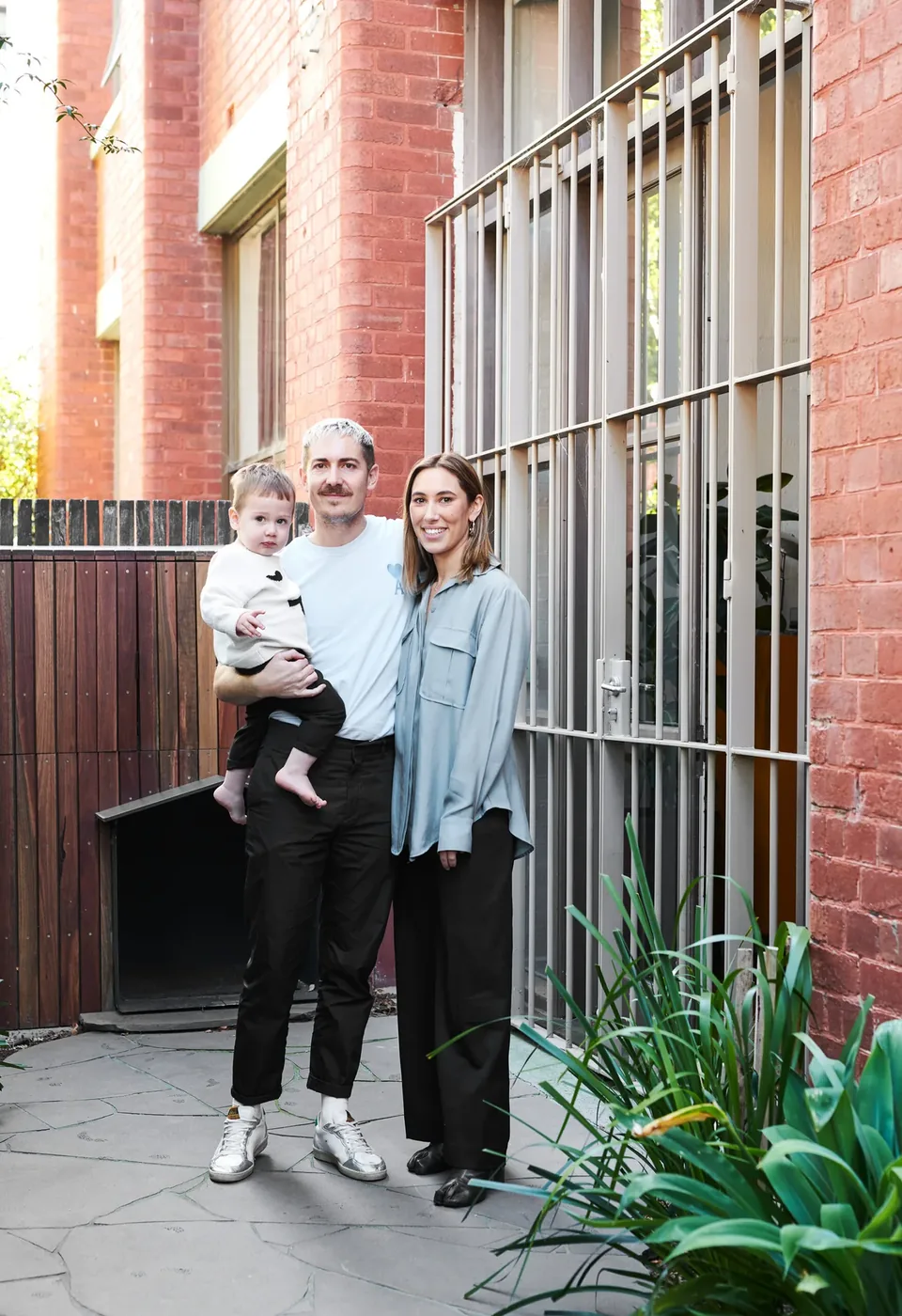
Mitch and family.
Furniture gets value-engineered a lot, but it’s insanely tangible. My mum can walk into a beautiful architectural home and say, look at that couch, look at that lamp. In workplace, we often don’t hero how much impact great furnishings make. So we embedded it in the process, carving off a good portion of the budget for furniture and bringing it to the front, sometimes designing rooms around furniture instead of treating it as an afterthought.
The Five Minute Strategy
Bespoke Careers (Chris Simmons)Take me through the strategy system behind the work.
Mitch JonesThere’s a stalwart of the Australian workplace design industry, Tanya, who’s designed workplaces here for 35 years and is now a mentor on staff. We sat next to each other at a dinner. One of my competitors’ name tags was right next to me, and Tanya saw me clock it. She just moved the name tags, sat next to me, and asked, what makes you guys different? I kept trying to explain it and didn’t get anywhere.
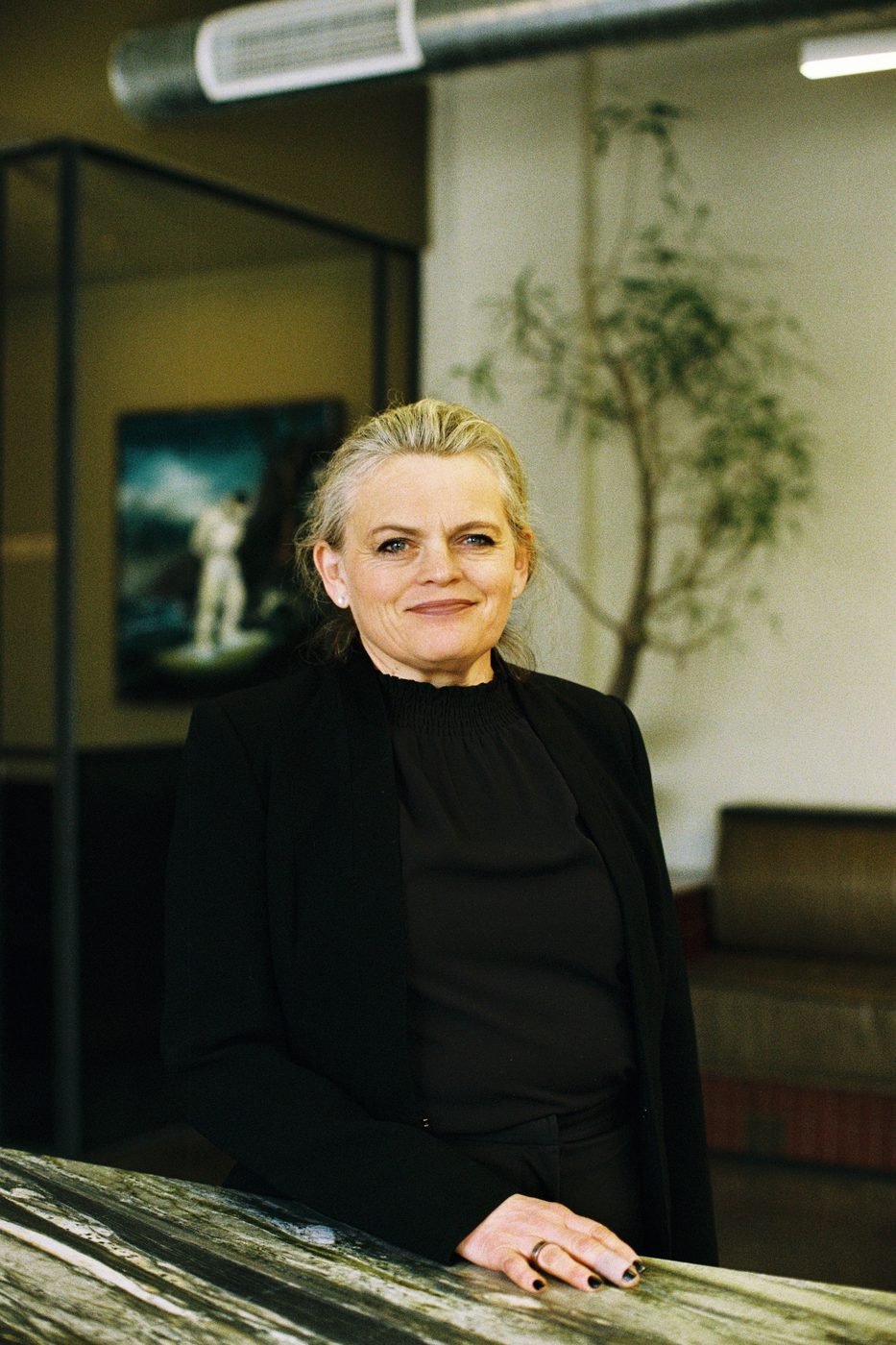
Tanya, who comes in to mentor the team.
She said, I’ll come in one day a week for the next six months, and we’ll get to the crux of what genuinely makes you different. Because if you compete on word count or folio, it’ll take you a long time to catch the big firms. We put butchers paper all over the wall of a dark room across the road and got to the crux of what workplace strategy is really about. Community and connection, so people trust each other and know what to expect, in spaces that enhance that.
The first exercise we run with a new business is getting everyone, CEO to a cross-section of staff, to write a breakup letter to their office. Then a lunchbox exercise. The drink bottle is the most refreshing thing about working here. The sandwich is the big thing that drew you to the business. We gamified the whole process.
“
People are at their most creative and open when they’re having fun. It’s why you have great ideas sitting around with your friends laughing. Your mind’s just open.
I once had 10 people from a big motor company who did not want to sit in the workshop. Old-school guys from the parts division. I walked in with my laptop, ready to do my silly exercises, and they were like, absolutely not, I’m not here for this. Half an hour in, the room loosened up, and we ran hours over because they had so much to say about the business and what needed to change.
The Fitness Office
Bespoke Careers (Chris Simmons)Give me one example where the strategy led somewhere unexpected.
Mitch JonesA premium accounting firm, about 100 staff, where every single person loved working there. What kept coming up was that they connected over fitness. People would tell me, I joined here and everyone runs, there’s a cycle club, I’ve gotten fitter, I’m healthier, I’m better with my family. That was the beating heart of the business.
They were taking more space, initially for growth, and at executive level they assumed everyone needed to come to a traditional desk every day. We presented a traditional plan, and a plan where almost 17% of the floor plate is dedicated to a gym, a space for Pilates classes, extra showers and a sauna. They bit into it. This is absolutely what we want to do.
“
If we can provide this incredible amenity for our staff, we’ll have an X factor our competitors won’t have.
A Mirror, Not a Maker
Mitch JonesWe’re not there to change businesses a lot. We’re there to be a mirror. They pretty much work it out themselves most of the time. Or they know about a little problem and need us to make it clearer. Tech is classic. There’s the sales guys who promise the world, and the project managers who deliver it, and that division shows up on the floor plan. They know it’s a problem, but they need someone external as a circuit breaker.
What we push on every client now is neurodivergence, low and high energy zones. As someone highly distracted, sometimes being in the pod with everybody in the action is great, I need about 70% focus and it’s fun to listen in. Other times I have to go to an absolutely iced-out zone where nobody’s talking. So our signature is cognitive load mapping and energy mapping, instead of the old neighbourhood model where it doesn’t matter where you sit. You need to find a space that suits that hour of your day.
“
We’re often a mirror, or a circuit breaker, for the strengths and weaknesses of the workplace culture.
Designing for Longevity
Bespoke Careers (Chris Simmons)We’re a few years post-Covid now. What changed for your clients?
Mitch JonesPost-Covid, everyone was trying to do things they’d read about that might not have been right for them. There were white papers telling you that you had to do this now. A bit of same-think. Where we’re at now is better. Every business has the freedom to explore what’s actually best for them rather than templating it.
People have upped the quality of fit-out, partly because they’ve taken less space, so there’s more money to spend. With that, designing for longevity has become a bit more hip, which is weird to say. We used to have people say, we’re only here for five years, it doesn’t matter. Now there’s more of a mentality of let’s get this right and be here for 10 or 12 years.
More than half the studio floor is given to a shared lounge.
“
You never want to just vibe out of an office after four or five years.
Reuse Is Number One
Bespoke Careers (Chris Simmons)Where’s the market on sustainability and reuse?
Mitch JonesGenerally it’s, let’s be as sustainable as we can if it doesn’t cost more. But reuse is the thing clients have become most open to. We handed over a six-level office for an airline on Friday, and we reused over 60% of the built form. If we took a door off one room and could make it fit in a new room, we found it a home.
Caitlin led that project and nailed it. She’s looking at every piece of furniture, saying, this was upstairs in a lounge for the last tenant, where does that chair fit downstairs, do we reupholster it. Going through that with every piece is super tiring, but reuse is still absolutely number one. The airline’s whole story is about being more sustainable, so being able to tell their staff that mattered. Sometimes you’ve got to make the story sexy.
“
For every single thing you can do that’s incredible for sustainability, reuse is still absolutely number one.
A Studio People Mistake for a Cafe
Bespoke Careers (Chris Simmons)When it came to designing your own studio, what brief did you set?
Mitch JonesWe like that people accidentally walk into our office and ask if it’s a cafe. We tried to make it not look like an office. The meeting rooms are right up the front, and more than half the space is a lounge. We hold a lot of events here, including ones we call Extra Credit where we bring people from the design community in to run masterclasses. We’ve had 70 people in here for those.
Because we all sit in such close proximity, we go laterally for design support constantly. If anyone’s got a problem, it quickly becomes something everyone jumps in on. I’m proud that I had so little to do with the finishes. We have a super strong team, and they briefed me. The one thing I asked for was that it feel super calm, because this industry is full-on. The only bright things in here are the artwork.
Owning Less Than Half
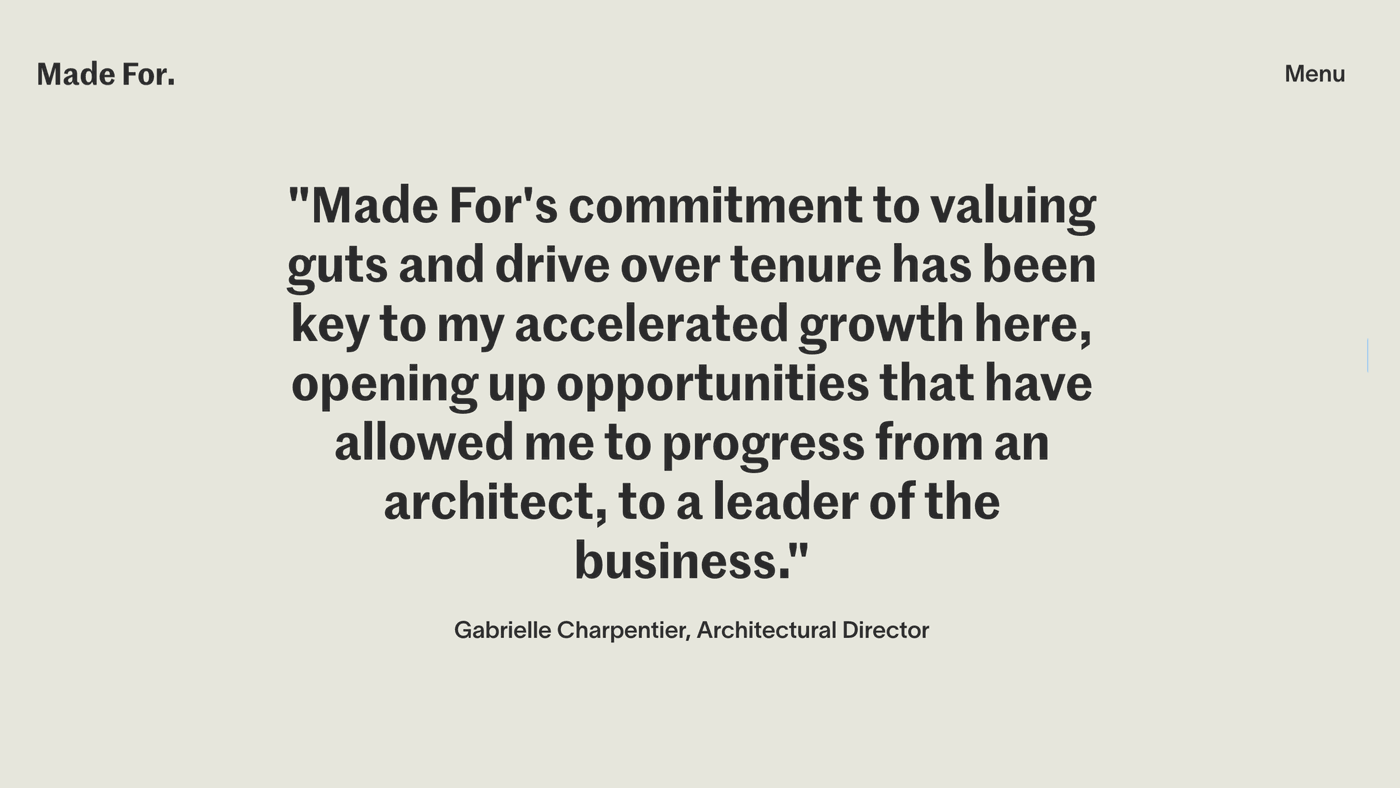
Bespoke Careers (Chris Simmons)One of your team says valuing guts and drive over tenure was key to their growth. Where does that come from?
Mitch JonesIf you’re a young founder, you realise you can do a lot at a young age as long as someone believes in you and you have support. We have people with two or three years’ experience designing really big projects, with support all around them. After someone’s been here a week, we have a coffee and talk about what they want from the next stage of their career. If you’re hungry for more responsibility, we’ll never hold you back because of tenure.
I was meeting a long-term director of a larger studio, and we talked about this. I want to run a firm where 15 years from now I own less than 50% of it. I want to share the equity and profits. We already have six staff on a profit share and three buying equity. That’s an interesting thing to do when you’re only in your 30s, but these guys are helping build it, so they should be part of the success and the ownership.

The Made For team.
“
Workplace is made for the best days of our lives. If you find meaning at work, it’ll help you go a long way with being happy in life.
Write Your Own Rules
Bespoke Careers (Chris Simmons)What’s the most important lesson you’ve learned about people and work?
Mitch JonesWrite some rules for your own life. I ask all my directors to do it. Sit down and define what kind of person you’re going to be, how you’ll show up, whether you’ll always take the high road. That compass has been the best thing for running a business. You have to make a lot of hard decisions, and being able to go back to the fundamentals of what you believe in, and trust your gut that you’ve got them right, helps with everything. Family, friends, business. And feel free to change them as your life evolves.
Quickfire

Do you need a design degree to run a design business?
Mitch JonesYou don’t. I’ve got no degree at all. But if you don’t have one yourself, surround yourself with people who do.
One business buzzword that needs to die?
Mitch JonesCircle back. Just deal with it now.
How do you find your design style?
Mitch JonesGet out of the house and appreciate everything you see as a source of inspiration. Don’t just focus on other designers’ work or interiors.
Hybrid working, yes or no?
Mitch JonesBy necessity, not by rule. If life throws curveballs you want flexibility. But when you want the best out of yourself and your team, being together is always better.
Ping pong table in the office, yes or no?
Mitch JonesOnly if it’s nowhere near anybody’s desk. For some businesses the beating heart is the ping pong table. You’ve got to do what you love.
Hire your mate, yes or no?
Mitch JonesI’m about zero from five on that working out. If they’re your professional mate and that’s how you met, absolutely. If you’re mates first and you’re trying to make business work, just don’t do it.
One book every designer should read?
Mitch JonesCreativity, Inc. Written by the guy who founded Pixar, probably the greatest creative business of all time. You must read it.
Biggest waste of money on the business?
Mitch JonesHiring my friends. It’s very hard to fire your friends after you hire them, so you hang on to them longer than you should.
Best money you’ve ever spent on the business?
Mitch JonesRecruiters. Our director in Sydney came from one. She wasn’t looking for us, and she’s changed our business. Pay good people to do good work.
Have you ever wanted to give up?
Mitch JonesNever. This is my baby. The hard work has always been worth it. Sometimes when you get to the hardest bit, the best bit is just right beyond it.
Search for architecture and design jobs here
Latest architecture and design jobs around the world

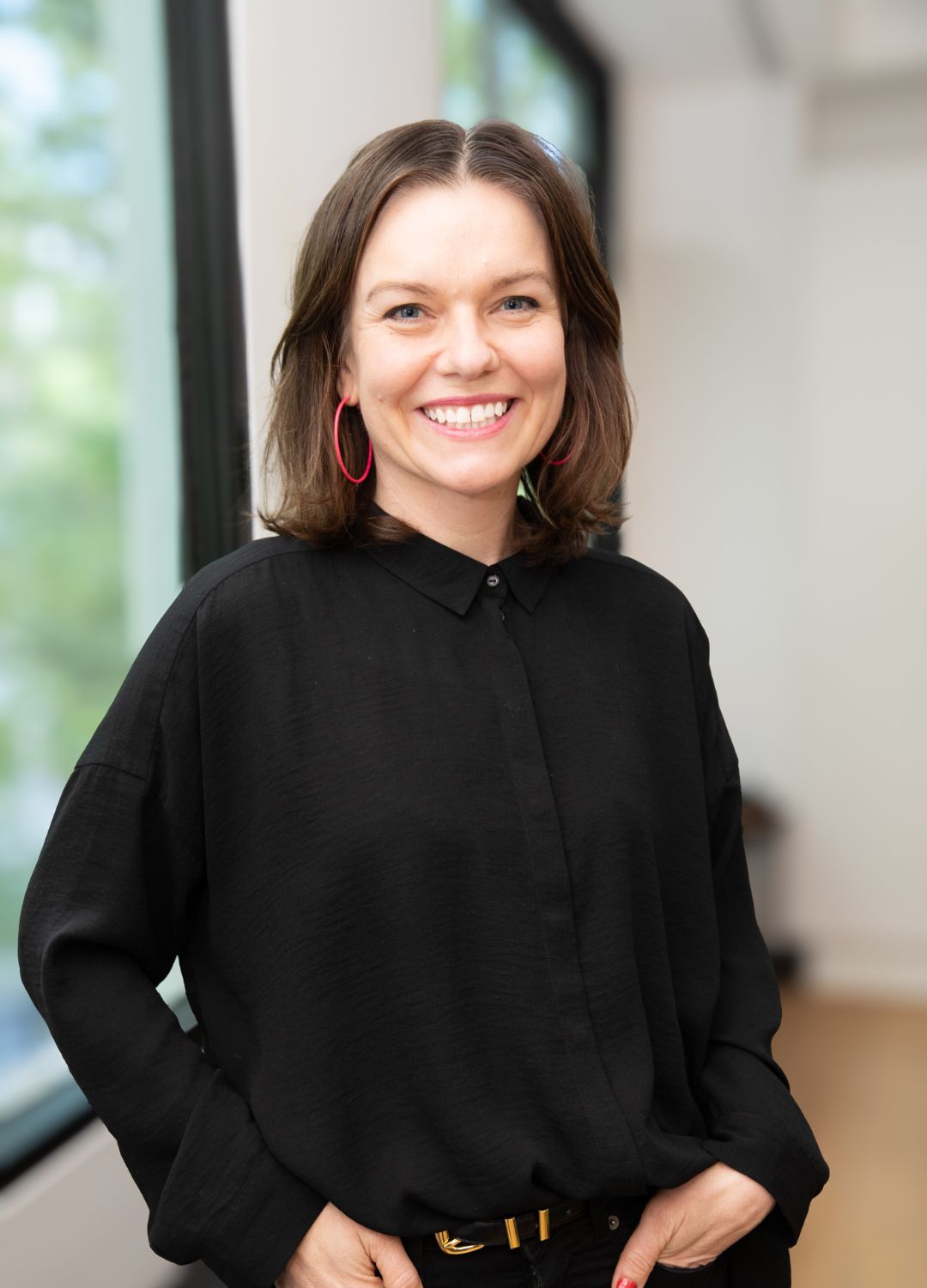
Looking to hire top talent
 or advance your career? Let's talk.

We connect exceptional firms with talented professionals.
Let’s discuss how we can help you achieve your goals. Get in touch with the team today.
Related Posts

We asked a panel of global design leaders. Here’s what they had to say.
With a new year comes a fresh calendar of exciting architecture and design events in the UK, and we can’t wait to attend as many of them as we can!
As we enter a New Year, the collective sentiment is to look forward, make plans and think about the future, me included. But as we do, it is hard to not reflect on the past year.