12 March 2026
Melbourne Architecture and Design Market Update 2026
Here is what our industry experts have been seeing in Melbourne
Previously cautious following the pandemic, Melbourne is now benefiting from increasing growth in residential and mixed-use developments and interiors, including hospitality, retail, healthcare, aged care and workplace design. Skills shortages persist with experienced job seekers in high demand, but limited project budgets may mean high salary expectations fall short.
Sector buoyancy
- Specific sectors showing resilience and growth include social housing, build-to-rent and higher end multi-residential.
- Adaptive re-use, urban renewal projects, and sustainable design mandates are also positively influencing project mobilisation.
- High-end residential and mixed-use developments are rebounding, following cautious post-pandemic investment cycles.
- Interior design demand has expanded beyond hospitality and retail into healthcare, aged care and workplace wellbeing-focused spaces.
In demand roles and skills
- Architectural Documenter, Project Architects, and BIM Coordinators are in high demand, particularly those with Revit fluency and large-scale project experience.
- Interior Designers with experience in workplace, healthcare and hospitality are increasingly sought-after with a strong FF&E sensibility.
- Demand for talent in Business Support roles is increasing, particularly in communications, marketing and new business.
- Cross-disciplinary skills – such as urban planning, heritage restoration, or digital design – are increasingly attractive to employers.
Challenges
- Skills shortages persist, particularly mid- to senior-level talent with local experience and hands on Revit or ArchiCAD skills.
- Salary expectations are rising faster than project budgets, creating tension in hiring negotiations.
- Studios are navigating a delicate balance between flexibility and in-person collaboration, especially for junior staff needing mentorship.
Job seeker priorities
- Work-life balance and flexible hybrid models (including WFH) remain consistent priorities across all role types.
- Many job seekers are prioritising studios with a clear design ethos, purpose-driven projects, and visible career progression opportunities.
- Professional development and mentorship are particularly important to early-career job seekers looking for more than just project exposure.
- Interior Designers and creative support staff are increasingly drawn to collaborative studio cultures, good leadership, and work environments that value creativity and wellbeing.
- Stability and job security remain front of mind, especially in response to market uncertainty and delayed project rollouts.
Search for architecture and design jobs here
-
Architecture
-
All Architecture
Select sub classifications-
Senior Architectural Technician
-
Intermediate Architect
-
Junior Architect
-
Senior Design Manager
-
Associate Director
-
Architectural Technician
-
Design Manager
-
Associate
-
Director
-
Graduate jobs
-
Senior Architect
-
-
Landscape & Urban Design
-
All Landscape & Urban Design
Select sub classifications-
Senior Landscape Technician
-
Landscape Technician
-
Senior Landscape Architect
-
Intermediate Landscape Architect
-
Junior Landscape Architect
-
Strategic Planner
-
Senior Strategic Planner
-
Associate Director
-
Principal
-
Associate Landscape Architect
-
Associate Planner
-
Senior Statutory Planner
-
Statutory Planner
-
Senior Urban Planner
-
Urban Planner
-
Senior Associate Landscape Architect
-
Graduate jobs
-
-
Strategic Appointments
-
All Strategic Appointments
Select sub classifications-
CFO
-
Sector Lead
-
Associate Principal
-
COO
-
Design Director
-
Head of Business Development
-
Technical Lead
-
Associate Director
-
Design Lead
-
Principal
-
Director
-
Partner
-
Managing Director
-
Graduate jobs
-
-
Interior Design
-
All Interior Design
Select sub classifications-
Director
-
Junior FF&E Designer
-
Senior Interior Architect
-
Interior Architect
-
Junior Interior Architect
-
Senior Interior Designer
-
Intermediate Interior Designer
-
Junior Interior Designer
-
Associate Director
-
Associate
-
Intermediate FF&E Designer
-
Senior FF&E Designer
-
Graduate jobs
-
-
Architectural & Interior Products
-
All Architectural & Interior Products
Select sub classifications-
Junior Account Manager
-
Specification Manager
-
Procurement Coordinator
-
Showroom Manager
-
Showroom Assistant
-
Sales Representative
-
Procurement Manager
-
Sales Support
-
Marketing
-
Sales Manager
-
Business Development Manager
-
Account Manager
-
Production Manager
-
Project Manager
-
Graduate jobs
-
-
Business Support
-
All Business Support
Select sub classifications-
Studio/Practice Management
-
Project Manager/Coordinator
-
Graphic Design
-
Bid Specialists
-
Document Control/Project Admin
-
Marketing & Communications
-
PA/EA
-
Reception/Front of House
-
Facilities
-
IT
-
Administration
-
Operations
-
Finance
-
HR
-
Business Development
-
Graduate jobs
-
-
Jobs at Bespoke
-
All Jobs at Bespoke
Select sub classifications-
Graduate jobs
-
Recruiter
-
Team Coordinator
-
Other
-
Latest architecture and design jobs around the world
VIC
$70,000 - $80,000
Permanent
Great opportunity for a stylist/FF&E designer to grow within a supportive team. Work on exciting hospitality projects
Learn MoreVIC
$85,000 - $95,000
Permanent
Exciting opportunity for a senior FF&E designer to work across a range of sectors!
Learn MoreVIC
$115,000 - $120,000
Permanent
An established, award-winning, national design practice is currently seeking a Senior Project Leader with multi-residential project delivery experienc ...
Learn MoreNSW
$50 - $60
Contract
Revit Documenter - Industrial/Data Centres - Contract role, immediate start!
Learn MoreNSW
$85,000 - $110,000
Permanent
Site Supervisor | Window Furnishings | Commercial & Architectural Projects
Learn MoreVIC
$70,000 - $75,000
Permanent
Step on up in growing your graduate role in a mid-size multidisciplinary studio
Learn MoreNSW
$125,000 - $145,000
Permanent
Associate level role for an architect with a passion for low rise medium-density housing projects.
Learn MoreNSW
$123,000 - $130,000
Permanent
Thriving D&C studio looking for an architect with developed skills in Private Residential projects
Learn MoreNorth Carolina
$60,000 - $100,000
Permanent
Help shape great places, lead projects, and work with a team that enjoys what they do
Learn MoreLondon
$20 - $40
Contract
Interior architect needed to work on corporate interior projects here in London
Learn MoreLondon
$19 - $24
Contract
Document Controller, Immediate Start, 3–6 Month FTC, Leading Global Architecture Practice, London, Aconex & Asite Experience Required
Learn MoreLondon
$40,000 - $50,000
Permanent
Are you an experienced BIM Coordinator looking for your next challenge? This award winning studio, in Manchester are on the lookout for a talented ind ...
Learn MoreNorth West England
$50,000 - $55,000
Permanent
Fantastic opportunity to join one of the UK's leading architecture studios as part of their healthcare team.
Learn MoreNorth West England
$35,000 - $50,000
Permanent
Fantastic opportunity to join a thriving architecture practice in South Manchester.
Learn MoreNorth West England
$37,000 - $50,000
Permanent
Architect/Senior Architect with a varied typology mix for a renowned leading UK practice
Learn MoreVIC
$60 - $64
Contract
Bid Coordinator role within a leading architectural practice, managing end-to-end proposals, coordinating stakeholders, and producing compelling, high ...
Learn MoreNSW
$90,000 - $120,000
Permanent
Design-focused architecture practice focused on high-quality houses and apartments looking for experienced graduates and Project Leaders to support th ...
Learn MoreVIC
$110,000 - $130,000
Permanent
Lead from the front with an exciting opportunity to develop market share for an emerging luxury surface supplier
Learn MoreCalifornia
$150,000 - $180,000
Permanent
Director, Architecture & Design | Los Angeles
Learn MoreNew York
$42,000 - $48,000
Permanent
A highly regarded architecture and design studio in New York City, is seeking a polished, personable, and highly organized Receptionist to serve as th ...
Learn More
Looking to hire top talent
 or advance your career? Let's talk.
We connect exceptional firms with talented professionals.
Let’s discuss how we can help you achieve your goals. Get in touch with the team today.
Related searches
Browse by category
Related Posts

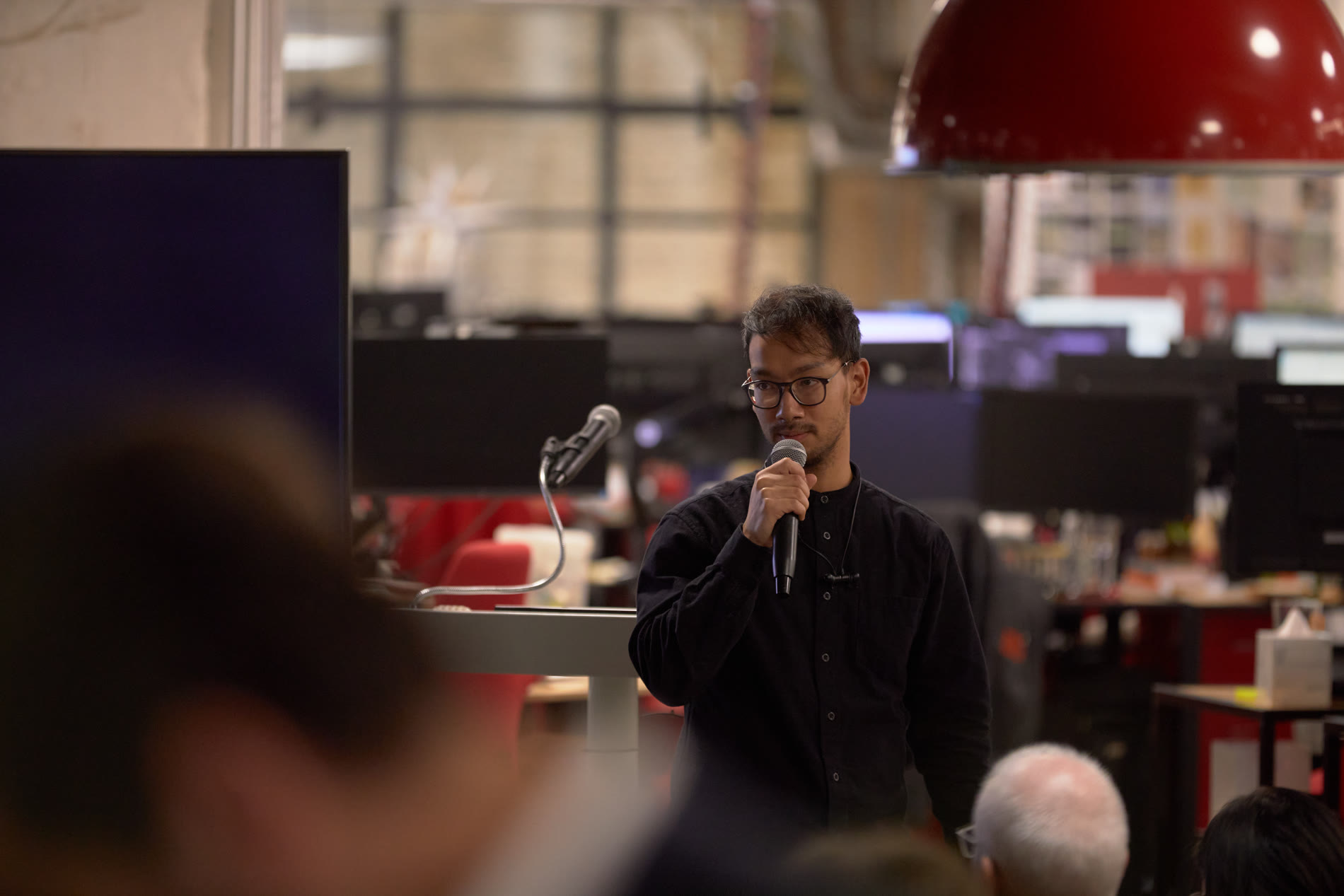
Roshan Dsouza investigates how anyone gets into built environment comms, and shares four tips for finding your way in.