


What it’s Really Like to be an Architecture CEO – Sabrina Klor
Sabrina Klor, CEO of 10 Design, on running 400 architects, nine studios, and the business side of architecture.
What does it actually take to run 400 architects across nine studios? Sabrina sits down with us to talk about the business of architecture – the side most architects would rather not think about.
Sabrina Klor is the CEO of 10 Design, a global architecture and masterplanning practice employing 400+ architects and designers across studios in London, Hong Kong, San Francisco, Miami, Dubai, Edinburgh, Shenzhen and Singapore.
10 Design is part of 10N, a 1,500-strong collective of six architecture and urbanism practices under Egis Group.
Sabrina is also Chair of Women in Architecture (WIA) UK, advocating for systemic change in the built environment for women and other underrepresented voices in the profession.
Four Hundred Architects, Nine Studios, One Problem Divided
 Bespoke Careers (Chris Simmons)
You’re leading a practice of more than 400 architects across nine studios, multiple countries. Tell me about the weight of that responsibility.
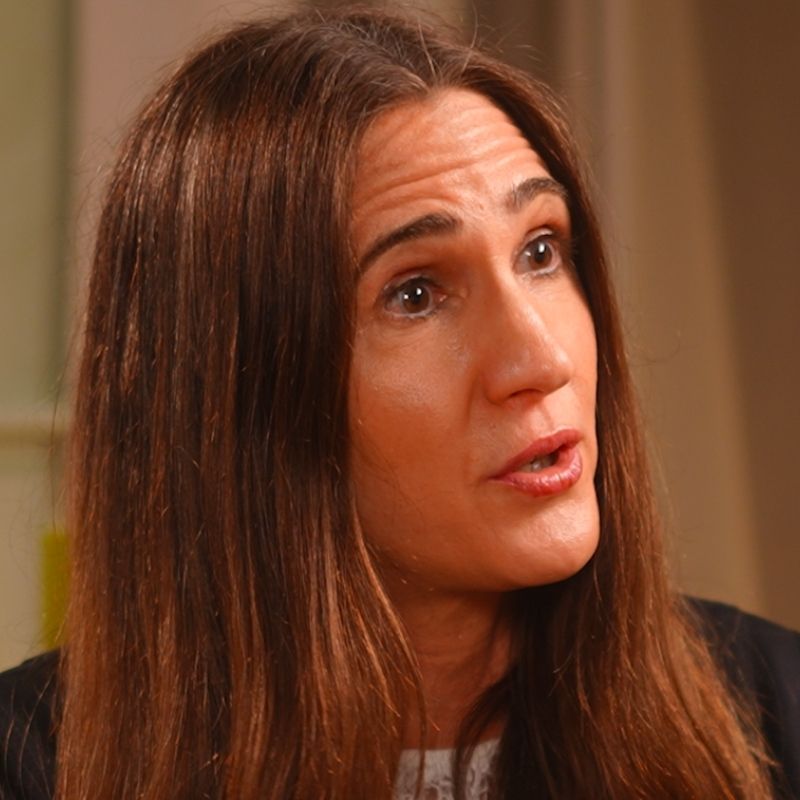 Sabrina Klor
You can’t avoid the weight. But I don’t feel it the way it sounds. It’s probably the same way I tackle any big problem. I divide it into smaller problems.
It’s not that leading a business this size is a problem. The way I think of it is a collection of nine studios. A collection of parts that work together really well to form a successful whole. Each studio has its own leadership, its own client base, its own culture. It’s all about making sure those units are self-sustained. So that when you put the parts together we have a much stronger business.
I’m a huge team player. I don’t see myself leading alone. I always go with the team. I actually really enjoy the complexity. The different cultures. The opportunities that come with being widely spread. It makes us much more resilient. We can pivot from markets that aren’t performing. We can put the right skills on the right projects. It makes us a better business. But it starts from making sure each of the parts are running properly.
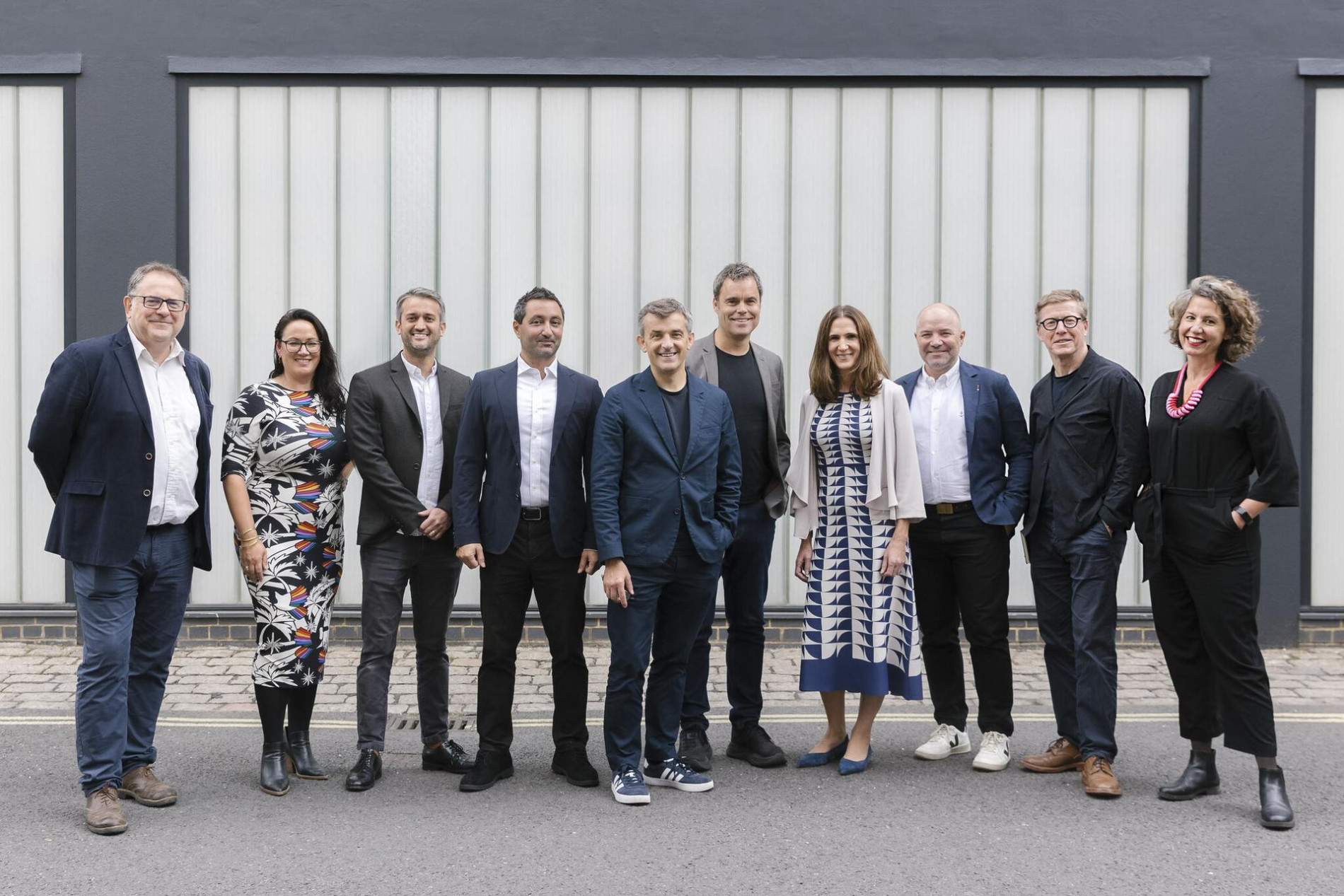
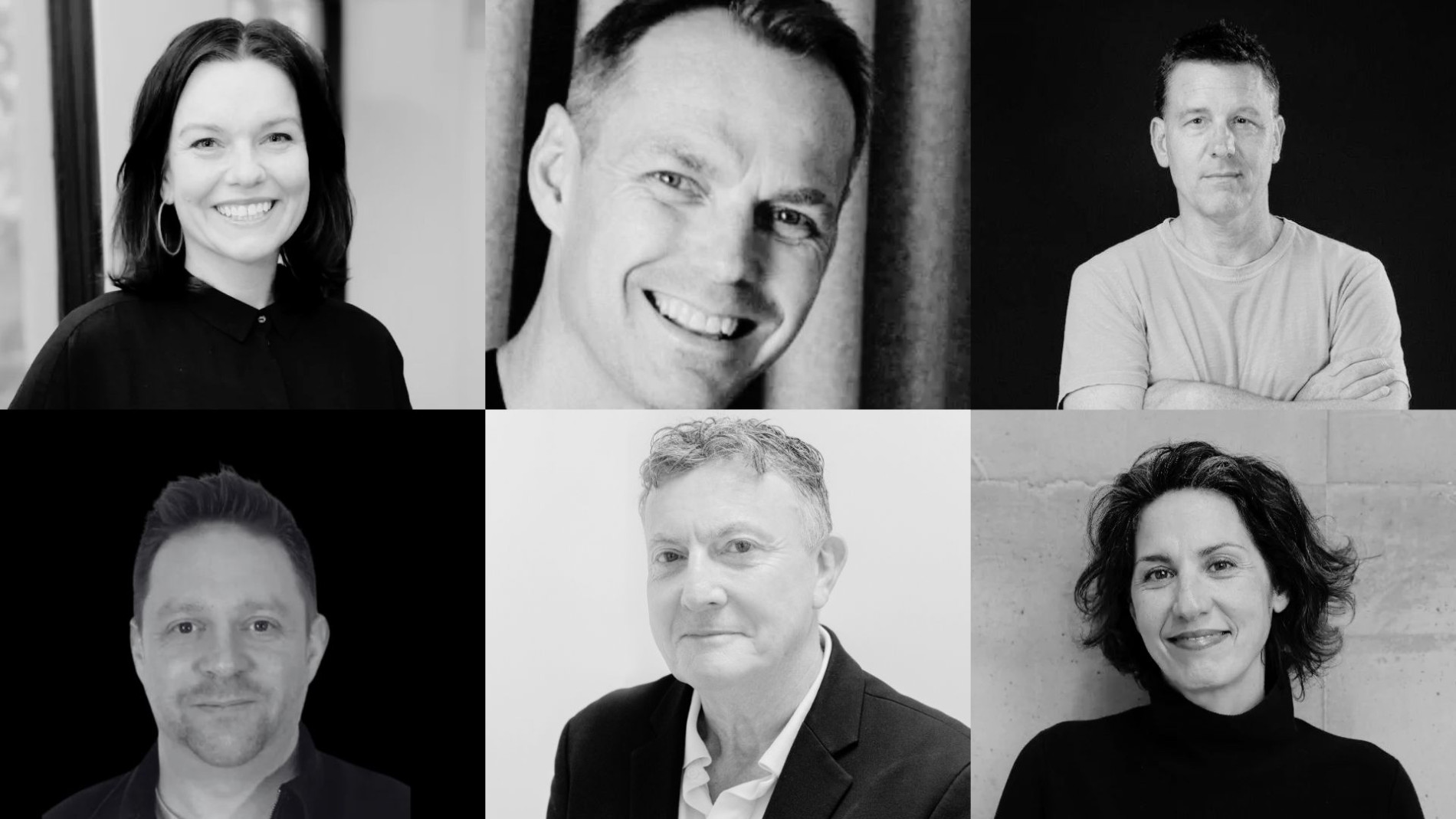
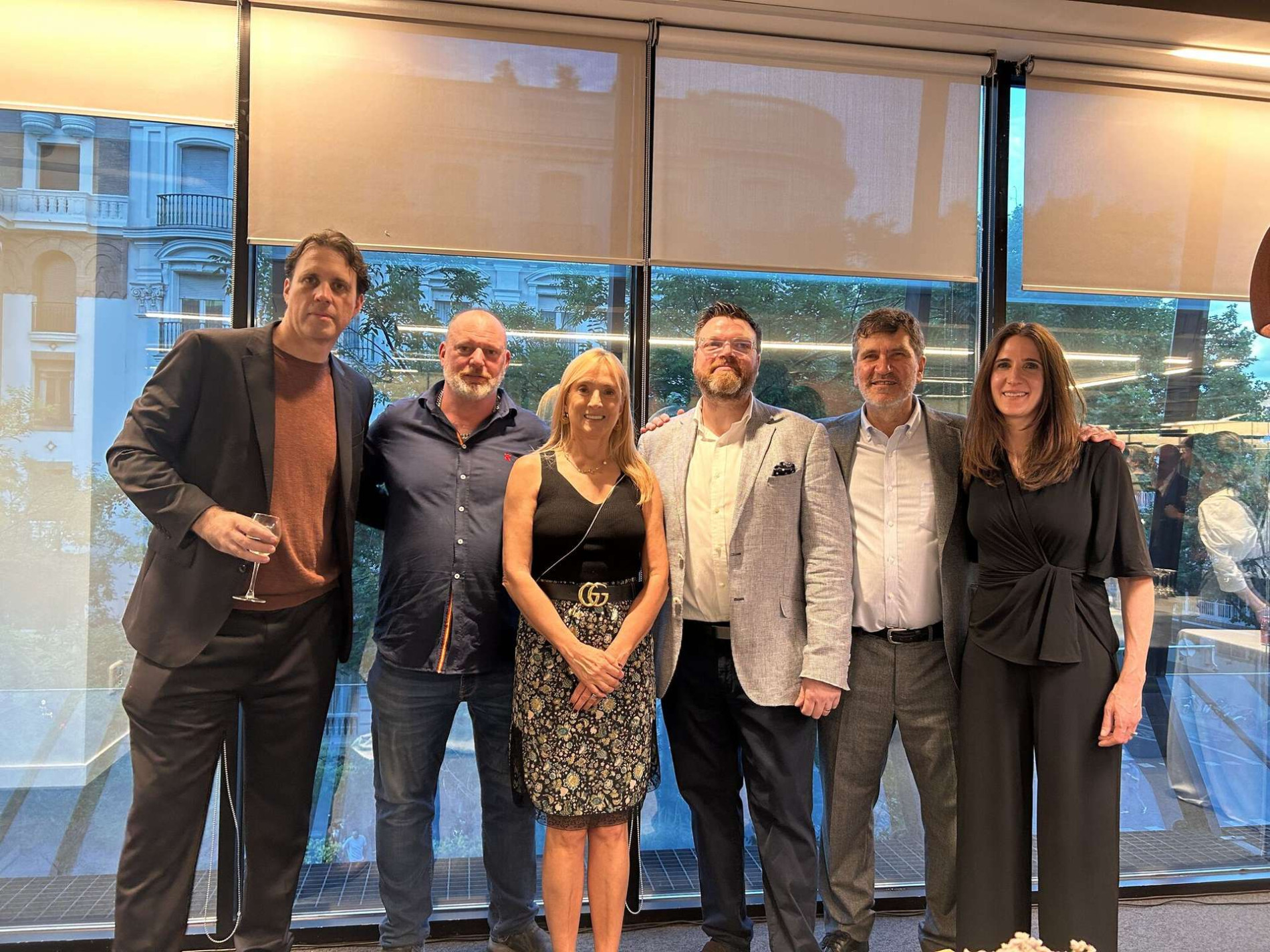
The 10 Design leadership team across the global studios.
Bespoke Careers (Chris Simmons)From a personal point of view, have you naturally grown into this? If someone looked at your early life, would they say this is the path you’d always have taken?
Sabrina KlorProbably yes. People who know me well would say it doesn’t surprise me. I see it differently. I see the learning curve I had to do to get here. It doesn’t come as easy and naturally. But everything’s easier in hindsight.
The Biggest Mistake Architecture Firms Make
Bespoke Careers (Chris Simmons)What do you look at other architects and other businesses doing that, maybe, they’re doing wrong?
Sabrina KlorAcknowledging that architecture is a business like any other. That’s what architecture businesses are not doing. Acknowledging that without a successful, well-run business, there is no design to do. They are both as important.
It’s about having both at the same time. And that’s hard, because as architects we are not trained as business people. People who open their own businesses all of a sudden need to understand profitability, time cost, money, how to charge for projects, what is the worth that we put to our design ideas. Realising that is probably the biggest mistake architecture practices in general are making.
“
Without a successful, well-run business, there is no design to do. They are both as important.
Bespoke Careers (Chris Simmons)There’s a very easy way for architects to say we don’t enjoy that side of things. We like to design. The business side doesn’t come naturally to a lot of people.
The Day She Put the Pens Down
Bespoke Careers (Chris Simmons)Was there a decision you had to make? A moment you had to put away the pens and pick up the spreadsheet?
Sabrina KlorCan we have both? We have to have both. But some people can’t have both in one role. My role is about ensuring I’ve got both in the business. Both need to exist. It’s about having the right people, the right skills in the right place.
There was a point I had to make a decision. I remember it very well. I was still running projects and trying to run the business side. Much before I became COO, I was the commercial director of the group. I couldn’t do both. It was too much. I wasn’t doing anything right.
So I said: I do one or the other. On the business side I was adding a lot of value. There were a lot of designers and project runners and managers. There weren’t that many on the other side, and I could really help. That’s the day I made the decision.
Bespoke Careers (Chris Simmons)Was that a scary decision?
Sabrina KlorNo. It was the best decision I’ve ever made for me. I never looked back. I found my real passion. I felt like I could really contribute and make a difference. It came natural and easy. For me it was very clear. Maybe not for others. There was internally a bit of a fight. Where was I going to be placed. But for me it was clear.
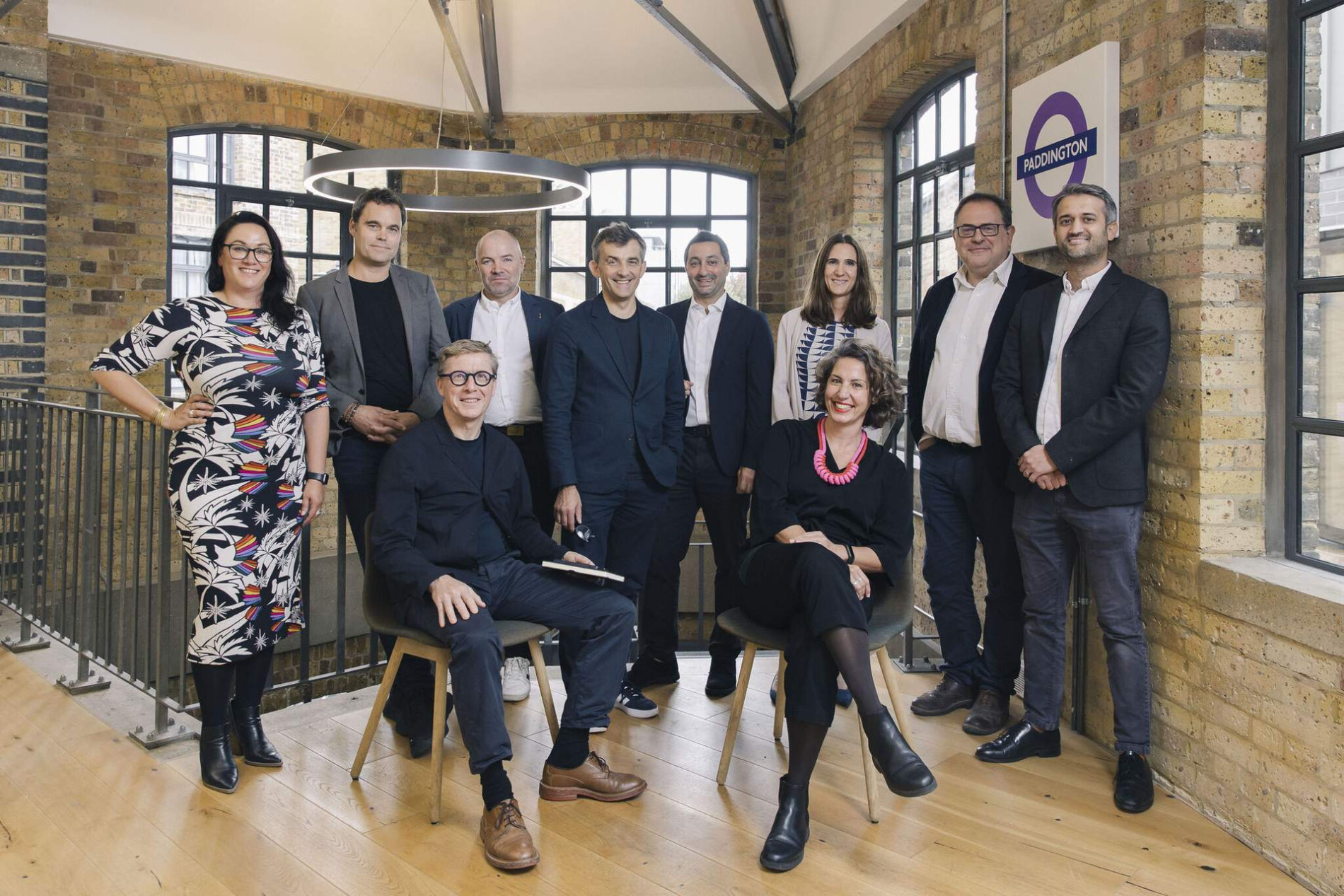
Sabrina Klor (centre right) with the 10 Design leadership board.
Driving Blind Without Data
Bespoke Careers (Chris Simmons)You’ve spoken before about the importance of data. Talk about that.
Sabrina KlorI am a huge fan of data. I live and breathe it. Data has power. It helps us make better decisions. Being able to collect the right data, consistently, has real power for a business of architecture. We can start analysing what works, what doesn’t, why it doesn’t. It helps us pivot in the right direction all the time.
Without that rigour you’re not able to see beyond. Data helps us prevent problems before they happen. I always say this to my teams: if I have no data, I feel like I’m driving blind.
“
If I have no data, I feel like I’m driving blind.
Sabrina KlorReliable data is the weakest part. The collection point. The consistency. How accurate it is. Today’s tools allow us to combine sets of data we never thought possible. The trick is getting everybody to do their own contribution on a daily, weekly basis on the different aspects a business needs.
Bespoke Careers (Chris Simmons)From my own experience in a large practice, people on the ground really struggled with that. The point of inputting timesheets, project costs. They couldn’t see why.
Sabrina KlorThe most difficult battle to win is the cultural one. I did a lot of that work as COO in my previous role. Changing that culture. Helping people understand the why. It’s not about policing. It’s not about control. It’s about having a tool that helps us steer in the right direction, so we can spend more time on the creative side. And it’s about generating systems and processes that make the data collection easier. If it’s too complicated, it’s going to fail. It needs to be simple.
Data frees up time for creative thinking. Normally people get stuck on poor systems. I’m a huge fan of good ones. The creatives aren’t spending time creating. They’re spending time doing the bits that add no value. Simplify those systems and you get two things: a much better design output, and the information to run a successful business.
What the Data Actually Showed
Bespoke Careers (Chris Simmons)Any concrete example where the data really gave you something valuable?
Sabrina KlorIf we go to the project itself. You normally think that the most complex project has the busiest people, and therefore the most hours. And that the busiest teams are the most productive.
But when you look at the data, when you analyse resource patterns, productivity, production, you have a look. Maybe that wasn’t the case. Maybe the brief wasn’t clear. Maybe the team skills aren’t right for that particular project. Data helps us understand where the problem actually is, so we can fix it. On the surface it looks obvious. The team is working really hard. They’re staying really late. But they may be doing lots of extra work, or the wrong work.
The Practice
10 Design at a Glance

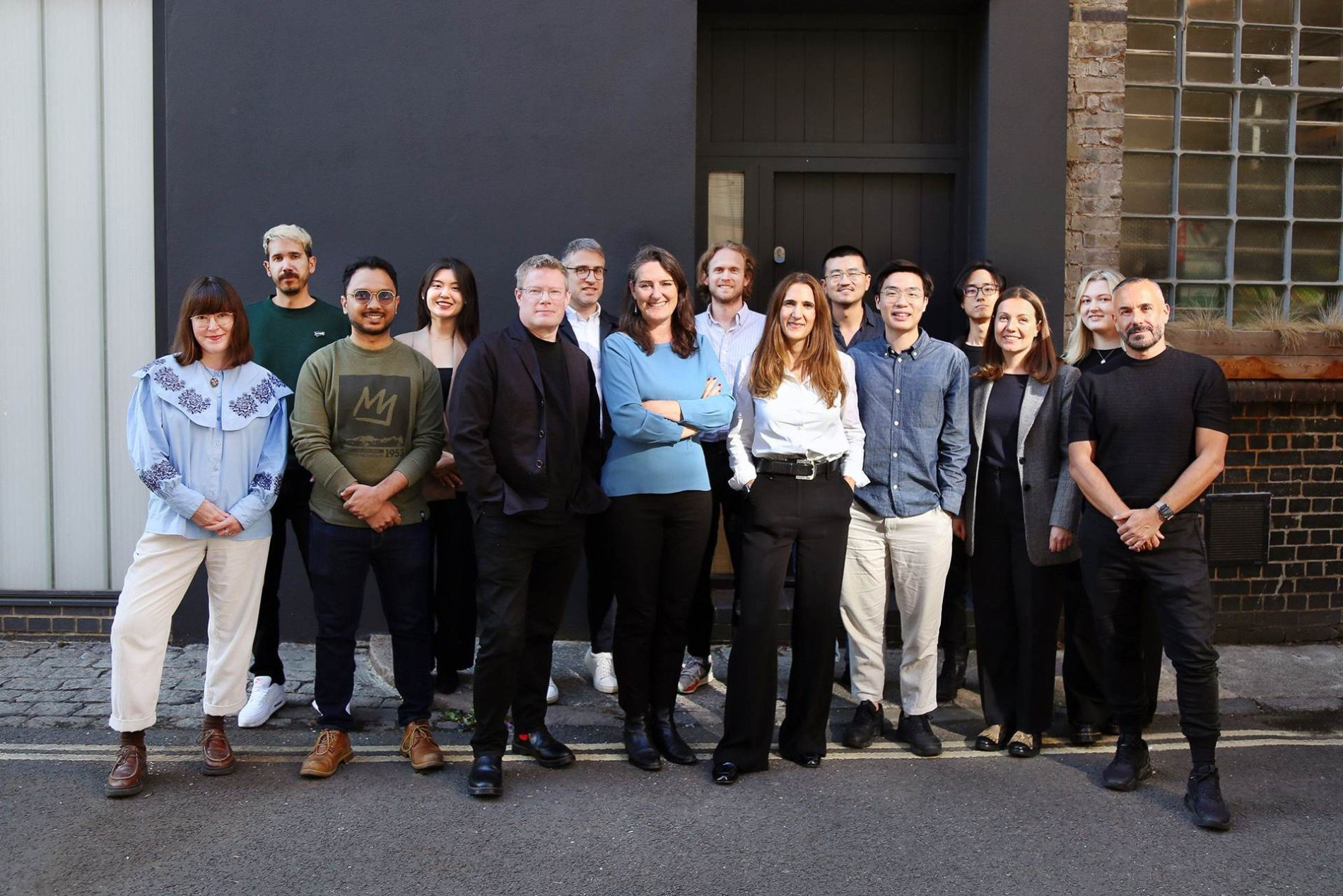
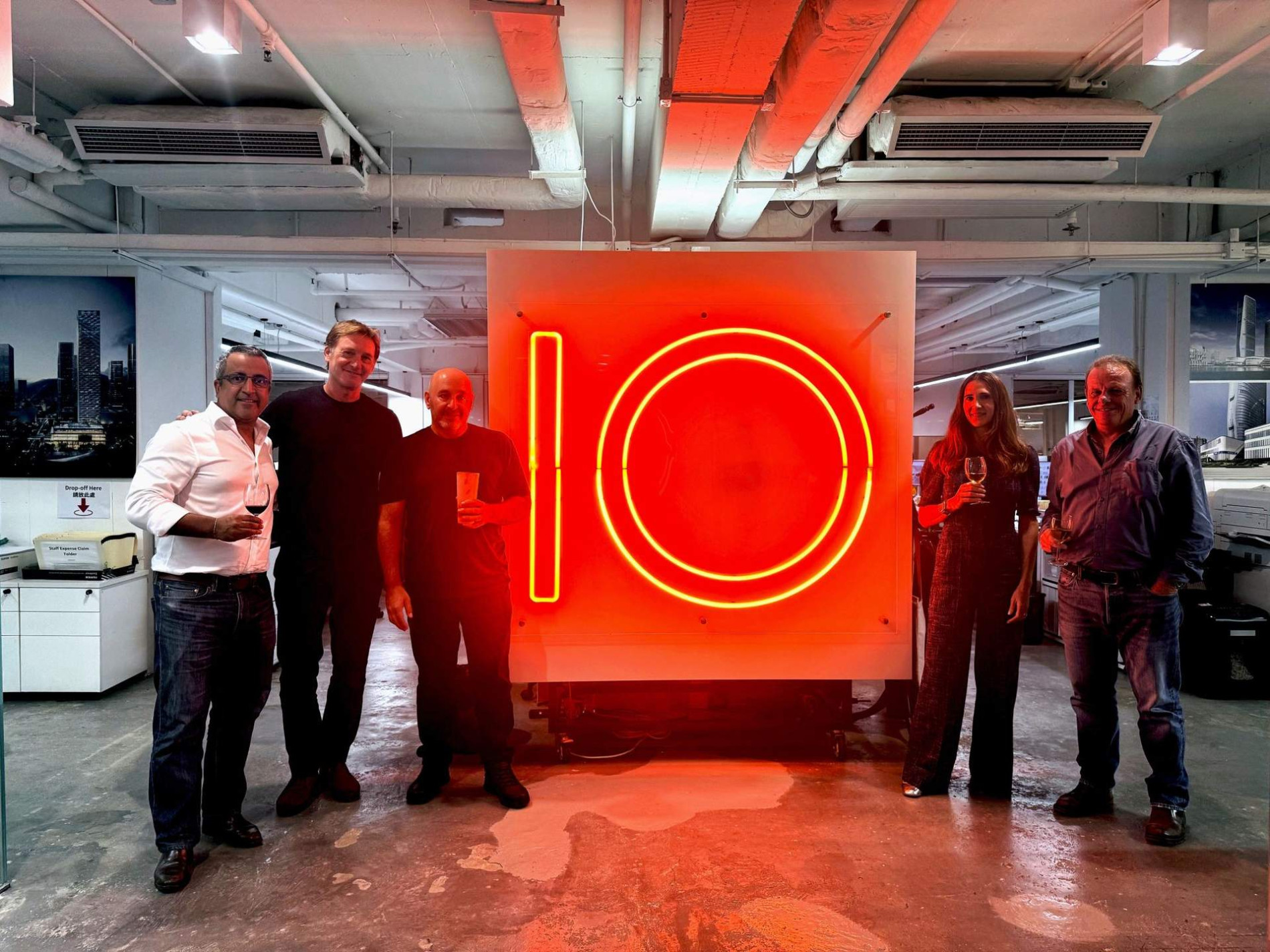
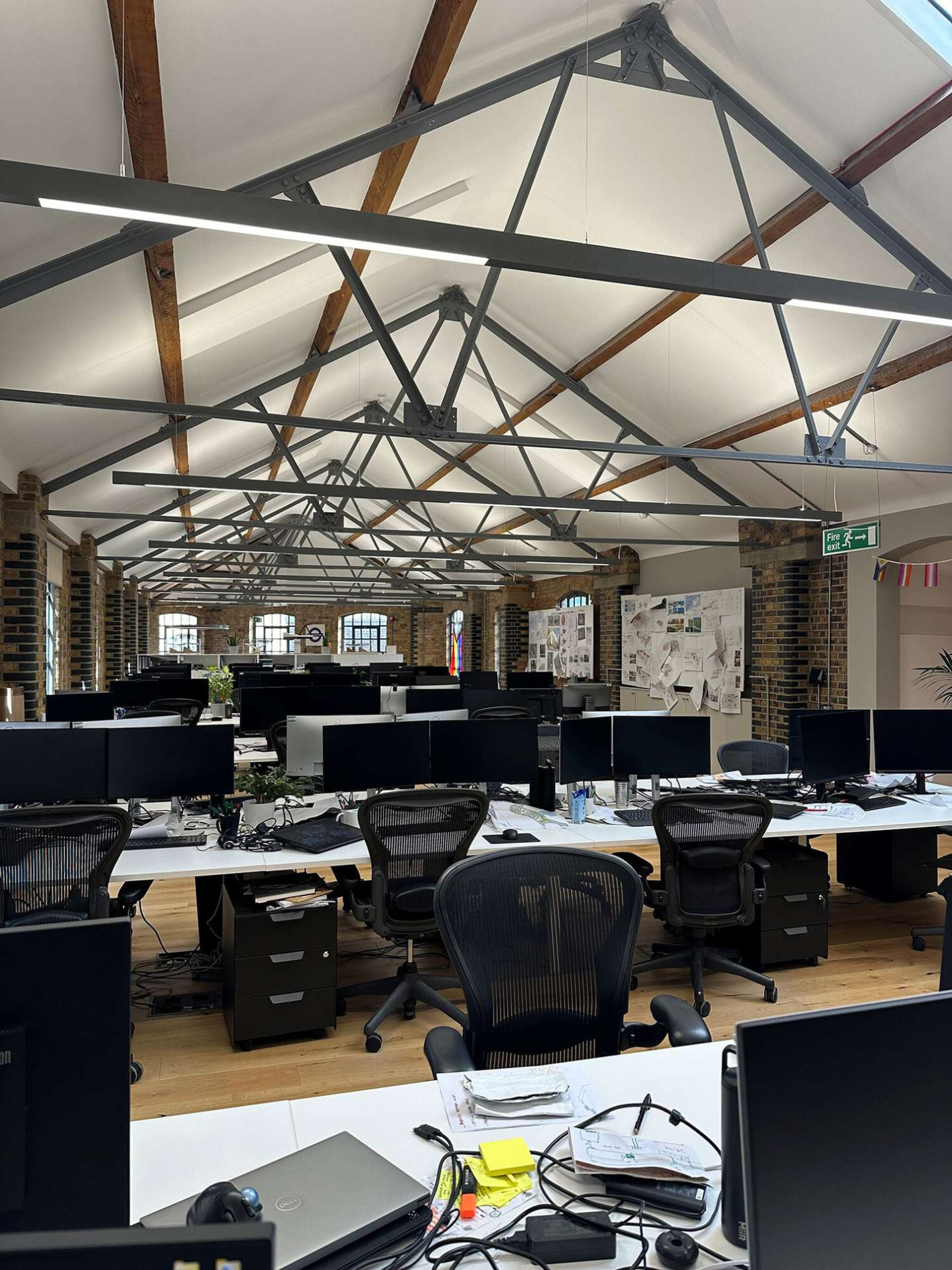
An architecture and masterplanning practice of more than 400 across nine studios. Five sister brands sit alongside 10 Design under 10N, a 1,500-strong collective of six architecture and urbanism practices. 10N itself sits inside Egis Group, a global engineering and consultancy business. The brands operate in what Sabrina Klor calls swim lanes. Each with its own specialism, none competing with the others.
The model is built for resilience. When one market slows, another picks up. When a project needs a particular skill set, the right studio takes the lead. And the scale unlocks the kind of investment in technology that a standalone practice can’t make alone.
“Having open-book conversations with the competition. It’s just been absolutely fantastic. It helps us grow quicker, see the other problems, makes us better and stronger as a business.” Sabrina Klor
Twenty Years, One Practice
Bespoke Careers (Chris Simmons)You were at the same practice for around twenty years. Tell me about going from joining to moving into leadership. That transition from job running to leadership is one of the hardest points.
Sabrina KlorI joined just after graduating. I’d had a couple of years in the States. I was a new architect. At the time I was good at computers. Very much a fan of automation, computer-generated images. That’s what got me the first job.
I moved to the UK alone. No one wanted to give me a job because I didn’t have any UK experience. My computer skills got my foot in the door of the practice where I ended up spending twenty years. I joined as an assistant, sitting next to most of the directors, drawing and modelling what they asked. That took me very quickly to running competitions, flying around the world to present them. I spent seven or eight years designing and delivering projects everywhere. From architectural assistant to director of architecture. Pretty much a traditional path.
And then, as I do when I get comfortable with something, I got a little bit bored.
The Project Everyone Told Her Not to Take
Sabrina KlorI was given a really, really difficult project. Everybody was telling me not to take it. The project had so many problems it was unsolvable. I enjoy a challenge. So I took it.
It was one of the hardest, and probably the best decisions I made. That project showed me how much I enjoyed solving problems. It was the first step. I didn’t realise at the time, but I was starting to shift. Understanding I wasn’t only interested in the design itself, but in what’s behind it. What actually makes the design possible.
It was my first real exposure to real problems. Being at the forefront. Having to resolve really complex issues. From a client that was very unhappy, to a team that was disjointed and not right, to drawings that were incorrect. So many things. When I came out of that I was a different person. I saw things very, very differently.
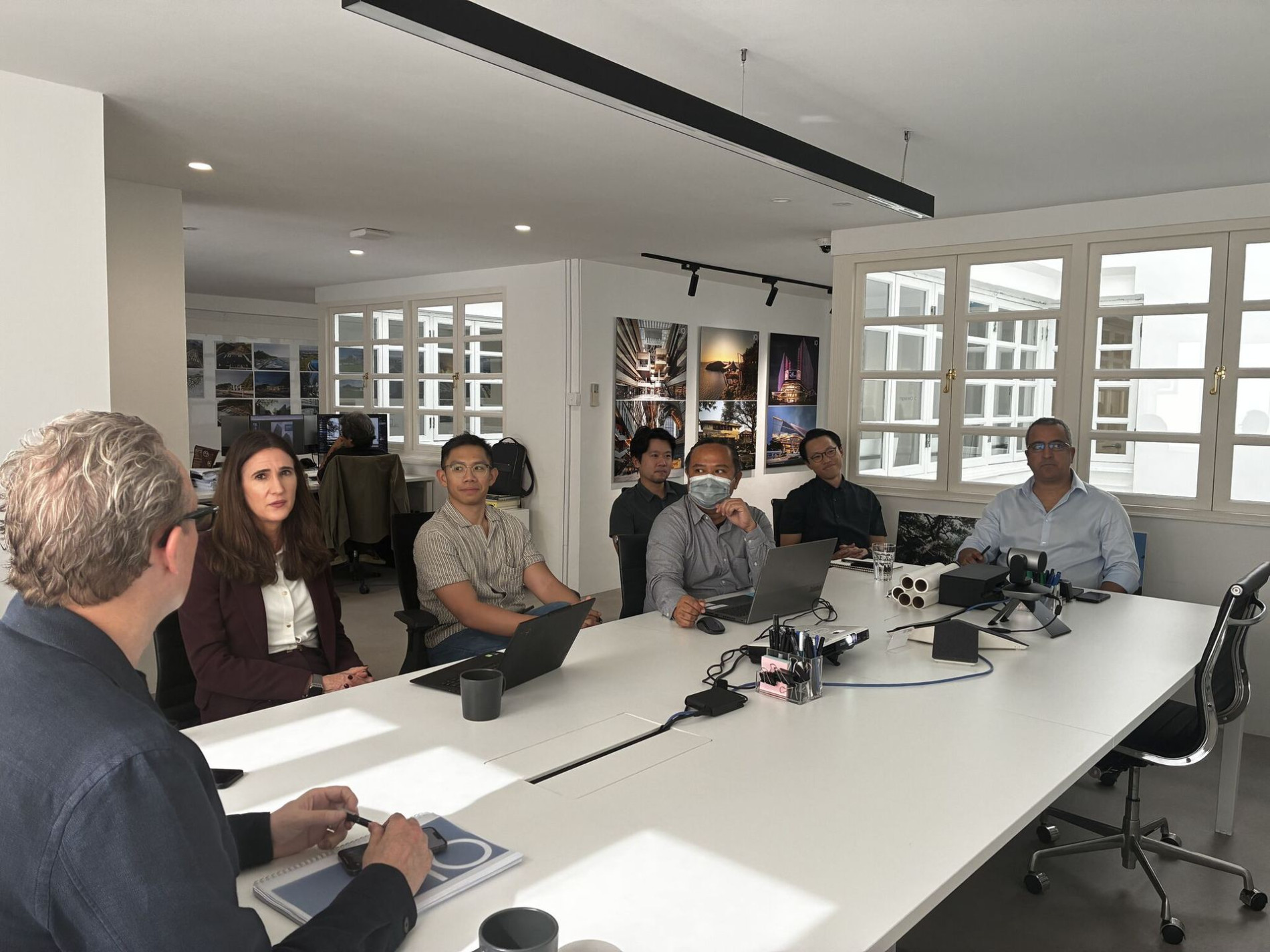
Working with the Singapore studio.
Prevention Over Cure
Sabrina KlorWhat I realised is that, okay, I enjoy solving problems. And so a lot of problems were coming my way. More and more problems were coming my way. So I shifted my thinking. Not how to resolve the problems, but how to prevent the problems from happening.
That’s where my fascination for systems and processes started. I was a very lonely voice at the time. I kept talking about prevention more than cure. I almost could say: okay, this can fall in front of my eyes, but I’m more interested in preventing more of these from happening in the future.
“
I was a very lonely voice at the time. I kept talking about prevention more than cure.
Bespoke Careers (Chris Simmons)Did people at the time see the value? Spending time digging into problems to understand them properly and prevent them?
Sabrina KlorSome did, some didn’t. It wasn’t easy. It goes back to where do you stop being productive and become an overhead. There was tension. I believe that’s a conversation every single business has. But there were people who believed in it. So I moved in that direction. It wasn’t unanimous.
Learning to Lead People
Bespoke Careers (Chris Simmons)What about the things you learned along the way about leadership? People need to understand the why. They need to get behind an idea. Where did all that learning come from?
Sabrina KlorThat was the hardest part. When you move from design production to commercial performance and then a proper global leadership role, there are other skills you need that we as architects don’t have. The most difficult part was the people side. How to lead people. How to motivate them. How to engage them. How to bring them with me.
I did a lot of work first on myself. Through coaching. Understanding me, my personality. How I was perceived. The way I acted, spoke, everything I did. How peers up, down, left and right perceived it. There was a whole 360, and that was revolutionary for me. Then a lot of external learning. What moves people. How to lead the right way. How to achieve that cultural and behavioural change. The most difficult one to achieve.
Bespoke Careers (Chris Simmons)Can you think back to people who showed you the way?
Sabrina KlorMy first ever coach, who I’m now very good friends with. She really opened my eyes. She was very cruel and crude with me. Told me things no one had ever told me. It was fascinating, because then I could understand why things were happening.
And the CEO of the company I spent twenty years at. Always in his own quiet way, really behind me. Allowing me to make mistakes and fix them myself. Giving me the agency to earn my own ground.
Women in Architecture
Bespoke Careers (Chris Simmons)You’re chair of Women in Architecture. Why is that something you give your time to?
Sabrina KlorWhat we really want to create is a fairer profession. A more diverse, equitable profession. Women in Architecture is there to advocate, and not only for women. I became chair almost a year ago. From my perspective it’s about tackling the systemic issues. The current barriers. And that requires much more than women. It requires partners. Other organisations.
We’re all claiming for better maternity policies, work-life flexibility. Those rights aren’t being claimed for everybody. We’re not claiming the same rights for fathers to take the same paternity leave. The same flexible working. Even though some places and some practices are starting to do this, the biggest issue we have is cultural. And what that creates is a place that isn’t balanced or diverse, because not everybody has the same opportunities.
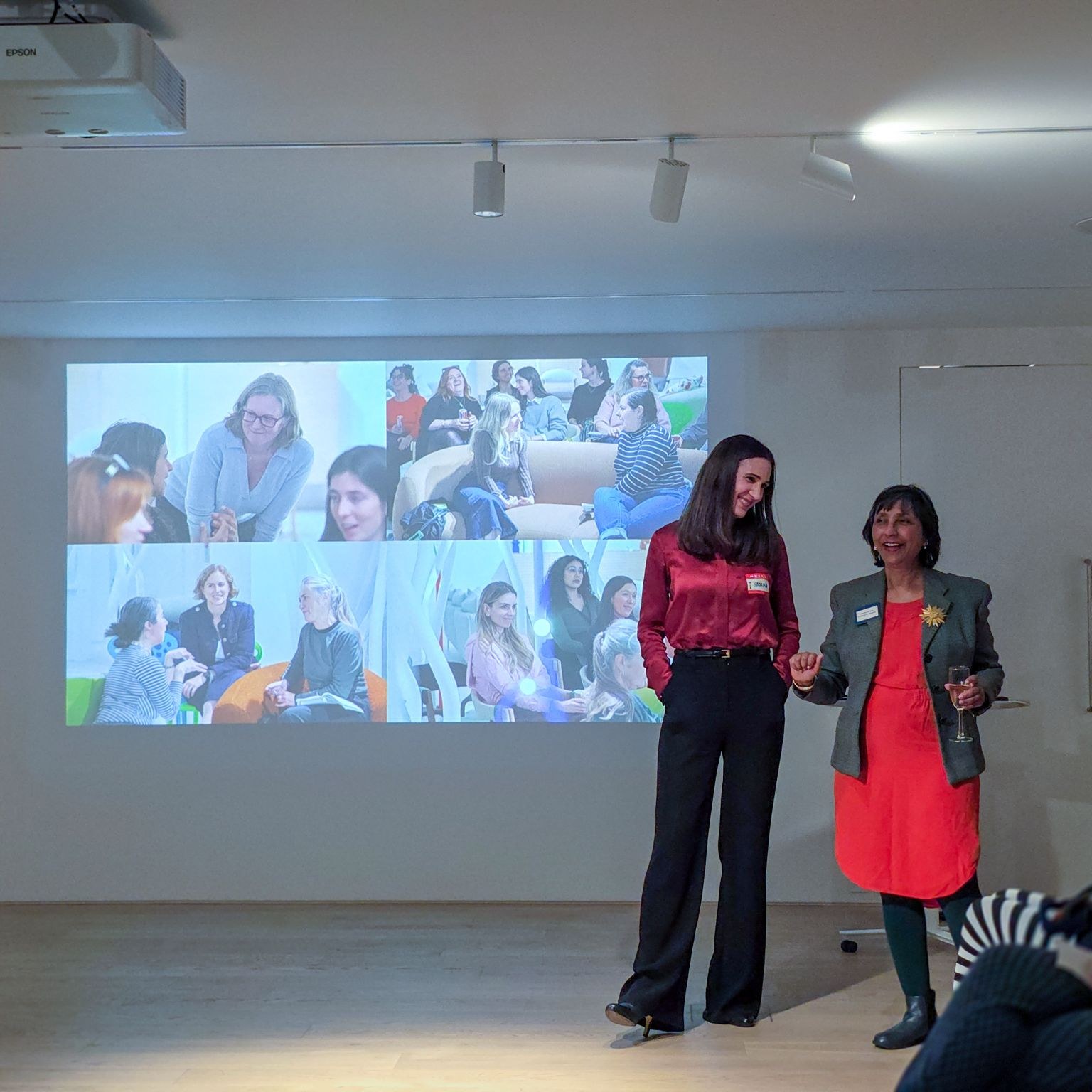
Speaking at Women in Architecture UK as chair.
Sabrina KlorWhat we’re trying to create is a profession where we give everybody, no matter where they come from, the same opportunities. Then it’s for those people, those family units, to decide which opportunity is right for their setup. At the moment our profession doesn’t allow for that.
With my business hat on, it makes better business. We want a profession that represents the society we live in. That profession is going to deliver a much better result and a much better product to the society it serves.
“
We want a profession that represents the society we live in. That profession is going to deliver a much better product to the society it serves.
Bespoke Careers (Chris Simmons)Practices will tell you they support female voices. From a moralistic standpoint people are saying the right words. They’re not always delivering on those promises. People on the ground struggle to see results. At the end of the day it’s all down to the spreadsheet.
Sabrina KlorIt costs money. That’s what it’s all down to. It is a systemic issue. How we as architects run our businesses is a business choice. But it also goes down to how we promote ourselves and price our work. It’s absolutely all linked.
One thing architects don’t do very well is advocate for what we actually do. We don’t just produce drawings and deliver buildings. We’re problem solvers. We create worth for clients, short-term and long-term. We provide advice constantly. We shape society with our designs. We create the spaces for people to enjoy or not enjoy, depending on how well they’re made. What we don’t do is value ourselves as much. And that trickles down to the spreadsheet.
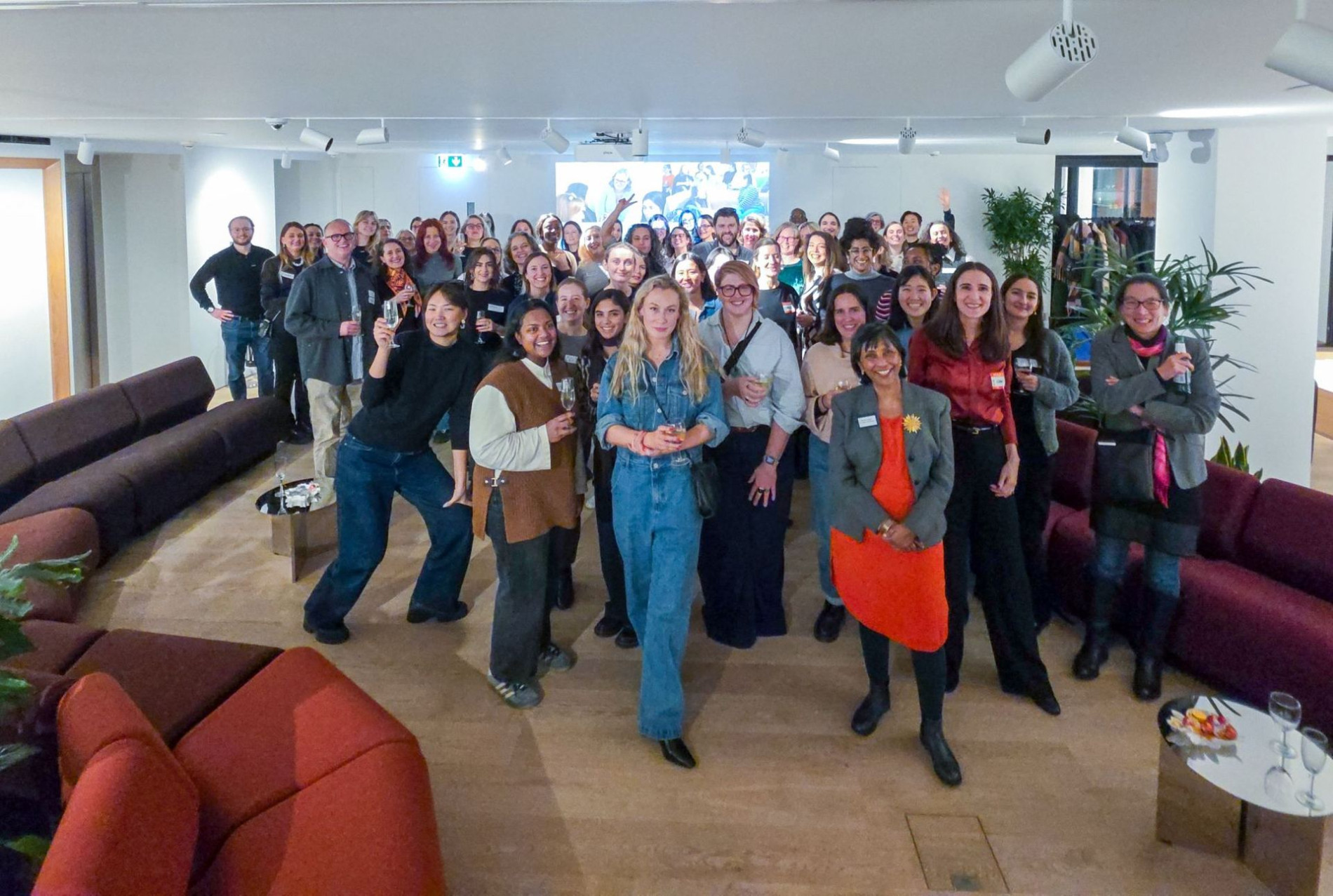
Women in Architecture UK event.
On AI
Bespoke Careers (Chris Simmons)Where do you see the worth in AI tools, both for understanding the business and for the creative side?
Sabrina KlorWe can’t escape it. It’s here. First, we have to embrace it. Unless we embrace it we won’t be on that road anymore. I see it as a tool to enhance what we do. A new way of working. It doesn’t only go to the production side. It also goes to everything around the production side. It makes us better. We should take advantage of that.
After Twenty Years, the Move
Bespoke Careers (Chris Simmons)You recently moved after twenty years in one practice. Tell me about that decision.
Sabrina KlorIt was a very hard decision. I loved my previous role. I wasn’t even looking for a job. I was very happy. Making the decision was hard. Scary, too. You’re happy. Why would you change if you’re happy?
But I was also ready for the next challenge. The next step. And this just landed on my lap. The perfect storm. So with a heavy heart I decided to move. I didn’t know very well what I was going to find. Once you’ve taken the leap, in interviews everyone’s in selling mode. But I was really surprised. I found a fantastic team. They welcomed me with open arms. And that made it really easy.
10 Design sits within a bigger group. Five other brands that all work together under 10N. Having the possibility to speak with the other CEOs of those brands has been invaluable. Like having open-book conversations with the competition. It’s just been absolutely fantastic. It helps us grow quicker, see other problems, makes us better and stronger.

Zhuhai International Exhibition and Convention Centre. One of 10 Design’s recent projects.

Bluewaters Residences, Dubai.
What Stays From the Old Role
Bespoke Careers (Chris Simmons)Is there anything you miss about the traditional act of being an architect?
Sabrina KlorNo, I don’t miss it. I can still look at a detail. I can still read a drawing. Some people who don’t know me are surprised. I’m not just management.
My role is very creative. My day varies. Every day is a new surprise. Having to be creative to solve all sorts of problems I don’t know are coming. So no, I don’t miss that part. What I enjoy is creating. What I create is the culture, the right space for architects to produce their best result. That’s how I see my role. My job is to ensure they can do it.
Bespoke Careers (Chris Simmons)Did you have to have that experience to now be able to do this?
Sabrina KlorPersonally, I couldn’t do what I do without having gone through the whole process. But I also had to retrain myself halfway through. It didn’t just come for free. I read every MBA book on the planet. I did a lot of studying about business. I still do every day. It wasn’t natural.
Maybe if you’re coming from the other side you’d need to do the opposite. Study architecture the other way around. I’m not saying it’s not possible. But I couldn’t have done it that way. Spending twenty years in one place really allowed me to reinvent myself within a safe place. I created something within, instead of moving from one to the next. I didn’t stay twenty years doing the same thing. I reinvented myself a few times, within a space. And in my extended family. So I’m really grateful for that.
The Next Generation
Bespoke Careers (Chris Simmons)What do you think the skill sets are that the next generation needs?
Sabrina KlorIt’s all about being creative problem solvers. Using the tools we have to solve those problems. There’s no harm or shame in using AI. The younger generation today is doing things we could never dream of. I walk around the studio and see fascinating things they’re doing. It’s helping them improve the quality of the design they’re delivering.
I was lecturing at the AA a few weeks ago. The last lecture at the end of part three. A lot of students had already decided to take a different path. Not going straight into practice. People don’t study architecture only to follow the traditional route. Architecture trains you for much more than that. More and more young architects, even before they leave uni, are choosing different things.
We need to evolve the education system to incorporate these tools. And bring the business side into it, which is missing. So we have a more complete package when we come out.
Why She Quit Law
Bespoke Careers (Chris Simmons)I read that you wanted to be a lawyer when you were younger. Is that from a desire for fairness, for doing the right thing?
Sabrina KlorIt’s interesting you see it that way. I never thought about it that way. I actually started law. And then I quit. It was too boring.
I’m currently on a mission to create better environments for people to work in. I hope so. That’s what I’m trying to do. Working with Women in Architecture is part of the same thing. So maybe yes, it might be a way of satisfying that original desire of making things right.
I’m a people person. I want people to feel heard and valued. But I’m also strong on performance. My leadership style is a mixture. Caring about my people, making sure everybody has the same right opportunities, feels valued. And at the same time we are performing. That comes with accountability and clarity. All of those skills I didn’t have, and learned on the way. I learned that I didn’t have to have all the answers.
“
I learned that I didn’t have to have all the answers. I just had to surround myself with a team that had all of the right answers.
Bespoke Careers (Chris Simmons)Sabrina, thank you so much for talking to us.
Sabrina KlorIt’s a pleasure. Thank you for having me.
Search for architecture and design jobs here
Latest architecture and design jobs around the world

Looking to hire top talent
 or advance your career? Let's talk.

We connect exceptional firms with talented professionals.
Let’s discuss how we can help you achieve your goals. Get in touch with the team today.
Related Posts


Anticipating future hiring needs can be challenging for an architecture firm or design studio. Employers can always benefit from recruitment planning, even before new vacancies materialise.
Whether you have a large project on the horizon or not, the need to recruit employees will fluctuate at times. Having good practices and strategies in place can help you be more agile when new staffing requirements arise.
Kai-Uwe Bergmann discusses his journey from medieval German towns to global partnership at BIG while exploring how craft, culture, and a relentless curiosity shape the built environment.
Bespoke Careers sponsors the AJ100 Employer of the Year Award, which recognises UK architectural firms with market-leading workplace cultures.
Lucy Cahill, Bespoke Careers London director and AJ100 awards judge, discusses what it takes for a firm to be recognised as Employer of the Year and the ingredients of HTA Design’s success.